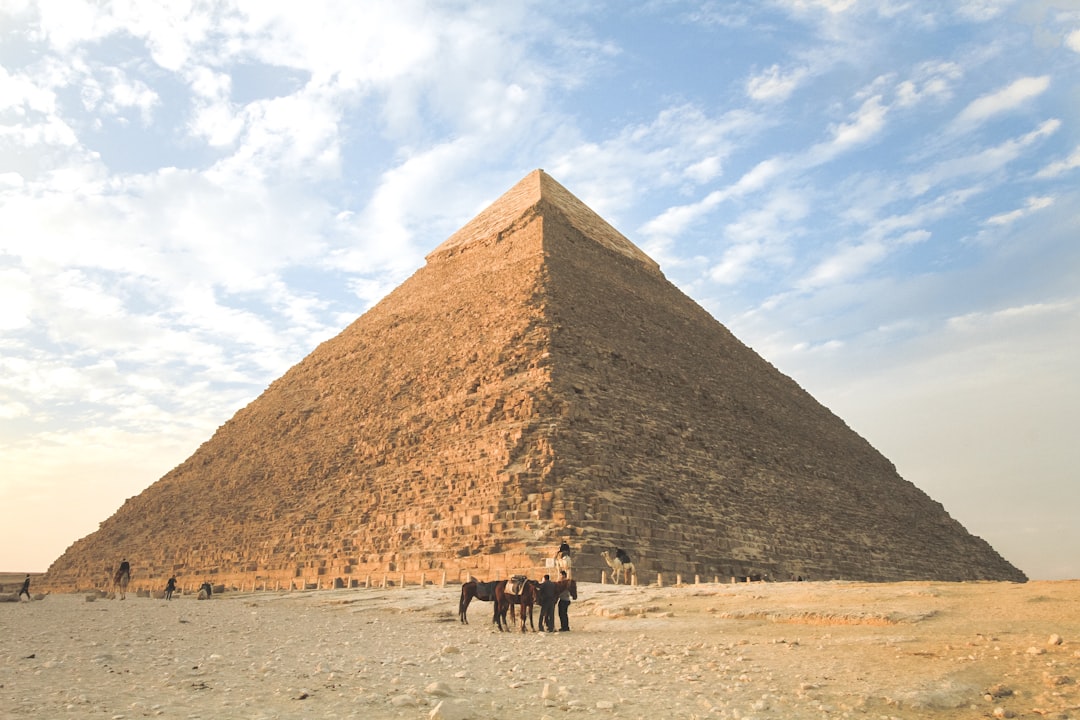
Egypt, a land synonymous with pharaohs, pyramids, and the enduring legacy of ancient civilizations, often conjures images of a distant past, a golden age of monumental architecture and sophisticated scribal traditions. However, beneath the sands that have preserved these iconic remnants of dynastic rule lies an even deeper, more enigmatic epoch: Egypt’s hidden prehistoric worlds. These epochs, stretching back tens of thousands of years, reveal a humanity far more resilient, adaptable, and complex than commonly imagined, a humanity that laid the very foundations upon which later civilizations would be built. Uncovering these forgotten chapters requires a meticulous excavation of time itself, a journey into landscapes sculpted by forces long departed and into the lives of people who navigated a world vastly different from our own. The story of prehistoric Egypt is not merely one of survival, but of innovation, social organization, and a burgeoning understanding of the natural world, offering profound insights into the very trajectory of human development.
The earliest evidence of human presence in Egypt traces back to the Pleistocene epoch, a period characterized by dramatic climatic shifts and the presence of megafauna. Long before the fertile crescent bloomed, nomadic hunter-gatherer groups traversed the savannas and floodplains of what would eventually become Egypt. These were not the settled agriculturalists of later eras, but rather highly mobile populations, intimately connected to the rhythms of the environment. Their existence, though seemingly ephemeral, left behind crucial traces in the form of stone tools, animal bones, and scattered habitation sites, offering glimpses into their subsistence strategies and technological prowess.
Early Stone Age Industries: The Paleolithic Legacy
The Paleolithic period in Egypt, spanning from hundreds of thousands of years ago to roughly 10,000 BCE, is characterized by a succession of stone tool industries. These tools, fashioned from readily available materials like flint and quartzite, were essential for survival.
Acheulean Handaxes and the Rise of Bifacial Technology
The Acheulean period, spanning a significant portion of the Lower and Middle Paleolithic, is marked by the widespread use of bifacial handaxes. These meticulously crafted tools, often symmetrical and elegantly shaped, served a multitude of purposes, from butchering game to woodworking. Their presence across various Egyptian sites indicates a long-standing human presence and a shared technological heritage. The standardization of Acheulean technology suggests a capacity for learning and transmission of knowledge across generations, a fundamental aspect of human cognitive development.
The Levallois Technique and the Emergence of Prepared Core Technology
As human populations evolved and their cognitive abilities advanced, so too did their tool-making techniques. The Middle Paleolithic saw the widespread adoption of the Levallois technique, a sophisticated method of preparing a core of stone in such a way that a flake of predictable size and shape could be struck from it. This represented a significant leap in cognitive planning and foresight, allowing for the production of more specialized and efficient tools. The presence of Levallois artifacts in Egypt provides crucial data points for understanding the dispersal and evolution of Middle Paleolithic hominins in Africa.
Upper Paleolithic Innovations: Microliths and Bone Tools
The Upper Paleolithic, beginning around 40,000 BCE, witnessed further technological diversification. While stone tools remained paramount, there was a growing reliance on smaller, more refined tools known as microliths. These were often hafted onto handles made of bone or wood, creating composite tools that enhanced efficiency. Bone was also increasingly utilized to craft needles, awls, and harpoons, indicating a growing mastery over a wider range of materials and a greater ability to exploit diverse resources.
Environmental Shifts and Human Adaptation: The Sahara’s Green Past
The geological and climatic history of Egypt is intrinsically linked to the ebb and flow of human presence. During much of the Pleistocene, the Sahara Desert, now a vast expanse of aridity, was a very different landscape. Fluctuating rainfall patterns, influenced by orbital cycles and atmospheric conditions, periodically transformed large swathes of the Sahara into savanna environments, complete with rivers, lakes, and abundant wildlife.
The “Green Sahara” Phenomenon: A Cradle of Early Life
Periods of increased humidity, often referred to as “Green Sahara” phases, created fertile ecosystems that supported diverse flora and fauna. These environments were not merely transitional but were actively inhabited by early human populations. Archaeological evidence from sites in the Western Desert, such as Nabta Playa, provides compelling evidence of these wetter periods and the human communities that thrived within them. The presence of prehistoric lakes and rivers, now vanished, served as focal points for human settlement, drawing both people and animals.
Adaptations to Aridification: Resilience and Mobility
As climatic conditions shifted towards the arid extremes that characterize the Sahara today, human populations were forced to adapt. This adaptation often involved increased mobility, following water sources and game herds across vast distances. The toolkit and social structures of these prehistoric Egyptians were likely shaped by the need to survive in challenging and ever-changing environments. This period of adaptation highlights the inherent resilience of early human societies.
Recent discoveries in Egypt have unveiled hidden prehistoric worlds that shed light on ancient civilizations and their way of life. These findings not only enhance our understanding of Egypt’s rich history but also draw intriguing parallels with other regions, such as Kurdistan. For a deeper exploration of the complexities surrounding historical narratives and quests for identity, you can read more in the article on Kurdistan’s quest for independence at this link.
The Neolithic Revolution in Egypt: From Foraging to Farming
The transition to the Neolithic period, beginning around 7,000 BCE, marks a profound transformation in human history worldwide, and Egypt was no exception. This era witnessed the gradual adoption of agriculture, a shift from a mobile hunter-gatherer lifestyle to a more settled existence centered around the cultivation of crops and the domestication of animals. This revolution, though perhaps less dramatic in its initial stages than in some other regions, laid the groundwork for the development of complex societies.
Early Farming Communities: The Seeds of Sedentism
The earliest evidence of agricultural practices in Egypt points to the gradual adoption of indigenous or introduced crops and domesticated animals. This process was not instantaneous but rather a gradual integration into existing subsistence strategies.
Nabta Playa and the Southern Egyptian Sahara: Pioneering Pastoralism
The archeological site of Nabta Playa in the Egyptian Western Desert is a particularly important locus for understanding early Neolithic developments. This region, during periods of increased rainfall, supported significant pastoral communities. Evidence suggests the herding of cattle, sheep, and goats, indicating a significant shift towards animal husbandry. The presence of domesticated animals provided a more stable and predictable food source, contributing to increased sedentism.
The Development of Pottery: Containers for a New Lifestyle
The Neolithic period is inextricably linked to the development and widespread use of pottery. The ability to create fired clay vessels revolutionized food storage, preparation, and cooking. Prehistoric Egyptian pottery, initially simple and utilitarian, evolved over time, reflecting regional styles and technological advancements. These ceramic artifacts provide invaluable insights into daily life, diet, and cultural practices. The production of pottery implies a degree of craft specialization and a more settled lifestyle that allowed for the time and resources needed for its manufacture.
Early Agricultural Innovations: Cultivating Indigenous Crops
While the exact origins of agriculture in Egypt are still debated, evidence suggests the cultivation of indigenous wild cereals and legumes, alongside potentially introduced species. The fertile floodplains of the Nile would have provided ideal conditions for early farming experiments. This transition to agriculture fostered greater population density and the emergence of more complex social structures.
The Nile Valley: A Fertile Canvas for Civilization
The emergence of the Nile River Valley as the primary locus of Egyptian civilization in later periods is deeply rooted in its prehistoric past. The river’s predictable annual inundation provided a fertile floodplain, ideal for agriculture, and a reliable water source, fostering the development of settled communities.
Pre-Dynastic Settlements Along the Nile: The Roots of Urbanism
Even before the unification of Egypt under the pharaohs, numerous settlements dotted the Nile Valley and its adjacent desert fringes. These pre-dynastic communities, such as those found at sites like Hierakonpolis and Naqada, demonstrate increasing social complexity, organized labor, and specialized craft production. The development of these villages and towns laid the essential foundations for the monumental achievements of the dynastic period.
Emerging Social Hierarchies: Evidence from Burial Practices
Analysis of pre-dynastic burial sites reveals a growing disparity in wealth and social status. The elaboration of grave goods and the construction of more elaborate tombs for certain individuals suggest the emergence of social hierarchies and the beginnings of a stratified society. This trend would continue and intensify in the dynastic era.
Beyond the Nile: Discovering Desert Life and Rock Art
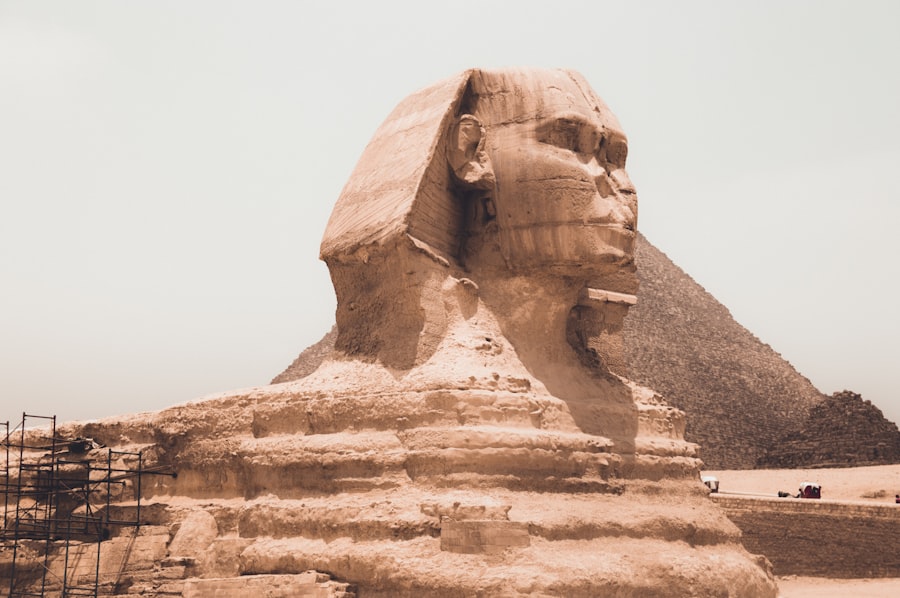
While the Nile Valley has traditionally dominated our understanding of prehistoric Egypt, a growing body of evidence reveals the vibrant and complex lives of people who inhabited the surrounding desert regions. These desert dwellers, often overlooked, developed unique adaptations and left behind a rich legacy of rock art, offering a window into their beliefs, their environment, and their interactions with the natural world.
Desert Nomads and Oasis Dwellers: Adapting to Arid Landscapes
The Egyptian deserts were not always the barren landscapes they are today. Throughout prehistory, periods of increased rainfall transformed parts of the desert into temporary savannas, supporting a range of wildlife and sustaining human populations.
The Role of Oases: Vital Hubs of Prehistoric Life
Oases, such as those in the Western Desert, served as crucial centers of life and activity for prehistoric communities. These naturally occurring water sources, surrounded by more verdant vegetation, provided sustenance for both humans and animals, acting as important gathering places and trade routes.
Mobility and Resource Management: Strategies for Survival
Desert-dwelling communities were masters of mobility and resource management. They understood the seasonal availability of water and game, developing sophisticated strategies to exploit these ephemeral resources. Their toolkit and settlement patterns reflect a deep knowledge of their environment.
Sahara’s Galleries: Unveiling Ancient Rock Art
One of the most striking discoveries in Egypt’s prehistoric past is the wealth of rock art found in its desert regions. These ancient engravings and paintings, etched onto cave walls and rock faces, provide invaluable visual narratives of prehistoric life.
Thematic Diversity of Rock Art: Animals, Humans, and Symbols
The themes depicted in Egyptian rock art are remarkably diverse. They include vivid representations of animals, both wild and domesticated, hunting scenes, human figures engaged in various activities, and abstract symbols whose meanings remain enigmatic. These depictions offer a unique perspective on the fauna of prehistoric Egypt, human social behaviors, and perhaps even early forms of spiritual or symbolic expression.
Dating and Interpretation: A Window into Prehistoric Beliefs
Dating rock art is a challenging but crucial aspect of its study. Various techniques, including stylistic analysis and radiocarbon dating of associated organic materials, help to place these artworks within their chronological context. Interpreting the meaning behind these images is an ongoing process, but they offer tantalizing clues about the beliefs, myths, and daily lives of prehistoric Egyptians. The detailed depictions of animals, for instance, might reflect their importance in the diet, in spiritual beliefs, or as symbols of power.
The “Tassili Style” and its Egyptian Connections: Shared Cultural Landscapes
Certain stylistic similarities have been noted between rock art found in the Egyptian Sahara and that of the Tassili n’Ajjer plateau in Algeria. This suggests shared cultural landscapes and potential interactions between prehistoric communities across vast desert regions, highlighting a broader network of exchange and influence in ancient North Africa.
Ritual and Belief: The Spiritual Landscape of Prehistoric Egypt
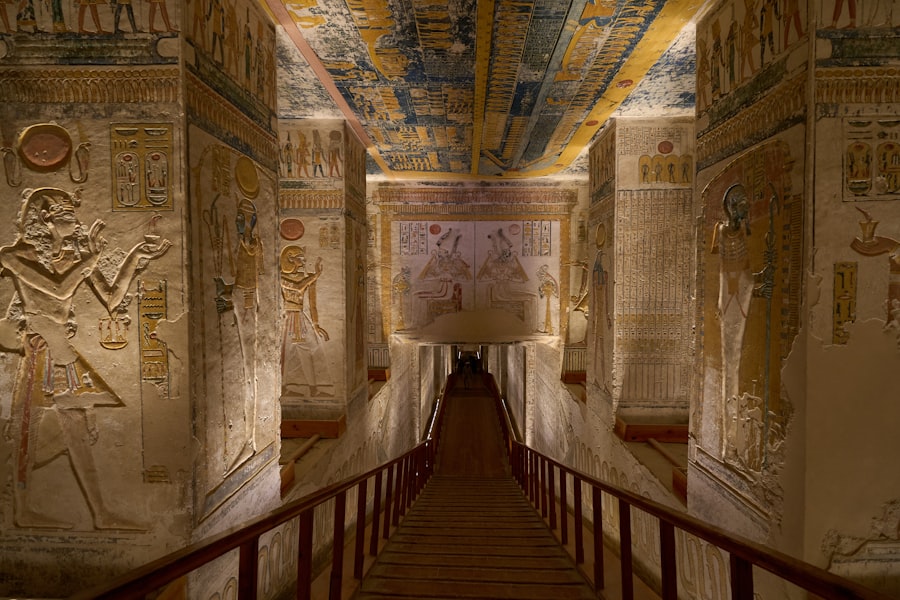
While the material culture of prehistoric Egypt provides tangible evidence of their lives, understanding their spiritual beliefs and ritual practices offers a deeper insight into their worldview. Though direct evidence is often scarce, the archaeological record, particularly burial customs and the symbolic meaning of certain artifacts, allows for informed inferences.
Early Burial Practices: A Glimpse into the Afterlife
The way prehistoric Egyptians treated their dead offers a profound insight into their beliefs about life, death, and the possibility of an afterlife. Changes in burial practices over time reflect evolving societal structures and evolving spiritual understandings.
Simple Interments and Grave Goods: The Earliest Expressions
In the earlier periods, burials were often simple, with the deceased interred in shallow pits, sometimes accompanied by a few personal belongings or tools. These early grave goods likely served practical purposes in the afterlife or represented the deceased’s social standing.
Elaborate Tombs and Ritual Offerings: The Emergence of Complex Beliefs
As societies became more complex, so too did burial practices. The pre-dynastic period, in particular, saw the development of more elaborate tombs, sometimes with multiple chambers, and a greater array of grave goods, including pottery, tools, weapons, and even sacrificed animals. This suggests an increasing belief in the importance of preparing the deceased for the journey to the afterlife and the need for provisions.
Evidence of Ritual Activity: Altars and Ceremonial Sites
Archaeological evidence from sites like Nabta Playa suggests the existence of dedicated ceremonial or ritual spaces. The presence of stone arrangements, potential altars, and the deliberate deposition of artifacts point towards organized religious or spiritual practices. These sites might have been used for communal gatherings, ceremonies, or as places of veneration.
Symbolism and Early Art: Expressing the Abstract
The development of symbolic representation is a hallmark of human cognitive evolution, and prehistoric Egypt is no exception. While not yet the hieroglyphs of later periods, certain motifs and artifacts likely carried symbolic weight.
Animal Motifs and their Significance: Power, Fertility, and the Divine
Animals frequently appear in prehistoric Egyptian art, from rock engravings to pottery decorations. Certain animals may have been revered for their power, their connection to the life-giving Nile, or their perceived divine attributes. The bull, for instance, is often interpreted as a symbol of strength and fertility.
Abstract Designs and Geometric Patterns: Early Forms of Meaning
Beyond figurative representations, prehistoric artifacts often feature abstract designs and geometric patterns. While their precise meanings are lost to time, these patterns may have held symbolic significance, representing cosmic order, fertility, or protective qualities. The evolution of these patterns can be traced as a precursor to later symbolic systems.
Recent discoveries in Egypt have unveiled hidden prehistoric worlds that offer fascinating insights into ancient civilizations. Researchers have uncovered remnants of long-lost cities and artifacts that shed light on the daily lives of early inhabitants. For those interested in the broader implications of shifting global dynamics, a related article discusses how Mexico is emerging as a new manufacturing hub, potentially replacing China in this role. You can read more about this intriguing shift in the article found here.
The Prehistoric Legacy: Foundations of Dynastic Egypt
| Location | Discovery | Artifacts |
|---|---|---|
| Abusir | Discovered in 2018 | Stone tools, pottery |
| Beni Hassan | Discovered in 2003 | Rock art, tombs |
| El-Khawy | Discovered in 2019 | Wall paintings, pottery |
The achievements of dynastic Egypt – its monumental architecture, its complex bureaucracy, its sophisticated religious system – did not emerge in a vacuum. They were built upon millennia of prehistoric development, on the innovations and adaptations of the people who came before. Uncovering these hidden worlds is not just an exercise in academic curiosity; it is essential to understanding the very origins of one of the world’s most enduring civilizations.
Technological Advancements: From Stone to Early Metalworking
The technological innovations of the prehistoric period provided the essential building blocks for later developments. The mastery of stone tool production, the invention of pottery, and the understanding of animal husbandry all laid crucial groundwork.
The Transition to Metallurgy: A Gradual Process
While the dynastic period is famous for its bronze and gold work, the transition to metallurgy began in the prehistoric era. Early evidence suggests the exploitation of copper, albeit on a small scale, in the pre-dynastic period. This gradual introduction of new materials and techniques paved the way for the more advanced metalworking seen in later periods.
Early Forms of Construction: Shaping the Landscape
Even before the pyramids, prehistoric Egyptians engaged in significant construction activities. The creation of settlements, the digging of irrigation channels (even if rudimentary), and the construction of ceremonial sites demonstrate a growing ability to shape their environment and organize labor for collective projects.
Social and Political Genesis: The Seeds of Unification
The social and political structures that characterized dynastic Egypt, including concepts of kingship and centralized authority, had their roots in the prehistoric past. The gradual emergence of social hierarchies, the development of organized communities, and the consolidation of power in certain settlements all contributed to the eventual unification of the land.
The Rise of Elite Power: Evidence from Pre-Dynastic Sites
Sites like Hierakonpolis offer compelling evidence of burgeoning elite power in the pre-dynastic period. Elaborate tombs, monumental architecture, and symbols of authority suggest the emergence of rulers and the consolidation of political influence in specific centers, which would eventually compete and coalesce.
The Nile as a Unifying Force: A Highway for Exchange and Control
The Nile River played a pivotal role not only in sustaining life but also in facilitating communication, trade, and the eventual political unification of Egypt. Prehistoric communities along the Nile developed networks of exchange and interaction that laid the foundation for a more integrated society.
Enduring Cultural Threads: Continuity Through Time
Many aspects of prehistoric Egyptian culture likely persisted and evolved into the dynastic period, becoming deeply ingrained in the national identity. Understanding these enduring threads provides a more nuanced and continuous narrative of Egyptian civilization.
Religious Symbolism and Iconography: Echoes of the Past
Certain symbols and motifs found in prehistoric rock art and artifacts may have carried over into the religious iconography of the pharaohs. The veneration of certain animals or the adoption of specific symbolic representations could be seen as echoes of earlier beliefs and practices.
The Importance of Agriculture and the Nile: A Constant Foundation
The fundamental importance of agriculture and the Nile River as the lifeblood of Egypt remained a constant throughout its history. The successful management of these resources, honed by millennia of prehistoric experience, was crucial for the sustained prosperity and development of dynastic Egypt.
In conclusion, the exploration of Egypt’s hidden prehistoric worlds is an ongoing and vital endeavor. Each new discovery peels back another layer of time, revealing the ingenuity, resilience, and complexity of early human societies. These investigations are not merely about uncovering artifacts; they are about understanding the deep roots of human civilization, the slow evolution of technology, social organization, and belief systems, and the profound connection between humanity and the ever-changing landscapes it inhabits. The story of prehistoric Egypt is an integral part of the larger human story, a testament to our capacity for adaptation, innovation, and the enduring drive to understand our place in the world.

They Found a Shark Graveyard in the Egyptian Desert
FAQs
What are the hidden prehistoric worlds in Egypt?
The hidden prehistoric worlds in Egypt refer to the discovery of ancient settlements and artifacts that date back to prehistoric times, shedding light on the early human civilization in the region.
Where are these hidden prehistoric worlds located in Egypt?
These hidden prehistoric worlds have been discovered in various locations across Egypt, including the Nile Delta and the desert regions, where archaeological excavations have revealed evidence of early human settlements.
What have archaeologists uncovered in these hidden prehistoric worlds?
Archaeologists have uncovered a variety of artifacts and structures in these hidden prehistoric worlds, including tools, pottery, burial sites, and remnants of ancient dwellings, providing valuable insights into the daily lives and cultural practices of prehistoric Egyptians.
Why are these discoveries significant?
These discoveries are significant because they challenge previous assumptions about the timeline and development of human civilization in Egypt, pushing back the known history of the region and contributing to a deeper understanding of the origins of ancient Egyptian culture.
How do these discoveries impact our understanding of ancient Egypt?
The discoveries in these hidden prehistoric worlds in Egypt provide a more comprehensive understanding of the early stages of human settlement and cultural development in the region, offering new perspectives on the roots of ancient Egyptian civilization.