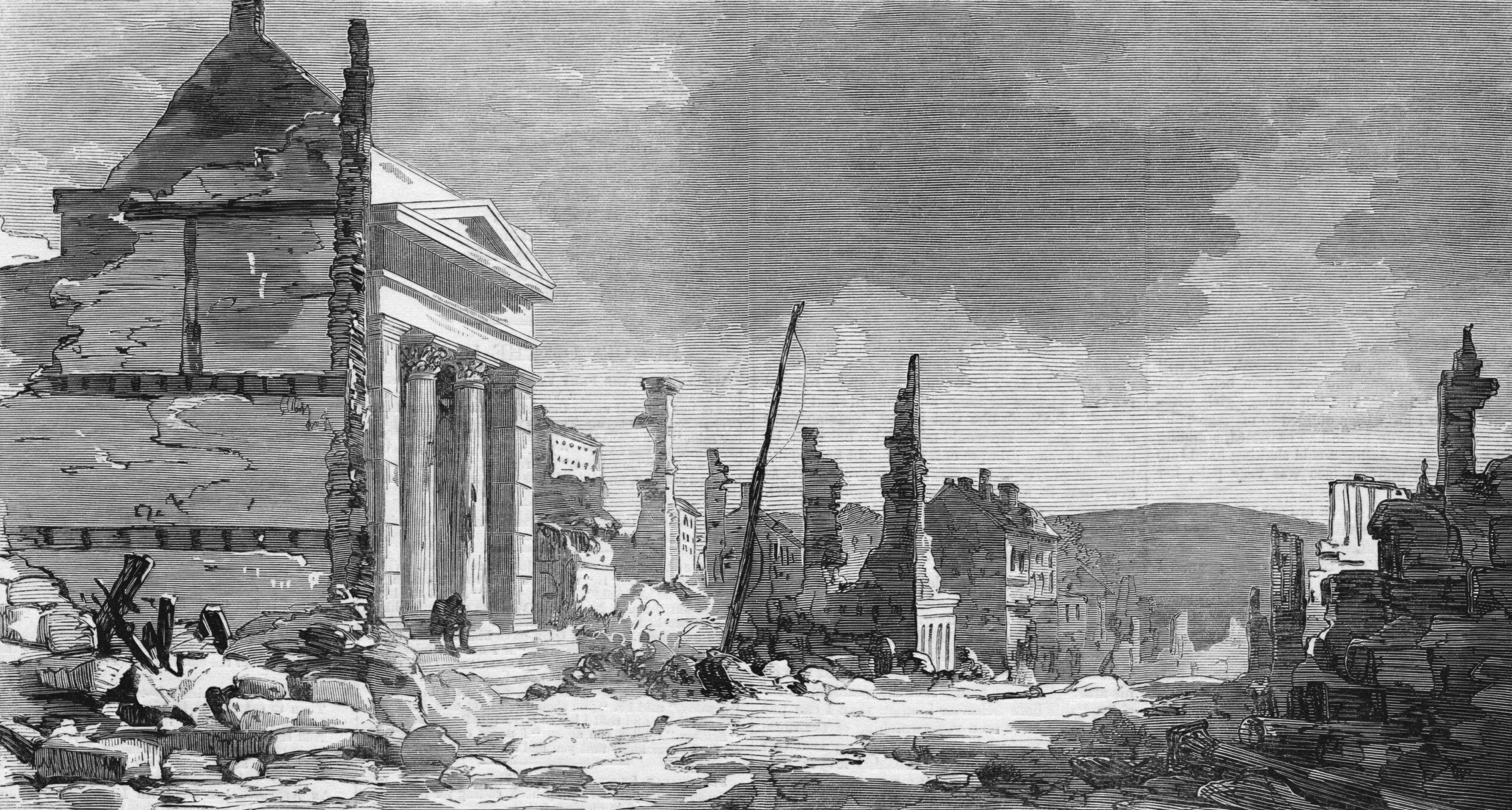
The Earth’s history is not a placid, uneventful unfolding of time. Beneath the seemingly stable surface, a dramatic narrative of destruction and rebirth is etched in stone and preserved in the fossil record. For millennia, humanity has gazed upon these silent witnesses, piecing together a story of ancient catastrophes that have reshaped life on our planet and buried the achievements of bygone civilizations. From the skeletal remains of creatures that perished in cataclysmic events to the immense scars left by celestial bombardments and the ash-covered foundations of lost cities, the evidence of these ancient disasters offers a profound perspective on our world’s dynamic past.
The most compelling evidence of ancient catastrophes lies not in grand geological formations or monumental ruins, but in the silent testament of life itself: the fossil record. Within layers of sedimentary rock, a timeline of life unfolds, punctuated by abrupt disappearances and subsequent biodiversification. These are the marks of mass extinction events, moments when the Earth’s biosphere was drastically altered, wiping out an overwhelming majority of species in a geological blink of an eye. The sheer scale and frequency of these events are a stark reminder that life’s tenure on Earth has been far from guaranteed. Scientists, through meticulous excavation and analysis, have identified several major extinction pulses, each with its own unique signature and likely contributing factors.
The Permian-Triassic Extinction: The Great Dying
Perhaps the most devastating of all was the Permian-Triassic extinction, often referred to as “The Great Dying.” This event, occurring approximately 252 million years ago, obliterated an estimated 96% of marine species and 70% of terrestrial vertebrate species. The fossil record from this period tells a story of utter devastation. Before the boundary, diverse marine ecosystems teemed with trilobites, brachiopods, and an array of other invertebrates. After the boundary, these forms are largely absent, replaced by a much sparser and less complex fauna. On land, the familiar fauna of the Permian, including diverse synapsids (the ancestors of mammals) and large amphibians, were replaced by a much-reduced variety of reptiles in the Triassic.
Siberian Traps Volcanism: A Fiery Culprit
The prevailing scientific consensus points to massive volcanic activity in the Siberian Traps as the primary driver of the Permian-Triassic extinction. This immense igneous province, covering millions of square kilometers, released staggering amounts of greenhouse gases, particularly carbon dioxide and methane, into the atmosphere.
The Greenhouse Effect Unleashed
The massive influx of these gases triggered a runaway greenhouse effect, leading to a dramatic and rapid increase in global temperatures. This warming disrupted ocean currents, leading to widespread anoxia (oxygen depletion) in the oceans, suffocating marine life.
Ocean Acidification: A Silent Killer
In addition to warming, the release of sulfur dioxide from the volcanoes led to acid rain, further damaging terrestrial ecosystems. The absorption of excess atmospheric CO2 by the oceans also caused a significant drop in pH, a process known as ocean acidification. This made it difficult for organisms with calcium carbonate shells and skeletons, such as corals and mollusks, to survive. The fossil record reflects this by showing a decline in calcifying organisms and a proliferation of more resilient, often simpler, life forms.
The Cretaceous-Paleogene Extinction: The Reign of the Dinosaurs Ends
Another well-known mass extinction event occurred approximately 66 million years ago, marking the end of the Cretaceous period and the demise of the non-avian dinosaurs. While volcanism may have played a role in the decline of dinosaur populations in the preceding millions of years, the final extinction pulse is overwhelmingly attributed to a colossal asteroid impact.
The Chicxulub Impactor: A Cosmic Blow
The discovery of the Chicxulub crater, a roughly 180-kilometer-wide impact structure buried beneath the Yucatán Peninsula, provided compelling evidence for this extraterrestrial event. The impact would have released an unimaginable amount of energy, triggering a cascade of catastrophic environmental changes.
Immediate Devastation: Firestorms and Tsunamis
The impact itself would have generated enormous shockwaves, causing widespread earthquakes and volcanic eruptions. Vaporized rock and debris ejected into the atmosphere would have rained down, igniting global firestorms. The ocean floor displaced by the impact would have generated colossal tsunamis, inundating coastal regions worldwide.
A Global Winter: Darkness and Cold
Following the initial devastation, vast quantities of dust, soot, and aerosols were injected into the upper atmosphere, shrouding the Earth in darkness for months, if not years. This “impact winter” drastically reduced sunlight reaching the surface, halting photosynthesis and collapsing the food chain. Herbivores starved, followed by the carnivores that preyed upon them. The fossil record shows a sharp decline in dinosaur fossils, alongside the disappearance of marine reptiles like mosasaurs and plesiosaurs, and the ammonites, a dominant group of marine invertebrates. The survival of smaller, perhaps burrowing creatures, and the early diversification of mammals, provided the seeds for the next era of life.
Recent studies have provided intriguing evidence for ancient catastrophes that may have shaped early human civilizations. One such exploration can be found in the article titled “Uncovering the Lost Civilization: Piri Reis Map Theory,” which delves into the mysteries surrounding the Piri Reis map and its implications for understanding ancient maritime navigation and potential lost civilizations. This article highlights how the map, created in the early 16th century, may contain knowledge of landmasses that were submerged due to catastrophic events. For more insights, you can read the full article here.
Scars in the Earth: Geological Evidence of Celestial Wrath
Beyond the fossil record, the Earth’s surface itself bears the indelible scars of ancient impacts. These geological formations, often hidden or disguised by eons of erosion, provide tangible proof of cosmic events that, while infrequent, possess the power to reshape entire continents and trigger global climatic shifts.
The Chicxulub Crater: A Monument to Impact
As mentioned previously, the Chicxulub crater stands as a prima facie example. Discovered through geophysical surveys and confirmed by deep drilling, its structure and composition are consistent with a hypervelocity impact.
Iridium Anomaly: A Cosmic Signature
One of the key pieces of evidence that led to the acceptance of the Chicxulub impact theory was the discovery of an iridium anomaly in sediments dating precisely to the Cretaceous-Paleogene boundary. Iridium is a rare element on Earth’s surface but is much more abundant in asteroids and comets. This global layer of iridium, found in geological strata worldwide, acts as a “smoking gun,” pointing to an extraterrestrial source.
Shocked Quartz and Tektites: Impact’s Fingerprints
Further evidence comes from the presence of shocked quartz—quartz grains that have been deformed by the immense pressures of an impact event—and tektites, small glassy spheres formed from molten rock ejected during the impact that solidified in the atmosphere. The distribution of these materials often mimics the predicted ejecta patterns from the Chicxulub impact site.
Other Notable Impact Structures: A Universe of Threats
The Chicxulub crater, while the most famous for its link to a mass extinction, is far from the only large impact structure on Earth. Numerous other craters, ranging from a few kilometers to hundreds of kilometers in diameter, are found across the globe, serving as reminders of past impacts that, though perhaps not responsible for mass extinctions, would have still caused localized devastation.
Meteor Crater, Arizona: A Relatively Young Scar
Meteor Crater in Arizona, a well-preserved impact structure approximately 1.2 kilometers in diameter, formed about 50,000 years ago. While ancient by human standards, it is relatively young geologically. Its relatively pristine condition allows geologists to study the mechanics of impact events in detail, showcasing the immense energy released and the powerful excavation processes involved.
The Barringer Meteorite: A Tangible Relic
The impact event that formed Meteor Crater also left behind fragments of the iron meteorite, the Barringer Meteorite, which provides direct evidence of the celestial object that struck Earth.
Vredefort Dome, South Africa: A Giant of the Past
The Vredefort Dome in South Africa is believed to be the remnant of the largest impact structure ever discovered on Earth, with an original diameter estimated to be between 250 and 300 kilometers. Formed around 2 billion years ago, the sheer scale of this impact event suggests it would have had devastating global consequences, potentially influencing the early evolution of life on a planet vastly different from today’s.
Erosion’s Work: Revealing the Depths
Much of the original impact structure has been eroded away over billions of years, but the concentric rings and uplifted central dome are still discernible, offering a glimpse into the immense forces that shaped this ancient landscape. The study of such ancient impact sites, even those heavily altered by geological processes, continues to refine our understanding of planetary defense and the frequency of potentially catastrophic events.
Buried Civilizations: When Volcanoes Claimed Cities

While celestial bodies pose an external threat, Earth’s own internal forces have also unleashed catastrophic power, capable of burying entire settlements and preserving them for millennia under layers of ash and molten rock. The most dramatic examples of this come from volcanic eruptions, where a sudden outpouring of materials can transform a thriving city into a tomb.
Pompeii and Herculaneum: Frozen in Time by Vesuvius
The most iconic and tragically preserved examples of cities lost to volcanic eruptions are Pompeii and Herculaneum, destroyed by the eruption of Mount Vesuvius in 79 AD. These ancient Roman cities, vibrant centers of commerce and culture, were rapidly entombed by ash and pyroclastic flows, halting life in its tracks.
The Pyroclastic Fury: A Swift and Deadly Embrace
The eruption of Vesuvius was not a gentle event. It began with a Plinian phase, characterized by a towering column of ash and gas that reached many kilometers into the atmosphere. This was followed by deadly pyroclastic surges—fast-moving currents of hot gas, ash, and volcanic debris that swept down the mountainside at terrifying speeds.
Preserving Daily Life: A Glimpse into the Past
The rapid burial by ash preserved the cities with an astonishing level of detail. Buildings, mosaics, frescos, and even the forms of the victims themselves, captured in their final moments by the hardened ash, have been painstakingly excavated. These findings offer an unparalleled glimpse into Roman daily life, providing a direct historical and archaeological link to a world long gone. The casts of human bodies, formed by the voids left in the hardened ash, are particularly poignant and moving reminders of the human cost of such a catastrophe.
Herculaneum’s Different Fate: Preserved by Superheated Mudflows
While Pompeii was primarily buried by ash and pumice, Herculaneum faced a more intense obliteration by superheated mudflows (lahars) and pyroclastic surges. This resulted in the carbonization and preservation of organic materials, such as wooden furniture, and even papyrus scrolls, which are typically destroyed by the heat and acidity of ash burial alone.
Unique Insights into Household Contents
The preservation at Herculaneum offers unique insights into the contents of Roman homes and the materials they used, providing a complementary perspective to the insights gained from Pompeii’s excavations. The study of these sites goes beyond archaeology; it is a study of a catastrophe and its profound impact on human history and existence.
Thera (Santorini): A Civilization Engulfed by a Supervolcano
Long before Pompeii, a cataclysmic eruption on the island of Thera, in the Aegean Sea, around 1600 BC, is believed to have had a devastating impact on the Minoan civilization, centered on the island of Crete. The eruption of this caldera volcano was one of the largest in recorded human history.
The Minoan Meltdown: A Powerful Impact
The eruption of Thera, characterized by a massive explosion that blew the volcanic island apart, created a colossal caldera and generated immense tsunamis. These tsunamis are believed to have swept across the Aegean Sea, devastating coastal settlements and crippling the maritime-based Minoan civilization.
Submerged Ruins and Archaeological Puzzles
While the Minoan civilization did not vanish entirely, its power and influence were severely diminished. Archaeological evidence, including the remains of settlements on Crete and other Aegean islands that show destruction layers consistent with tsunami inundation, supports this theory. The sunken city of Akrotiri on Thera itself, buried by volcanic ash, offers a rare preserved glimpse of a Bronze Age settlement that predates the catastrophic eruption, hinting at the sophisticated society that was so dramatically impacted.
Theories of Collapse: A Complex Narrative
The exact extent to which the Thera eruption contributed to the decline of the Minoan civilization is still debated among historians and archaeologists. Factors such as internal social strife and invasion by mainland Greeks likely also played a role. However, the sheer scale of the volcanic event and its predicted impact on sea levels and coastal infrastructure make it a significant contender as a major contributing catastrophe. The ongoing research into underwater ruins and tsunami deposits continues to shed light on this ancient tragedy.
The Evidence Intertwined: A Holistic View of Earth’s Fury

The disparate pieces of evidence—the silent fossil record, the scarred landscapes, and the buried cities—are not isolated events. When viewed holistically, they reveal a profound interconnectedness between geological forces, extraterrestrial threats, and the evolution of life, as well as the rise and fall of human civilizations. Catastrophes, whether from within or beyond our planet, have been recurring themes throughout Earth’s history, shaping its very fabric.
Understanding Past Catastrophes, Preparing for the Future
The study of ancient catastrophes is not merely an academic exercise in recalling past destruction. It serves a vital purpose: to understand the mechanisms of these events and to assess their potential recurrence. By studying the geological impact of asteroids, the devastating power of supervolcanoes, and the long-term consequences of mass extinctions, humanity can better prepare for future threats.
Planetary Defense: A Growing Concern
The threat of asteroid impacts, once relegated to science fiction, is now a serious area of scientific inquiry and technological development. Understanding the frequency and impact of past events helps in estimating the risk and developing strategies for potential deflection or mitigation. Sites like Chicxulub and the growing catalog of impact craters worldwide provide the data needed for these simulations.
Early Warning Systems and Mitigation Strategies
The development of sophisticated telescopes and detection systems allows for the identification of potentially hazardous near-Earth objects long before they pose an immediate threat. This lead time is crucial for developing and implementing any necessary mitigation strategies, however challenging they may be.
Volcanic Hazards: Monitoring and Prediction
Similarly, our understanding of large-scale volcanic eruptions has been significantly advanced by studying events like Vesuvius and Thera. Volcano observatories around the world continuously monitor seismic activity, gas emissions, and ground deformation, providing crucial data for predicting future eruptions.
Evacuation and Disaster Preparedness
The study of past volcanic disasters informs evacuation protocols and disaster preparedness plans in regions prone to volcanic activity. The preservation of Pompeii and Herculaneum, while tragic, provides invaluable data on the speed and nature of pyroclastic flows and surges, aiding in the development of more effective warning systems and evacuation routes.
Paleoclimatology and Long-Term Environmental Change
The study of mass extinctions, driven by events like the Siberian Traps volcanism or asteroid impacts, contributes significantly to paleoclimatology—the study of Earth’s past climates. Understanding how past environmental changes, such as rapid warming or cooling, affected ecosystems provides crucial context for current climate change discussions.
Resilience and Adaptation: Lessons from the Past
The fossil record shows periods of immense biodiversity loss but also remarkable resilience and adaptation. Studying how life evolved and adapted after catastrophic events offers insights into the potential for ecosystems to recover and the mechanisms that drive evolutionary change. This is particularly relevant in our current era of rapid anthropogenic environmental change.
Recent studies have provided compelling evidence for ancient catastrophes that have shaped the Earth’s geological history and influenced the development of human civilizations. These findings suggest that significant events, such as massive volcanic eruptions and asteroid impacts, have had lasting effects on the planet’s climate and ecosystems. For a deeper understanding of how such catastrophic events might relate to future scenarios, you can explore this insightful article on space warfare and its implications for humanity.
The Unfolding Narrative: A Continuous Process of Discovery
| Event | Location | Evidence |
|---|---|---|
| Tunguska event | Siberia, Russia | Widespread tree damage, seismic recordings |
| Chicxulub impact | Yucatán Peninsula, Mexico | Impact crater, iridium layer |
| Younger Dryas impact hypothesis | North America, Europe | Microspherules, nanodiamonds |
The uncovering of evidence of ancient catastrophes is an ongoing, dynamic process. New discoveries are made regularly, refining our understanding and sometimes challenging existing theories. From microscopic fossils to continental-scale geological formations, each piece of evidence adds another layer to Earth’s epic story of destruction and renewal.
Advances in Technology: Revealing New Secrets
Technological advancements play a crucial role in this ongoing exploration. Sophisticated dating techniques, high-resolution imaging, advanced geological surveying tools, and powerful computational modeling allow scientists to analyze evidence with unprecedented precision.
Geophysical Surveys and Remote Sensing
Geophysical surveys, utilizing seismic waves and magnetic field measurements, can penetrate deep beneath the Earth’s surface to reveal hidden structures like impact craters. Remote sensing technologies, including satellite imagery, help identify geological anomalies and monitor volcanic activity from afar.
Isotopic Analysis and Palynology
Isotopic analysis of ancient rocks and fossils can reveal information about past temperatures, atmospheric composition, and the origins of materials. Palynology, the study of ancient pollen and spores preserved in sediments, provides crucial data about past vegetation and climate.
Interdisciplinary Collaboration: A Powerful Synergy
Unraveling the complexities of ancient catastrophes requires collaboration among a diverse range of scientific disciplines. Geologists, paleontologists, volcanologists, astronomers, archaeologists, and climatologists all contribute their expertise to build a comprehensive picture.
Synthesizing Diverse Data Streams
By bringing together data from these varied fields, scientists can synthesize disparate pieces of information into a coherent narrative. For example, correlating iridium anomalies with the geological evidence of an impact, or linking fossil extinction patterns to paleoclimatic data derived from ice cores or ocean sediments.
The Future of Catastrophe Research
The ongoing quest to understand Earth’s catastrophic past promises further revelations. Future research will likely focus on refining dating methods for even older events, exploring new geological sites for evidence of impacts and volcanism, and developing more sophisticated models to simulate the complex interactions between Earth systems during such extreme events. The story of our planet is a story of constant change, punctuated by moments of immense upheaval, and the evidence of these ancient catastrophes continues to remind us of the dynamic, and sometimes violent, forces that have shaped our world. Uncovering these remnants is not just about understanding the past; it is about understanding the fundamental processes that govern our planet and the potential futures it holds.

Could Humanity Remember a World That No Longer Exists?
FAQs
What is the evidence for ancient catastrophes?
The evidence for ancient catastrophes includes geological formations such as impact craters, layers of sediment indicating sudden changes, and the presence of shocked minerals.
How do scientists study ancient catastrophes?
Scientists study ancient catastrophes through various methods including analyzing geological formations, examining sediment layers, studying the distribution of impact-related materials, and conducting radiometric dating.
What are some examples of ancient catastrophes?
Some examples of ancient catastrophes include the Chicxulub impact event that led to the extinction of the dinosaurs, the Tunguska event in Siberia, and the Younger Dryas impact hypothesis.
What impact do ancient catastrophes have on the Earth?
Ancient catastrophes have had significant impacts on the Earth, including mass extinctions, changes in climate, and alterations to the Earth’s surface and atmosphere.
How does the study of ancient catastrophes contribute to our understanding of Earth’s history?
Studying ancient catastrophes helps scientists understand the dynamic nature of Earth’s history, the potential risks of future catastrophic events, and the role of such events in shaping the planet’s geological and biological evolution.