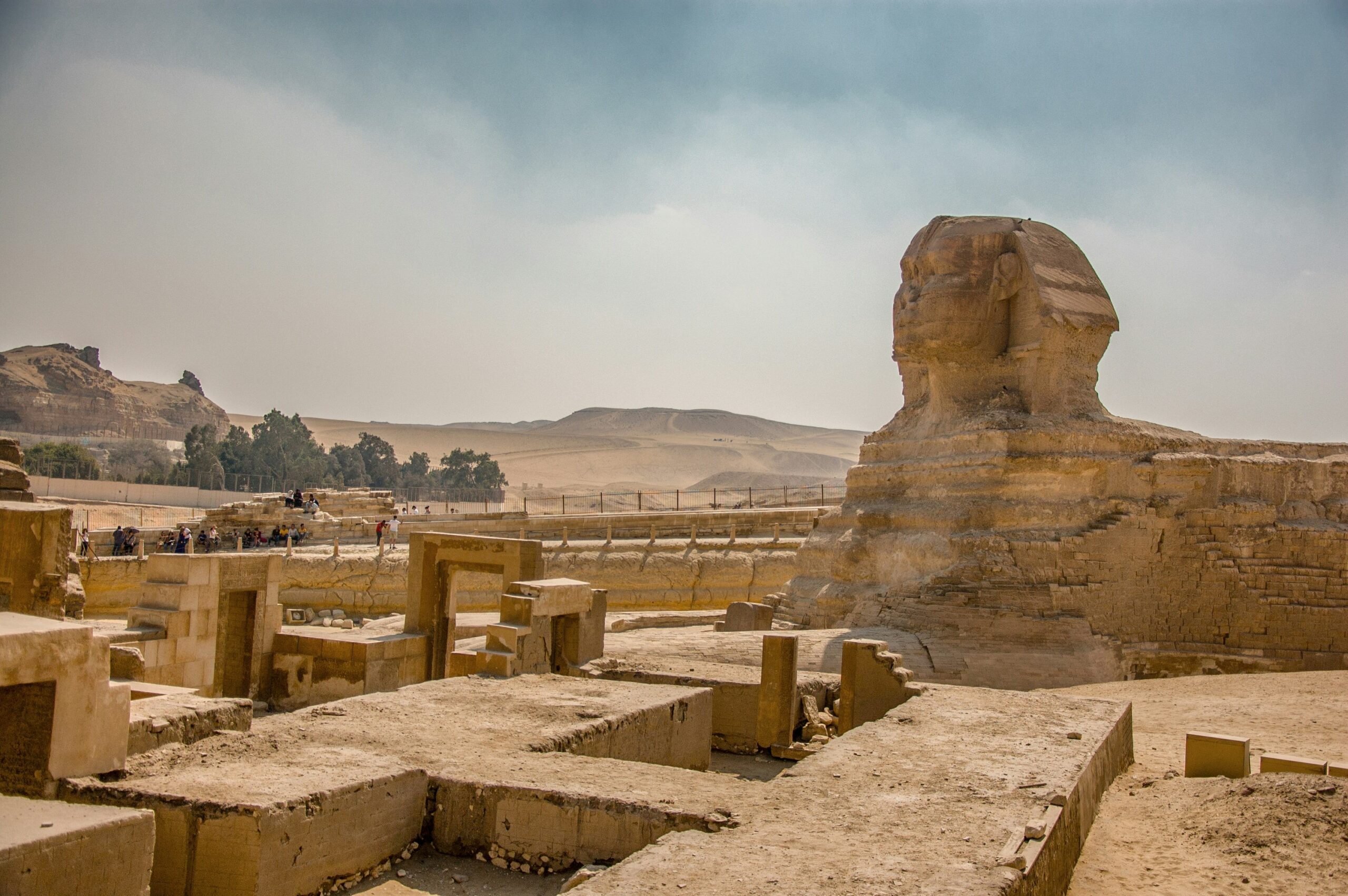
Archaeological digs, often associated with the meticulous excavation of ancient ruins, the deciphering of cryptic texts, or the careful dusting of delicate artifacts, are also increasingly becoming vital fronts in the battle against climate change. While the popular imagination might conjure images of Indiana Jones braving dusty tombs, a more pressing contemporary reality is unfolding beneath the earth: archaeologists are uncovering tangible, centuries-old evidence of extreme heat events that are eerily resonant with our current climate crisis. These discoveries are not merely historical footnotes; they are providing invaluable data, offering a long-term perspective on the Earth’s climate system and the profound impacts of elevated temperatures on past societies.
The earth, in its enduring geological and archaeological record, holds a trove of information about past climatic conditions. Layers of sediment, the chemical composition of ancient soils, the biological remains of extinct flora and fauna, and, crucially, the very fabric of human settlements all bear the imprint of the environmental forces that shaped them. When archaeologists meticulously unearth these remnants, they are often, unknowingly at first, sifting through a historical archive of climate change. The key lies in understanding the subtle, yet potent, signals that extreme heat events leave behind. These are not always dramatic, cataclysmic events that instantly erase civilizations, but rather persistent, gradual shifts that place immense stress on human populations, their food security, and their very way of life.
Telltale Signs in Sediment and Soil
Sedimentary layers are among the most robust archives of past environmental conditions. During periods of extreme heat and drought, hydrological cycles are disrupted, leading to significant changes in sedimentation patterns. For instance, increased aridity can result in the widespread deposition of fine-grained, wind-blown dust (loess) that can bury archaeological sites or alter their stratigraphy. Conversely, intense rainfall events, often a consequence of altered weather patterns exacerbated by heat, can lead to erosion, washing away delicate features and depositing debris in unexpected locations.
The Specter of Drought: Sediment Cores as Climate Indicators
Deep sediment cores, particularly those extracted from lake beds and ocean floors, act as invaluable long-term climate recorders. Within these cores, layers of pollen, charcoal, and stable isotopes can provide a detailed reconstruction of past temperatures and precipitation levels. Periods of sustained heat often correlate with a decline in moisture-retaining vegetation, indicated by a decrease in pollen from trees and an increase in pollen from drought-tolerant grasses and shrubs. The presence of charcoal, while not exclusively indicative of heat, can point to increased wildfire activity, a phenomenon frequently amplified by arid, hot conditions. Stable isotope analysis of organic matter and carbonates within these cores can reveal past temperatures with remarkable precision. For example, the ratio of oxygen isotopes in ancient lake sediments can directly reflect the temperature of the water body at the time of deposition.
Soil Chemistry and the Scars of Heat
The chemical composition of soils within and around archaeological sites can also offer clues about past heat stress. High temperatures can alter the decomposition rates of organic matter, leading to changes in soil carbon and nitrogen content. In extremely arid conditions, accelerated weathering of mineral components can also occur. While identifying direct chemical signatures of extreme heat can be challenging, when combined with other lines of evidence, such as the presence of heat-affected artifacts or the abandonment of settlements during known arid periods, soil chemistry can strengthen the case for climatic influence.
Biological Evidence: The Once-Living Clues
The biological remains found at archaeological sites are potent indicators of past environmental conditions, and extreme heat leaves its mark on both plant and animal life. The types of plant species that thrive or recede, the dietary habits of ancient populations, and the health of livestock can all provide evidence of climatic stress.
Paleoethnobotany: Reconstructing Ancient Diets and Landscapes
The study of plant remains (seeds, grains, charcoal from wood burning) recovered from archaeological sites, known as paleoethnobotany, is crucial. During periods of extreme heat and drought, agricultural yields would have plummeted. Archaeologists can identify shifts in the types of cultivated crops, perhaps seeing a move away from water-intensive grains towards more resilient, drought-tolerant species. The presence of wild edible plants that are known to thrive in hot, dry conditions can also increase in importance in the diet. Furthermore, shifts in the types of wood used for fuel can indicate resource scarcity or changes in the local vegetation driven by heat. For example, an increased reliance on smaller, faster-growing bushes rather than larger trees might suggest a decline in forest cover due to prolonged heat and water stress.
Zooarchaeology: Animal Remains and Their Environmental Context
Similarly, the analysis of animal bones (zooarchaeology) can shed light on past heat-related impacts. Changes in preferred hunting prey might reflect shifts in animal migration patterns forced by temperature increases. More critically, the health and abundance of domesticated animals would have been directly affected by heat. Evidence of dehydration, heatstroke, or a decline in livestock populations at certain periods could point to extreme heat events. The isotopes within animal bones can also reveal dietary changes, indicating if animals were forced to consume less nutritious, drought-resistant vegetation.
Extreme heat has significantly impacted archaeological findings, revealing how ancient civilizations adapted to changing climates. For instance, the study of ancient metallurgy techniques has shed light on the resilience of these societies in the face of extreme temperatures. A related article that delves into this fascinating topic is available at Uncovering Lost Ancient Metallurgy Techniques, which explores how the heat required for metalworking influenced the development of technologies and cultures throughout history.
Artifacts Under Pressure: The Material Culture of Heat
While often associated with art or technology, artifacts can also serve as silent, yet compelling, witnesses to the environmental pressures faced by past societies, including the impact of extreme heat. The very materials used, the techniques employed in their creation, and their subsequent deposition can all be influenced by climatic conditions.
The Transformation of Materials: Firing and Fading
The creation of many ancient artifacts, particularly ceramics and bricks, involved firing in kilns. Extreme heat, both ambient and intentionally generated, would have played a significant role in these processes. Conversely, prolonged exposure to high temperatures in the natural environment could also lead to the degradation of certain materials.
Ceramics and the Kiln’s Crucible: Evidence of Temperature Fluctuations
Pottery is a ubiquitous find at most archaeological sites, and its production can offer clues about past heat. The firing temperature of ceramics is directly related to the quality and durability of the finished product. Difficulties in achieving consistent, high firing temperatures due to fuel scarcity exacerbated by heat-induced vegetation decline could lead to weaker, less vitrified pottery. Conversely, evidence of overheating in kilns, perhaps a response to seeking the highest possible firing temperatures, could manifest as melted or warped pottery. The analysis of the chemical composition and physical structure of pottery shards, particularly through techniques like petrography, can reveal the firing conditions they experienced. Changes in firing traditions within a culture over time could be linked to environmental pressures, including heat.
Preserving the Past: Degradation and Distortion
Beyond their creation, artifacts are also subject to the ravages of time and environment. Extreme heat, particularly when coupled with desiccation, can lead to the embrittlement and disintegration of organic materials like textiles, wood, and leather. Inorganic materials, such as pigments on painted surfaces or glazes on pottery, can also fade or degrade under prolonged high temperatures and intense solar radiation. The condition of an artifact, therefore, can sometimes provide a clue to its depositional environment and the climatic conditions it has endured since being discarded.
Water Management and the Struggle Against Drought
Perhaps one of the most direct and significant impacts of extreme heat on human societies is the strain it places on water resources. Archaeological evidence of sophisticated water management systems, or their breakdown, can offer profound insights into how past populations coped with or succumbed to prolonged periods of drought.
Ancient Reservoirs and Aqueducts: Ingenuity in the Face of Scarcity
Many ancient civilizations developed impressive engineering feats to harness and manage water. The presence of large, well-maintained reservoirs, intricate canal systems, and underground aqueducts (like the ingenious qanats of Persia) are clear indicators of societies that anticipated and planned for periods of water scarcity. The size and complexity of these structures can often be correlated with the prevailing climatic conditions. During periods of prolonged drought and extreme heat, these systems would have been under immense pressure, and their continued operation, or conversely their abandonment, can be telling.
The Abandonment of Settlements: fleeing the Fray
Perhaps the most stark evidence of extreme heat’s impact is the abandonment of settlements. When prolonged droughts, coupled with persistent high temperatures, render an area unsustainable for agriculture and human habitation, populations are often forced to migrate. Archaeological evidence of sudden depopulation, the abrupt cessation of occupation at a site, or the discovery of hastily abandoned settlements can all point to environmental pressures. The timing of these abandonments, when correlated with paleoclimatic data indicating arid, hot periods, becomes particularly significant. The disarticulation of social structures that often accompanies such mass migrations can also be observed archaeologically.
Case Studies: Echoes Across Continents and Centuries
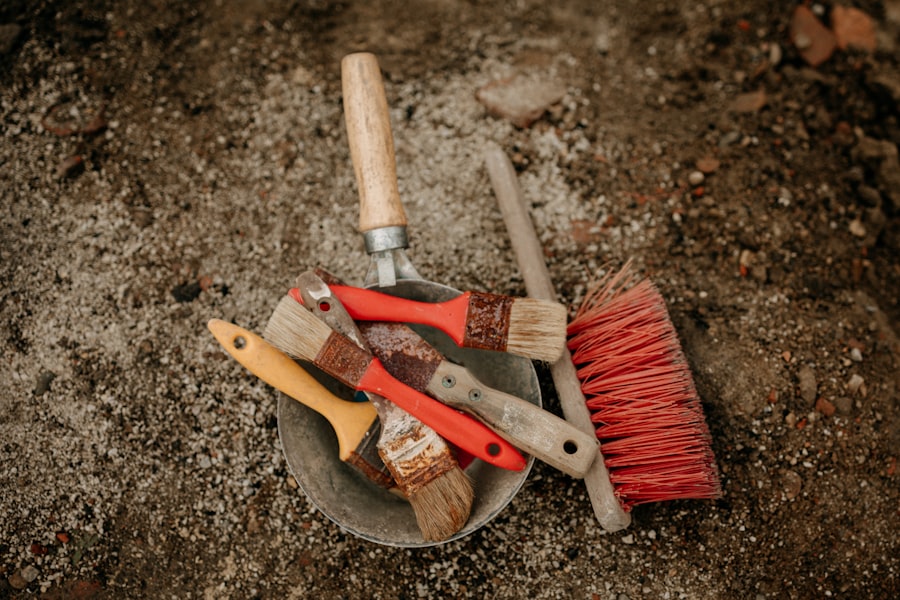
The archaeological record is replete with examples of past societies grappling with extreme heat. By studying these instances, we gain a deeper understanding of the potential consequences of our current warming trajectory.
Recent studies in extreme heat evidence archaeology have shed light on how ancient civilizations adapted to changing climates. These findings are crucial for understanding the resilience of past societies in the face of environmental challenges. For a deeper exploration of this topic, you can read more about the role of paleoclimate data in uncovering ancient civilizations in this insightful article on paleoclimate data. This research not only highlights the impact of extreme temperatures on human history but also offers valuable lessons for contemporary society.
The Maya Collapse: A Multi-Faceted Environmental Crisis
The decline of classic Maya civilization in Mesoamerica, a process that spanned several centuries, is widely understood to have been driven, in significant part, by prolonged periods of intense drought and extreme heat. Archaeological evidence, including the analysis of lake sediment cores, has revealed multiple severe drought events between 800 and 1000 CE.
Paleoclimatic Reconstructions and Settlement Patterns
Studies of lake sediments in the Maya region have provided robust evidence of severe, multi-year droughts during the Classic Maya period. These drying events coincided with a significant decline in Maya monumental construction, population aggregation, and the eventual abandonment of major urban centers. The analysis of pollen within these cores shows a shift towards more drought-tolerant vegetation, indicating landscape-level changes.
Water Management and the Limits of Resilience
The Maya were highly skilled water managers, constructing vast reservoirs and intricate canal systems to sustain their large urban populations. However, these systems, while impressive, ultimately proved insufficient to withstand the prolonged and extreme nature of the droughts. Archaeological evidence of depleted reservoirs and the breakdown of water distribution networks points to the limits of their resilience. The study of Maya glyptic inscriptions also contains references to drought and the appeasement of rain deities, further underscoring the societal impact of water scarcity.
The Bronze Age Collapse: A Climate-Driven Unraveling
The widespread collapse of Late Bronze Age civilizations around the Mediterranean and Near East, occurring roughly between 1200 and 1150 BCE, is another compelling example of a complex societal unraveling where climate change, including extreme heat and drought, played a pivotal role.
Shifting Agricultural Landscapes and Resource Competition
Paleoclimatic reconstructions for this period indicate a significant aridification and cooling trend, but also likely punctuated by intense heat waves and prolonged droughts. This would have severely impacted agriculture, leading to crop failures, famine, and increased competition for dwindling resources. Archaeological evidence from numerous sites shows evidence of settlement abandonment, destruction layers, and a general decline in complex societal structures.
The Interconnectedness of Collapse: Trade Routes and Social Unrest
The Bronze Age collapse was not solely a climatic event. It involved a complex interplay of factors, including invasions, internal revolts, and the breakdown of long-distance trade networks. However, the environmental stress likely acted as a significant catalyst, exacerbating existing social and political tensions. When essential resources like water and food became scarce due to extreme heat, existing societal fragilities were amplified, leading to a cascading collapse of interconnected civilizations. The archaeological record shows a retreat to more defensible, smaller settlements, suggesting a breakdown of central authority and increased insecurity.
Decoding the Future: Lessons from the Anthropocene’s Past
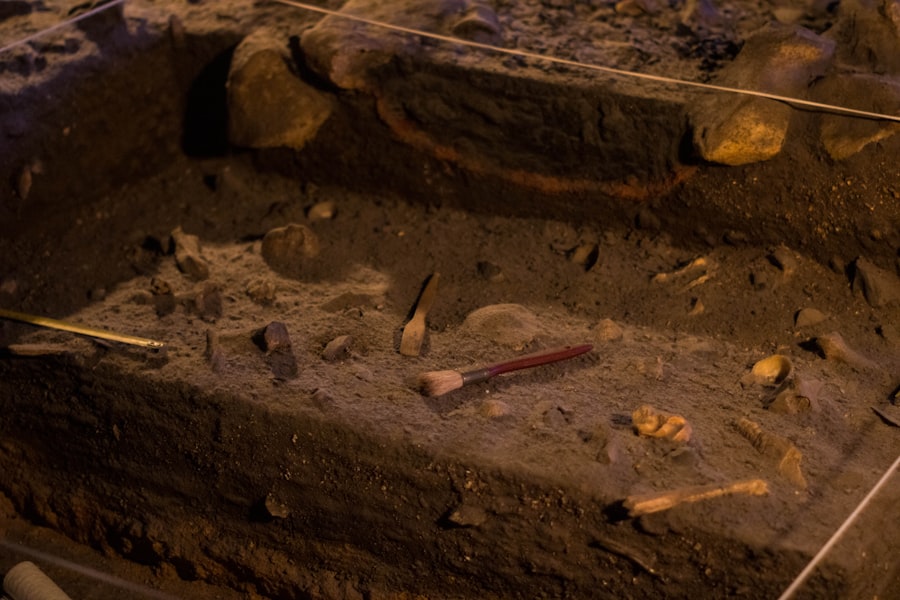
The archaeological evidence of past extreme heat events is not merely academic curiosity. It is a vital and stark reminder of humanity’s vulnerability to climatic shifts and offers invaluable lessons for our present and future.
The Anthropocene’s Echo: Modern Parallels and Warnings
The human-induced climate change we are currently experiencing, characterized by rising global temperatures and an increase in the frequency and intensity of extreme heat events, has profound parallels with the environmental pressures faced by past societies. The archaeological record provides concrete examples of how such stresses can lead to societal disruption, migration, and, in some cases, collapse. Understanding the mechanisms by which past societies responded – their successes and their failures – can inform our own adaptive strategies.
Vulnerability and Resilience: A Constant Tension
The case studies of the Maya and the Bronze Age collapse highlight the inherent tension between vulnerability and resilience in human societies facing environmental change. While past societies demonstrated remarkable ingenuity in adapting to their environments, there were limits to their resilience, particularly when faced with prolonged and extreme climatic shifts. Our modern technological capacity offers potential advantages, but also presents new forms of vulnerability, such as our reliance on complex, interconnected systems.
The Imperative of Understanding: Archaeology as a Climate Science Tool
Archaeology, therefore, is no longer solely a discipline focused on understanding the past for its own sake. It is an essential component of climate science, providing crucial long-term data and real-world analogues. By integrating archaeological findings with paleoclimatic reconstructions and modern climate modeling, we can develop more accurate predictions of future climate impacts and design more effective adaptation and mitigation strategies. The silent witnesses unearthed from the earth are not just stories of bygone eras; they are urgent messages for our present. The more we learn from how past societies navigated the extreme heat of their times, the better equipped we might be to face the hotter future that awaits us.

What Heated These Minerals? (The Abu Hureyra Mystery)
FAQs
What is extreme heat evidence archaeology?
Extreme heat evidence archaeology refers to the study of archaeological evidence that indicates past instances of extreme heat, such as wildfires, volcanic eruptions, or other natural disasters. This evidence can include charred remains of buildings, artifacts, or plant material, as well as changes in soil composition and other environmental indicators.
How do archaeologists identify evidence of extreme heat?
Archaeologists identify evidence of extreme heat through a variety of methods, including the analysis of charred materials, such as wood, bone, and plant remains. They also look for changes in soil color and composition, as well as evidence of rapid destruction or abandonment of settlements. Additionally, they may use scientific techniques such as radiocarbon dating and microscopic analysis to confirm the presence of extreme heat.
What can extreme heat evidence tell us about the past?
Extreme heat evidence can provide valuable insights into past environmental conditions and the impact of natural disasters on human societies. It can help researchers understand how past communities coped with and adapted to extreme heat events, as well as the long-term effects on settlement patterns, agriculture, and cultural practices.
Where have significant findings of extreme heat evidence been made?
Significant findings of extreme heat evidence have been made in various parts of the world, including regions prone to wildfires, volcanic activity, and other natural disasters. For example, evidence of extreme heat has been found in archaeological sites in the Mediterranean, the Americas, and Asia, where past volcanic eruptions, wildfires, and other extreme heat events have left their mark on the landscape.
What are the implications of extreme heat evidence archaeology for modern society?
Studying extreme heat evidence in archaeology can provide important lessons for modern society in terms of understanding and preparing for the impact of extreme heat events. By examining how past communities coped with and adapted to extreme heat, researchers can gain insights into strategies for resilience and mitigation in the face of climate change and other environmental challenges.