Uncovering Family Secrets with Ancient DNA
The allure of familial connection, of tracing one’s lineage back through the mists of time, has captivated humanity for centuries. For generations, this pursuit has relied on dusty family Bibles, faded photographs, and the often-unreliable narratives passed down through oral tradition. However, a revolutionary new tool has emerged from the scientific frontier, one that promises to unearth secrets buried not just in attics, but in the very fabric of our ancient ancestors: ancient DNA. This powerful technology, once the stuff of science fiction, is now accessible to genealogists and casual researchers alike, offering an unprecedented glimpse into the lives and relationships of those who came before us. It’s a journey of discovery, not just of names and dates, but of migration patterns, forgotten branches of the family tree, and even the biological realities that shaped our genetic heritage.
The ability to extract and analyze DNA from ancient remains is a relatively recent scientific breakthrough, born from decades of research in molecular biology and archaeology. Initially, the degradation of DNA over millennia presented a formidable hurdle. DNA, a complex molecule, is fragile and prone to breaking down due to environmental factors like heat, moisture, and microbial activity. However, advancements in techniques for extracting and amplifying even minute fragments of degraded DNA have made it possible to reconstruct genetic profiles from samples that are thousands, and in some cases, tens of thousands of years old.
The Art of Extraction: Unlocking the Past
The process begins with meticulous collection of ancient biological material. This can include bone fragments, teeth, hair, or even preserved soft tissues. The success of extraction hinges on the preservation of the sample, with colder, drier environments generally yielding better results. Once a suitable sample is obtained, it undergoes a series of chemical treatments designed to isolate the precious DNA molecules from the surrounding matrix. This is a delicate operation, as contamination from modern DNA must be scrupulously avoided. Sophisticated laboratory protocols, often involving cleanrooms and specialized reagents, are employed to ensure the integrity of the ancient genetic material.
Amplification and Sequencing: Reading the Genetic Story
Once extracted, the ancient DNA is often present in very small quantities. To analyze it, scientists use a technique called Polymerase Chain Reaction (PCR) to amplify specific regions of the DNA. This essentially creates millions of copies of the original fragments, making them detectable. Following amplification, the DNA sequences are read using advanced sequencing technologies. These technologies, which have become significantly faster and cheaper in recent years, can determine the order of the nucleotide bases (A, T, C, and G) that make up the DNA. This sequence is the genetic blueprint, holding the key to an individual’s genetic makeup.
Challenges and Ethical Considerations: Navigating New Frontiers
While the potential of ancient DNA is immense, the field is not without its challenges. The degradation of DNA means that complete genomes are not always recoverable, and sometimes only specific regions can be analyzed. Furthermore, the interpretation of ancient DNA data requires careful consideration of factors such as contamination, degradation patterns, and the potential for ancient DNA to be mixed with more recent DNA. Ethically, the use of ancient DNA also raises questions about the rights of descendant communities, intellectual property, and the respectful handling of human remains. Ongoing dialogue and collaboration with indigenous groups and relevant stakeholders are crucial to ensure responsible and ethical advancement in this field.
In exploring the fascinating implications of ancient DNA research, one might also consider how modern advancements in technology are reshaping industries today. A related article discusses Mexico’s growing role in electric vehicle manufacturing, highlighting the intersection of innovation and sustainability in contemporary society. For more insights on this topic, you can read the article here: Mexico’s Growing Role in Electric Vehicle Manufacturing.
Beyond the Family Tree: What Ancient DNA Can Reveal
The impact of ancient DNA analysis extends far beyond simply confirming or refuting familial relationships. It offers a profound window into human history, migration, and adaptation. For genealogists, it provides a powerful new layer of evidence to complement traditional research, allowing for the identification of heretofore unknown relatives and the resolution of long-standing genealogical mysteries.
Unraveling Migration Patterns: Journeys Through Time
Ancient DNA is a powerful tool for tracking the movements of ancient populations. By analyzing the genetic signatures of individuals from different time periods and geographical locations, scientists can piece together the complex patterns of human migration that have shaped the genetic landscape of the world. This can reveal how our ancestors spread across continents, their interactions with other groups, and the routes they took. For a family historian, understanding these broader migration trends can provide context for their own family’s journey, explaining why their ancestors may have ended up in a particular region.
Identifying Ancestral Origins: A Global Tapestry
Ancient DNA analysis can provide insights into the ancestral origins of individuals and populations. By comparing the genetic material of ancient individuals to modern populations, researchers can identify which present-day groups share the closest genetic links. This can help to pinpoint the ancestral homelands of specific lineages, offering a deeper understanding of where our ancestors came from and the ancient populations with whom they intermingled. This is particularly useful when traditional records are sparse or non-existent.
Understanding Ancient Health and Diet: A Biological Snapshot
The DNA of ancient individuals can also carry information about their health and diet. For example, certain genetic predispositions to diseases can be identified, offering clues about the health challenges faced by ancient populations. Additionally, analysis of ancient tooth enamel or bone can sometimes reveal dietary habits, providing a glimpse into the food sources and agricultural practices of the past. While not directly genealogical, these insights contribute to a holistic understanding of the lives our ancestors lived.
The Advent of Consumer Genetic Testing: Bringing Ancient DNA Home
The accessibility of genetic testing has exploded in recent years, moving from specialized research labs into the hands of the general public. Companies now offer direct-to-consumer genetic testing kits that provide a wealth of information about an individual’s ancestry, health predispositions, and even their relationship to Neanderthals. This democratization of genetic data has opened up new avenues for family historians to explore their lineage in ways previously unimaginable.
Autosomal DNA Testing: Mapping the Modern Connections
The most common type of consumer genetic testing utilizes autosomal DNA. This is the DNA found in the nucleus of our cells, inherited equally from both parents. Autosomal DNA tests compare an individual’s autosomal DNA to a database of other test-takers, identifying shared segments of DNA. These shared segments are indicative of a recent common ancestor. The more DNA shared, the closer the relationship. These tests are excellent for discovering cousins and tracing recent ancestry, often providing matches to people within the last few generations.
Y-DNA and mtDNA Testing: Tracing Deeper Paternal and Maternal Lines
Beyond autosomal DNA, there are specialized tests that delve deeper into specific ancestral lines. Y-DNA testing, which follows the paternal line (father to son), and mitochondrial DNA (mtDNA) testing, which follows the maternal line (mother to child, through all children), can trace ancestry back thousands of years. While these tests do not provide a broad overview of all ancestral connections, they are invaluable for identifying distant relatives who share the same paternal or maternal ancestor and for understanding ancient migration patterns of these specific lineages.
Interpreting the Results: Connecting the Dots
Interpreting genetic testing results can be a complex but rewarding process. While companies provide tools to visualize matches and estimated relationships, it often requires genealogical research to confirm these connections. Connecting DNA matches with individuals found through traditional research can be a powerful way to validate findings and unlock new branches of the family tree. This is where the real detective work begins, integrating genetic clues with historical documents and family stories.
Unearthing Hidden Relatives and Resolving Family Mysteries

For many, the most compelling application of ancient DNA in genealogy is its ability to uncover previously unknown relatives and resolve long-standing family mysteries. Traditional genealogical research can hit roadblocks due to lost records, illegitimacy, or adopted family members. Genetic genealogy offers a way to bypass these obstacles and find the missing pieces of the puzzle.
The Power of the Unknown Match: Discovering Distant Cousins
One of the most exciting aspects of DNA testing is the discovery of unexpected matches. These “unknown matches” can be distant cousins, perhaps from a branch of the family that has been lost to time or never documented. By collaborating with these matches, researchers can share information, compare family trees, and collectively build a more complete picture of their shared ancestry. This collaborative aspect is a cornerstone of modern genealogical research powered by DNA.
Solving Adoption and Illegitimacy Mysteries: Bridging the Gaps
Genetic genealogy has proven to be a life-changing tool for individuals who were adopted or whose parentage was unclear. By testing, adoptees can connect with biological relatives, potentially discovering their birth parents, siblings, and extended family. Similarly, DNA can help resolve questions of illegitimacy, revealing biological fathers or mothers whose identities were previously unknown. This aspect of genetic genealogy offers profound emotional and personal resolution for many.
Identifying Ancestral Errors: Rectifying the Record
Sometimes, traditional genealogical research, while diligently pursued, can lead to incorrect conclusions. Ancient DNA can serve as a powerful verification tool, confirming or refuting documented relationships. It can also highlight errors in existing family trees, prompting researchers to re-examine their evidence and correct the historical record. This scientific validation can bring a new level of accuracy and confidence to family histories.
Recent studies in ancient DNA have uncovered fascinating family secrets that shed light on our ancestral past. These revelations not only deepen our understanding of human history but also connect to broader themes of exploration and discovery. For instance, the article on the moon as the ultimate high ground for exploration discusses how advancements in technology and research can lead to significant breakthroughs in various fields. You can read more about this intriguing connection in the article here.
The Future of Genetic Genealogy: A Continually Evolving Field
| Metric | Value | Description |
|---|---|---|
| Sample Age | 4,500 years | Estimated age of the ancient DNA samples analyzed |
| Number of Individuals Tested | 12 | Total number of ancient individuals whose DNA was sequenced |
| Genetic Markers Analyzed | 1,200 | Number of specific DNA markers used to determine familial relationships |
| Identified Family Relationship | Parent-Child | Type of family secret revealed by the DNA analysis |
| Contamination Rate | 2% | Estimated contamination level in the ancient DNA samples |
| Sequencing Coverage | 15x | Average depth of DNA sequencing coverage per sample |
| Geographic Origin | Central Europe | Region where the ancient DNA samples were recovered |
The field of genetic genealogy is still in its nascent stages, and the pace of innovation is remarkable. As technology advances and databases grow, the ability to uncover family secrets with ancient DNA will only become more sophisticated and impactful.
Expanding Databases and Improved Algorithms: Enhancing Accuracy
The more individuals who participate in genetic testing, the larger and more diverse the genetic databases become. This increased data allows for more precise matching and a greater ability to identify relationships across a wider spectrum of the population. Furthermore, ongoing advancements in algorithms and analytical tools are continuously improving the accuracy of relationship estimations and the interpretation of genetic data.
Integration with Historical Records: A Synergistic Approach
The true power of genetic genealogy lies in its synergistic relationship with traditional genealogical research. As DNA testing becomes more widespread, its integration with historical documents, census records, and other genealogical resources will become increasingly seamless. This combined approach will allow for a richer, more nuanced understanding of our ancestors and the stories they left behind.
The Ethical Landscape: Navigating the Path Forward
As ancient DNA analysis becomes more prevalent, so too does the importance of addressing the ethical considerations that accompany it. Ongoing discussions about data privacy, consent, and the respectful use of genetic information will shape the future of the field. Responsible innovation and a commitment to ethical practices are paramount to ensuring that this powerful tool is used for the benefit of individuals and communities. The journey to uncover family secrets with ancient DNA is not just about finding names; it’s about understanding our shared human story, one genetic strand at a time.
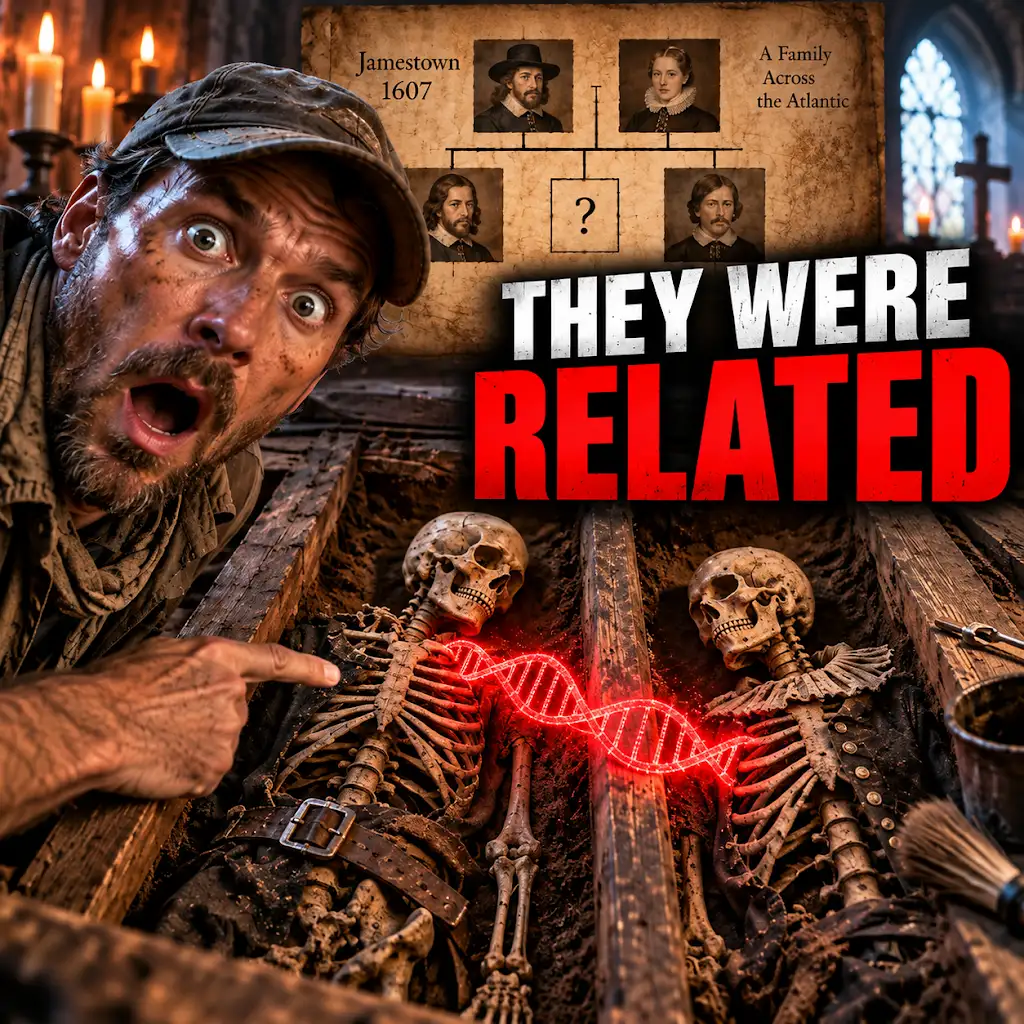
Jamestown DNA Revealed a Family Secret Hidden for 400 Years
FAQs
What is ancient DNA analysis?
Ancient DNA analysis is a scientific technique used to study and analyze genetic material extracted from ancient remains, such as bones, teeth, or hair, to learn more about the genetic makeup of past populations.
How is ancient DNA extracted from remains?
Ancient DNA is extracted from remains using specialized techniques that involve carefully collecting samples, isolating the DNA, and amplifying it through a process called polymerase chain reaction (PCR) to generate enough material for analysis.
What can ancient DNA reveal about family relationships?
Ancient DNA can reveal information about family relationships, such as parentage, sibling relationships, and genetic connections between individuals, providing insights into the genetic history and ancestry of ancient populations.
What was the family secret revealed by ancient DNA in the article?
The family secret revealed by ancient DNA in the article was the discovery of a previously unknown sibling relationship between two individuals buried in a shared grave, indicating a hidden family connection that was not previously known or documented.
What are the implications of using ancient DNA in genealogical research?
The use of ancient DNA in genealogical research can provide valuable insights into family histories, genetic relationships, and population migrations, helping to uncover hidden connections and shed light on the genetic diversity and ancestry of past populations.