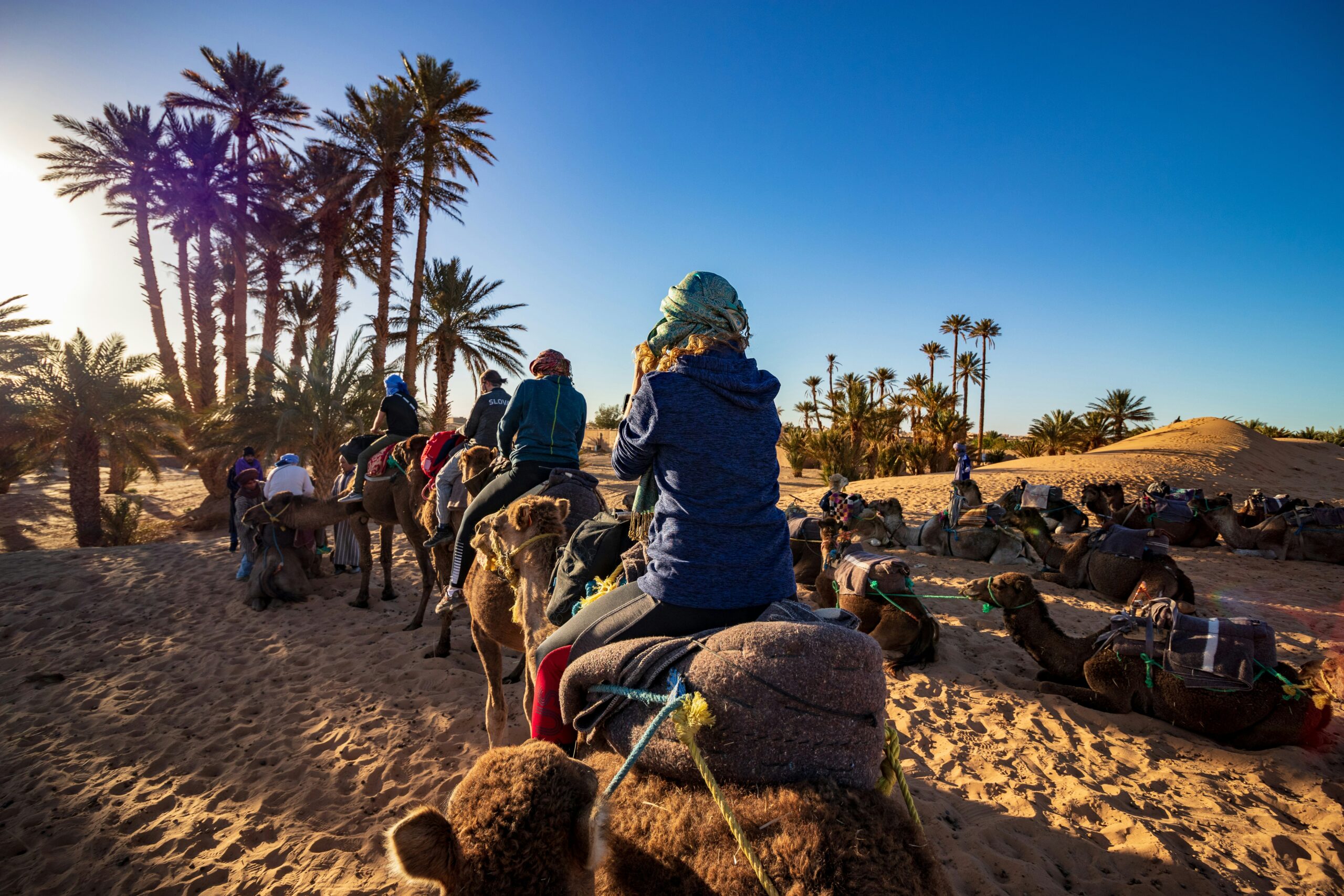
The Sahara Desert, a vast and inhospitable expanse, has long held an aura of mystery and immutability. Its endless dunes and scorching sun have often been perceived as eternal, a landscape untouched by the ebb and flow of human civilization. Yet, beneath this seemingly static surface lies a rich and forgotten history, a testament to the dynamic past of what is now the world’s largest hot desert. Uncovering these secrets requires delving into ancient landscapes, deciphering obscure inscriptions, and piecing together fragments of lost cultures. The Sahara is not merely a barrier; it was once a vibrant cradle of life, trade, and innovation, its stories waiting to be unearthed by persistent inquiry.
For much of recorded human history, the Sahara has been synonymous with aridity. However, archaeological and geological evidence points to cyclical periods of significantly wetter climates, known as the African Humid Periods or Saharan “Green Periods.” These were epochs when the desert transformed into a savannna-like environment, supporting diverse flora and fauna, and enabling human settlements to flourish.
The Holocene Humid Period: A Lost Oasis
The most recent and well-documented of these green periods occurred roughly between 11,000 and 5,000 years ago, coinciding with the early Holocene epoch. During this time, monsoon rains extended further north, transforming the Sahara from an arid wasteland into a region characterized by lakes, rivers, and grasslands.
Evidence from Paleoclimatology and Paleontology
Scientists infer these climatic shifts through various scientific disciplines. Paleoclimatology, the study of past climates, analyzes geological records such as lake sediments, speleothems (cave formations), and pollen analysis. These records reveal traces of freshwater environments, changes in plant life, and distinct atmospheric conditions that indicate significantly higher rainfall. Paleontology offers further insights. The discovery of fossils of aquatic animals, such as fish and crocodiles, alongside land mammals like elephants and giraffes in areas now devoid of surface water, directly points to a drastically different ecological past. These faunal remains are not isolated anomalies; they form a consistent pattern across vast swathes of what is now the Sahara.
The Human Footprint in a Wetter Sahara
The presence of abundant water and vegetation naturally attracted early human populations. Archaeological sites from this era are scattered throughout the Sahara, revealing evidence of hunter-gatherer societies who capitalized on the rich ecosystems.
Early Hunter-Gatherer Settlements
These early inhabitants left behind a wealth of material culture. Excavations have unearthed sophisticated stone tools, bone implements, and abundant evidence of animal hunting. Rock art, a prominent feature of Saharan archaeology, provides vivid snapshots of these ancient lives. Depictions of abundant wildlife, human activities like hunting and fishing, and even scenes of what appear to be cattle herding, offer a tangible connection to a life lived on the edge of a verdant landscape. Dating these rock shelters and open-air sites has confirmed their occupation during these wetter phases, solidifying the link between climate and human presence.
The Dawn of Pastoralism
Perhaps the most significant human development during these green periods was the transition to pastoralism, the herding of domesticated animals. Evidence suggests that cattle were first domesticated in Northeast Africa and gradually spread. Rock art from the Sahara frequently depicts large herds of cattle, indicating that livestock played a central role in the economy and social structure of these communities. This shift from pure hunting and gathering to animal husbandry represented a monumental step in human societal development, with the Saharan environment providing the necessary grazing land and water sources.
The forgotten history of the Sahara is a captivating topic that reveals the region’s rich past, including ancient civilizations and lost cultures that once thrived in its vast landscapes. For those interested in exploring more about the mysteries of ancient artifacts and the intriguing stories they tell, I recommend reading the article on unexplained ancient artifacts, which delves into various historical enigmas from around the world. You can find it here: Unexplained Ancient Artifacts: Mysteries of the Past.
Echoes of Ancient Trade Routes: The Sahara as a Crossroads
Beneath the sands, the Sahara whispers tales of ancient arteries of commerce. Far from being a barrier, the desert’s vastness was once traversed by intricate networks of trade routes that connected disparate cultures and facilitated the exchange of goods, ideas, and technologies across continents.
The Trans-Saharan Trade: A Historic Lifeline
The most iconic of these were the Trans-Saharan trade routes, a complex system of overland caravan paths that, for millennia, linked sub-Saharan Africa with North Africa and, by extension, the Mediterranean world and beyond.
Goods and Commodities in Transit
The commodities traded were diverse and reflected the unique resources of each region. From the south came valuable goods such as gold, ivory, slaves, ostrich feathers, and kola nuts. In return, the North African and Mediterranean regions supplied salt, textiles, manufactured goods, horses, swords, and dates. The control and taxation of these trade routes brought considerable wealth and power to various empires that rose and fell along their paths.
The Camel’s Revolution
The advent and widespread adoption of the camel, particularly the dromedary, were crucial catalysts for the development and sustainability of large-scale trans-Saharan trade. These “ships of the desert” possessed remarkable adaptations for arid environments, including the ability to store water, navigate sandy terrain, and endure long journeys with minimal sustenance. Their introduction revolutionized long-distance travel and commerce, transforming the Sahara into a traversable, albeit challenging, passage rather than an impassable void. Caravans could now carry heavier loads for longer distances, making the exchange of bulk goods feasible.
Empires Built on Tribute and Trade
The lucrative nature of trans-Saharan trade fueled the rise and prosperity of powerful empires in both the Sahelian belt south of the Sahara and in North Africa.
The Ghana Empire’s Golden Age
The Ghana Empire, flourishing between the 6th and 13th centuries CE in modern-day Mauritania and Mali, is a prime example. Its wealth was largely derived from controlling the gold trade, particularly the mines of the Wangara region, and exacting tolls on the caravans passing through its territory. Later empires, such as the Mali Empire (13th-16th centuries) and the Songhai Empire (15th-16th centuries), built upon this foundation, further solidifying the Sahara’s role as a conduit for immense economic and political power. Their rulers, like Mansa Musa of Mali, were renowned for their vast wealth, much of which was accumulated through the management of these trans-Saharan networks.
The Legacy of Timbuktu and Djenné
Cities like Timbuktu and Djenné, situated on the southern fringes of the Sahara, became legendary centers of trade, scholarship, and Islamic learning. Timbuktu, in particular, was a vibrant nexus where merchants from across the Sahara converged, exchanging goods and ideas. Its famed libraries and universities attracted scholars from far and wide, making it a beacon of intellectual and cultural activity. The remnants of these grand trading cities, with their impressive mosque architecture and tantalizing echoes of past grandeur, serve as powerful reminders of the Sahara’s historical significance as a hub of human interaction.
Lost Cities and Submerged Civilizations: Whispers Beneath the Sand

The Sahara, often perceived as a place of only temporary encampments, concealed the remains of substantial settlements and even entire civilizations. Shifting sands have acted as both a destroyer and a preserver, burying urban centers and revealing them only through the relentless action of time and wind.
Archaeological Discoveries of Ancient Urbanism
Modern archaeological expeditions, aided by advanced remote sensing technologies like satellite imagery and ground-penetrating radar, have unveiled the substantial urban footprints of forgotten societies.
The Garamantes of Fezzan
One of the most remarkable discoveries has been the civilization of the Garamantes, who flourished in the Fezzan region of modern-day Libya from around 500 BCE to 700 CE. They were masters of irrigation, developing a sophisticated underground network of foggara (ancient irrigation tunnels) that allowed them to cultivate land in the hyper-arid desert.
The Foggara System: Engineering Ingenuity
This ingenious system, originating in Persia, allowed the Garamantes to tap into underground water sources and channel it to their settlements and agricultural fields, creating fertile oases in the midst of desolation. Excavations have uncovered impressive fortified cities, elaborate tombs, and evidence of extensive trade networks, revealing a society that was not only adapted to the harsh desert environment but thrived within it. Their ability to sustain relatively large populations and complex societies through sophisticated water management stands as a testament to human ingenuity.
The Roman Connection and Decline
The Garamantes engaged in trade with the Roman Empire, supplying slaves and exotic goods. Roman sources mention them, and archaeological finds, including Roman coins and pottery, attest to this interaction. However, their civilization eventually declined, likely due to a combination of factors including climatic shifts, the rise of new political powers, and potentially the depletion of their water resources over time. The ruins of their cities, like Germa, stand as silent monuments to their forgotten achievements.
Other Submerged Settlements
Beyond the Garamantes, numerous other sites across the Sahara hint at lost urbanism. In the Tassili n’Ajjer region of Algeria, for instance, extensive rock art suggests sedentary populations and possibly settled communities that have since vanished, leaving behind only their painted stories on cave walls. Satellite imagery has also revealed faint rectilinear patterns beneath the sands, indicative of buried settlements or agricultural landscapes that await careful excavation. These discoveries challenge the narrative of the Sahara as a perpetual void, suggesting it was once dotted with vibrant centers of human activity.
The Sahara’s Artistic Heritage: Rock Art as a Historical Chronicle

The Sahara is an unparalleled open-air museum, its rocky outcrops and cave walls adorned with an astonishing array of rock art. These ancient etchings and paintings are not mere decorations; they are invaluable historical documents, offering a visual chronicle of human life, beliefs, and the changing environment of the desert over millennia.
A Kaleidoscope of Saharan Narratives
The sheer scale and diversity of Saharan rock art are breathtaking, spanning vast geographical areas and dating back tens of thousands of years.
The Tassili n’Ajjer: A Masterpiece of Prehistoric Art
The Tassili n’Ajjer plateau in southeastern Algeria is particularly renowned, with an estimated tens of thousands of engravings and paintings spread across hundreds of sites. The art here is categorized into distinct periods, each reflecting different cultural phases and environmental conditions.
The “Round Head” Period: Mystical and Symbolic Imagery
The oldest known phases, often referred to as the “Round Head” period, feature abstract and often anthropomorphic figures with large, round heads. These may represent early spiritual or ritualistic expressions, hinting at a complex belief system that predates written records. The style is highly symbolic and enigmatic, prompting much scholarly debate about their precise meaning.
The “Bovidian” Period: Life in a Green Sahara
Following this, the “Bovidian” period, dating from the 5th to the 3rd millennium BCE, is characterized by the depiction of abundant domestic cattle. As discussed earlier, this artistic bounty coincides with the wetter Saharan Green Periods, and the art vividly illustrates pastoral life, hunting scenes, and the diverse fauna that inhabited the landscape. The detailed rendering of cattle suggests their immense importance to these societies.
The “Horse Period” and “Camel Period”: Shifting Tropes and Technologies
Later periods reflect the introduction and dominance of the horse and then the camel. The “Horse Period” shows chariots and mounted warriors, indicative of a more militaristic society, likely influenced by external contacts. The final major phase, the “Camel Period,” depicts the arrival and impact of the camel, mirroring the transformation of Saharan mobility and trade. The art effectively becomes a historical timeline, chronicling technological advancements and societal shifts.
Beyond Tassili: A Continent-Wide Canvas
Similar rock art traditions are found throughout the Sahara, from the Atlas Mountains to the Sudanic regions and across to the Red Sea. Each region, while possessing its unique stylistic nuances, contributes to the overarching narrative of Saharan human history. These artistic legacies offer the most direct and intimate glimpse into the lives of people who once lived, adapted, and thrived in this now-desolate land.
The forgotten history of the Sahara is a fascinating topic that reveals the rich cultural and economic exchanges that once flourished in this vast desert. For those interested in exploring how ancient trade routes shaped civilizations, a related article offers insights into the historical significance of trade in different regions. You can read more about this intriguing subject in the article available here. Understanding these connections can shed light on the Sahara’s role in the broader narrative of human history.
The Saharan Legacy: Resilience, Adaptation, and Rediscovery
| Event | Details |
|---|---|
| Green Sahara Period | Between 10,000 and 5,000 years ago, the Sahara was a fertile region with lakes, rivers, and vegetation. |
| Rock Art | The Sahara is home to numerous rock art sites, depicting the life and culture of ancient inhabitants. |
| Trans-Saharan Trade | For centuries, the Sahara served as a trade route connecting North Africa to sub-Saharan Africa. |
| Lost Civilizations | Several ancient civilizations, such as the Garamantes and the Saharan Berbers, thrived in the Sahara before being forgotten by history. |
The forgotten history of the Sahara is not just about lost civilizations or ancient trade routes; it is a profound story of human resilience and adaptability in the face of extreme environmental change. The secrets unearthed beneath the sand offer crucial lessons for our present and future.
Lessons from a Dynamic Past
The cyclical nature of the Saharan climate demonstrates that environments are not static. Understanding these past transformations can provide valuable insights into Earth’s climatic history and help us better predict future changes.
Climate Change and Human Adaptation
The transition from verdant savanna to arid desert was a gradual but profound ecological shift that forced populations to migrate, adapt their subsistence strategies, or disappear. The success of the Garamantes in creating oases through sophisticated engineering, or the ingenuity of early pastoralists, highlights the remarkable capacity of humans to innovate and survive. This historical record serves as a powerful reminder of how human societies are intimately intertwined with their environment and the imperative to adapt to changing conditions.
Preserving a Fragile Heritage
The ongoing threats to Saharan heritage – from natural erosion and climate change to human activities like looting and unregulated tourism – underscore the urgency of preservation efforts. Many archaeological sites are vulnerable, and much remains undiscovered, threatened by the ever-shifting sands or development. International cooperation and local engagement are crucial to protecting these irreplaceable remnants of our shared past.
The Role of Modern Technology in Unearthing the Past
Technologies like satellite imagery, drone surveys, and geophysical prospection are revolutionizing our ability to locate and map hidden sites without disturbing the fragile desert environment. These tools allow researchers to identify potential areas of interest, guiding more targeted and less invasive excavations.
The Future of Saharan Exploration
The Sahara continues to yield its secrets, promising further revelations about the depth and complexity of human history in Africa. As research progresses and new technologies emerge, our understanding of this vast and enigmatic region will undoubtedly deepen, cementing the Sahara’s place not as a void, but as a vibrant and essential chapter in the human story. The journey of uncovering forgotten history in the Sahara is far from over; it is an ongoing testament to the enduring power of human endeavor and the profound lessons hidden within the ancient landscapes.

The Ancient World Buried Beneath the Sahara
FAQs
What is the forgotten history of the Sahara?
The forgotten history of the Sahara refers to the rich and diverse history of the Sahara desert region, which has often been overlooked or neglected in mainstream historical narratives.
What are some key historical events and civilizations associated with the Sahara?
The Sahara has been home to several ancient civilizations and empires, including the Garamantes, the Kingdom of Ghana, the Mali Empire, and the Kanem-Bornu Empire. Additionally, the Sahara served as a crucial trade route for the trans-Saharan trade, connecting sub-Saharan Africa with the Mediterranean world.
How has the Sahara’s climate and environment changed over time?
The Sahara has experienced significant climate and environmental changes over the millennia. It is believed that the region was once much more fertile and supported a greater variety of flora and fauna. Over time, the desertification of the Sahara has led to the expansion of arid and desert landscapes.
What role did the Sahara play in the history of human migration and cultural exchange?
The Sahara has been a significant barrier to human migration, but it has also facilitated the movement of people and the exchange of ideas, goods, and technologies. The Sahara has been a crossroads for various cultures and civilizations, leading to the blending of different traditions and the development of new cultural practices.
Why is it important to remember the forgotten history of the Sahara?
Remembering the forgotten history of the Sahara is important for gaining a more comprehensive understanding of human history and the interconnectedness of different regions and peoples. It also helps to recognize the contributions of the Sahara’s inhabitants to the development of human civilization.