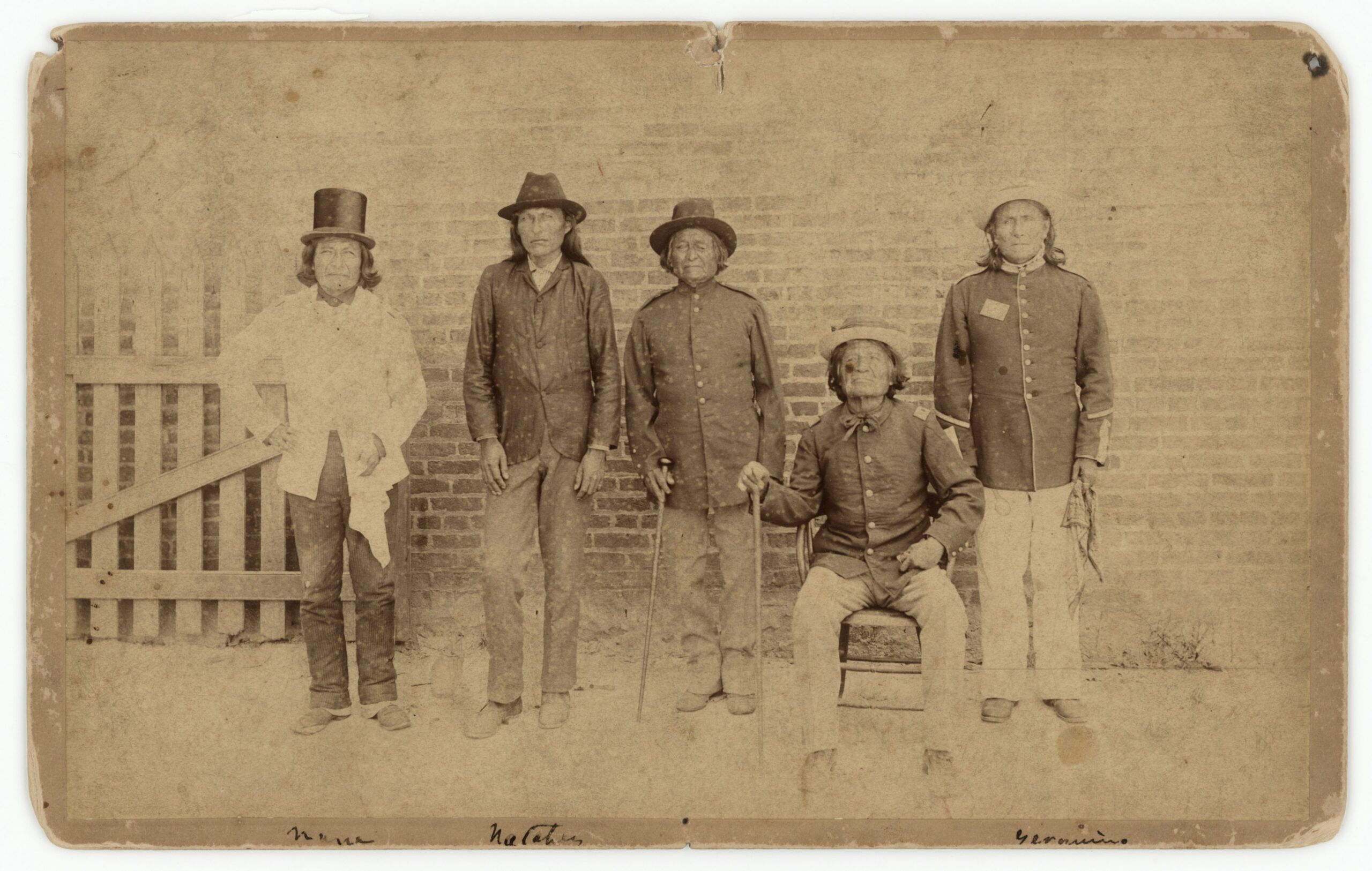
Uncovering Forgotten Indigenous History
The passage of time, the deliberate erasure of narratives, and the overwhelming dominance of colonial perspectives have, for centuries, cast a long shadow over the rich and complex histories of Indigenous peoples. Yet, beneath this imposed silence, vibrant and intricate stories persist, waiting to be rediscovered, understood, and honored. The process of uncovering forgotten Indigenous history is not merely an academic pursuit; it is a vital act of reconciliation, a necessary correction to historical inaccuracies, and a profound acknowledgment of the enduring legacy and sovereignty of Indigenous communities. This endeavor involves a multifaceted approach, drawing upon archaeological evidence, oral traditions, linguistic analysis, and the lived experiences of Indigenous knowledge keepers, all working in concert to illuminate a past that has been deliberately obscured.
The challenges are immense, stemming from generations of systemic oppression that sought to dismantle Indigenous cultures and sever connections to ancestral lands and histories. Records were often destroyed, oral histories were dismissed as myth, and Indigenous voices were silenced. However, resilience is an inherent trait of Indigenous cultures. Their histories have survived through intergenerational storytelling, in the land itself, in the artifacts unearthed, and in the enduring strength of their communities. Uncovering these forgotten narratives is a journey of piecing together fragments, listening intently to subtle cues, and respecting the deeply embedded knowledge systems that have sustained Indigenous peoples for millennia.
Archaeology plays a crucial role in unearthing tangible evidence of past Indigenous lifeways, offering a silent but powerful counterpoint to written colonial accounts. These unearthed remnants provide concrete proof of sophisticated societies, advanced technologies, and intricate social structures that predated and, in many cases, coexisted with European arrival. The careful excavation and interpretation of these sites challenge Eurocentric notions of discovery and illuminate the long and continuous presence of Indigenous peoples on their ancestral territories.
Settlements and Societies: Beyond Nomadic Stereotypes
Excavating Ancient Villages and Cities
Archaeological digs have revealed evidence of permanent settlements, complex agricultural systems, and extensive trade networks that thrived long before European colonization. Sites like Cahokia in North America, with its monumental earthworks, or the ancient cities of the Maya and Inca in Mesoamerica and South America, demonstrate the scale and sophistication of Indigenous urbanism and societal organization. These discoveries dismantle the pervasive colonial myth of Indigenous peoples as solely nomadic or primitive, revealing them as builders, innovators, and cultivators of vast and complex civilizations. The careful mapping of ancient plazas, residential areas, and ceremonial centers allows archaeologists to reconstruct the daily lives, social hierarchies, and spiritual practices of these long-gone communities.
Tools, Technology, and Innovation
The artifacts unearthed from archaeological sites offer invaluable insights into the ingenuity and technological prowess of Indigenous peoples. From finely crafted stone tools and sophisticated pottery to intricate beadwork and advanced agricultural implements, these objects speak volumes about their understanding of materials, their problem-solving abilities, and their adaptation to diverse environments. The discovery of sophisticated irrigation systems, astronomical observatories, and unique methods of resource management further underscores their intellectual and practical achievements. These findings challenge the notion that technological advancement was solely a European domain, highlighting the independent innovation and ingenuity present in Indigenous societies across the globe.
Burial Grounds and Ritual Practices
The careful excavation of burial sites, conducted with the utmost respect and often in collaboration with descendant communities, provides profound insights into Indigenous spiritual beliefs, kinship structures, and understanding of the afterlife. The types of grave goods, the orientation of the bodies, and the presence of ceremonial objects offer clues to their social status, their roles within their communities, and their connections to the spiritual realm. These sacred spaces, when treated with proper protocols and reverence, become invaluable archives of cultural memory and spiritual continuity.
Hidden Indigenous history is a crucial aspect of understanding the broader narrative of American history, often overshadowed by dominant cultural stories. For those interested in exploring how the experiences of Indigenous peoples intersect with various facets of American life, including labor and industry, a related article can provide valuable insights. You can read more about this topic in the article titled “The Evolution of the American Factory Worker” found at this link.
Whispers from the Ancestors: Oral Histories and Traditional Knowledge
While archaeology provides the physical evidence, oral histories and traditional knowledge systems represent the living, breathing legacy of Indigenous peoples. Passed down through generations by elders and knowledge keepers, these narratives are not static accounts but dynamic repositories of wisdom, experience, and cultural identity. They offer a crucial counterbalance to written histories, which often reflect the biases and agendas of the colonizers.
The Power of Storytelling: Preserving Culture and Identity
Indigenous cultures have long relied on oral traditions as a primary means of transmitting knowledge, values, and historical accounts. These stories, often rich in metaphor and symbolism, encapsulate complex understandings of the world, ecological relationships, and the chronology of events. The act of storytelling itself is a cultural practice, fostering community, reinforcing identity, and ensuring the continuity of ancestral narratives. Elders play a vital role as custodians of this knowledge, carefully selecting which stories to share and with whom, ensuring their preservation and respectful transmission.
Indigenous Linguistics: Unlocking Semantic Archives
The study of Indigenous languages offers another profound avenue for uncovering forgotten histories. Languages are not merely tools of communication; they are deeply embedded with cultural worldview, historical context, and ecological knowledge. The vocabulary, grammar, and semantic structures of a language can reveal ancient practices, forgotten customs, and detailed understandings of the natural world that might otherwise be lost. Linguistic analysis can trace the migration patterns of peoples, the evolution of their societies, and their interactions with neighboring groups.
Place Names and Their Significance
Place names, often overlooked by colonial cartographers and historians, are invaluable repositories of Indigenous history. Each name can tell a story, referencing an event, a significant person, a natural phenomenon, or a sacred site. Deciphering these names, and understanding their etymology and associated traditions, can unlock detailed geographical and historical narratives that are otherwise invisible. These names connect people to their land in a profound way, imbuing the landscape with layers of meaning and ancestral memory.
Traditional Ecological Knowledge (TEK)
Traditional Ecological Knowledge (TEK) represents a sophisticated understanding of the natural world, developed over millennia of observation, adaptation, and reciprocal relationship with the environment. This knowledge encompasses detailed understanding of plant and animal behavior, soil and water management, weather patterns, and sustainable resource utilization. Uncovering and valuing TEK is crucial for understanding Indigenous historical interactions with their environments and offers vital lessons for contemporary ecological challenges.
Revisiting Colonial Narratives: Challenging the Victor’s Version
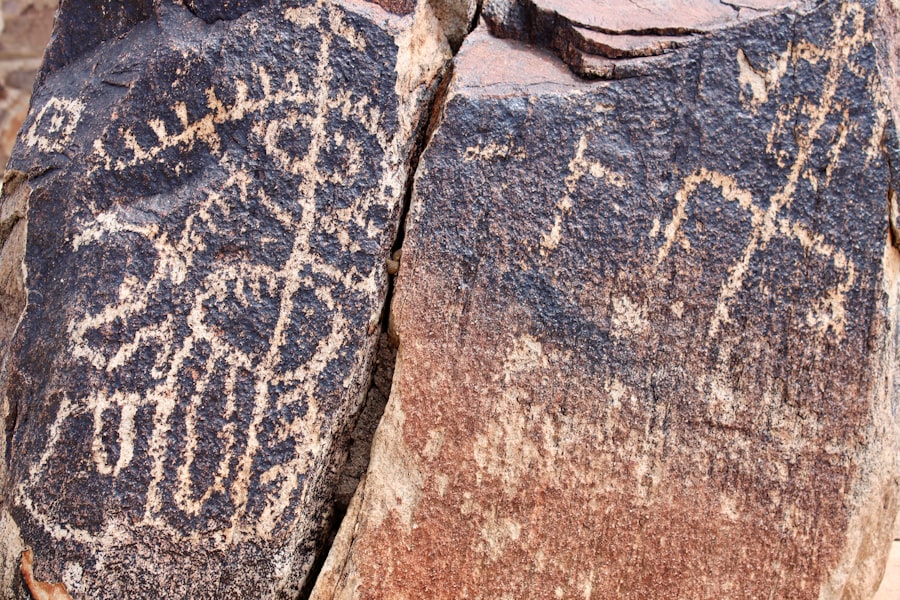
The written historical accounts produced by European colonizers are often inherently biased, serving to justify conquest, legitimize dispossession, and portray Indigenous peoples in a manner that served colonial interests. Uncovering forgotten Indigenous history requires a critical re-examination of these narratives, seeking to identify omissions, distortions, and outright fabrications.
The Erasure of Indigenous Agency
Colonial histories frequently depict Indigenous peoples as passive recipients of European influence, lacking agency, and incapable of independent decision-making. This narrative serves to justify colonial intervention and undermine Indigenous sovereignty. By actively seeking out Indigenous perspectives and analyzing their actions and reactions, historians can begin to reclaim the narrative of Indigenous agency, revealing their active resistance, their strategic alliances, and their ongoing efforts to maintain their cultures and territories.
Misrepresentations and Stereotypes
The colonial project was often underpinned by the creation and perpetuation of harmful stereotypes about Indigenous peoples. These stereotypes, ranging from the “noble savage” to the “bloodthirsty warrior,” served to dehumanize and justify violence and oppression. Critically analyzing these portrayals and contrasting them with tangible evidence from archaeological findings and oral traditions helps to dismantle these damaging myths and restore a more nuanced and accurate understanding of Indigenous peoples.
Reclaiming Land and Sovereignty: Indigenous Resistance Through History
Colonial narratives often gloss over or actively suppress the history of Indigenous resistance to colonization. This resistance took many forms, from diplomatic negotiations and legal challenges to armed conflict and cultural preservation efforts. Uncovering these stories of resilience and defiance is crucial for understanding the ongoing struggle for Indigenous sovereignty and self-determination. It highlights the determination of Indigenous peoples to protect their lands, their cultures, and their futures.
The Role of Indigenous Archives and Institutions
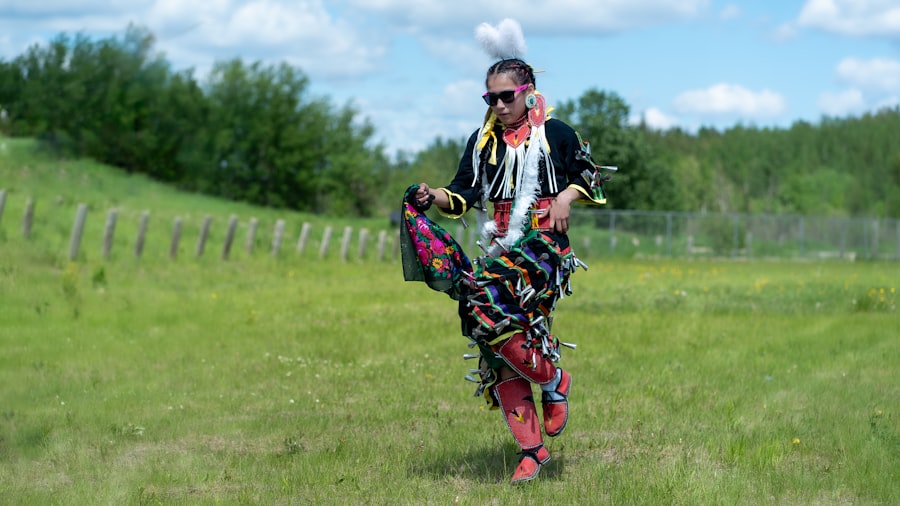
Indigenous communities themselves are increasingly at the forefront of uncovering and preserving their own histories. The establishment and support of Indigenous-led archives, cultural centers, and research institutions are vital for safeguarding ancestral knowledge and providing platforms for its dissemination.
Indigenous-Led Archives: Guardians of Memory
Indigenous communities are actively working to establish and maintain their own archives, collecting and preserving documents, photographs, oral history recordings, and artifacts that tell their stories from their own perspectives. These archives are crucial for ensuring that historical narratives are not solely controlled by external institutions and for providing access to this vital information for community members and researchers alike.
Cultural Centers as Living Museums
Indigenous cultural centers serve as vibrant hubs for cultural revitalization and historical preservation. They offer opportunities for intergenerational learning, language revitalization programs, and the sharing of traditional knowledge. These centers are not just repositories of the past but dynamic spaces where Indigenous histories are actively lived and celebrated in the present.
Academic Collaboration and Indigenous Epistemologies
Increasingly, academic institutions are recognizing the importance of collaborating with Indigenous scholars and communities. This collaboration involves respecting Indigenous epistemologies – distinct ways of knowing and understanding the world – and incorporating them into research methodologies. This partnership approach ensures that research is conducted ethically, respectfully, and in a way that benefits Indigenous communities.
Exploring hidden Indigenous history often reveals fascinating connections to ancient civilizations and their interactions with the environment. A related article discusses how paleoclimate data can shed light on these ancient societies and their adaptations to changing climates. For those interested in this intersection of history and science, you can read more about it in this insightful piece on uncovering ancient civilizations through paleoclimate data. This exploration not only highlights the resilience of Indigenous cultures but also emphasizes the importance of understanding our shared past.
The Ongoing Journey: Towards a More Complete Understanding
| Indigenous Group | Historical Event | Impact |
|---|---|---|
| Cherokee | Trail of Tears | Forced relocation and thousands died |
| Navajo | Long Walk of the Navajo | Forced relocation and many died |
| Maori | New Zealand Wars | Loss of land and cultural suppression |
The process of uncovering forgotten Indigenous history is not a finite task but an ongoing and evolving journey. It requires a commitment to continuous learning, a willingness to challenge established narratives, and a deep respect for the voices and knowledge of Indigenous peoples.
Decolonizing Historical Narratives
Decolonizing historical narratives involves actively dismantling the colonial frameworks that have shaped our understanding of the past. This means questioning assumptions, centering Indigenous perspectives, and recognizing the ongoing impact of colonization on present-day realities. It is a process of re-writing history from the ground up, with Indigenous peoples at the center of their own stories.
The Importance of Intergenerational Transmission
Ensuring the continued transmission of Indigenous histories across generations is paramount. This involves supporting language revitalization efforts, fostering intergenerational dialogue, and creating spaces where elders can share their knowledge with younger generations. The future of Indigenous history lies in the hands of those who will carry it forward.
Reconciliation and Restorative Justice
Ultimately, the uncovering of forgotten Indigenous history is inextricably linked to the process of reconciliation and restorative justice. By acknowledging and rectifying historical injustices, and by giving voice to silenced narratives, societies can begin to heal the wounds of the past and build a more equitable future. This requires a commitment to truth-telling, mutual respect, and the recognition of Indigenous sovereignty and self-determination. The journey to uncover forgotten Indigenous history is a journey towards a more just, equitable, and truthful understanding of our shared past and a more hopeful future.

The Wilderness Was Engineered
FAQs
What is hidden Indigenous history?
Hidden Indigenous history refers to the historical events, cultures, and contributions of Indigenous peoples that have been overlooked, marginalized, or omitted from mainstream historical narratives.
Why is it important to uncover hidden Indigenous history?
Uncovering hidden Indigenous history is important because it provides a more accurate and comprehensive understanding of the past, challenges stereotypes and misconceptions, and acknowledges the resilience and contributions of Indigenous peoples.
What are some examples of hidden Indigenous history?
Examples of hidden Indigenous history include the impact of colonialism on Indigenous communities, the forced removal and assimilation of Indigenous children in residential schools, and the erasure of Indigenous languages and traditions.
How can we learn more about hidden Indigenous history?
Learning more about hidden Indigenous history can be achieved through engaging with Indigenous communities, reading Indigenous-authored literature, and seeking out educational resources that center Indigenous perspectives.
What can individuals do to support the uncovering of hidden Indigenous history?
Individuals can support the uncovering of hidden Indigenous history by advocating for inclusive and accurate historical education, amplifying Indigenous voices and perspectives, and actively challenging stereotypes and biases.