The vast, ice-covered expanse of Greenland, a land often perceived as a desolate frontier, holds secrets far deeper than its frozen surface suggests. For centuries, its imposing glaciers have acted as formidable guardians, concealing the remnants of past human endeavors. However, a new era of scientific exploration is slowly but surely peeling back these icy layers, revealing a hidden history of settlements, trade, and cultural exchange that predates modern understanding. Uncovering Greenland’s Buried Structures is not merely an archaeological pursuit; it is a profound journey into a forgotten past, challenging our perceptions of this remote island and the resilience of its inhabitants.
Greenland’s immense ice sheet, a defining characteristic of its landscape, presents both an obstacle and an unparalleled opportunity for archaeologists. This colossal frozen mass acts as a natural archive, preserving artifacts and structures from past climates and human activities with remarkable fidelity. The sheer scale of the ice, in some places reaching over two miles in thickness, means that the most significant discoveries often lie deep beneath its surface.
Understanding Ice Sheet Dynamics
The behavior of the Greenland Ice Sheet is a critical factor in how these buried structures are discovered and preserved. Scientists study ice core data, ice flow models, and glacial retreat patterns to predict where and when certain areas might become accessible. The gradual, yet significant, melting of the ice due to climate change is, paradoxically, opening up previously inaccessible archaeological sites. This presents a race against time, as rapid melting can also lead to the erosion and destruction of delicate remains.
Remote Sensing Technologies
To peer beneath the ice without extensive excavation, researchers employ a suite of advanced remote sensing technologies. Ground-penetrating radar (GPR) is a cornerstone of this effort, sending radio waves into the ground and analyzing the echoes to detect subsurface anomalies that could indicate walls, foundations, or even entire buildings. Magnetometry is another crucial tool, measuring variations in the Earth’s magnetic field that can reveal the presence of iron artifacts or burnt materials associated with human activity.
The Significance of Ice Cores
While not directly uncovering structures, ice cores provide invaluable contextual information. These frozen records contain trapped air bubbles, dust particles, and chemical signatures that tell a story of past climates, volcanic eruptions, and even atmospheric pollution from distant civilizations. By correlating this data with potential archaeological findings, scientists can better date and understand the environmental conditions under which ancient Greenlandic societies thrived.
Recent studies have revealed fascinating insights into the buried structures beneath the Greenland ice sheet, shedding light on the region’s geological history and climate change impacts. For a deeper understanding of how such hidden features can influence our perception of environmental changes, you can read a related article that discusses various economic implications and strategies in different contexts, which can be found here: Cracking the Mexico Tariff Loophole.
Echoes of the Norse: Medieval Settlements Beneath the Ice
The most well-documented, and arguably the most tantalizing, buried structures in Greenland belong to the Norse settlers who arrived in the late 10th century. Driven by sagas and the pursuit of new lands, these intrepid explorers established thriving communities along the southern and southwestern coasts. However, their presence in Greenland was relatively short-lived, with their settlements eventually disappearing from historical records by the 15th century. The reasons for this abandonment remain a subject of intense debate, but the ice sheet, in its relentless march, may hold some of the answers.
The Western Settlement’s Fate
The Western Settlement, the larger and more northerly of the two main Norse settlements, was particularly vulnerable to environmental changes. As glaciers advanced and sea ice conditions worsened, the Norse communities here faced increasing hardship. Archaeological investigations, often aided by the melting ice, have revealed the remains of farms, churches, and even a cathedral, buried by centuries of glacial accumulation.
Garðar: A Glimpse into Norse Greenland
Garðar, the site of the episcopal seat of Norse Greenland, is one of the most significant Norse discoveries. Excavations have unearthed the foundations of the cathedral and the bishop’s manor, offering a tangible connection to the administrative and religious heart of the colony. The discovery of artifacts, including Norse coins and everyday tools, further solidifies the historical narrative and provides insights into the daily lives of these early settlers.
The Mystery of Abandonment
While the exact cause of the Norse disappearance is complex, encompassing factors like climate change, resource depletion, and potential conflict with the Inuit, the physical evidence of encroaching ice offers a stark visual representation of the challenges they faced. Discoveries of Norse structures entombed by ice serve as a poignant reminder of the fragility of human settlements in the face of powerful natural forces.
Beyond the Norse: Unearthing Prehistoric Greenland
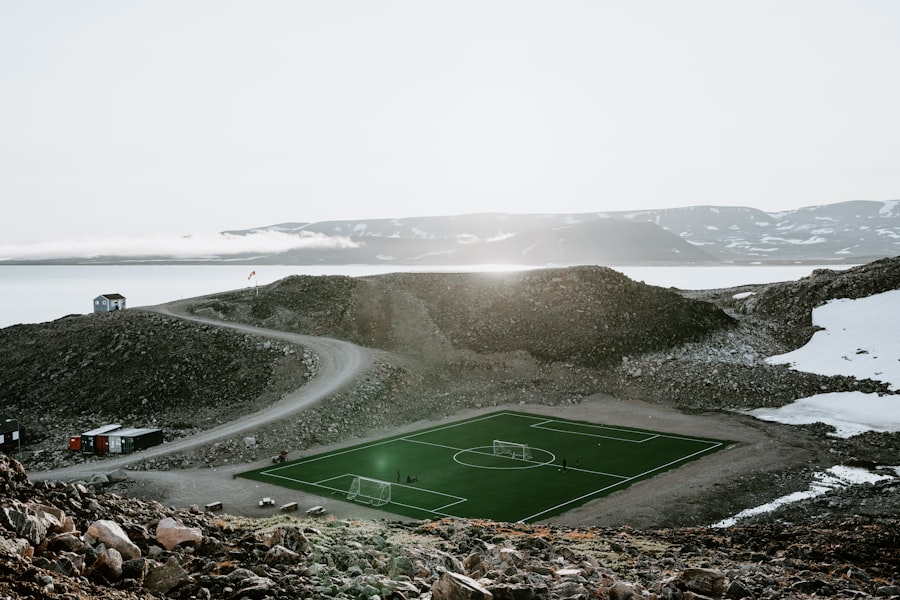
The Norse presence, while significant, represents only a chapter in Greenland’s long human history. Evidence suggests human activity in Greenland dating back thousands of years, with various Indigenous groups traversing and inhabiting the island. Uncovering the structures left by these earlier peoples is a more recent endeavor, pushing the boundaries of our understanding of Arctic prehistory.
The Saqqaq Culture’s Footprint
The Saqqaq culture, flourishing in Greenland around 4,500 years ago, represents some of the earliest known inhabitants. Archaeological sites attributed to the Saqqaq people have yielded stone tools, hearths, and the faint outlines of what were likely temporary shelters. The challenging terrain and the passage of millennia have made finding intact structures difficult, but ongoing research, particularly in coastal areas, continues to reveal more about their nomadic lifestyles and survival strategies.
The Dorset Culture and Early Migrations
Later, the Dorset culture, which inhabited Greenland from roughly 500 BCE to 1300 CE, left behind more discernible evidence. While not typically associated with permanent structures in the same way as later Inuit groups, their presence is marked by characteristic tools, harpoon heads, and occasional traces of dwellings. The study of Dorset sites is crucial for understanding the migratory patterns of early Arctic peoples and their adaptation to diverse environments.
The Inuit Adaptation to a Changing Landscape
The ancestors of the modern Inuit arrived in Greenland in several waves, with different cultural groups adapting to the island’s unique challenges. Their ingenuity in building with the available materials, including stone, driftwood, and even bone, has left behind a legacy of settlement remains. While many of these are found on exposed coastlines, the prospect of discovering structures preserved beneath the ice or in less-explored inland regions remains a compelling avenue for future research.
Subglacial Archaeology: A Frontier of Discovery
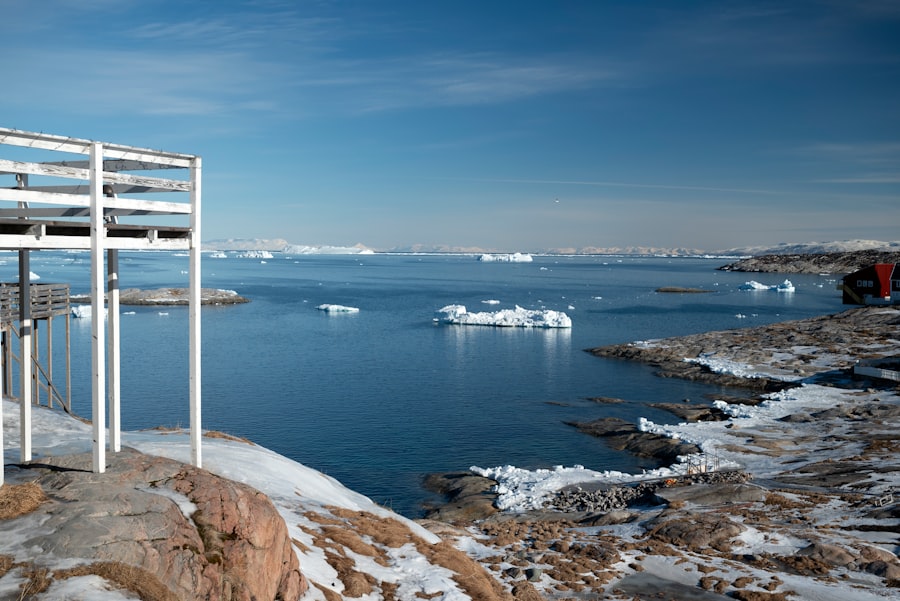
The ultimate frontier in uncovering Greenland’s buried structures lies beneath the ice sheet itself. While the sheer logistical and technical challenges are immense, the potential for unprecedented discoveries is equally vast. As glaciers recede, they are revealing not only surface sites but also offering tantalizing glimpses into what might lie hidden within the ice.
The Challenge of Ice Penetration
Directly excavating beneath thick ice is an undertaking of extraordinary difficulty. However, advancements in ice-penetrating radar and seismic imaging are beginning to offer a clearer picture of subglacial topography, potentially revealing large-scale features that could be man-made.
The Role of Glacial Meltwater Channels
Meltwater channels, carved by the flow of water from the ice sheet, can act as natural conduits, sometimes exposing artifacts or even the edges of buried structures. These channels offer localized windows into the subglacial environment, providing opportunities for focused investigation.
Preserving the Frozen Past
The ultimate goal of subglacial archaeology is not just discovery but also preservation. Understanding how these structures have survived for millennia beneath the ice can provide invaluable insights into their original construction and the materials used. The delicate nature of these discoveries necessitates careful planning and execution to ensure their long-term survival once exposed.
Recent studies have revealed intriguing details about buried structures beneath the Greenland ice sheet, suggesting that these formations may hold secrets to ancient civilizations. For those interested in exploring more about ancient wonders, a fascinating article discusses the remarkable achievements of past societies and their architectural feats. You can read more about these wonders and their significance in history by visiting this article. The connection between these ancient structures and the ones hidden beneath the ice raises questions about how climate change may uncover lost histories.
Future Prospects and Preservation
| Depth of Buried Structures | Type of Structures | Location |
|---|---|---|
| 100-1000 meters | Remnants of ancient forests, lakes, and rivers | Central and Northern Greenland |
| 100-500 meters | Impact craters | Northwest Greenland |
| Varies | Subglacial lakes and rivers | Throughout Greenland |
The ongoing efforts to uncover Greenland’s buried structures are not just about satisfying archaeological curiosity. They are crucial for understanding the island’s human history, its ecological past, and the resilience of cultures in extreme environments. As climate change continues to reshape the Arctic landscape, the race to discover and preserve these invaluable remnants of the past is becoming increasingly urgent.
The Impact of Climate Change on Discovery
While climate change presents challenges, its most significant impact is the accelerated melting of glaciers. This melting is revealing previously inaccessible sites at an unprecedented rate. However, this also means that many delicate artifacts and structures are now exposed to the elements, risking degradation and loss.
The Importance of International Collaboration
Uncovering Greenland’s buried structures is a multidisciplinary endeavor that requires the collaboration of archaeologists, glaciologists, geologists, and remote sensing specialists from around the world. International cooperation is vital for sharing expertise, resources, and data, ensuring that these discoveries benefit global scientific understanding.
Ethical Considerations and Indigenous Rights
As research progresses, it is paramount to engage with and respect the rights and knowledge of Greenland’s Indigenous population. Archaeological endeavors must be conducted ethically, with a focus on collaboration and the repatriation of artifacts when appropriate. The heritage of Greenland is intertwined with its people, and their voices must be central to the process of uncovering and interpreting its past.
The Promise of New Technologies
The future of uncovering Greenland’s buried structures is inextricably linked to technological innovation. Further advancements in drone technology for aerial surveying, AI for analyzing vast datasets from remote sensing, and even robotic exploration beneath the ice hold the promise of revealing even more of Greenland’s hidden history. Each new discovery, whether a Viking longhouse entombed in ice or the faint outline of a prehistoric dwelling, adds another piece to the complex and compelling narrative of human life in the Arctic. The work is far from over, and the secrets that Greenland’s ice continues to guard are sure to captivate and inform for generations to come.
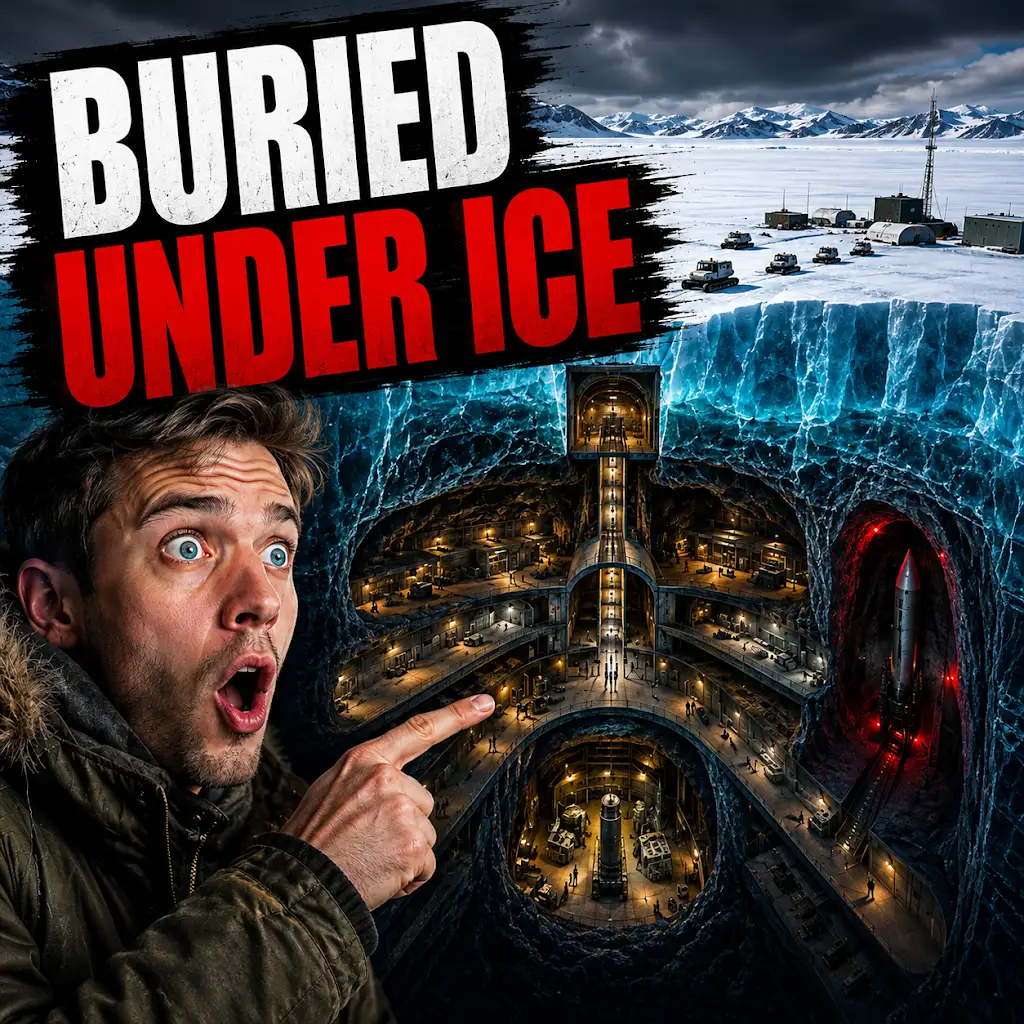
The U.S. Built a Nuclear City Under Greenland. The Ice Won.
FAQs
What are buried structures beneath the Greenland ice sheet?
Buried structures beneath the Greenland ice sheet refer to various geological formations, such as mountains, valleys, and lakes, that are hidden beneath the thick layer of ice.
How are these buried structures discovered?
These buried structures are often discovered using remote sensing techniques, such as ice-penetrating radar and satellite imagery, which allow scientists to study the topography and geology beneath the ice sheet.
What is the significance of studying buried structures beneath the Greenland ice sheet?
Studying these buried structures can provide valuable insights into the past climate, glacial history, and potential impacts of climate change. It can also help scientists understand the dynamics of ice sheet movement and its potential effects on sea level rise.
What are some of the challenges in studying buried structures beneath the Greenland ice sheet?
One of the main challenges is the extreme conditions and remote location of the Greenland ice sheet, which makes it difficult for scientists to conduct fieldwork and gather data. Additionally, the thick ice layer can make it challenging to accurately map and study the underlying structures.
What are some of the recent discoveries related to buried structures beneath the Greenland ice sheet?
Recent discoveries include the identification of subglacial lakes, canyons, and mountain ranges beneath the ice sheet. These findings have provided new insights into the dynamic nature of the Greenland ice sheet and its potential impact on global sea levels.