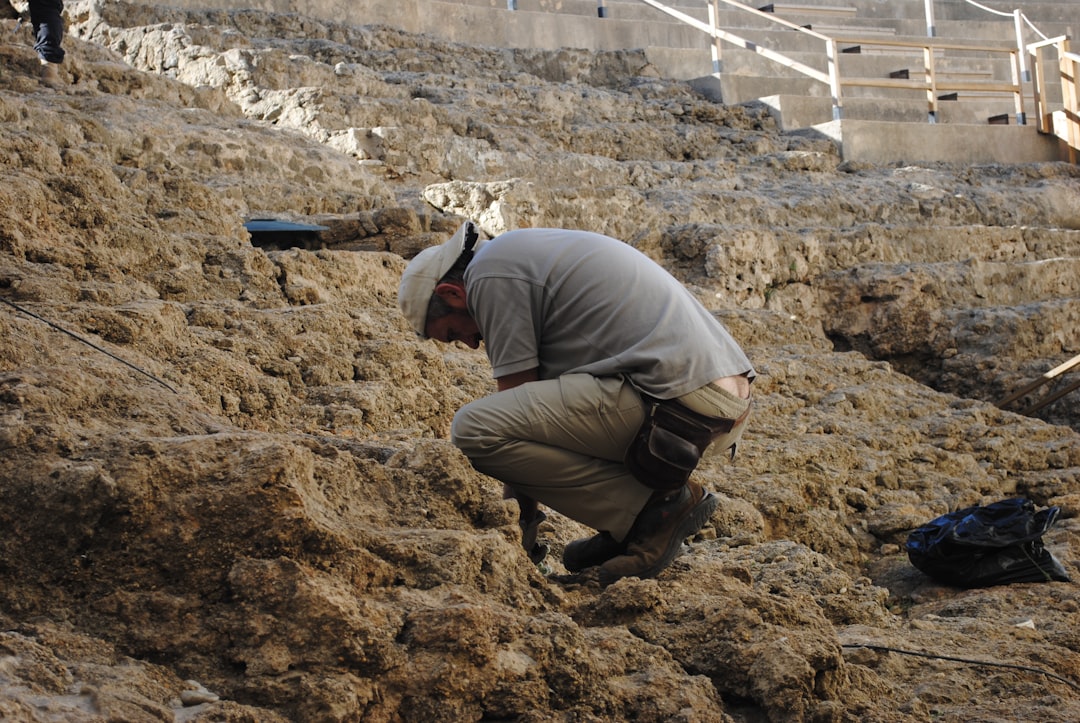
The Sahara Desert, a seemingly endless expanse of sand and rock, holds within its arid embrace a forgotten history waiting to be unearthed. For centuries, its vastness has guarded secrets of ancient civilizations, their stories etched not in stone monuments visible from afar, but in subtle shifts in the landscape, the glint of pottery sherds beneath the sun, and the whispers carried on the desert winds. Uncovering hidden archaeology in the Sahara is a testament to human ingenuity, perseverance, and the ever-evolving technologies that allow us to peer into the past with unprecedented clarity.
The Sahara was not always the parched desert we know today. Evidence points to a period, known as the African Humid Period or the “Green Sahara,” which lasted for thousands of years, from roughly 11,000 to 5,000 years ago. During this time, the landscape was vastly different, characterized by lakes, rivers, savannahs, and grasslands. This fertile environment supported a rich array of flora and fauna, and crucially, allowed early human populations to thrive. Archaeological discoveries paint a picture of dynamic societies, far from the static, monolithic image often associated with prehistoric times.
Nomadic Lifestyles and Adaptations
The inhabitants of the Green Sahara were primarily nomadic hunter-gatherers, their lives dictated by the seasonal availability of resources. While the image of a perpetual wanderer might come to mind, archaeological evidence suggests sophisticated strategies for resource management and movement. Discoveries of temporary encampments, often marked by clusters of stone tools and hearths, reveal patterns of migration linked to water sources and game trails. The analysis of faunal remains from these sites provides insights into their diet, the animals they hunted, and their understanding of the local ecosystem.
The Dawn of Sedentism and Early Agriculture
As the climate began to shift and the Sahara gradually dried, some populations started to adapt by becoming more sedentary. This period saw the emergence of early settlements, often located near permanent or semi-permanent water bodies. These settlements, though often modest in scale, represent a significant step towards more permanent human occupation.
Evidence of Early Pottery and Tool Traditions
The presence of pottery shards is a crucial indicator of settled life. The discovery of distinct pottery styles, varying in shape, decoration, and firing techniques, allows archaeologists to trace cultural connections and identify different groups. Similarly, the evolution of stone tool technologies, from finely crafted microliths used for hunting and processing to more robust tools for grinding grains, reflects the changing needs and skills of these ancient communities.
Early Attempts at Domestication and Food Production
While agriculture as we know it was still in its nascent stages, there are indications of early attempts at managing and cultivating local plants. The discovery of grinding stones, often found in association with these settlements, suggests the processing of wild grains and seeds. The possibility of early forms of plant domestication, even if rudimentary, represents a significant shift in human subsistence strategies and a precursor to later agricultural societies.
Recent discoveries in the Sahara Desert have unveiled hidden archaeological sites that challenge our understanding of ancient civilizations in this vast region. Researchers have utilized advanced technology, such as satellite imagery and ground-penetrating radar, to uncover remnants of long-lost cities and trade routes. For more insights into how economic factors like inflation can impact archaeological funding and preservation efforts, you can read a related article here: Will Inflation Lead to Asset Seizure?.
Echoes of Empires: The Sahara’s Role in Ancient Trade and Civilizations
The Sahara, despite its formidable barrier, was never entirely isolated. Throughout antiquity, it served as a vital conduit for trade and cultural exchange, connecting the Mediterranean world with sub-Saharan Africa. These trans-Saharan trade routes, though arduous, facilitated the movement of goods, ideas, and people, leaving behind a rich archaeological legacy.
The Garamantian Kingdom: Masters of the Subterranean World
Perhaps one of the most astonishing archaeological discoveries in the Sahara is the Garamantian civilization, which flourished in present-day Libya from around 500 BCE to 700 CE. The Garamantes were renowned for their mastery of water management in an extremely arid environment. Their most significant achievement was the construction of an extensive network of subterranean irrigation channels, known as the “foggaras” or “ghalats,” which tapped into deep underground aquifers to sustain their cities and agriculture.
The Garamantian Cities and Settlements
Archaeological excavations have revealed impressive Garamantian cities, characterized by their unique architecture and sophisticated urban planning. The ruins of Derj, Ghirza, and Germa offer glimpses into their daily lives, their social structures, and their economic activities. The discovery of well-preserved buildings, elaborate tombs, and evidence of metalworking provides valuable insights into their advanced civilization.
The “Foggaras”: Engineering Marvels of the Desert
The subterranean irrigation systems of the Garamantes are a testament to their ingenuity and their deep understanding of hydrogeology. These complex networks of tunnels, some stretching for miles, allowed them to draw water from deep within the earth to irrigate their fields and supply their settlements. The engineering skills required to construct and maintain these systems in the harsh desert conditions are truly remarkable.
The Rise and Fall of Medieval Empires: Ghana, Mali, and Songhai
Further south, in the Sahel region bordering the Sahara, the empires of Ghana, Mali, and Songhai rose to prominence, their wealth and power intricately linked to the trans-Saharan trade in gold, salt, and slaves. Archaeological evidence from these empires, though often found in areas slightly south of the harshest desert, reveals the vast reach of their influence and the sophisticated systems that underpinned their economies.
Timbuktu: A Crossroads of Knowledge and Commerce
The legendary city of Timbuktu, once a vital hub on the trans-Saharan trade routes, holds immense archaeological significance. While much of its ancient glory is preserved in its surviving manuscripts, archaeological surveys have unearthed evidence of its urban infrastructure, its mosques, and its trading quarters. The city’s importance as a center of Islamic scholarship and a nexus of trade is a story written in both parchment and the earth.
Evidence of Trade Networks and Cultural Exchange
Archaeological finds from across the Sahara, such as pottery from North Africa found in sub-Saharan sites, and West African gold artifacts discovered in Mediterranean contexts, provide tangible proof of these ancient trade networks. The distribution of specific types of tools, weapons, and religious artifacts also points to the diffusion of ideas and cultural practices across vast distances.
Modern Techniques for Ancient Discoveries: Revolutionizing Sahara Archaeology
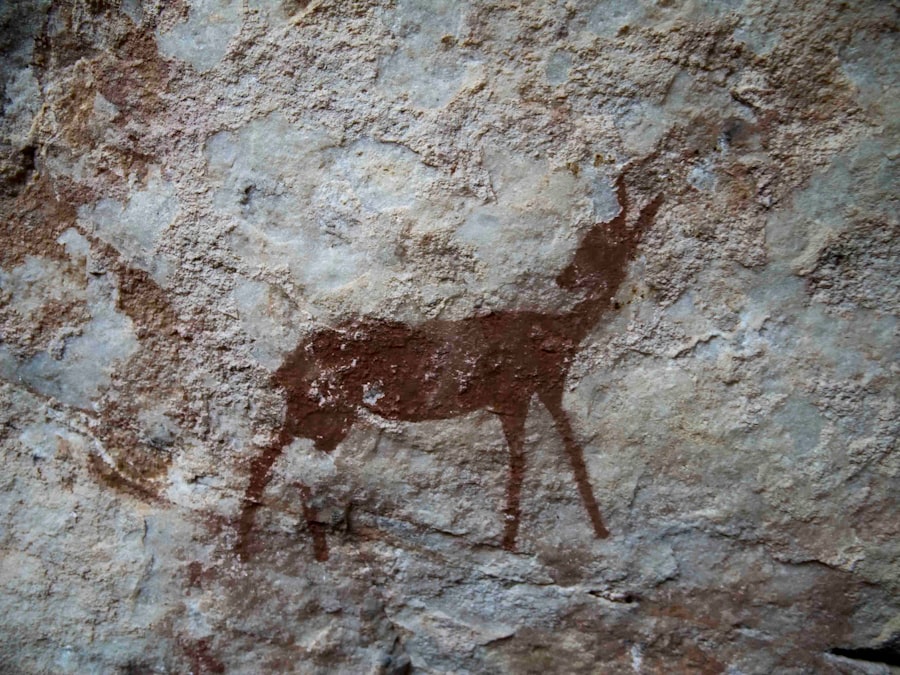
The challenging terrain and the sheer scale of the Sahara Desert have historically made archaeological exploration a formidable task. However, the advent of modern technologies has revolutionized the way archaeologists can uncover the hidden past, enabling them to survey vast areas with unprecedented efficiency and precision.
Satellite Imagery and Remote Sensing: Seeing Beneath the Sand
Satellite imagery has become an indispensable tool for Sahara archaeologists. By analyzing different spectral bands and identifying subtle variations in vegetation, soil moisture, and geological formations, researchers can detect anomalies that may indicate the presence of buried structures, ancient settlements, or even forgotten watercourses.
Identifying Archaeological Features from Space
High-resolution satellite imagery allows archaeologists to identify potential sites from the comfort of their offices. Features like crop marks, soil discolorations, and even subtle changes in the landscape can be indicative of buried walls, roads, or ancient field systems. This preliminary identification dramatically narrows down the search area for on-the-ground investigation.
Ground-Penetrating Radar (GPR) and Magnetometry
Once a promising area has been identified, techniques like Ground-Penetrating Radar (GPR) and magnetometry come into play. GPR uses radio waves to create subsurface images, revealing buried structures and objects without the need for excavation. Magnetometry measures variations in the Earth’s magnetic field, which can be caused by buried archaeological features such as hearths, kilns, or iron artifacts.
Drones and Aerial Photography: Capturing the Landscape in Detail
The use of drones equipped with high-resolution cameras has further enhanced archaeological surveys in the Sahara. Drones can provide detailed aerial photography and videography, creating detailed maps and 3D models of archaeological sites. This allows for meticulous documentation, precise mapping of features, and the identification of subtle surface anomalies that might be missed from the ground.
Mapping and 3D Reconstruction of Sites
Drones equipped with photogrammetry software can generate highly accurate 3D models of archaeological landscapes and individual features. This not only aids in documentation and analysis but also allows for virtual exploration of sites that may be remote or difficult to access.
Identifying Surface Features and Patterns
The aerial perspective offered by drones allows archaeologists to observe patterns and features that are not apparent at ground level. The distribution of pottery sherds, stone artifacts, or even the subtle traces of ancient pathways can be more easily discerned from above, providing a broader understanding of the site’s layout and its relationship with the surrounding environment.
Geophysical Surveys and Predictive Modeling
Beyond visual and radar-based techniques, other geophysical surveys play a crucial role. Electrical resistivity surveys, for instance, measure the resistance of the ground to electrical current, which can reveal differences in soil composition and the presence of buried structures. Predictive modeling, using historical data and environmental factors, can also help archaeologists identify areas with a higher probability of containing undiscovered sites.
The Human Element: Challenges and Ethical Considerations in Sahara Archaeology
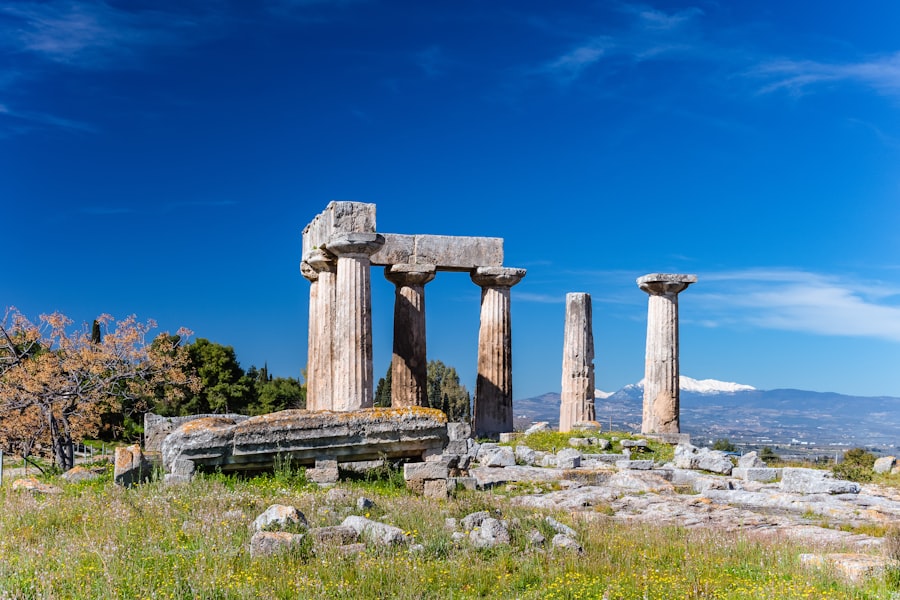
Uncovering the hidden archaeology of the Sahara is not merely a matter of technological prowess; it is deeply intertwined with the human element, presenting a unique set of challenges and ethical considerations that must be carefully navigated. The vastness of the desert, the harsh environment, and the complex geopolitical landscape all contribute to the intricate nature of this field.
The Perils of the Desert Environment
The Sahara is an unforgiving environment. Extreme temperatures, sandstorms, and the lack of water pose significant physical dangers to archaeologists working in the field. Planning, resource management, and robust safety protocols are paramount to ensure the well-being of research teams.
Logistics and Resource Management
Transporting equipment, supplies, and personnel across vast desert distances requires meticulous logistical planning. Securing reliable water sources, shelter, and communication are essential for survival and successful fieldwork. The cost associated with these logistical challenges can also be substantial.
Physical Demands and Safety Precautions
Archaeological fieldwork in the Sahara is physically demanding. Excavations often involve manual labor under the relentless sun. Implementing strict safety measures, including proper hydration, sun protection, and avoiding strenuous activity during the hottest parts of the day, is crucial to prevent heatstroke and other heat-related illnesses.
Collaboration and Cultural Sensitivity
Working in countries with rich archaeological heritage requires close collaboration with local authorities, institutions, and communities. Respect for local customs, traditions, and cultural heritage is non-negotiable. Building trust and fostering genuine partnerships are essential for ethical and successful archaeological endeavors.
Working with Local Communities and Governments
Establishing positive relationships with local communities is vital for both practical and ethical reasons. Local knowledge can be invaluable in identifying potential sites, and their involvement ensures that archaeological findings are shared and understood within their cultural context. Engaging with national heritage agencies and obtaining the necessary permits and permissions is a fundamental step in any research project.
Preservation and Repatriation of Artifacts
The ethical handling and preservation of discovered artifacts are of utmost importance. Decisions regarding excavation, conservation, and the eventual location of artifacts must be made with the long-term preservation of heritage in mind. The complex issue of artifact repatriation, where historical objects are returned to their country of origin, is an ongoing and critical discussion in archaeology.
The Impact of Climate Change and Conflict
The Sahara is not immune to the impacts of climate change, which can alter landscapes and potentially unearth or erode archaeological sites. Furthermore, geopolitical instability and conflict in certain regions can pose significant risks to archaeological sites and researchers, necessitating careful consideration of safety and security.
Unearthing or Eroding the Past
Rising temperatures and altered rainfall patterns can lead to the erosion of ancient structures or the exposure of previously buried sites. While this can sometimes lead to new discoveries, it also highlights the vulnerability of the archaeological record to environmental changes and the urgent need for documentation and preservation.
Navigating Geopolitical Challenges
Some areas of the Sahara are affected by political instability or conflict, which can make archaeological research dangerous or impossible. Protecting both human lives and cultural heritage in such volatile environments requires careful planning, risk assessment, and often, close coordination with international organizations.
Recent discoveries in the Sahara Desert have shed light on the region’s hidden archaeology, revealing ancient civilizations that once thrived in this now arid landscape. Researchers have uncovered remnants of long-lost cities and artifacts that provide insight into the lives of the people who inhabited these areas thousands of years ago. For a deeper understanding of how ancient wisdom can inform our response to modern challenges, you can explore a related article that discusses the lessons we can learn from the past in the face of climate change. Check it out here.
The Future of Sahara Archaeology: New Frontiers and Unanswered Questions
| Location | Number of Sites | Artifacts Discovered |
|---|---|---|
| Libya | Over 1000 | Petroglyphs, pottery, and tools |
| Algeria | Approximately 300 | Rock art, burial sites, and ancient settlements |
| Niger | More than 500 | Stone tools, pottery, and rock engravings |
The Sahara Desert, a canvas of sand and time, continues to reveal its secrets, and the field of Sahara archaeology is far from complete. Advancements in technology, combined with a deeper understanding of the region’s complex history, promise further groundbreaking discoveries. The unanswered questions are as vast as the desert itself, inviting future generations of archaeologists to continue this vital work.
Emerging Research Areas and Potential Discoveries
As researchers delve deeper into the Sahara’s past, new areas of inquiry are emerging. The study of ancient water management systems, the reconstruction of prehistoric environments, and the tracing of early human migration routes are just a few of the exciting frontiers. The possibility of uncovering entirely unknown civilizations or re-evaluating existing narratives about the region’s history remains a tantalizing prospect.
The Pre-Neolithic Sahara: A Terra Incognita
While much is known about the Green Sahara period, the millennia preceding it remain largely enigmatic. Further research into the earliest human presence in the Sahara, the development of early tool technologies, and the adaptations of hominins to changing environments holds the potential to rewrite our understanding of early human evolution and dispersal.
The Sahara as a Biodiversity Hotspot of the Past
The fossil record of the Sahara, though still incomplete, suggests a rich and diverse ecosystem during wetter periods. Future paleontological and paleoenvironmental studies will further illuminate the ancient flora and fauna of the Sahara, providing crucial context for understanding human adaptation and the long-term ecological history of the region.
The Role of Interdisciplinary Approaches
The most significant advancements in Sahara archaeology are likely to come from interdisciplinary approaches, where archaeologists collaborate with climatologists, geologists, anthropologists, geneticists, and other specialists. By integrating diverse perspectives and methodologies, researchers can build more comprehensive and nuanced understandings of the past.
Integrating Climate Data with Archaeological Findings
Understanding the impact of past climate fluctuations on human societies is crucial. By combining archaeological evidence with paleoenvironmental data, researchers can reconstruct detailed timelines of human settlement, migration, and adaptation in response to environmental changes, particularly the transition from the Green Sahara to the arid desert.
Genetic Studies and Human Migration Patterns
Advances in ancient DNA analysis offer the potential to trace the movements and genetic relationships of ancient Saharan populations. This can provide invaluable insights into migration patterns, population interactions, and the genetic heritage of modern Saharan peoples.
The Importance of Public Engagement and Preservation
As discoveries are made, effectively communicating the significance of Sahara archaeology to the public is essential. Engaging a wider audience fosters appreciation for cultural heritage and can help garner support for preservation efforts. The long-term preservation of these fragile sites in the face of environmental challenges and potential looting is a continuous and critical undertaking.
Making the Past Accessible to All
Museum exhibitions, documentaries, online resources, and educational programs are vital tools for sharing the wonders of Sahara archaeology with the public. Making these discoveries accessible and engaging can inspire future generations of archaeologists and foster a sense of global citizenship and shared heritage.
Ensuring the Legacy for Future Generations
The ultimate goal of archaeology is to understand and preserve the human past for future generations. This involves not only the painstaking work of excavation and analysis but also the critical responsibility of protecting sites from damage, looting, and the ravages of time. The hidden archaeology of the Sahara is a treasure trove, and its careful stewardship is a collective responsibility.

260 Ancient Graves Were Hiding in This “Empty” Desert
FAQs
What is hidden archaeology in the Sahara Desert?
Hidden archaeology in the Sahara Desert refers to the discovery and study of ancient artifacts, structures, and evidence of human activity that have been buried or obscured by the desert sands over time.
Why is the Sahara Desert an important area for archaeology?
The Sahara Desert is an important area for archaeology because it has preserved a wealth of ancient artifacts and evidence of human civilization due to its dry and arid climate. This has allowed for the preservation of ancient structures, rock art, and other archaeological remains.
What are some of the notable discoveries of hidden archaeology in the Sahara Desert?
Some notable discoveries of hidden archaeology in the Sahara Desert include ancient rock art, prehistoric settlements, burial sites, and evidence of early human migration and trade routes. These discoveries have provided valuable insights into the history and culture of ancient civilizations in the region.
How are archaeologists able to uncover hidden archaeology in the Sahara Desert?
Archaeologists are able to uncover hidden archaeology in the Sahara Desert through a variety of methods, including remote sensing technologies, ground surveys, and excavation. These methods help to identify and uncover buried artifacts and structures, allowing for further study and analysis.
What are the challenges of conducting archaeological research in the Sahara Desert?
Some of the challenges of conducting archaeological research in the Sahara Desert include extreme temperatures, harsh environmental conditions, and the vast and remote nature of the desert landscape. Additionally, political instability and limited resources can also present challenges for conducting research in the region.