
The pursuit of ancestral knowledge, while often framed as a joyous exploration, can also lead individuals down paths of discovery that unearth challenging narratives. Tracing suppressed origins is a particularly complex endeavor, requiring a measured approach to research and an emotional preparedness for what may be found. This process can illuminate not only the lineage of individuals but also the historical contexts that led to certain family secrets being kept, often for reasons of social stigma, political persecution, or sheer pragmatism in difficult times.
The initial phase of investigating suppressed family origins is often characterized by a void – a conspicuous absence of readily available information. This silence is not accidental; it is a deliberate or circumstantial consequence of past events. Family stories may be vague, contradicting, or simply non-existent regarding specific ancestors or periods. Understanding the nature of this silence is the first crucial step.
Identifying the Gaps in the Narrative
- Anecdotal Evidence and its Limitations: Personal recollections, even from older relatives, can be unreliable. Memory is subjective, filters can be applied consciously or unconsciously, and stories may have been embellished or simplified over generations. While valuable as starting points, anecdotal evidence should be treated with caution and independently verified whenever possible through documentary sources.
- The Role of Family Lore: Certain narratives become ingrained as “family lore.” These can be heroic tales, unfortunate incidents, or explanations for current family traits. However, when these stories fail to fully account for certain individuals or lines, it signals a potential area of suppression. The “unspoken” often holds the key.
- Recognizing Red Flags: A sudden divergence in surnames, an unresolved question about a grandparent’s birthplace, or an unusual reluctance to discuss a particular branch of the family can all be red flags indicating suppressed origins. These are not necessarily indicators of wrongdoing, but rather of information that was deemed too sensitive to share.
Navigating the Emotional Landscape
The act of confronting suppressed origins is not purely an intellectual pursuit. It engages deeply with personal identity and familial connections, necessitating a degree of emotional resilience.
- Preparing for Discomfort: The uncovered truths may not align with desired or expected family narratives. They could involve illegitimacy, social disgrace, forced migration, or even the denial of identity. It is important for the researcher to acknowledge that confronting these realities can be emotionally taxing.
- The Importance of Objectivity: Maintaining an objective stance is paramount. While empathy for ancestors and their circumstances is important, allowing emotions to dictate interpretation can lead to flawed conclusions. Focus on evidence and logical deduction.
- Seeking Support When Needed: If the research unearths particularly distressing information, such as evidence of abuse, significant hardship, or traumatic historical events that directly impacted the family, seeking professional guidance from therapists or counselors specializing in grief or family trauma can be beneficial.
Tracing suppressed family origins can be a complex journey, often requiring a combination of genealogical research, historical context, and sometimes even DNA testing. For those interested in understanding the broader implications of family heritage in the context of financial stability, an insightful article can be found at Should I Sell My House Before Dollar Collapse?. This piece explores the intersection of personal history and economic factors, providing a unique perspective on how family legacies can influence decisions in uncertain times.
The Historical Underpinnings of Suppressed Origins
Understanding why certain origins might have been suppressed provides crucial context for the research and helps in interpreting the discovered information. The motives behind such suppression are often rooted in the social, political, and economic realities of the eras in question.
Social Stigma and Conformity
Societal norms have historically dictated acceptable behaviors and family structures. Deviations from these norms often resulted in ostracism or severe disapproval, leading families to conceal such discrepancies.
- Illegitimacy and Out-of-Wedlock Births: For centuries, children born outside of marriage faced significant social disadvantages, including legal limitations and societal condemnation. Families might have “adopted” these children into the formal genealogical record through marriage or by erasing the biological parentage altogether.
- Mixed-Race Relationships and Discrimination: In societies with rigid racial hierarchies, relationships and unions between individuals of different racial backgrounds were often forbidden or heavily stigmatized. Children of such unions might have been raised under a false identity or had their parentage deliberately obscured to protect them from discrimination or to maintain social standing.
- Unconventional Lifestyles and Beliefs: Non-conformity in terms of occupation, religion, or lifestyle could also lead to social ostracization. Families might have sought to distance themselves from “undesirable” associations by omitting dissenting members from their documented history.
Political and Economic Pressures
During periods of political upheaval, conflict, or economic hardship, families might have deliberately altered their identities or erased connections to avoid persecution, confiscate assets, or secure better opportunities.
- Religious Persecution and Forced Conversions: Throughout history, religious minorities have faced intense persecution, leading to forced conversions, emigration, or the need to conceal their true faith. Family histories might have been rewritten to align with the dominant religious narrative, thereby erasing the original religious identity.
- War, Revolution, and Political Repression: In the aftermath of wars or during periods of political repression, individuals or families with perceived allegiances to defeated regimes or with dissenting political views might have been targeted. This could lead to the adoption of new identities, the destruction of records, or the erasure of connections to specific regions or political factions.
- Economic Disadvantage and Social Mobility: In some instances, families might have suppressed origins related to extreme poverty or association with certain undesirable occupations if they sought to improve their social standing or secure advantageous marriages through upward mobility. Erasing humble beginnings could facilitate a cleaner narrative.
- Migration and Displacement: Forced migration, whether due to conflict, famine, or natural disaster, often resulted in severed ties and fragmented histories. Individuals or families who relocated and sought to assimilate might have deliberately omitted the details of their homeland or the circumstances of their displacement.
Unlocking the Archives: Documenting Hidden Paths
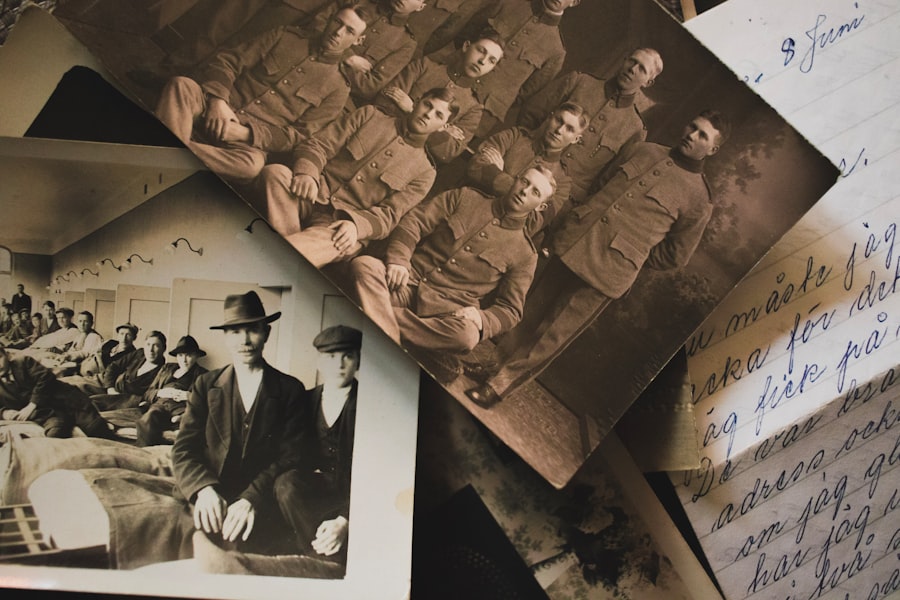
The process of uncovering suppressed origins relies heavily on meticulous archival research. This involves looking beyond obvious sources and exploring records that may have been overlooked or were not initially considered relevant.
Beyond the Census: Exploring Underexplored Records
While census records are foundational, tracing suppressed origins often requires delving into more specialized and less commonly accessed archives. These documents, created for various administrative, legal, or personal purposes, can hold invaluable clues.
- Church and Parish Records: Beyond baptisms, marriages, and burials, church records can sometimes contain notations related to excommunication, illegitimacy, or dispensations. Parish registers might also document the movement of individuals within their diocese.
- Court and Legal Documents: Probate records, land deeds, divorce decrees, and criminal court dockets can reveal familial relationships, disputes, and social standing. These records are particularly useful for identifying heirs, debts, and the legal dissolution of family ties.
- Wills and Testaments: Wills can be a goldmine of information, revealing beneficiaries, marital status, and even estranged relatives. The way a will is worded, or who is omitted, can be as telling as what it explicitly states.
- Military Records: Military service can leave behind a wealth of documentation, including enlistment papers, service records, and pension applications. These records can document birthplace, next of kin, and even prior occupations or health conditions.
- Immigration and Naturalization Papers: For immigrant ancestors, these documents often contain detailed personal information, including place of birth, parents’ names, and previous residences. Discrepancies in these records could indicate an attempt to obscure origins.
- Property and Tax Records: Ownership of land and the payment of taxes can provide insights into an ancestor’s economic status and location, offering a tangible link to their life.
The Power of Secondary Sources and Local Histories
While primary documents are essential, understanding the broader historical context and the nuances of specific communities can be equally important.
- Local History Books and Newspapers: Local archives and historical societies often maintain collections of local histories, family genealogies compiled by previous researchers, and digitized newspaper archives. These can provide micro-histories of communities and individuals, sometimes mentioning individuals or events that might not appear in national records.
- Genealogical Society Records: Many genealogical societies hold extensive collections, including family trees, research notes, and indexes of records that may not be widely available elsewhere.
- Scholarly Articles and Books on Social History: Academic research on social history, demographics, and specific historical periods can provide context for understanding patterns of migration, social mobility, and the reasons behind suppressed family narratives.
DNA and the Digital Age: Modern Tools for Ancient Puzzles

In recent decades, advancements in genetic genealogy and the proliferation of online databases have revolutionized the field of ancestral research. These tools can be particularly potent when traditional documentary research hits a wall, as is often the case with suppressed origins.
Leveraging Genetic Genealogy
DNA testing offers a unique avenue for discovery, providing direct links to biological relatives and insights into ancestral origins at a genetic level.
- Autosomal DNA Testing: This type of testing examines DNA inherited from both parents and is useful for tracing genealogical connections within the last five to seven generations. Matching with DNA relatives can reveal previously unknown branches of the family.
- Y-DNA and mtDNA Testing: Y-DNA traces the paternal lineage, while mtDNA traces the maternal lineage. These tests can be valuable for investigating deep ancestral origins and confirming or refuting rumored patriarchal or matriarchal lines.
- Interpreting DNA Matches: Working with DNA matches requires careful analysis. Comparing shared matches, researching their known family trees, and triangulating information can help identify common ancestors and untangle complex relationships, even those deliberately obscured.
Navigating Online Databases and Archives
The digitization of historical records has opened up unprecedented access to information, streamlining the research process.
- Online Genealogy Platforms: Websites such as Ancestry.com, FamilySearch, and MyHeritage offer vast collections of digitized records, including census data, birth, marriage, and death records, and immigration lists. These platforms can also facilitate DNA testing and the discovery of DNA matches.
- Archival Websites (e.g., National Archives, State Archives): Many national and state archives are progressively digitizing their collections and making them searchable online. This allows for remote access to a wide range of historical documents that were once only accessible through in-person visits.
- Newspaper Archives (e.g., Chronicling America, NewspaperArchive): Digitized newspaper archives can be a treasure trove of information, revealing obituaries, marriage announcements, social news, and even court proceedings that can shed light on family events and relationships.
Tracing suppressed family origins can be a complex yet rewarding journey, often requiring a deep dive into historical records and personal narratives. For those interested in understanding how demographic factors influence family histories, a related article explores the implications of Mexico’s demographic edge and its labor advantage. This piece provides valuable insights that may help individuals connect broader societal trends to their own family stories. To learn more about this fascinating topic, you can read the article here.
The Aftermath of Discovery: Integrating and Understanding
| Methods | Advantages | Disadvantages |
|---|---|---|
| Genealogical research | Provides historical context | Requires extensive time and effort |
| Genetic testing | Can reveal hidden family connections | May not provide specific details |
| Oral history interviews | Preserves family stories | Relies on memory and interpretation |
Uncovering suppressed origins is not simply about finding names and dates; it is about reconstructing a more complete and nuanced understanding of one’s heritage. The integration of this new knowledge requires careful consideration and a process of reconciliation.
Reconstructing the Family Narrative
Once disparate pieces of information begin to coalesce, the task becomes one of weaving them into a coherent narrative, acknowledging all aspects of the family’s story, even the challenging ones.
- Connecting the Dots Between Documented and Undocumented Ancestors: The goal is to bridge the gaps, linking known ancestors to the newly discovered individuals. This often involves meticulous cross-referencing of names, dates, locations, and familial relationships.
- Acknowledging the Reasons for Suppression: Understanding why certain information was hidden is crucial for interpreting its significance. This involves considering the historical context and the pressures faced by previous generations.
- The Ethics of Disclosure: When uncovering sensitive information about living relatives or recent ancestors, it is important to consider the ethical implications of disclosure. Respect for privacy and the potential impact of the revelation on individuals should be carefully weighed.
Embracing a Fuller Identity
The knowledge gained from tracing suppressed origins can profoundly impact an individual’s sense of self and their connection to their heritage. This can be a process of both challenge and enrichment.
- Redefining Family Identity: The discovery may lead to a revision of what constitutes “family” and a broader appreciation for the diverse experiences that shaped the lineage. This can involve accepting the complexities and contradictions within the family history.
- Understanding Generational Patterns: Recognizing suppressed origins can illuminate recurring patterns of behavior, resilience, or hardship within the family. This understanding can foster greater empathy for ancestors and contribute to a more informed perspective on present-day family dynamics.
- The Ongoing Nature of Research: Tracing suppressed origins is rarely a finite process. It is often an ongoing journey of discovery, with new questions arising and new avenues of research opening up as more information becomes available. The commitment to understanding one’s roots can be a lifelong endeavor.
FAQs
What does it mean to have suppressed family origins?
Suppressed family origins refer to a lack of information or knowledge about one’s family history, often due to intentional concealment or lack of documentation.
Why would someone want to trace suppressed family origins?
People may want to trace suppressed family origins to gain a better understanding of their heritage, identity, and potential genetic health risks. It can also provide a sense of connection and belonging.
What are some common challenges in tracing suppressed family origins?
Common challenges in tracing suppressed family origins include limited or missing historical records, intentional misinformation, and the passage of time leading to a lack of living relatives with knowledge of the family’s history.
What are some methods for tracing suppressed family origins?
Methods for tracing suppressed family origins include conducting genealogical research, utilizing DNA testing services, interviewing older relatives, and accessing historical records such as census data, immigration records, and church registries.
Are there any ethical considerations when tracing suppressed family origins?
Yes, there are ethical considerations when tracing suppressed family origins, particularly in cases where sensitive or painful family history may be uncovered. It’s important to approach the process with sensitivity and respect for the privacy and emotions of living relatives.