The Sahara, a vast canvas of shifting sands and ancient rock formations, has long held its secrets close. But beneath its seemingly barren surface, a rich tapestry of life from eons past lies waiting to be discovered. Paleontologists, armed with an unwavering dedication and a keen eye for the subtle clues etched in stone, are painstakingly unearthing the hidden fossil record of this colossal desert, revealing a world astonishingly different from the one we know today. These expeditions are not merely about finding ancient bones; they are about piecing together the grand narrative of Earth’s history, understanding past climates, and tracing the evolutionary journeys of creatures that once roamed these now-arid lands.
The Sahara of prehistory was a vastly different place, a landscape punctuated by vast, shallow seas, teeming with marine life. The fossil evidence unearthed from these ancient watery expanses paints a picture of a vibrant and diverse ecosystem, a far cry from the iconic dunes that dominate the region today. These discoveries offer crucial insights into the dynamic geological and climatic shifts that have shaped North Africa over millions of years.
The Tethys Sea’s Legacy: A Submerged World
Marine Reptiles of the Cretaceous
During the Cretaceous period, a vast ocean known as the Tethys Sea covered much of what is now the Sahara Desert. This ancient sea was a cradle of life, home to a remarkable array of marine reptiles that have left their fossilized remains for modern scientists to find. These discoveries are particularly significant as they provide a window into the apex predators and specialized fauna of this bygone era.
Ichthyosaur and Plesiosaur Remains: Giants of the Deep
The discovery of ichthyosaur and plesiosaur fossils in the Sahara is a testament to the sea’s former extent. These marine reptiles, often referred to as “sea dragons” and “long-necked swimmers” respectively, were perfectly adapted to their aquatic environment. Ichthyosaurs, with their streamlined bodies and fish-like appearance, were swift hunters, while plesiosaurs, with their long necks, were likely ambush predators. Finding their skeletal remains, often remarkably preserved in sedimentary rock, allows paleontologists to reconstruct their anatomy, infer their feeding habits, and understand their place within the Cretaceous marine food web. The sheer size of some of these creatures, when unearthed, evokes a sense of awe and underscores the immense scale of life that once inhabited these waters. Detailed analysis of bone structure, tooth morphology, and joint articulations helps scientists differentiate between species and understand their evolutionary relationships to other marine reptiles found globally.
Mosasaur Discoveries: The Tyrannosaurs of the Sea
Mosasaur fossils are another compelling find from the Saharan Cretaceous. These formidable marine lizards, often possessing powerful jaws and sharp teeth, were the apex predators of their time, ruling the Tethys Sea with a fearsome efficiency. Their discovery in North Africa adds crucial pieces to the puzzle of their global distribution and evolutionary history. The Saharan mosasaurs often exhibit unique adaptations, reflecting the specific environmental conditions of their habitat. Studying their cranial features, such as the shape and arrangement of their teeth, provides evidence of their diet, which likely included fish, cephalopods, and even other marine reptiles. The presence of distinct mosasaur lineages in the Sahara further strengthens the understanding of Gondwanan biogeography and the interconnectedness of ancient marine ecosystems. Researchers meticulously document the geological context of each find, noting the rock strata and associated fossils to accurately date the specimens and understand the paleoenvironment.
Ammonites and Bivalves: The Common Denominators
While the large marine reptiles capture the imagination, the more common fossils of ammonites and bivalves are equally vital to understanding the Saharan marine past. These invertebrates, found in abundance, act as powerful index fossils, allowing for precise dating of rock layers and providing insights into the biodiversity and water conditions of the Tethys Sea.
Ammonite Assemblages: Clocks in Stone
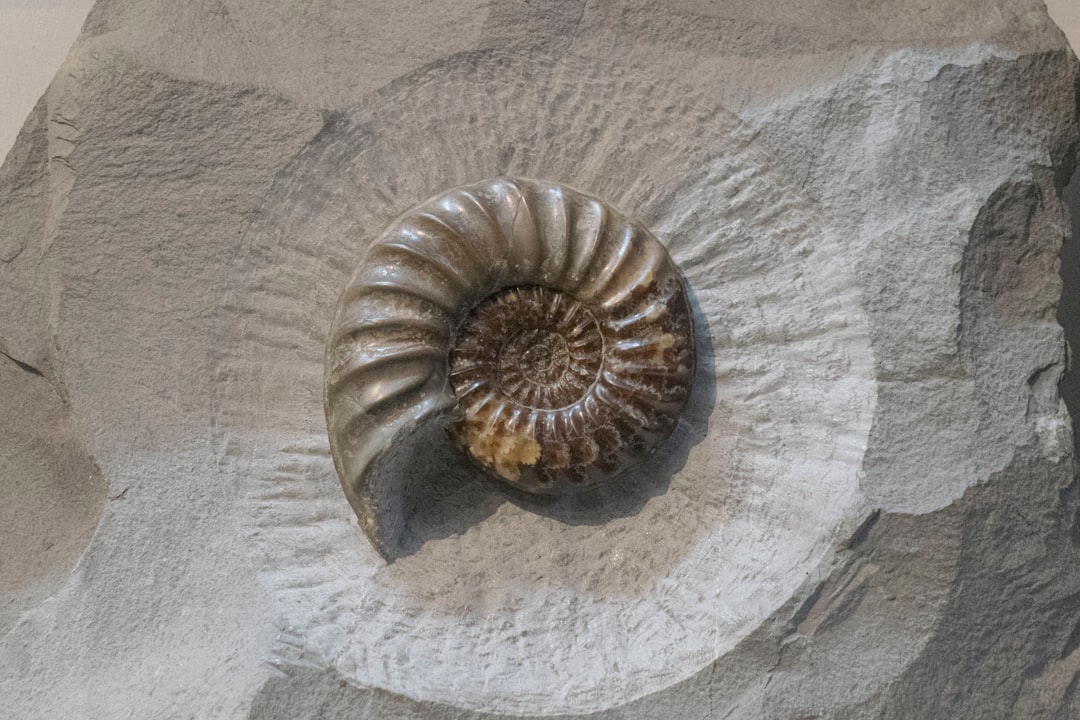
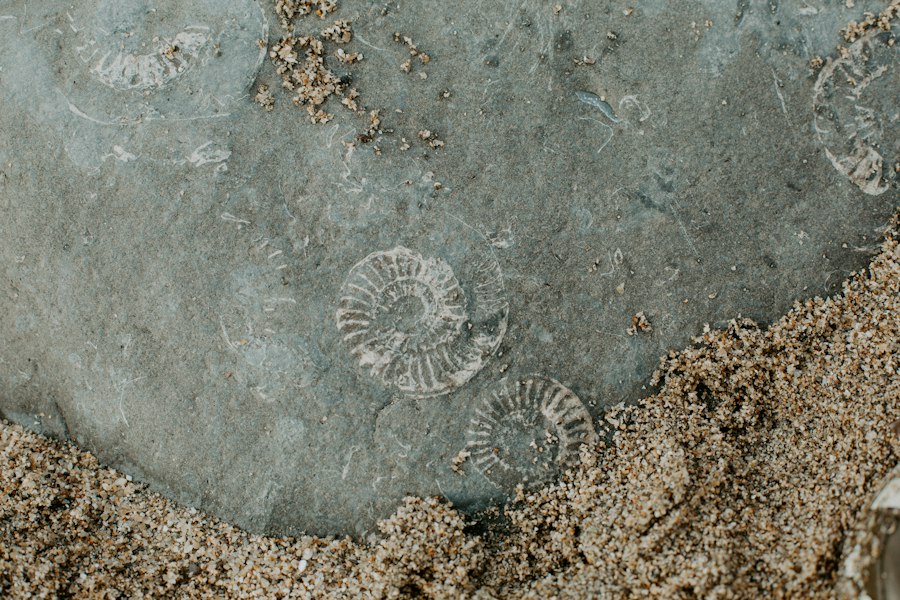
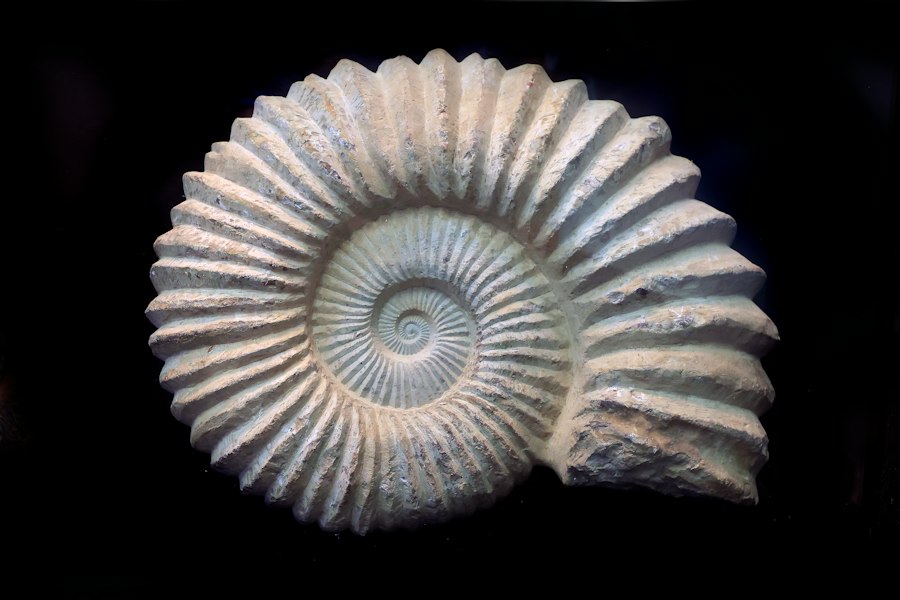
Ammonites, with their coiled shells, are one of the most frequently encountered marine fossils in the Sahara. Their rapid evolution and widespread distribution make them invaluable for stratigraphy. Different species of ammonites existed for relatively short periods, meaning that the specific types found in a rock formation can pinpoint its age with remarkable accuracy. Paleontologists meticulously catalog these ammonite assemblages, comparing them to established ammonite zones worldwide to correlate rock layers across vast distances. This allows for the reconstruction of ancient sea levels, currents, and the overall geological history of the region. The diversity of ammonite shapes and ornamentation also hints at the varied ecological niches they occupied within the Tethys Sea.
Bivalve Communities: Windows into the Seafloor
Bivalves, such as clams and oysters, are another significant component of the Saharan fossil record. Their fossilized shells reveal details about the seafloor environment, including substrate type, salinity, and water depth. Large accumulations of bivalve shells can indicate areas of slow sedimentation or specific ecological communities that thrived in particular conditions. Studying the types of bivalves present, their growth patterns, and any signs of predation or infestation provides a nuanced understanding of the ancient benthic ecosystem. They offer a more grounded perspective on the everyday life of the ancient seas, complementing the more dramatic narratives of the great marine reptiles.
Recent discoveries have shed light on the hidden fossils beneath the Sahara, revealing a rich tapestry of ancient life that once thrived in this now arid region. These findings not only enhance our understanding of prehistoric ecosystems but also provide insights into the climatic changes that have shaped the Sahara over millennia. For a broader context on how historical factors, such as ancient debt peonage systems, have influenced societal developments, you can explore this related article: Uncovering Ancient Debt Peonage Systems: A Historical Perspective.
The Dawn of Terrestrial Life: Ancient Flora and Early Vertebrates
As the Tethys Sea receded, the Saharan landscape began to transform, giving rise to terrestrial ecosystems. The fossil record from these periods reveals the initial colonization of land by plants and the emergence of early vertebrate life, laying the groundwork for the complex terrestrial fauna that would eventually inhabit the region.
Paleozoic Plant Fossils: The Green Revolution
The Paleozoic era, prior to the dominance of dinosaurs, saw the gradual establishment of plant life on land. Fossilized remains of ancient plants, though often fragmented, offer crucial evidence of these early terrestrial pioneers in the Sahara.
Ferns and Lycophytes: Colonizing the Arid Frontier
The discovery of fossilized ferns and lycophytes, ancient relatives of clubmosses, in the Sahara indicates periods where the climate was significantly wetter than today. These hardy plants were among the first to colonize terrestrial environments, adapting to various conditions. Their fossilized fronds, stems, and spore-bearing structures provide insights into the types of vegetation that flourished, influencing soil formation and providing the initial food source for early terrestrial animals. The presence of these plants suggests ancient river systems, swamps, or more humid savanna-like environments that have long since vanished.
Evidence of Early Forests: A Lush Past
In certain regions of the Sahara, fossilized wood and leaf impressions point to the existence of ancient forests. These discoveries are rare and highly prized, as they offer a glimpse into the structure and composition of these prehistoric woodlands. The types of trees identified, such as ancient conifers or early gymnosperms, help paleontologists reconstruct the overall paleoenvironment and the broader ecological context. These findings challenge the modern perception of the Sahara as solely an arid expanse, revealing a dynamic past where lush vegetation once thrived.
Early Vertebrate Footprints: The First Steps on Land
The transition from water to land by vertebrates was a monumental evolutionary step, and fossilized footprints are often the earliest and most compelling evidence of this shift. The Sahara, in its ancient past, has yielded such precious clues.
Tetrapod Trackways: Pioneers of Locomotion
The discovery of tetrapod trackways – the fossilized footprints of four-limbed vertebrates – in Saharan rock formations is a profound indicator of early terrestrial life. These impressions, left in ancient mud or sand, reveal the gait, size, and locomotion patterns of these pioneering animals. They represent some of the earliest evidence of animals moving and interacting on land. Analyzing the spacing and depth of these footprints allows scientists to infer the speed at which the animals moved, whether they were walking or running, and even the number of individuals present. These trackways are invaluable for understanding the behavioral ecology of extinct creatures that left no skeletal remains.
Early Amphibians and Reptiles: Laying the Foundation
While skeletal remains of early terrestrial vertebrates are rarer in the Sahara than their tracks, occasional finds of fossilized bones from early amphibians and reptiles are immensely significant. These fragments provide direct evidence of the animals themselves, allowing for their classification and the study of their anatomical features. Such discoveries help researchers trace the evolutionary lineage of terrestrial vertebrates and understand the challenges and adaptations involved in colonizing new environments. The Saharan finds contribute to a global understanding of vertebrate evolution during pivotal periods.
The Age of Giants: Dinosaurs of the Sahara
The Sahara, particularly during the Mesozoic Era, was a stage for some of the most magnificent and formidable creatures to ever walk the Earth: the dinosaurs. While the iconic fossil sites of North America and Asia are more widely known, the Sahara has yielded a growing number of spectacular dinosaur discoveries, rewriting our understanding of dinosaur distribution and evolution.
Sauropod Supremacy: Long Necks and Colossal Bodies
The vast, open plains and riverine systems that once characterized parts of the Sahara were ideal habitats for the colossal sauropods, the long-necked, herbivorous dinosaurs that are among the largest land animals to have ever lived.
Reconstructing Giant Herbivores
The discovery of sauropod vertebrae, limb bones, and pelvic girdles in the Sahara provides tangible evidence of these giants. These fossils, often immense in size, allow paleontologists to reconstruct their skeletal structure, estimate their body mass, and infer their feeding strategies. The presence of specific sauropod species in North Africa helps to understand their migration patterns and the extent of their ancient ranges. The sheer volume of plant material required to sustain these creatures also hints at the rich vegetation that must have existed in these prehistoric Saharan landscapes.
Spinosaurus: A Predatory Enigma
Perhaps the most famous Saharan dinosaur, Spinosaurus aegyptiacus, is a testament to the unique and formidable fauna that roamed the region. This massive theropod, known for its distinctive sail-like structure on its back and its long, crocodile-like snout, was a semi-aquatic predator, a remarkable adaptation for a dinosaur of its size.
Spinosaurus Rediscovered: A Semi-Aquatic Hunter
The story of Spinosaurus is one of rediscovery and evolving understanding. First described from fossils found in Egypt in the early 20th century, the original specimens were tragically destroyed during World War II. However, subsequent discoveries in Morocco, and more recently further afield, have allowed for a more complete picture of this extraordinary dinosaur to emerge. The anatomical features of Spinosaurus, including its dense bones, paddle-like tail, and conical teeth, strongly suggest a lifestyle spent hunting in and around rivers and shallow seas. This unique adaptation sets it apart from other large theropods and highlights the diverse ecological roles dinosaurs occupied.
The “Sail” Debate: Function and Form
The prominent “sail” of Spinosaurus has been a subject of much scientific debate. Theories regarding its function range from thermoregulation and display to species recognition. Modern reconstructions, based on new fossil evidence, suggest that the sail was supported by elongated neural spines and may have been used for a combination of these purposes. Understanding the biomechanics and potential function of this unusual appendage provides invaluable insights into the evolutionary pressures and adaptations that shaped this remarkable creature.
Other Theropods and Ornithopods: Diverse Predatory and Herbivorous Niches
Beyond the giants, the Saharan fossil record reveals a diverse array of other dinosaur groups, each occupying specific ecological niches.
Carcharodontosaurids: The “Shark-Toothed” Predators
The Sahara has been a treasure trove for fossils of carcharodontosaurids, a group of large carnivorous dinosaurs characterized by their blade-like teeth, resembling those of sharks. These formidable predators often rivaled tyrannosaurs in size and predatory prowess.
Discoveries in the Kem Kem Beds: A Dinosaur Hotspot
The Kem Kem Beds, a geological formation spanning parts of Morocco and Algeria, have become a world-renowned dinosaur hotspot, yielding a remarkable number of carcharodontosaurid fossils. Species like Carcharodontosaurus saharicus have been unearthed here, providing crucial evidence of the apex predators that dominated the Late Cretaceous landscape. Studying these fossils helps paleontologists understand the evolutionary relationships within this group and their biogeographical distribution across Gondwana.
Ankylosaurs and Other Armored Dinosaurs: Defenses Against Predators
While less common than predatory dinosaurs, evidence of armored dinosaurs like ankylosaurs has also been found in the Sahara. These herbivorous dinosaurs possessed heavy bony plates and sometimes spikes, offering a formidable defense against the large theropods of the time. Their discovery suggests a more complex food web with herbivores developing specialized defensive strategies.
Saharan Ornithopods: The Herbivorous Majority
Ornithopods, a diverse group of bipedal and quadrupedal herbivores, were likely a significant component of the Saharan dinosaurian fauna. While complete skeletons can be rare, fossilized teeth, limb bones, and skull fragments provide evidence of their presence and help to reconstruct their ecological importance. These discoveries contribute to a broader understanding of dinosaurian herbivore diversity and their role in shaping prehistoric ecosystems.
The K-Pg Extinction and its Aftermath: A New Dawn
The end of the Cretaceous period, marked by the devastating K-Pg extinction event, saw the demise of the non-avian dinosaurs. The Sahara, like the rest of the world, experienced profound ecological shifts. The fossil record from the subsequent Paleogene period reveals the emergence of new life forms and the gradual recovery and diversification of terrestrial ecosystems.
Post-Extinction Recovery: The Rise of Mammals
Following the mass extinction, mammals, which had previously existed in the shadow of dinosaurs, began to diversify and occupy the ecological niches left vacant.
Early Mammalian Fossils: Survivors and Innovators
The Sahara has yielded fossil evidence of early mammals from the Paleogene period. These discoveries, though often fragmentary, are crucial for understanding the evolutionary trajectory of mammals after the K-Pg event. They reveal the adaptations that allowed them to survive and thrive in the post-extinction world, paving the way for the incredible diversity of mammalian life we see today. The presence of specific mammalian groups can also indicate the types of habitats available and the food sources they exploited.
Paleogene Flora and Fauna: Reshaping the Landscape
The plant life also underwent changes, with new species evolving and spreading. The fossil record from this period shows a transition in flora, reflecting altered climatic conditions and the colonization of newly available habitats. The combination of changing plant life and the diversification of animal life paints a picture of a world in transition, slowly rebuilding after a catastrophic event.
Ancient Crocodilians and Other Reptiles: Enduring Lineages
While many reptilian groups were severely impacted by the K-Pg extinction, some lineages, such as crocodilians, managed to survive and continue to evolve.
Saharan Crocodilians: Survivors of the Apocalypse
Fossilized remains of ancient crocodilians from the Paleogene and Neogene periods found in the Sahara demonstrate the resilience of this group. These fossils provide insights into their ancient diversity, habitat preferences, and evolutionary adaptations during a period of significant environmental change. The presence of large crocodilians suggests the existence of substantial water bodies and a rich aquatic food web in these ancient Saharan landscapes.
Tortoises and Lizards: Adapting to New Environments
Fossil evidence of ancient tortoises and lizards also contributes to the post-extinction narrative. These reptiles, with their varied adaptations, demonstrate their ability to survive and diversify in the new ecological conditions. Their fossilized remains help researchers understand how these groups colonized new habitats and evolved in response to changing climates and available resources.
Recent discoveries have revealed hidden fossils beneath the Sahara, shedding light on ancient ecosystems that once thrived in this arid region. These findings not only enhance our understanding of prehistoric life but also highlight the importance of geological studies in uncovering Earth’s history. For those interested in how modern industries, such as electric vehicle manufacturing, are evolving in response to environmental changes, a related article can be found here: electric vehicle manufacturing. This connection emphasizes the ongoing relationship between our past and present, as we strive to innovate while learning from the lessons of history.
Modern Paleontological Endeavors: Technology and Teamwork
| Location | Depth | Age of Fossils |
|---|---|---|
| Sahara Desert | Several meters below the surface | Millions of years old |
| Specific Sites | Varies by location | Depends on the geological history |
| Types of Fossils | Various species of ancient plants and animals | From different geological periods |
Uncovering the hidden fossils of the Sahara is a monumental undertaking, requiring not only scientific expertise but also considerable logistical planning and advanced technological tools. Modern paleontological expeditions are a testament to human ingenuity and collaborative spirit.
Advanced Survey and Exploration Techniques
The days of simply stumbling upon fossils are largely over. Modern exploration relies on sophisticated techniques to maximize efficiency and minimize impact.
Remote Sensing and Satellite Imagery: Mapping Potential Sites
Remote sensing technologies and satellite imagery play a crucial role in identifying promising geological formations within the vastness of the Sahara. Scientists can analyze landforms, rock types, and vegetation patterns from afar, pinpointing areas with a higher probability of containing fossiliferous deposits. This allows for more targeted and efficient ground surveys, saving valuable time and resources.
Geophysical Surveys: Peering Beneath the Surface
In some cases, geophysical survey methods, such as ground-penetrating radar, can be employed to investigate subsurface geological structures without extensive excavation. While direct fossil detection is limited, these techniques can help identify sedimentary layers likely to preserve fossils, guiding excavation efforts.
The Power of Collaboration: International Teams and Local Expertise
Sahara expeditions are rarely solo endeavors. They are typically collaborative efforts involving paleontologists, geologists, technicians, and local guides from various countries.
Interdisciplinary Teams: A Multitude of Skills
The complexity of fossil discovery and analysis necessitates interdisciplinary teams. Geologists are essential for understanding the rock formations and stratigraphy, while paleontologists focus on identifying and interpreting the fossils. Technicians assist with excavation and preservation, and logistics experts manage the challenging fieldwork in remote desert environments.
Engaging Local Communities: Knowledge and Sustainability
Working with local communities is paramount. Indigenous knowledge of the terrain, traditional tracking skills, and cultural understanding of the land are invaluable assets. Furthermore, involving local populations in the process ensures that discoveries are made responsibly and that the scientific endeavors contribute positively to the region and its people, fostering a sense of shared stewardship for these ancient treasures.
Digital Paleontology: From Field to Database
The digital revolution has profoundly impacted paleontology, transforming how fossils are documented, analyzed, and shared.
3D Scanning and Digital Reconstruction: Bringing Fossils to Life
Advanced 3D scanning technology allows for the creation of highly detailed digital models of fossils. These models can be used for virtual dissection, analysis of anatomical features, and even for creating realistic reconstructions of extinct animals. This technology also facilitates easier sharing of data with the global scientific community, fostering collaboration and accelerating research.
Big Data and Computational Analysis: Unlocking Complex Patterns
The vast amounts of data generated from Saharan fossil discoveries are now being analyzed using sophisticated computational tools and “big data” approaches. This allows researchers to identify complex patterns in fossil distribution, evolutionary trends, and paleoenvironmental reconstructions that would have been impossible to discern with traditional methods. The sheer scale of the Sahara’s fossil record makes it a prime candidate for such advanced analytical techniques.
The ongoing exploration of the Sahara continues to reveal astonishing chapters of Earth’s history. Each fossil unearthed is a whisper from the past, a tangible link to creatures and environments that have long since vanished. These discoveries not only enrich our scientific understanding but also ignite our imagination, reminding us of the planet’s deep time and the incredible resilience and diversity of life. The sands of the Sahara still hold countless secrets, and the tireless work of paleontologists promises to bring even more of these hidden stories to light, further illuminating the grand evolutionary saga of our planet.

They Found a Shark Graveyard in the Egyptian Desert
FAQs
What are hidden fossils beneath the Sahara?
Hidden fossils beneath the Sahara are the remains of ancient plants and animals that have been preserved in the desert’s rock formations. These fossils provide valuable information about the prehistoric environment and the creatures that once inhabited the region.
How are these fossils discovered?
These fossils are often discovered through the process of erosion, where wind and water gradually wear away the surface of the desert, exposing the fossilized remains beneath. Additionally, paleontologists and researchers actively search for fossils by carefully examining the layers of sediment and rock in the desert.
What kind of fossils have been found beneath the Sahara?
A wide variety of fossils have been found beneath the Sahara, including the remains of ancient mammals, reptiles, fish, and plants. These fossils date back to different geological periods, providing a rich and diverse record of prehistoric life in the region.
Why are these fossils important?
These fossils are important because they offer insights into the ancient ecosystems and climates of the Sahara, as well as the evolution of life on Earth. They also help scientists better understand the geological history of the region and the processes that have shaped it over millions of years.
What challenges are associated with studying hidden fossils beneath the Sahara?
Studying hidden fossils beneath the Sahara presents several challenges, including the harsh desert environment, limited accessibility to remote areas, and the delicate nature of the fossils themselves. Additionally, political instability in some parts of the region can make it difficult for researchers to conduct fieldwork and access important fossil sites.