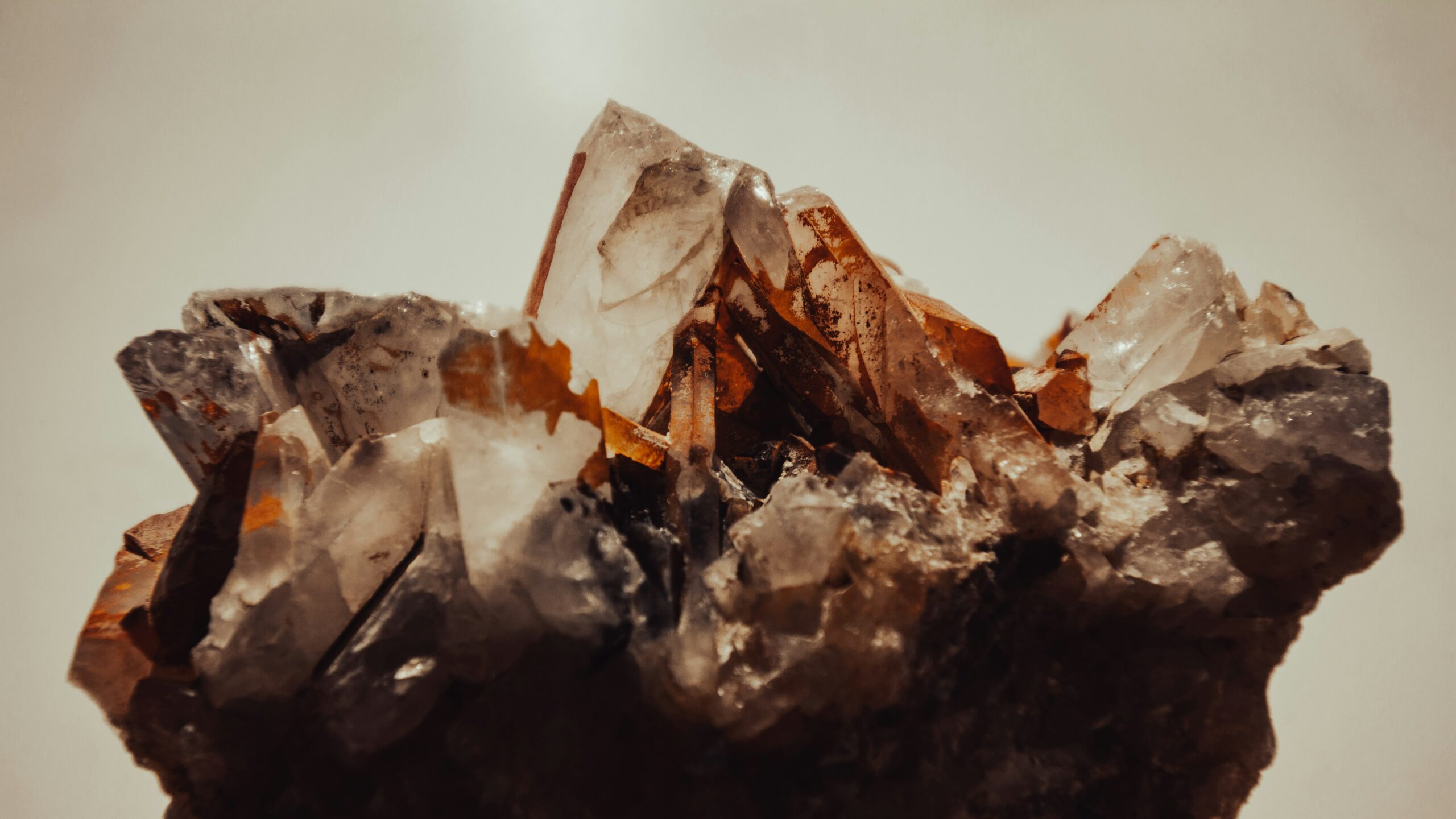
High-temperature minerals are naturally occurring chemical compounds that form under intense heat. Found in volcanically active regions or deep within the Earth’s mantle, these minerals are indicators of extreme thermal conditions. Their study is crucial for understanding geological processes and the history of our planet. In the realm of archaeology, however, the presence and analysis of high-temperature minerals offer a unique window into ancient human activities, revealing processes that were once thought to be beyond the capabilities of early civilizations. This field of study, though specialized, is unraveling layers of technological ingenuity, resource exploitation, and cultural practices that have long remained hidden within the archaeological record.
The discovery and utilization of metals marked a pivotal turning point in human history, ushering in the Bronze Age and subsequently the Iron Age. The sophisticated processes required to extract and manipulate these valuable materials often left behind traces that, when examined through the lens of high-temperature mineralogy, provide unprecedented insights into the technological prowess of ancient peoples. The deliberate transformation of raw ores into usable metals necessitates the application of sustained, elevated temperatures, far exceeding those encountered in everyday domestic life. The mineralogical signatures left behind are not merely byproducts but are fundamental evidence of these ancient industrial activities.
The Alchemical Transformation: From Rock to Metal
The journey from a geologically formed ore body to a finished metal artifact is a complex chemical and physical transformation, heavily reliant on achieving and maintaining specific temperature regimes. Ores, which are naturally occurring rocks or minerals containing sufficient quantities of a desired metal to be economically mined, rarely present the metal in its pure form. Instead, they are typically found as compounds, often oxides, sulfides, or carbonates, where the metal is chemically bound to other elements. The fundamental challenge for ancient metallurgists was to break these chemical bonds, a process known as reduction, which requires significant energy input in the form of heat.
Identifying the Ores: The Building Blocks of Metallurgy
Before any smelting can occur, the selection of appropriate ores was a critical initial step. Ancient prospectors and miners needed to identify mineral deposits that were rich in metals and, crucially, amenable to extraction with the technologies available to them. This involved a keen understanding of geology, often gained through generations of practical experience. The types of ores exploited varied depending on the metal being targeted and the geographical location. For copper, common ores included malachite (a copper carbonate), azurite (another copper carbonate), and cuprite (a copper oxide). Iron was primarily sourced from hematite (iron oxide) and magnetite (iron oxide). Lead was often found as galena (lead sulfide).
The identification of these ores in archaeological contexts, whether as raw materials awaiting processing, fragments within smelting sites, or even as residual slag, is a primary objective. Mineralogical analysis, employing techniques such as X-ray diffraction (XRD) and optical microscopy, allows archaeologists to definitively identify the mineral phases present. This not only confirms the presence of specific ore minerals but can also offer clues about the provenance of the raw materials, potentially revealing trade networks and resource exploitation patterns. For instance, finding malachite deposits in conjunction with ancient copper smelting sites would be a direct link between raw material source and processing location.
The Role of Fluxes: Facilitating the Reaction
Simply heating an ore is often insufficient to liberate the desired metal. The presence of impurities within the ore, such as silica or alumina, can form stubborn compounds that are difficult to break down or can hinder the flow of molten metal. To overcome these challenges, ancient metallurgists employed fluxes – substances that, when heated, react with impurities to form a molten slag that is less dense than the metal and can be easily separated. Common fluxes included limestone, which decomposes to calcium oxide, and silica-rich rocks or clays.
The mineralogy of fluxes is also a key area of investigation. The analysis of slagged materials, the glassy residue left behind after smelting and separating the metal from impurities, can reveal the composition of the original flux and the interactions that occurred during the smelting process. Certain mineral phases within slag, such as gehlenite or melilite, are indicative of the high temperatures and the chemical reactions involving fluxes and gangue (unwanted) minerals. Understanding the choice of fluxes provides insight into the metallurgists’ empirical knowledge of chemical reactions and their ability to manipulate them for practical purposes.
High temperature minerals play a crucial role in understanding the geological processes on celestial bodies, which can provide insights into potential resources for future space exploration. For instance, the article on the economic value of lunar helium-3 discusses how high temperature minerals found on the Moon could be pivotal for energy production on Earth. This connection between mineralogy and economic potential highlights the importance of high temperature minerals in both archaeology and future resource utilization. To learn more about this fascinating topic, you can read the article here: The Economic Value of Lunar Helium-3.
The Crucible of Transformation: High-Temperature Ceramics in Ancient Technology
Beyond metallurgy, high-temperature ceramics played a vital role in numerous ancient technologies, from food preparation to industrial processes. The ability to create durable vessels and structures capable of withstanding significant heat was a testament to the early development of material science and a deep understanding of clay properties. The mineralogical analysis of these ceramic artifacts provides a direct link to the temperatures achieved and the manufacturing techniques employed.
Firing and Transformation: The Genesis of Ceramic Materials
When clay, a naturally occurring mixture of fine-grained minerals primarily composed of hydrated aluminum silicates, is heated to high temperatures, a profound transformation occurs. The water molecules trapped within the clay structure are driven off, and the mineral particles begin to fuse together. This process, known as firing, results in a hard, durable, and often impermeable material – ceramic. The specific mineral phases that form during firing are highly dependent on the initial composition of the clay and, crucially, the peak firing temperature reached.
Understanding Firing Temperatures: A Mineralogical Thermometer
The mineralogical composition of fired ceramics acts as an intrinsic thermometer, allowing archaeologists to estimate the temperatures to which the artifacts were subjected. For example, the presence of certain crystalline phases, like mullite (an aluminum silicate) or cristobalite (a high-temperature form of silica), is a strong indicator that temperatures of 900°C or higher were achieved. The absence of these phases, or the presence of certain clay minerals that survive lower temperatures, can suggest less intensive firing.
Techniques such as X-ray diffraction (XRD) are indispensable for identifying these mineral phases. By comparing the diffraction pattern of an archaeological ceramic sample to known mineral standards, researchers can determine the crystalline structure and thus infer the firing conditions. Furthermore, the degree of vitrification – the formation of a glassy, amorphous phase – is another indicator of firing temperature. Higher temperatures lead to greater vitrification, which can be assessed microscopically or through measurements of porosity and water absorption.
Delving into the Kiln: Ceramic Technology and its Environment
The study of high-temperature ceramics extends beyond the finished artifact to the context of their production. Kilns, the structures used for firing pottery and other ceramic objects, often leave behind distinctive mineralogical signatures. The refractory materials used to construct kilns themselves, such as firebricks or natural stones, undergo mineralogical changes under repeated high-temperature exposure. Analyzing the mineralogy of kiln linings can reveal the firing temperatures maintained within the structure, the duration of firing, and even the type of fuel used.
For instance, the presence of clinker, a fused glassy material that forms in the hottest parts of a kiln, can be indicative of temperatures exceeding 1200°C. The mineral phases within clinker, such as gehlenite or various feldspar solid solutions, provide further evidence for inferring firing conditions. The composition of ash residues found within kilns can also offer clues about the fuels used, which in turn can impact the thermal profile and the overall efficiency of the firing process. Understanding these micro-environmental mineralogical changes within kilns provides a holistic view of ancient ceramic production.
Verifying Archaeological Claims: The Science of OSL and TL Dating
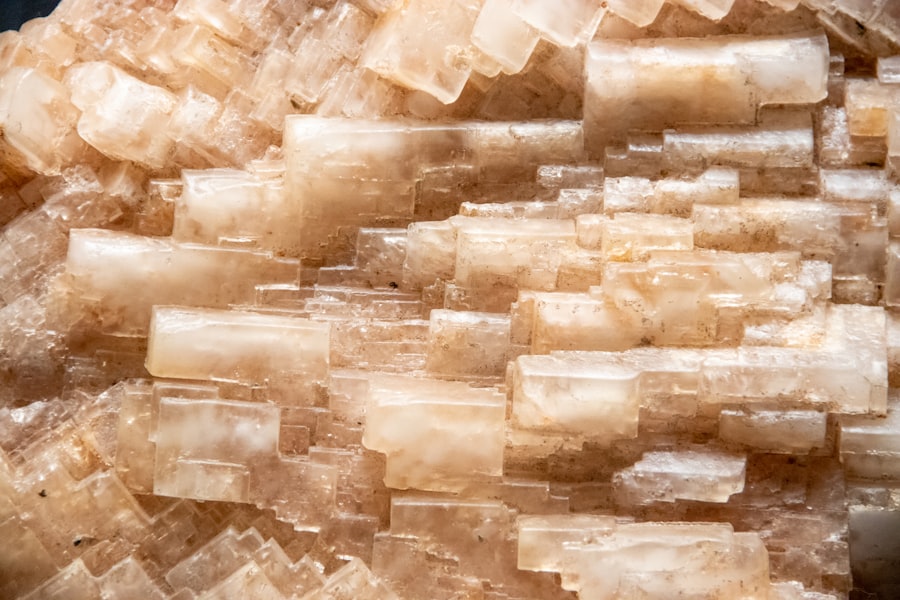
While not directly analyzing high-temperature minerals themselves, luminescence dating techniques, such as Optically Stimulated Luminescence (OSL) and Thermoluminescence (TL), rely on fundamental principles related to the interaction of radiation with mineral grains. These methods indirectly harness the behavior of certain minerals under specific conditions to provide chronological information about archaeological sites. Their application is crucial for verifying the age of contexts where high-temperature processes are suspected or confirmed.
The Principles of Luminescence: Trapping the Light of the Past
Minerals, particularly quartz and feldspar, possess defects within their crystal lattices. When exposed to naturally occurring radiation from radioactive elements in the surrounding soil and rocks, electrons can become excited and trapped within these defects, accumulating over time. This stored energy is invisible until it is released. Luminescence dating methods exploit the release of this stored energy as light.
Thermoluminescence (TL) Dating: Heating to Reveal the Past
Thermoluminescence dating works by heating a mineral sample to a high temperature (typically several hundred degrees Celsius) in a laboratory setting. This heating process causes the trapped electrons to gain enough energy to escape their traps and recombine with positively charged “holes.” This recombination process releases energy in the form of light, a phenomenon known as thermoluminescence. The intensity of this emitted light is proportional to the total radiation dose the mineral has received since its last “zeroing event” – an event that effectively reset the trapped electron population, such as exposure to sunlight or high temperatures during a fire or kiln firing.
The mineralogical composition of the sample is critical for TL dating. Quartz and feldspar are the primary minerals of interest because of their luminescence properties. The analysis of mineral purity and the presence of other luminescent or quenching minerals can affect the accuracy of the dating. Therefore, understanding the mineralogy of the sample is a prerequisite for reliable TL dating. Furthermore, TL dating is particularly useful for dating materials that have been exposed to high temperatures, such as pottery, fired bricks, and burnt flint, which are direct products of high-temperature processes.
Optically Stimulated Luminescence (OSL) Dating: Polishing the Chronological Record
Optically Stimulated Luminescence (OSL) dating is similar in principle to TL dating, but instead of using heat, it uses specific wavelengths of light to stimulate the release of trapped electrons. When a mineral sample is exposed to light of a certain wavelength while buried, trapped electrons are released and recombine, emitting light. In the laboratory, OSL dating involves exposing the sample to a controlled light source (often blue or infrared) and measuring the emitted luminescence. The intensity of the emitted light is again proportional to the radiation dose received since the last zeroing event.
OSL dating is particularly valuable for dating sediments, allowing archaeologists to date the layers in which artifacts are found. However, it can also be applied to fired materials if the zeroing event was sufficiently high temperature to reset the OSL signal. The principle behind both TL and OSL dating lies in the physical properties of the mineral lattice and its interaction with radiation and energy input. Therefore, a strong understanding of mineralogy underpins the reliability and applicability of these crucial chronological tools in archaeology.
The Environmental Footprint: Mineral Residues and Ancient Landscapes
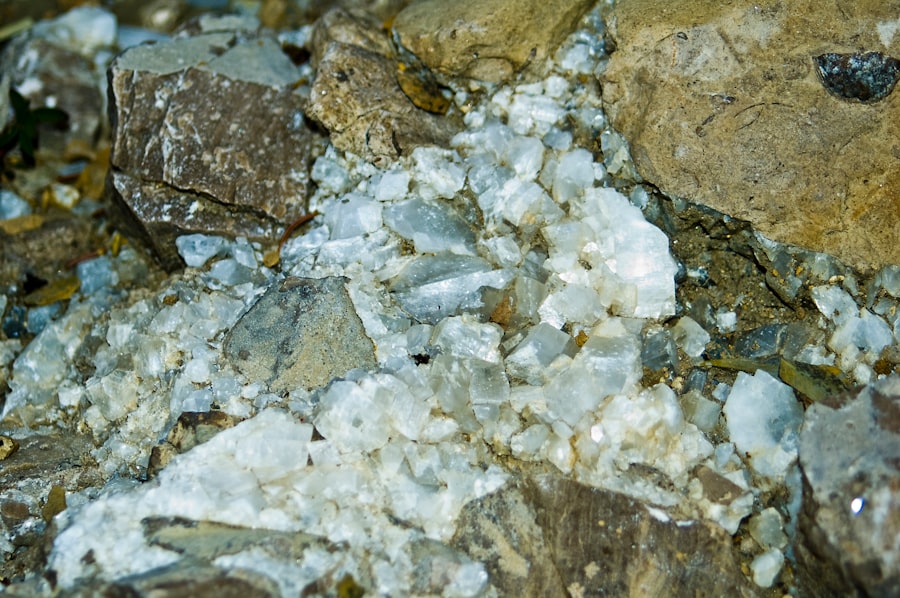
The application of high temperatures in ancient societies invariably left behind mineral residues that can provide valuable information about the environmental impact and resource management practices of past populations. The study of these residues allows archaeologists to reconstruct not only technological processes but also the broader ecological context in which these activities took place.
Slag and Waste Products: Echoes of Industrial Activity
As discussed in the context of metallurgy, slag is a ubiquitous byproduct of smelting operations. The mineralogical analysis of slag provides a direct fingerprint of the smelting process, including the types of ores used, the effectiveness of reduction, and the presence of fluxes. However, slag is not the only mineral residue generated by high-temperature activities.
Analyzing Fired Earth and Ceramics: More than Just Pottery
The firing of pottery and the construction of kilns and furnaces also result in the alteration of the surrounding environment. Fired earth, or hearth debris, from ancient domestic hearths or outdoor cooking areas contains mineralogical evidence of the temperatures reached and the types of materials being combusted. The presence of vitrified materials within hearth contexts can indicate extremely high temperatures, possibly associated with specialized activities like metalworking or stone boiling.
The study of ceramics themselves, beyond their use as dating tools, can offer insights into their intended purpose and the environmental conditions they were subjected to. For instance, residues found on the interior surfaces of cooking pots can be analyzed mineralogically to identify the types of foodstuffs being processed. The presence of specific mineral inclusions within the ceramic fabric can also indicate the source of the clay and the potential for local resource exploitation.
Understanding Fuel Consumption and its Mineralogical Traces
The combustion of fuel – wood, charcoal, dung, or other organic materials – is the primary source of the heat required for many ancient technologies. While the direct mineralogical traces of the organic fuel itself are fleeting, the impact of combustion on inorganic materials can be significant. Ash, for example, is a rich source of mineral residues derived from the inorganic components of the fuel and any materials that were combusted along with it.
The mineralogy of ash can provide clues about the types of fuel used and the temperatures achieved during combustion. For example, the presence of specific mineral forms of calcium, such as quicklime (calcium oxide) or calcium carbonate, can indicate the burning of calcareous materials or the presence of ash from fuels with high mineral content. Furthermore, if ash is incorporated into ceramic production or used as a temper in pottery, its mineralogical characteristics can be preserved and analyzed.
High temperature minerals play a significant role in archaeology, particularly in understanding ancient civilizations and their technological advancements. For instance, recent studies have explored how these minerals were utilized in the production of tools and artifacts, shedding light on the resourcefulness of early humans. An intriguing related article discusses the navigation techniques of ancient cultures, revealing how they may have used natural resources, including minerals, to enhance their exploratory capabilities. You can read more about this fascinating topic in the article unraveling the ancient navigation mystery.
The Expanding Frontiers: Future Directions in High-Temperature Mineralogy and Archaeology
| Mineral | Location | Usage in Archaeology |
|---|---|---|
| Quartz | Worldwide | Used in dating techniques such as thermoluminescence dating |
| Corundum | Asia, Africa, Australia | Found in ancient jewelry and tools |
| Zircon | Global | Used for dating ancient materials due to its high temperature resistance |
The field of high-temperature mineralogy in archaeology is a dynamic and evolving area of research, with ongoing advancements in analytical techniques and theoretical understanding continually pushing the boundaries of what can be discovered. The integration of multidisciplinary approaches promises to unlock even deeper insights into ancient human ingenuity and cultural practices.
Advanced Analytical Techniques: Deeper Insights, Finer Resolutions
The development of more sophisticated analytical techniques is at the forefront of progress in this field. Non-destructive methods are particularly valuable, allowing for the analysis of rare or precious artifacts without causing damage.
Synchrotron and Neutron Diffraction: Probing the Atomic Structure
Techniques such as synchrotron X-ray diffraction and neutron diffraction offer unparalleled abilities to probe the atomic structure of materials. These methods can provide high-resolution information about mineral phases, crystal defects, and the precise arrangement of atoms within minerals. Such detailed structural information can be crucial for understanding the subtle changes that occur during high-temperature processes and for differentiating between similar mineral phases that might be indicative of slightly different thermal regimes or chemical environments.
In-Situ and High-Temperature Microscopy: Observing Processes in Action
The development of in-situ microscopy techniques, which allow for the observation of materials under controlled high-temperature conditions in real-time, is a groundbreaking advancement. By simulating ancient firing or smelting processes in a laboratory setting and observing the mineralogical transformations that occur under the microscope, researchers can gain a much deeper understanding of the kinetics and mechanisms of these ancient technologies. This allows for more accurate interpretations of the mineralogical evidence found at archaeological sites.
Computational Modeling and Experimental Archaeology: Recreating the Past
The integration of computational modeling and experimental archaeology is another crucial avenue for future research. By combining theoretical simulations with practical experimentation, archaeologists can develop and test hypotheses about ancient technologies.
Simulating Ancient Processes: From Ores to Artifacts
Computational models can be used to simulate the intricate chemical and physical processes that occur during smelting, firing, and other high-temperature activities. These models, often based on thermodynamic principles and mineralogical data, can help predict the mineralogical outcomes of various scenarios, aiding in the interpretation of archaeological findings. For instance, a model could predict the range of mineral phases expected in slag produced from a specific ore with a given flux at a particular temperature.
Replicating Ancient Technologies: Hands-On Learning
Experimental archaeology, which involves the replication of ancient technologies using traditional methods and materials, provides invaluable practical data. By attempting to smelt ores, fire pottery using reconstructed kilns, or forge metals using ancient techniques, researchers can gain firsthand experience of the challenges and nuances involved. The mineralogical analysis of the products of these experiments can then be directly compared to archaeological evidence, validating or refining interpretations. This hands-on approach offers a tangible connection to the past and highlights the empirical knowledge of ancient artisans.
Interdisciplinary Collaboration: Bridging Geology and Archaeology
The future of high-temperature mineralogy in archaeology hinges on continued interdisciplinary collaboration. Geologists, mineralogists, materials scientists, and archaeologists must work together to share expertise and data. This synergistic approach will undoubtedly lead to new discoveries and a more comprehensive understanding of the complex interplay between human innovation and the mineral world throughout history. The continued unveiling of the secrets held within high-temperature minerals promises to enrich our understanding of humanity’s journey from early stone tools to the complex civilizations that shaped our world.

What Heated These Minerals? (The Abu Hureyra Mystery)
FAQs
What are high temperature minerals in archaeology?
High temperature minerals in archaeology are minerals that have been altered by exposure to high temperatures, such as those found in hearths, kilns, or other ancient fire-related activities. These minerals can provide valuable information about past human activities and technological advancements.
How are high temperature minerals used in archaeology?
High temperature minerals are used in archaeology to study ancient human activities, such as pottery making, metalworking, and other forms of ancient technology. By analyzing these minerals, archaeologists can gain insights into the techniques and materials used by past societies.
What types of high temperature minerals are commonly found in archaeological sites?
Common high temperature minerals found in archaeological sites include quartz, feldspar, mica, and various types of clay minerals. These minerals can undergo physical and chemical changes when exposed to high temperatures, leaving behind distinct signatures that can be studied by archaeologists.
How do archaeologists analyze high temperature minerals?
Archaeologists analyze high temperature minerals using various techniques, such as petrography, X-ray diffraction, and scanning electron microscopy. These methods allow researchers to examine the mineral composition, structure, and alterations caused by high temperatures.
What can the study of high temperature minerals tell us about ancient societies?
The study of high temperature minerals can provide valuable information about ancient societies, including their technological capabilities, trade networks, and cultural practices. By analyzing these minerals, archaeologists can reconstruct past activities and gain a deeper understanding of human history.