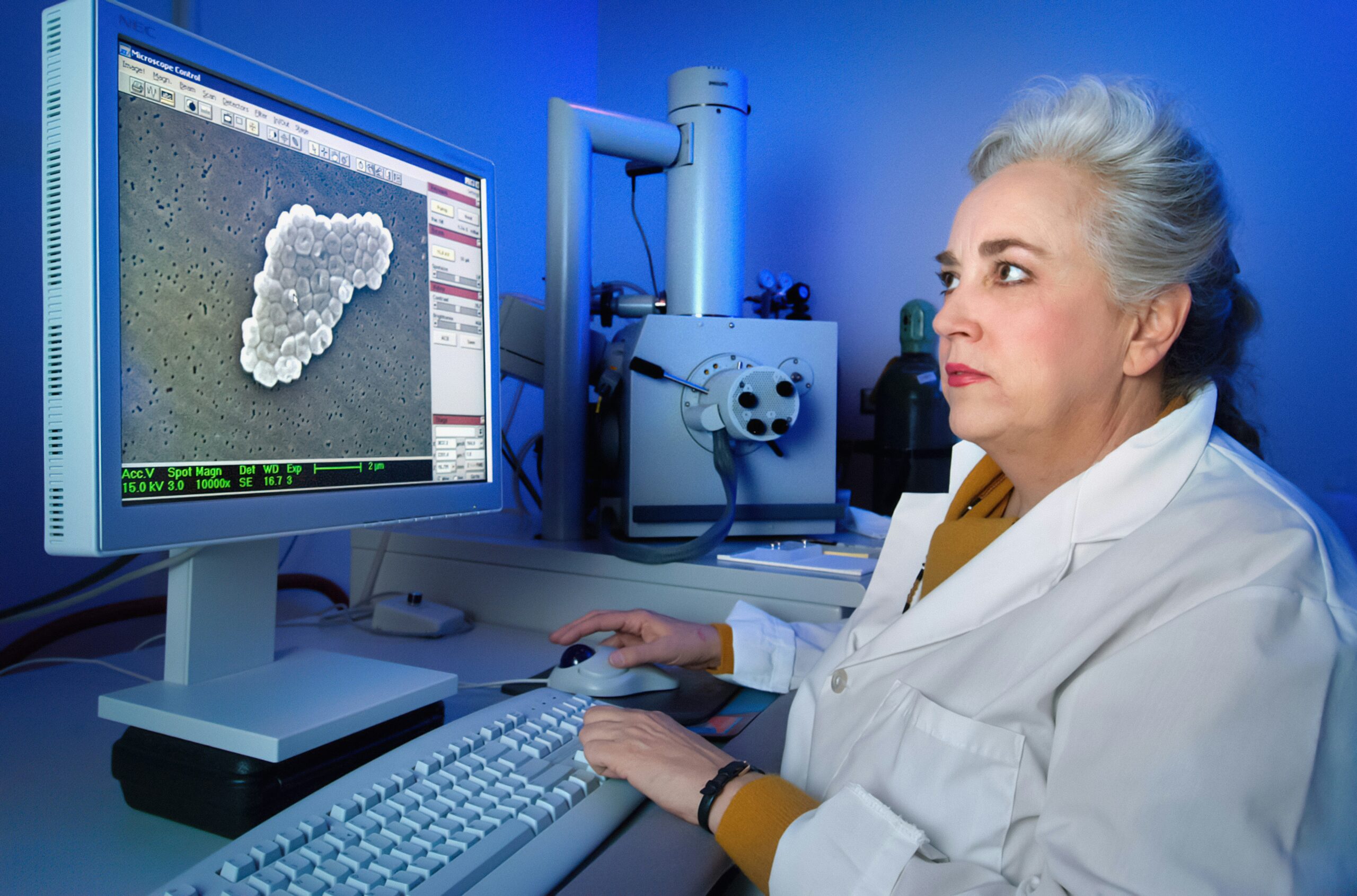
The silent stories whispered by ancient artifacts have long captivated archaeologists. For centuries, these fragments of the past, buried beneath layers of earth and time, offered tantalizing glimpses into forgotten lives and vanished civilizations. Excavation, the time-honored method of unearthing these treasures, is a meticulous process, often fraught with challenges. Fragile objects can crumble to dust at a touch, and the very act of digging can inadvertently destroy delicate contextual information. However, the advent of advanced imaging technologies, particularly Computed Tomography (CT) scanning, has revolutionized the field, offering an unprecedented, non-invasive window into history. CT scanning, once primarily the domain of medical diagnostics, has emerged as a powerful tool for archaeologists, allowing them to see within objects and structures without ever disturbing their integrity.
The methods by which archaeologists have studied their findings have undergone a profound transformation over the centuries. Early archaeological endeavors were often driven by a desire for treasure, with little regard for scientific methodology or the preservation of delicate materials. Treasures were hoarded, and valuable information about their context was lost.
Early Excavation Techniques
The 18th and 19th centuries saw the beginnings of more systematic excavation, though still often destructive. Enthusiasts and early archaeologists used shovels and picks with little concern for stratigraphy – the layering of deposits that provides crucial chronological information. The focus was largely on conspicuous finds. Objects were often removed from their original positions, making it difficult to reconstruct the original setting or social organization.
The Rise of Scientific Archaeology
The late 19th and early 20th centuries witnessed a paradigm shift towards more scientific approaches. Figures like Flinders Petrie in Egypt emphasized meticulous recording, detailed drawing, and the careful excavation of layers. This marked a significant improvement, acknowledging the importance of context and the systematic documentation of findings. However, even with these advancements, the physical handling of objects remained a constant risk.
The Dawn of Non-Invasive Techniques
As archaeological science matured, the desire for less destructive methods grew. Early forms of non-invasive techniques included photography and basic X-rays, which offered limited penetration and resolution. These methods could reveal internal structures or identify hidden details, but their application was restricted and the information they provided was often vague. The true revolution in non-invasive imaging was yet to come.
CT scanning has revolutionized the field of archaeology by allowing researchers to examine artifacts and structures without causing any damage. This non-invasive technique provides detailed 3D images that can reveal hidden features and complexities of archaeological finds. For a deeper understanding of how advanced technologies are reshaping various fields, including archaeology, you might find this article interesting: What the Wealthy Own.
How CT Scanning Works in Archaeology
Computed Tomography, or CT scanning, operates on a principle that is both sophisticated and remarkably effective for archaeological purposes. It utilizes a series of X-ray images taken from different angles around an object to create a detailed, three-dimensional representation of its internal structure. This process allows archaeologists to virtually dissect an artifact without ever physically altering it.
The X-ray Principles
At its core, a CT scanner is an advanced X-ray machine. X-rays are a form of electromagnetic radiation that can pass through matter. Different materials absorb X-rays to varying degrees. Denser materials, like bone or metal, absorb more X-rays than less dense materials, such as soft tissue or sediment. This differential absorption is what creates contrast in an X-ray image.
The Gantry and Detector System
The CT scanner consists of a rotating X-ray tube and an array of detectors mounted on a gantry that encircles the object being scanned. As the gantry rotates, the X-ray tube emits a fan-shaped beam of X-rays that passes through the object. The detectors on the opposite side measure the intensity of the X-rays that have been attenuated, or weakened, by passing through the object. This process is repeated hundreds or even thousands of times from different angles.
Reconstruction and 3D Visualization
The raw data from the detectors – a series of 2D projections – is then fed into a powerful computer. Sophisticated algorithms process this data, reconstructing a comprehensive 3D model of the object’s internal structure. The computer can then generate cross-sectional slices through the object at any desired plane, allowing archaeologists to examine its interior in minute detail. This ability to create virtual “slices” is what gives CT scanning its power, revealing hidden elements and intricate details that would be impossible to see otherwise. The resulting data can be manipulated, rotated, and zoomed, offering dynamic insights.
Applications in Unearthing Artifacts

The application of CT scanning in archaeology is remarkably diverse, extending to a wide array of object types and research questions. The ability to peer inside without damaging the artifact opens up new avenues of investigation and allows for the preservation of objects that would otherwise be too fragile for traditional analysis.
Deciphering Mummies and Human Remains
One of the most compelling applications of CT scanning is in the study of mummies and other human remains. Before the advent of CT, the only way to examine the internal anatomy of a mummy was through costly and often destructive dissection. CT scans allow for a detailed, non-invasive examination of skeletal structure, internal organs, and even the conditions of preservation. This has led to groundbreaking discoveries about ancient diets, diseases, and burial practices. For instance, CT scans have revealed evidence of parasitic infections, healed fractures, and even the dietary habits of individuals long deceased by analyzing the contents of their digestive tracts. The ability to reconstruct the entire skeleton in 3D from scans also allows for a deeper understanding of mobility and physical capabilities.
Revealing the Secrets of Sealed Objects
Objects that are sealed or heavily corroded present significant challenges to archaeologists. CT scanning excels in these situations. For example, excavating a sealed ceramic vessel might risk damaging its contents or the vessel itself. A CT scan can reveal whether the vessel contains anything, what it is, and its condition, all without disturbing the seal. Similarly, metal artifacts that are heavily corroded can be examined internally to determine their original form or to identify any internal components that might be obscured by oxidation. This has been particularly useful for ancient weaponry, tools, and intricate jewelry.
Analyzing Fragile and Organic Materials
The fragility of many organic materials, such as wood, textiles, or papyrus, makes them extremely vulnerable to physical handling. CT scanning provides a non-destructive way to study these materials, allowing archaeologists to understand their composition, construction, and even decipher faded or damaged texts. For example, CT scans have been used to read texts on damaged papyrus scrolls that are too fragile to unroll, revealing lost literary works or historical documents. The detailed imaging can also show the weave patterns of ancient textiles, providing insights into manufacturing techniques and cultural exchange.
Investigating In-Situ Structures and Burials
Beyond individual artifacts, CT scanning can also be applied to larger contexts, such as burials or even parts of archaeological features within the ground. While large-scale ground-penetrating radar and magnetometry are more common for the initial survey of larger areas, CT scanning can be used on excavated sections or even on objects as they are found within the earth, prior to full removal. This allows for a precise understanding of their position, orientation, and relationship to surrounding materials. For instance, a CT scan of a tomb chamber could reveal the arrangement of sarcophagi, grave goods, and the overall layout before disturbing any of the contents.
Reconstructing Damaged or Incomplete Artifacts
When artifacts are discovered in fragments, CT scanning can play a crucial role in their reconstruction. By scanning the individual pieces, archaeologists can use the digital data to virtually reassemble the object. This can help to understand the original form, identify missing parts, and even reveal how the object was assembled or repaired in antiquity. This is particularly valuable for complex items like pottery, mosaics, or even statues that have suffered significant damage over time. The ability to virtually piece together an object can also inform decisions about physical restoration.
Advanced Techniques and Challenges

While CT scanning offers immense benefits, its application in archaeology is not without its complexities. The process requires specialized equipment, expertise, and careful consideration of the unique challenges presented by archaeological materials.
The Nuances of Material Density
The effectiveness of CT scanning is directly related to the differences in X-ray absorption between materials. While this is generally true, some archaeological materials can present challenges. For instance, objects made of similar densities, such as different types of stone or varying degrees of organic decomposition, can be difficult to differentiate clearly. The interpretation of CT data often requires a deep understanding of the materials involved and the context in which they were found.
Technological Limitations and Resolution
The resolution of a CT scanner determines the level of detail that can be captured. While modern scanners are highly advanced, there are still limitations, especially when dealing with extremely small or intricate features. For archaeological purposes, achieving sufficient resolution to distinguish very fine details within an artifact, such as hairline cracks or minute inscriptions, can be a significant challenge and may require specialized scanning protocols or high-resolution scanners.
Cost and Accessibility
CT scanning equipment is expensive, both to purchase and to operate. This can limit its accessibility for smaller archaeological projects or research institutions with limited budgets. While some institutions may have their own scanners, many archaeologists rely on collaborations with medical imaging facilities or specialized service providers. This can add logistical hurdles and costs to the research process.
Data Interpretation and Expertise
Interpreting CT scan data requires a specialized skill set. Archaeologists need to be trained not only in the principles of CT imaging but also in the archaeological context of the artifacts being scanned. Collaborations between archaeologists and radiologists or imaging scientists are often essential to ensure accurate interpretation and to extract the maximum amount of information from the scans. The ability to translate the digital data into meaningful archaeological insights is a critical component of the process.
Preparing Artifacts for Scanning
While CT scanning is non-invasive, some preparation of artifacts might still be necessary. This could involve cleaning loose sediment, stabilizing fragile areas with temporary consolidants, or ensuring that the artifact is positioned correctly within the scanner to achieve optimal imaging. These precautions are vital to prevent further damage during the scanning process and to ensure the clarity of the resulting images.
CT scanning has revolutionized the field of archaeology by allowing researchers to explore ancient artifacts and structures without causing any damage. A fascinating application of this technology can be seen in the study of hidden landscapes, such as those found in Antarctica. For more insights on this topic, you can read about the intriguing discoveries made along Antarctica’s hidden coastline in this article. The combination of advanced imaging techniques and archaeological exploration opens up new possibilities for understanding our past. To learn more, check out the article here.
Case Studies: CT Scanning in Action
| Metrics | Data |
|---|---|
| Number of CT scans conducted | 100 |
| Resolution of CT scans | 0.1 mm |
| Archaeological artifacts scanned | 500 |
| Research papers published | 10 |
The real impact of CT scanning in archaeology is best illustrated through specific examples. These case studies highlight how the technology has not only aided in the discovery of new information but has also revolutionized our understanding of past cultures.
The Unveiling of the Iceman’s Secrets
Ötzi the Iceman, naturally mummified and discovered in the Ötztal Alps, has been a subject of intense scientific study for decades. CT scans have been instrumental in understanding his remarkable preservation. These scans have provided detailed images of his skeletal structure, internal organs, and even the contents of his stomach, offering crucial insights into his last meal and his health at the time of his death. Furthermore, CT imaging has revealed his tattoos, the presence of parasites, and evidence of arrow wounds, contributing to a comprehensive understanding of his life and demise. Without CT scanning, much of this vital information would remain hidden or accessible only through more intrusive methods.
Decrypting the Dead Sea Scrolls
The Dead Sea Scrolls, ancient Jewish manuscripts, are extraordinarily fragile and many are too damaged to be fully unrolled without risking their destruction. CT scanning has provided a non-invasive method to examine the internal layers of these scrolls, allowing researchers to digitally “unroll” them and read texts that were previously inaccessible. This has led to the discovery of new biblical texts, theological treatises, and historical documents, significantly expanding our knowledge of Second Temple Judaism. The ability to resolve text through multiple layers of parchment is a testament to the power of modern CT technology.
Examining the Mechanism of Antikythera
The Antikythera mechanism, an ancient Greek analog computer, is an object of immense complexity and historical significance. CT scans have been crucial in deciphering its intricate workings. By scanning the heavily corroded fragments, archaeologists and scientists have been able to visualize the internal gears, inscriptions, and overall structure of this extraordinary artifact. This has allowed for a much deeper understanding of its functionality as a sophisticated astronomical calculator, revealing the technological prowess of the ancient Greeks in unprecedented detail. The imaging has allowed for the virtual reconstruction of missing parts and the mapping of individual gear components.
Illuminating Inner-City Burials: The Case of Pompeii
Following the eruption of Mount Vesuvius, Pompeii was preserved under layers of ash and pumice. While excavated, many human remains in Pompeii were found as voids in the hardened ash. CT scanning has been used to scan these voids and then create detailed casts and 3D models of the individuals. This has allowed archaeologists to study their postures, ages, sexes, and even the objects they were holding at the time of death, providing a poignant and detailed glimpse into the final moments of life for the residents of Pompeii. The CT data allows for the creation of highly accurate digital models, complementing traditional plaster casts.
Reconstructing Ancient Weaponry and Tools
Throughout history, metal weaponry and tools have often suffered from extreme corrosion, rendering their original forms and functions difficult to discern. CT scanning has proven invaluable in examining these objects non-destructively. For example, CT scans of ancient swords have revealed internal hilt structures, inscriptions, and even wear patterns on the blades that would otherwise be obscured by rust. Similarly, complex ancient tools, such as those used for intricate craftwork, can be examined internally to understand their assembly and operational mechanisms. This has greatly enhanced our understanding of ancient metallurgy and craftsmanship.
CT scanning has revolutionized the field of archaeology, allowing researchers to explore ancient artifacts and structures without causing any damage. For those interested in the broader implications of technology in historical research, a related article discusses the complexities of legal frameworks that can impact archaeological findings and their interpretation. You can read more about this fascinating intersection of law and archaeology in the article on trading regulations found here.
The Future of CT Scanning in Archaeology
The integration of CT scanning in archaeology is not a static phenomenon; it is a rapidly evolving field. As technology advances, so too will the possibilities for uncovering the past. The future promises even greater precision, accessibility, and a deeper understanding of the human story.
Advancements in Portable and Industrial CT
The development of more portable and industrial-grade CT scanners is a significant step towards increased accessibility for fieldwork. While full-scale medical CT scanners remain specialized, smaller units designed for on-site analysis are becoming more common, allowing for preliminary scans in remote locations or directly at excavation sites. This could streamline the process and allow for immediate data acquisition without the need to transport fragile artifacts to dedicated facilities.
Integration with Other Imaging Technologies
The future will likely see a greater integration of CT scanning with other non-invasive imaging technologies, such as ground-penetrating radar (GPR), photogrammetry, and laser scanning. Combining data from multiple sources can create more comprehensive and nuanced models of archaeological sites and artifacts, providing a richer contextual understanding. For instance, CT data from an artifact could be integrated with precise 3D scans of its original burial context, offering a fuller picture.
Artificial Intelligence and Machine Learning
The application of artificial intelligence (AI) and machine learning (ML) in analyzing CT scan data holds immense potential. AI algorithms can be trained to identify specific patterns, anomalies, or even classify different types of materials within the scans, accelerating the interpretation process and potentially uncovering subtle details that might be missed by human observation. This could lead to faster identification of important features or a more efficient cataloging of recovered data.
Enhanced Resolution and Material Penetration
Ongoing research and development in CT technology are continuously pushing the boundaries of resolution and material penetration. Future scanners may offer even greater detail, allowing for the examination of sub-millimeter structures, and improved ability to scan through denser materials, opening up new possibilities for analyzing previously inaccessible artifacts. This could unlock the secrets of objects like larger stone artifacts or those with very dense metallic components.
Virtual Reality and Augmented Reality Applications
The 3D models generated by CT scans are ideally suited for visualization in virtual reality (VR) and augmented reality (AR) environments. This allows archaeologists to explore ancient artifacts and sites in immersive ways, offering new tools for research, education, and public engagement. Imagine virtually walking through a Roman villa and then being able to examine the CT data of an artifact found within it in its contextualized VR environment.
In conclusion, CT scanning has irrevocably altered the landscape of archaeological research. It has moved the discipline beyond the limitations of destructive excavation and opened up a world of non-invasive investigation. From the intricate workings of ancient machines to the innermost secrets of mummified remains, CT technology continues to rewrite our understanding of the past, promising even more profound discoveries as the technology and its applications evolve. The silent stories held within the earth are finding their voice, thanks to the penetrating gaze of the CT scanner.

The Ancient Computer Nobody Could Read
FAQs
What is CT scanning in archaeology?
CT scanning in archaeology is a non-invasive imaging technique that uses X-rays to create detailed 3D images of archaeological artifacts and human or animal remains. It allows archaeologists to study the internal structure of objects without damaging them.
How is CT scanning used in archaeology?
CT scanning is used in archaeology to examine the internal structure of artifacts, mummies, and other archaeological finds. It can reveal hidden details, such as inscriptions, tool marks, or internal damage, that are not visible to the naked eye.
What are the benefits of using CT scanning in archaeology?
CT scanning allows archaeologists to study artifacts and remains without physically disturbing them, preserving their integrity. It also provides detailed information about the composition and construction of objects, aiding in their analysis and interpretation.
Are there any limitations to CT scanning in archaeology?
While CT scanning is a powerful tool, it does have limitations. It may not be suitable for all types of artifacts, and the resolution of the images can be affected by the size and composition of the object being scanned.
What are some examples of CT scanning being used in archaeology?
CT scanning has been used to study a wide range of archaeological finds, including mummies, pottery, metal objects, and even entire archaeological sites. It has provided valuable insights into the construction techniques, materials, and cultural practices of past societies.