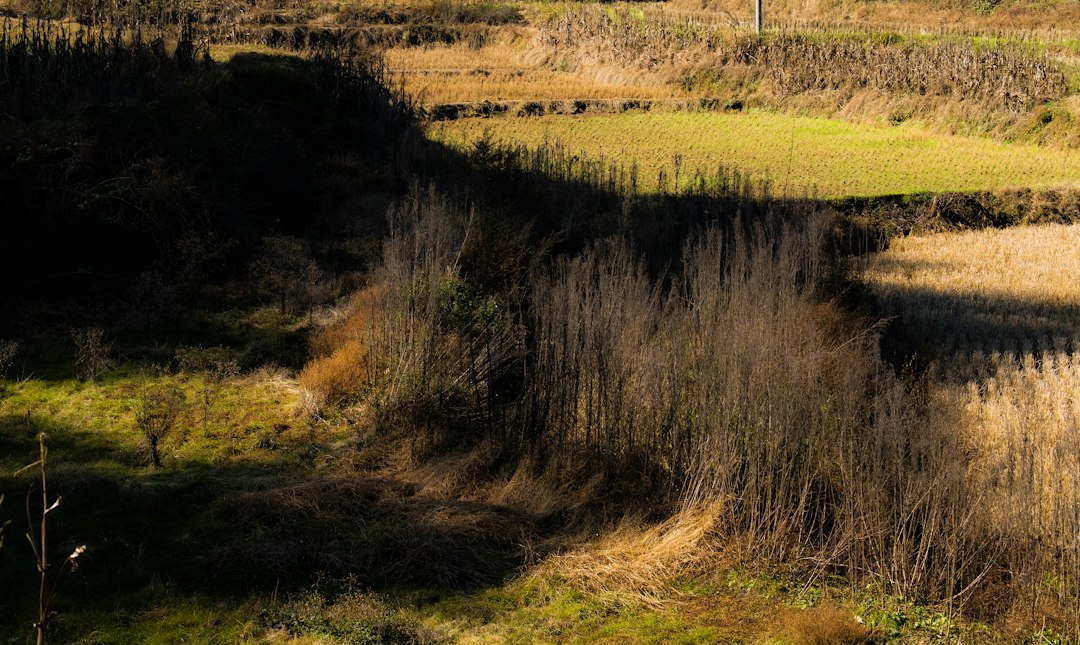
The quiet hum of modern life often belies the deep, ancient narratives etched into the very earth beneath our feet. Recent archaeological excavations have begun to peel back layers of time, revealing the remarkable ingenuity and societal structures of prehistoric peoples through the discovery of extensive ditch embankment walls. These monumental earthworks, once dismissed as mere geological anomalies or natural formations, are now being understood as sophisticated feats of engineering, deliberate constructions that served a multitude of purposes in early human societies. The ongoing unraveling of these subterranean secrets promises to reshape our understanding of prehistoric life, pushing back the timelines of organized labor, territorial marking, and communal defense.
Echoes from the Deep Past: The Nature of Prehistoric Ditch Embankments
The sheer scale and intricate design of these prehistoric ditch embankment walls are often the first elements to strike archaeologists. Far from being haphazard piles of earth, these structures exhibit a deliberate planning and execution that speaks volumes about the capabilities of ancient communities. Typically, they consist of a trench, or ditch, from which earth was excavated, and a corresponding bank, or embankment, formed by the spoil. The size of these features can vary dramatically, from relatively modest enclosures a few meters across to vast linear barriers stretching for kilometers across the landscape. The complexity also extends to their morphology, with some featuring multiple ditches and banks, creating formidable defensive perimeters or intricate internal divisions.
The Unearthing of Monumental Scale
The discovery of these features often begins with aerial photography, where subtle changes in vegetation or soil color can reveal the ghostly outlines of long-vanished structures. Ground-penetrating radar and LiDAR (Light Detection and Ranging) have further revolutionized the process, allowing archaeologists to “see” beneath the surface without disturbing the earth. These technologies have uncovered not just individual ditches but vast networks, suggesting the landscape was once intricately modified by human hands. In some regions, these ditch systems interlock, forming complex, interconnected systems that could have defined territories the size of small kingdoms or controlled movement across significant geographical areas. The labor required to excavate and move such volumes of earth, often using only rudimentary tools made from bone, stone, and wood, is staggering. It implies a level of social organization and cooperative effort that challenges previous assumptions about the capabilities of prehistoric populations.
Variations in Design and Construction Techniques
While the basic principle of a ditch and bank remains constant, the specifics of construction reveal a surprising diversity of approaches across different regions and time periods. Some embankments are broad and gently sloping, perhaps designed more for marking boundaries or as informal barriers. Others are steep-sided and imposing, clearly intended for defense. The depth and width of the associated ditches also vary, directly correlating with the effort expended and the perceived threat. Evidence of timber revetments, where wooden posts and planks were used to shore up the sides of ditches and banks, has been found in some sites, indicating a more sophisticated understanding of engineering principles and the need for long-term stability. The presence of different soil types, strategically placed within the embankments, also suggests a conscious effort to create durable structures.
The study of prehistoric ditch embankment walls offers fascinating insights into ancient civilizations and their methods of land management. These structures, often used for defense or drainage, reflect the ingenuity of early societies in adapting to their environments. For a broader understanding of how historical events can shape modern society, you may find it interesting to read about the potential implications of economic crises in the article on preparing for a US debt crisis. You can access it here: Preparing for a US Debt Crisis: What You Need to Know.
The Purpose Behind the Piles: Multifaceted Functions of Early Earthworks

The interpretation of the primary purpose of these ditch embankment walls has been a subject of extensive debate among archaeologists. While early theories often focused solely on defensive capabilities, a growing body of evidence suggests these structures served a far more complex and multifaceted role in prehistoric societies. They were not merely passive fortifications but active elements within the social, economic, and political landscape, shaping how people lived, interacted, and organized themselves.
Fortifications and Territorial Defense
The most intuitive interpretation of a ditch and bank is as a defensive structure. The presence of steep ditches, high banks, and often palisades or other wooden defenses atop the banks strongly supports this idea. These features would have presented a significant obstacle to attackers, slowing them down and making them vulnerable to projectiles or other defensive measures. Some of the larger linear earthworks, such as the famous Grim’s Ditch in England, have been interpreted as large-scale defensive lines, possibly intended to protect entire regions or control access to valuable resources. The strategic placement of these earthworks, often on high ground or across natural choke points, further bolsters the defensive hypothesis. Evidence of burned settlements adjacent to these earthworks can also point to periods of conflict and the use of these structures for protection.
Defining Boundaries and Social Order
Beyond outright defense, ditch embankment walls likely played a crucial role in defining and asserting territorial claims. They could have served as clear physical markers of ownership, separating different communities, clan territories, or even individual farmsteads. The establishment of such boundaries would have been essential for managing resources, regulating trade, and maintaining social order within and between groups. The scale of some linear earthworks, stretching for many miles, suggests they were not just local markers but represented a broader political or social division. These could have been used to delineate agricultural land, hunting grounds, or areas of religious significance. The psychological impact of such visible markers cannot be underestimated in shaping perceptions of belonging and exclusion.
Ritual and Symbolic Significance
Increasingly, archaeologists are recognizing the potential ritual and symbolic importance of these earthworks. Their creation often involved a significant communal effort, suggesting a shared undertaking with social and perhaps spiritual dimensions. The very act of constructing such a large-scale feature could have been a ritual in itself, a demonstration of collective identity and shared purpose. Some ditch systems are found in association with other ritual sites, such as burial mounds or stone circles, hinting at a connection to religious practices or beliefs. The placement of specific artifacts within the ditches, or the deliberate patterning of excavated material, might also point to symbolic actions. The mounds themselves could have been seen as artificial mountains, connecting the earthly realm with the sky or the underworld, depending on cultural beliefs.
Unraveling the Methods: Tools and Labor of Prehistoric Builders
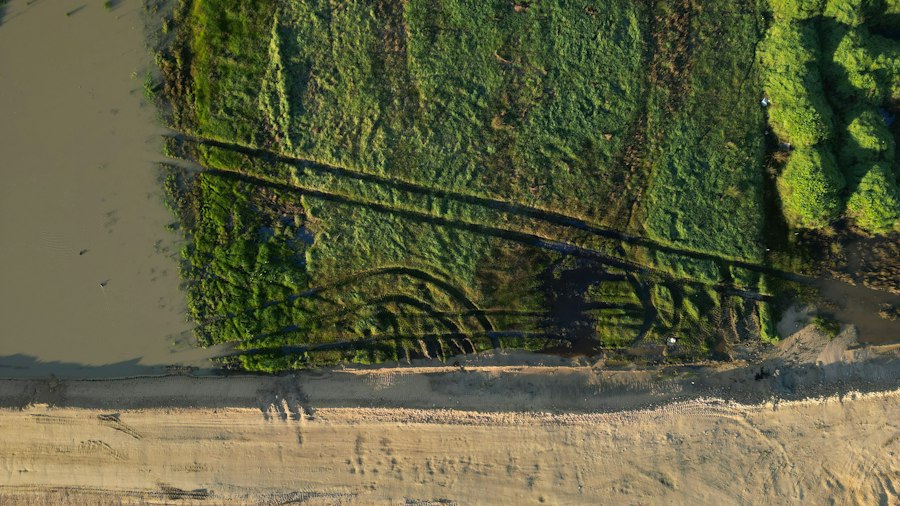
The construction of prehistoric ditch embankment walls represents a remarkable achievement of ancient engineering and social organization, especially when considering the limited technology available. The sheer scale of these undertakings required significant planning, coordination, and a substantial workforce. Understanding the tools and techniques employed offers a fascinating glimpse into the daily lives and capabilities of prehistoric peoples.
The Arsenal of the Ancient Earthworker
The primary tools available to prehistoric builders would have been those fashioned from readily available natural materials. Stone axes and adzes would have been crucial for felling trees and shaping wooden implements. Sharpened flint or obsidian could have been used for scraping and digging. Bone tools, such as scapulae (shoulder blades) or antlers, likely served as shovels or picks, capable of moving loose soil. Larger wooden stakes, driven into the ground, might have been used to loosen compacted earth before it was removed. Evidence of wear patterns on these tools can provide archaeologists with crucial clues about their use and effectiveness. In some instances, evidence of hearths and discarded tools at construction sites suggests that these were labor camps, where workers lived and toiled for extended periods.
The Power of the Collective: Mobilizing Labor
The construction of extensive ditch embankment walls was not a task for individuals but a collective endeavor. The organization of such a workforce implies a hierarchical or communal structure capable of coordinating labor on a large scale. This could have been achieved through kinship groups, village-wide efforts, or even more formalized systems of authority. The amount of time and effort required would have been significant, potentially impacting agricultural cycles and other daily activities. The ability to mobilize and sustain such a labor force speaks to a degree of social cohesion and a shared understanding of the project’s importance, whether it was defense, territory, or ritual. The discovery of specialized work areas within construction sites, where different tasks were carried out, can further illuminate the division of labor.
The Ingenuity of Soil Management
The effective removal and placement of vast quantities of soil were critical to the success of these projects. Prehistoric builders would have developed strategies for efficiently excavating the ditch and forming the bank. This might have involved a systematic approach to removing soil, perhaps in layers, and then transporting it to the embankment. The creation of ramps or causeways to move spoil could have been employed, particularly for larger constructions. The careful selection and placement of different soil types to ensure the stability of the embankment would have demonstrated a practical understanding of soil mechanics. The presence of multiple ditches and banks in some features suggests a layered approach to construction, with each element built sequentially to reinforce the previous one.
Navigating Time and Space: Dating and Distribution of Earthworks
The accurate dating and mapping of prehistoric ditch embankment walls are crucial for understanding their chronological development and geographical spread. These analyses help to place these constructions within broader historical narratives, revealing patterns of human migration, cultural exchange, and technological advancement. By studying where these earthworks are found and when they were built, archaeologists can piece together the complex tapestry of prehistoric life.
The Chronological Puzzle: Establishing Timelines
Establishing precise dates for ditch embankment walls can be challenging, as organic materials, ideal for radiocarbon dating, are often poorly preserved in exposed earthworks. However, archaeologists employ a variety of techniques to date these features. Artifacts found within the ditches or on the banks, such as pottery fragments, stone tools, or metal objects (in later periods), can provide relative dating based on known cultural sequences. The soil layers themselves can also be analyzed for pollen and other microfossils, offering clues about the environment at the time of construction. More advanced techniques, such as Optically Stimulated Luminescence (OSL) dating, can determine when sediments were last exposed to sunlight, providing a more direct age for the construction. The correlation of construction phases with known historical events, such as periods of conflict or population movement, also aids in chronological placement.
Mapping the Footprint: Geographical Distribution and Regional Variations
The distribution of ditch embankment walls across different geographical regions reveals fascinating patterns. Some types of earthworks are concentrated in specific areas, suggesting localized traditions or responses to particular environmental or social pressures. For instance, certain linear earthworks are prominent in areas of fertile agricultural land, indicating a focus on land management and territorial control. In contrast, other earthworks are strategically located in areas with natural defensive advantages, such as hilltops or river crossings, emphasizing a defensive purpose. Studying these regional variations allows archaeologists to identify potential cultural spheres of influence, trade networks, and patterns of settlement and migration. The presence of similar earthwork types across vast distances can also suggest diffusion of ideas or direct cultural contact between distant communities.
Continental Connections: East Meets West
The study of prehistoric ditch embankment walls has revealed surprising connections across continents. While many iconic examples are found in Europe, similar monumental earthworks have been discovered in North America, Asia, and Africa, built by entirely different prehistoric cultures. This widespread phenomenon suggests that the human impulse to modify the landscape for defense, territorial marking, or social expression is a deeply ingrained one. Comparing the construction techniques, scale, and presumed functions of earthworks from different parts of the world can highlight both universal human needs and unique cultural adaptations. These cross-cultural comparisons are vital for building a comprehensive understanding of early human societies globally.
Recent studies on prehistoric ditch embankment walls have shed light on the advanced engineering techniques used by ancient civilizations to manage water and protect their settlements. These findings not only enhance our understanding of historical infrastructure but also draw intriguing parallels to modern engineering challenges. For a fascinating exploration of how contemporary societies are addressing logistical challenges in extreme environments, you can read about the militarization of deep space logistics in this related article. Check it out here.
Beyond the Earth: The Lasting Legacy and Future of Discovery
| Metric | Description | Typical Values |
|---|---|---|
| Age | Estimated period when the ditch embankment wall was constructed | Neolithic to Iron Age (approx. 4000 BCE to 500 BCE) |
| Length | Average length of the ditch embankment wall | 100 meters to several kilometers |
| Height of Embankment | Vertical height of the earthen embankment | 1 to 5 meters |
| Width of Ditch | Horizontal width of the ditch adjacent to the embankment | 2 to 10 meters |
| Purpose | Primary function of the ditch embankment wall | Defense, boundary demarcation, water management |
| Construction Material | Materials used to build the embankment | Earth, clay, stones, timber reinforcements |
| Associated Artifacts | Common archaeological finds near the embankment | Pottery shards, tools, animal bones |
| Location Examples | Notable prehistoric ditch embankment sites | Offa’s Dyke (UK), Danevirke (Germany), Wansdyke (UK) |
The ongoing discoveries of prehistoric ditch embankment walls are not just about understanding the past; they offer profound insights into the evolution of human society, technology, and our relationship with the environment. These ancient structures are a testament to the enduring human drive to shape our surroundings and create order. As archaeological techniques continue to advance, the potential for uncovering even more of these hidden histories remains immense, promising to further enrich our understanding of our collective human journey.
Revisiting the Prehistoric Narrative
The revelations from ditch embankment wall discoveries are actively reshaping our understanding of prehistoric periods. They challenge notions of small, isolated, and relatively unsophisticated hunter-gatherer groups, instead pointing towards complex societies with sophisticated organizational structures, advanced engineering knowledge, and clearly defined social hierarchies. The sheer scale of labor involved suggests that these societies could mobilize and sustain large populations for extended periods, supporting the idea of more settled communities and organized economies. These findings necessitate a re-evaluation of existing timelines for the development of complex societies and the emergence of territorialism.
Technological Advancements and Future Excavations
The future of uncovering prehistoric ditch embankment walls is intrinsically linked to technological innovation. Continued advancements in remote sensing technologies like LiDAR and drones will undoubtedly reveal previously hidden or degraded earthworks. Improved ground-penetrating radar and magnetometry will allow for more detailed subsurface mapping, aiding in the interpretation of complex features. Furthermore, the development of sophisticated analytical techniques for soil and sediment analysis will provide even more precise dating and environmental context. As our tools become sharper and our methods more refined, the potential for groundbreaking discoveries is ever-present, promising to unveil even more about the lives of our ancient ancestors.
The Earth as a Living Archive
Prehistoric ditch embankment walls serve as a profound reminder that the earth itself is a vast and largely unread archive of human history. These monumental constructions, buried for millennia, offer a tangible connection to the people who shaped them, their ambitions, their fears, and their social structures. Their continued study underscores the importance of preserving these landscapes, not just for their scientific value but for their intrinsic cultural significance. As we continue to uncover and interpret these ancient earthworks, we gain a deeper appreciation for the enduring legacy of human ingenuity and the complex, often surprising, narratives etched into the very ground we walk upon.

They Found a 4,000-Year-Old Defense Line in Morocco
FAQs
What is a prehistoric ditch embankment wall?
A prehistoric ditch embankment wall is a type of archaeological feature consisting of a ditch dug into the ground with the excavated soil piled up to create a raised embankment or wall.
How were prehistoric ditch embankment walls constructed?
Prehistoric ditch embankment walls were typically constructed by digging a trench or ditch using simple tools such as antler picks or wooden shovels. The excavated soil was then piled up alongside the ditch to create an embankment or wall.
What was the purpose of prehistoric ditch embankment walls?
The purpose of prehistoric ditch embankment walls varied, but they were often used for defensive purposes, such as providing protection for settlements or marking territorial boundaries. They could also have had ritual or symbolic significance.
Where have prehistoric ditch embankment walls been found?
Prehistoric ditch embankment walls have been found in various parts of the world, including Europe, the Americas, and Asia. Some well-known examples include the Cursus monuments in England and the Serpent Mound in Ohio, USA.
What can the study of prehistoric ditch embankment walls tell us about ancient societies?
The study of prehistoric ditch embankment walls can provide valuable insights into the social organization, technological capabilities, and belief systems of ancient societies. By analyzing the construction methods, materials used, and spatial distribution of these features, archaeologists can piece together a better understanding of the past.