The tapestry of human existence, woven with the threads of countless generations, often appears as an immutable narrative, a fixed sequence of events etched into the annals of time. Yet, beneath this apparent solidity, a tireless inquiry, driven by the scientific method, constantly reinterprets, reconstructs, and even transforms our understanding of the past. Science, with its ever-evolving tools and methodologies, acts as an archaeologist of time itself, meticulously excavating, analyzing, and piecing together fragments of evidence to reveal a richer, more nuanced, and often surprising history. From the microscopic remnants of ancient civilizations to the vast cosmological epochs, scientific revelations have consistently challenged preconceived notions, offering profound insights into our origins, our planet’s evolution, and the intricate story of life.
The ability to peer into the very building blocks of life has revolutionized our understanding of ancient populations and their lifeways. Gone are the days when history was exclusively gleaned from written records or monumental structures, which were, by their very nature, exclusive to the literate and the powerful. Now, science allows us to access the stories of ordinary people, of lost languages, and of migrations that reshaped continents. The genetic code, a fundamental blueprint of existence, provides an unprecedented window into the past, tracing lineage, identifying disease, and even reconstructing diets.
The Genetic Fingerprint of Humanity
Tracing Ancestral Migrations
The advent of paleogenetics has been a watershed moment in historical inquiry. By extracting ancient DNA from fossilized remains – be it bone, teeth, or even fossilized feces – scientists can now reconstruct the genetic landscape of past populations. This allows for the tracing of migratory patterns, the identification of interbreeding between different hominin species, and a deeper understanding of how human populations dispersed across the globe from their African origins.
Unraveling the Denisovan Enigma
One of the most striking revelations has been the discovery of the Denisovans, a hominin group known only through fragmented fossil evidence and ancient DNA. Analysis of their genome revealed distinct genetic markers, indicating they were a sister group to Neanderthals and interbred with early Homo sapiens migrating out of Africa. This discovery fundamentally altered the human evolutionary tree, demonstrating a more complex and interconnected past than previously imagined, where different hominin groups coexisted and exchanged genetic material. The presence of Denisovan DNA in modern human populations, particularly in Melanesia and East Asia, further underscores the impact of these ancient encounters.
The Peopling of the Americas
The narrative of how humans first arrived in the Americas has been significantly refined by genetic studies. While traditional theories pointed to a single, large-scale migration event across the Bering land bridge, genetic data now suggests a more intricate process, possibly involving multiple distinct waves of migration and even periods of isolation. Analysis of the Y chromosome and mitochondrial DNA of indigenous American populations, when compared with those from Siberia and East Asia, has provided crucial timelines and genetic links, painting a picture of a complex journey over thousands of years, with initial settlement followed by diversification and adaptation to diverse environments.
Reconstructing Ancient Diets and Lifestyles
Beyond tracing our ancestry, biomolecular analysis can illuminate the daily lives of ancient peoples by revealing what they ate and how they lived. The analysis of isotopes within human remains, such as carbon and nitrogen, can provide direct evidence of dietary components. This allows historians and archaeologists to understand whether ancient populations were primarily hunter-gatherers, agriculturalists, or reliant on specific food sources, shedding light on their subsistence strategies and their relationship with their environment.
The Impact of Agriculture on Human Health
The shift from a hunter-gatherer lifestyle to settled agriculture, a pivotal moment in human history, has been illuminated by paleopathological studies. By examining skeletal remains, scientists can identify changes in disease prevalence, nutritional deficiencies, and physical stress markers. Evidence suggests that the early adoption of agriculture, while enabling larger populations, also led to increased instances of dental caries, iron-deficiency anemia, and the spread of infectious diseases due to closer proximity with domesticated animals and greater population densities. This offers a sobering counterpoint to the often-romanticized view of the agricultural revolution, highlighting its significant health costs.
Unveiling the Secrets of Ancient Beverages
Even the consumption of specific beverages can leave detectable traces. For instance, analysis of dental plaque from ancient individuals can reveal the presence of fermented compounds, offering insights into the types of alcoholic beverages consumed and the sophistication of ancient brewing techniques. This seemingly minor detail can contribute to a broader understanding of social practices, religious rituals, and economic exchanges within ancient societies.
Science plays a crucial role in uncovering the mysteries of our past, as highlighted in the article “Uncovering Untold Histories: A Revealing Documentary.” This piece explores how advanced technologies, such as DNA analysis and carbon dating, are reshaping our understanding of historical events and cultures. By applying scientific methods to archaeological findings, researchers are able to piece together narratives that were previously lost to time. For more insights into how these scientific advancements are illuminating hidden chapters of history, you can read the full article here: Uncovering Untold Histories: A Revealing Documentary.
Echoes from the Earth: Geological and Environmental Histories Rewritten
The Earth itself is a colossal archive, its layers of rock, ice, and sediment holding an incalculable wealth of information about its past. Scientific disciplines like geology, paleoclimatology, and volcanology are constantly unearthing new narratives, revealing the dynamic, often cataclysmic, history of our planet and the profound impact of environmental changes on the course of life, including human development.
The Unfolding Story of Climate Change
The study of ancient climates, often referred to as paleoclimatology, has provided a crucial baseline for understanding contemporary climate change. By analyzing ice cores, sediment layers, and fossilized pollen, scientists can reconstruct temperature fluctuations, atmospheric composition, and precipitation patterns over vast timescales, stretching back millions of years.
Ice Cores: Frozen Time Capsules of Atmospheric History
Ice cores, particularly those extracted from Greenland and Antarctica, are invaluable archives of Earth’s past atmosphere. Each layer of ice represents a year, trapping air bubbles that contain prehistoric atmospheric samples. Analyzing these bubbles allows scientists to measure the concentration of greenhouse gases like carbon dioxide and methane, revealing natural climate cycles and the dramatic impact of human industrialization on atmospheric composition. The correlation between rising greenhouse gas levels and global temperature shifts observed in these cores provides undeniable evidence of anthropogenic climate change.
Sediment Layers: A Window into Ancient Oceans and Lakes
Sediments deposited at the bottom of oceans and lakes also serve as crucial climate proxies. These layers contain fossilized microorganisms, pollen, and volcanic ash, all of which can be dated and analyzed to reconstruct past environmental conditions. Changes in the types of fossilized organisms, for instance, can indicate shifts in ocean temperature or salinity, while the presence of specific pollen types can reveal changes in vegetation cover and rainfall.
The Unpredictability of Cosmic Events and Their Terrestrial Impact
The Earth has not always been an isolated entity; it has been, and continues to be, subject to the influences of cosmic events. Scientific investigation, particularly in fields like astronomy and astrophysics, has revealed the significant role that extraterrestrial phenomena have played in shaping our planet’s history and the evolution of life.
Impact Craters: Scars of Celestial Collisions
The discovery and analysis of impact craters on Earth have provided direct evidence of asteroid and comet impacts throughout geological history. The Chicxulub crater, linked to the extinction event that wiped out the non-avian dinosaurs, is perhaps the most famous example. However, numerous other impact sites around the globe reveal a consistent bombardment throughout Earth’s history, suggesting that such events have been a recurrent, and sometimes catastrophic, force shaping the planet and its biosphere.
Extinction Events: The Role of Asteroids and Supervolcanoes
Science has helped to identify multiple mass extinction events in Earth’s history. While the exact causes of some remain debated, scientific evidence increasingly points to a combination of factors, including asteroid impacts, massive volcanic eruptions (supervolcanoes), and drastic climate shifts, as drivers of these widespread biological collapses. Understanding these past events provides a sobering perspective on the fragility of ecosystems and the potential consequences of rapid environmental change.
Whispers from the Microcosm: Unveiling Disease and Human Health Through Time

The microscopic world, invisible to the naked eye, holds profound secrets about the health and resilience of past human populations. The study of ancient diseases, using tools from paleopathology and molecular biology, has transformed our understanding of epidemics, their impact on societal development, and the long evolutionary dance between humans and pathogens.
The Footprint of Ancient Epidemics
The historical record is punctuated by accounts of devastating plagues and epidemics. Science, however, can go beyond narrative descriptions to provide concrete evidence of these outbreaks and their genetic signatures.
The Black Death: A Molecular Investigation
The Black Death, which ravaged Europe in the mid-14th century, stands as one of history’s most devastating pandemics. Archaeological excavations have unearthed mass graves containing individuals who died from the plague. By extracting DNA from the victims’ teeth and bones, scientists have been able to identify the pathogen responsible – Yersinia pestis – and trace its genetic lineage. This research has contributed to understanding the origins of the pandemic, its spread, and its genetic evolution, offering insights into the pathogen’s virulence and its impact on human populations.
Ancient Viral Footprints in Our Genome
Remarkably, remnants of ancient viral infections are even encoded within our own DNA. Endogenous retroviruses, viral DNA that has become integrated into the host genome and passed down through generations, serve as a testament to past encounters with viruses. The study of these “fossil viruses” can reveal the types of viruses that humans (and our ancestors) have faced over millennia, providing insights into the history of viral evolution and the co-evolutionary arms race between viruses and their hosts.
Understanding the Evolution of Resistance and Vulnerability
The constant interaction between humans and pathogens has driven evolutionary adaptations on both sides. Scientific investigations into ancient immune systems and pathogen evolution are shedding light on this intricate relationship.
Genetic Defenses Against Ancient Threats
By analyzing the genomes of ancient and modern humans, scientists can identify genetic variations that conferred resistance or vulnerability to specific diseases. For example, some genetic mutations that are common today may have served as crucial defenses against ancient pathogens, while others might have made populations more susceptible to certain ailments. This provides a deeper understanding of the evolutionary pressures that have shaped human immunity and health.
Pathogen Adaptation: A Never-Ending Battle
The study of ancient pathogen genomes allows scientists to track how pathogens have evolved over time. This can reveal changes in their virulence, transmissibility, and ability to evade host immune responses. Understanding these evolutionary trajectories is crucial not only for historical context but also for informing modern public health strategies and anticipating future challenges.
Resurrection of Lost Worlds: Archaeology Enhanced by Scientific Technology
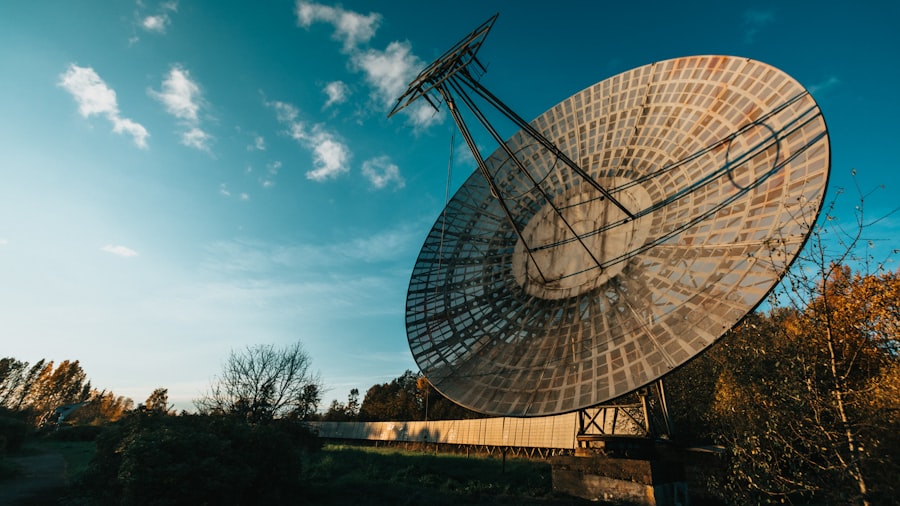
While archaeology has always been a discipline of uncovering the past, modern scientific technologies have bestowed upon it a nearly magical ability to reveal hidden structures, decipher faded inscriptions, and reconstruct fragmented artifacts with unprecedented precision. These advancements have pushed the boundaries of what can be discovered and understood at archaeological sites.
Seeing Through Illusions: Non-Invasive Imaging Techniques
The preservation of delicate archaeological sites and artifacts is paramount. Scientific imaging techniques allow for detailed analysis without the need for destructive excavation or manipulation.
Ground-Penetrating Radar (GPR) and Magnetometry: Unearthing Buried Secrets
Technologies like Ground-Penetrating Radar (GPR) and magnetometry allow archaeologists to “see” beneath the surface without digging. GPR uses radio waves to detect anomalies in the ground, revealing buried walls, foundations, and even human remains. Magnetometry measures variations in the Earth’s magnetic field, which can indicate the presence of ancient hearths, kilns, or buried metal objects. These tools are invaluable for mapping out ancient settlements and planning targeted excavations, minimizing their environmental impact.
Lidar and Aerial Photography: Mapping Ancient Landscapes from Above
The advent of Lidar (Light Detection and Ranging) technology, often employed from aircraft or drones, has revolutionized the mapping of vast archaeological landscapes. Lidar can penetrate dense forest canopies, revealing subtle earthworks, ancient roads, and the outlines of forgotten cities that are otherwise invisible from the ground. High-resolution aerial photography, enhanced by spectral analysis, can also highlight subtle variations in vegetation or soil moisture that betray the presence of hidden archaeological features.
Decoding the Indecipherable: Advanced Analysis of Artifacts
The meticulous analysis of recovered artifacts yields a wealth of information, and scientific techniques are pushing the frontiers of decipherment and reconstruction.
Mass Spectrometry and X-Ray Fluorescence: Material Composition and Provenance
Techniques like mass spectrometry and X-ray fluorescence (XRF) allow scientists to determine the elemental and isotopic composition of artifacts. This information is crucial for understanding the origin of raw materials, manufacturing techniques, and trade networks. For example, analyzing the composition of pottery shards can reveal where they were made and where they were traded, providing a tangible understanding of ancient economies.
Radiocarbon Dating and Thermoluminescence: Precisely Pinpointing the Past
While not new, the refinement of dating techniques like radiocarbon dating (for organic materials) and thermoluminescence dating (for ceramics and heated stones) is critical for establishing reliable chronologies. These methods, backed by rigorous scientific calibration, allow archaeologists to place discoveries within a precise temporal framework, transforming our understanding of the sequence of events and the development of cultures.
Recent advancements in scientific techniques have significantly enhanced our understanding of historical events, shedding light on the complexities of past societies. For instance, the analysis of artifacts through methods like radiocarbon dating and DNA sequencing has provided invaluable insights into ancient civilizations. A fascinating article that delves into the intersection of science and history is available at this link, which explores how historical events, such as the gold confiscation during the Great Depression, can be better understood through scientific inquiry. Such studies not only enrich our knowledge of history but also illustrate the powerful role that science plays in uncovering the truths of our past.
The Cosmos as Our Ancestor: Astronomical Influences and Their Historical Context
| Scientific Method | Historical Discovery |
|---|---|
| Carbon dating | Reveals the age of artifacts and fossils |
| DNA analysis | Traces human migration and ancestry |
| Geological studies | Unveils ancient landscapes and climate changes |
| Archaeological excavation | Uncovers ancient civilizations and their practices |
Our understanding of history is not confined to Earth; it extends to the celestial sphere that has, in countless ways, influenced human civilization and perception. Scientific discoveries in astronomy and astrophysics have revealed the profound connection between celestial events and the unfolding of human history.
Celestial Navigation and Early Exploration
The night sky has served as a constant guide for humanity. Astronomical knowledge was fundamental to early navigation, enabling exploration and trade across vast distances.
Celestial Spheres and Maritime Routes
The precise observation of stars and planets allowed ancient mariners to determine their latitude and navigate the seas. The development of astronomical instruments, from simple astrolabes to more complex sextants, improved accuracy and facilitated ambitious voyages of discovery, directly shaping the geopolitical landscape and facilitating cultural exchange.
The Measurement of Time and the Cycles of Life
Astronomical cycles – the rising and setting of the sun, the phases of the moon, and the predictable movement of planets – provided the basis for early calendars and the measurement of time. These calendrical systems were not merely tools for organizing daily life; they were deeply intertwined with religious rituals, agricultural practices, and the very structure of ancient societies. The understanding of celestial cycles influenced everything from planting and harvesting to religious festivals and the marking of significant historical events.
The Cosmic Perspective: Shaping Worldviews and Belief Systems
The grand scale of the cosmos, with its seemingly eternal cycles and distant lights, has long inspired awe and contemplation, shaping fundamental beliefs and worldviews.
Ancient Cosmologies and Creation Myths
Early astronomical observations were often woven into complex cosmologies and creation myths that sought to explain humanity’s place in the universe. The perceived order of the heavens was often mirrored in the perceived order of human society. Scientific understanding of celestial mechanics, while demystifying some aspects, also reveals the profound and enduring human impulse to ponder our cosmic origins and destiny.
The Role of Comets and Eclipses in Human History
Historically, comets and eclipses were often viewed with a mixture of fear and wonder, often interpreted as omens or divine interventions. Scientific explanations of these celestial phenomena, while removing their supernatural aura, have also revealed specific historical moments where these events, witnessed by ancient populations, may have influenced societal decisions, political events, or the development of religious practices. The accurate prediction of eclipses, for instance, demonstrated a sophisticated understanding of celestial mechanics and could bolster the authority of those who possessed this knowledge.
In conclusion, science is not merely a tool for understanding the present or predicting the future; it is an indispensable instrument for excavating, interpreting, and reconstructing the past. From the biological whispers of our ancient ancestors to the geological echoes of Earth’s tumultuous history, and from the microscopic trails of pathogens to the cosmic ballet of celestial bodies, scientific revelations continuously enrich and challenge our understanding of who we are and how we came to be. The ongoing dialogue between scientific inquiry and historical interpretation promises to unveil even more astonishing truths, weaving a more complete and compelling narrative of our shared humanity and our place within the grand sweep of time.

How Trees Became History’s Calendar
FAQs
What is the role of science in revealing history?
Science plays a crucial role in revealing history by using various methods such as carbon dating, DNA analysis, and archaeological techniques to uncover and interpret historical events, civilizations, and human evolution.
How does carbon dating contribute to revealing history?
Carbon dating is a scientific method used to determine the age of organic materials such as fossils, artifacts, and ancient structures. By analyzing the decay of carbon isotopes, scientists can accurately date historical objects and events, providing valuable insights into the timeline of human history.
What role does DNA analysis play in uncovering historical information?
DNA analysis is a powerful tool in revealing history by tracing human migration patterns, genetic relationships, and population movements over time. By studying ancient DNA from archaeological remains, scientists can reconstruct the genetic history of populations and uncover connections between different cultures and civilizations.
How do archaeological techniques contribute to understanding history?
Archaeological techniques such as excavation, stratigraphy, and artifact analysis are essential for uncovering and interpreting historical sites, ancient settlements, and material culture. These methods provide valuable evidence for understanding the daily lives, social structures, and technological advancements of past societies.
What are some examples of how science has revealed new insights into history?
Science has revealed new insights into history through discoveries such as the identification of ancient human ancestors, the reconstruction of ancient trade routes, and the understanding of past environmental changes. Additionally, scientific advancements have shed light on the origins of agriculture, the development of early civilizations, and the impact of human activities on the natural world throughout history.