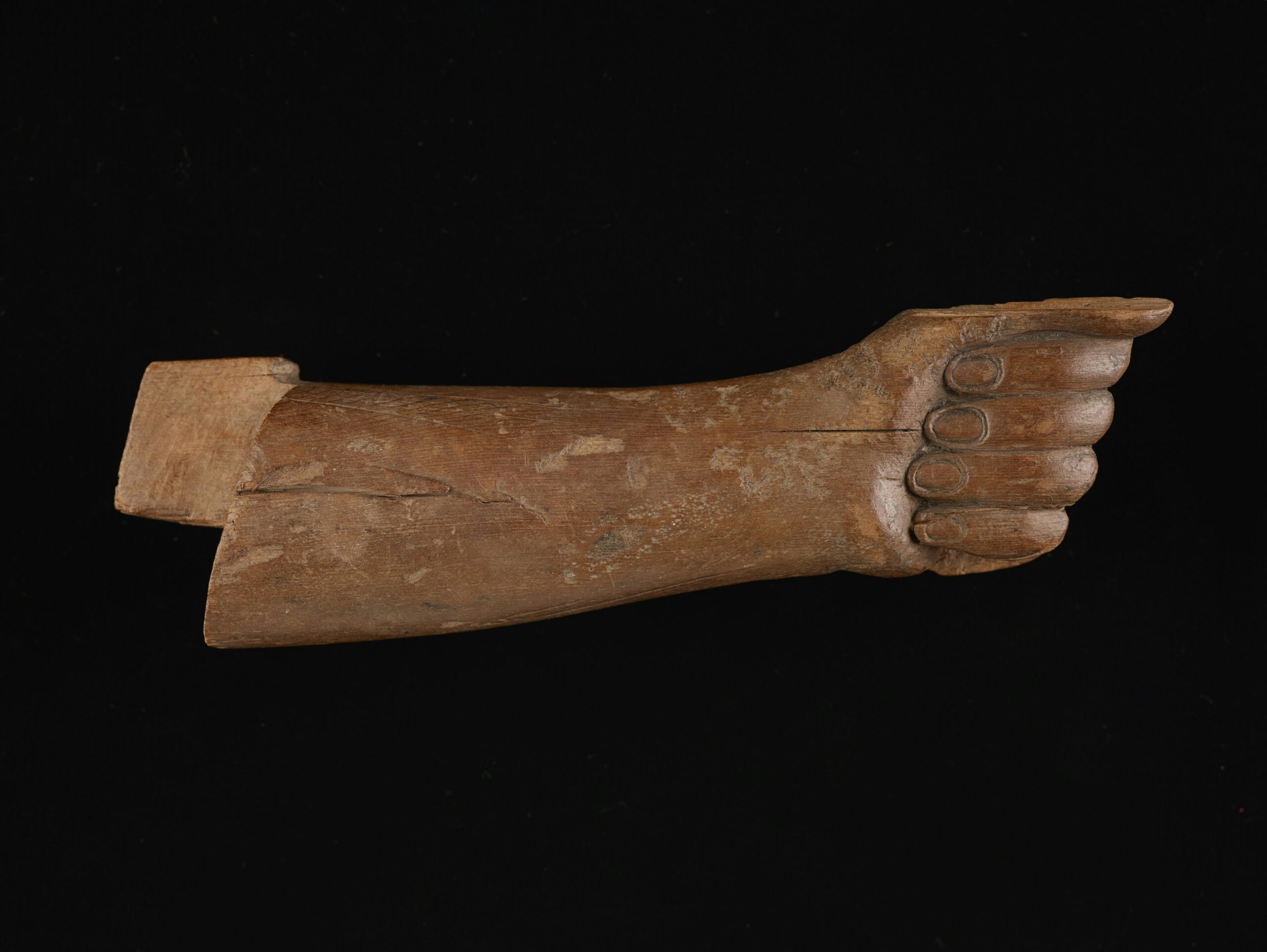
Studying ancient artifacts with science is a fascinating and crucial endeavor, offering a tangible link to the past and providing invaluable insights into the lives, cultures, and technologies of bygone eras. This multidisciplinary field, often termed archaeological science or archaeometry, goes far beyond simple observation, employing a sophisticated array of scientific techniques to extract detailed information from objects that have survived centuries, millennia, or even eons. These fragments of history, once mute witnesses, become eloquent storytellers under the scrutiny of modern scientific inquiry. From the composition of materials to the very traces of their original use, science unlocks secrets that textual records can no longer reveal, painting a richer, more nuanced picture of human existence.
The study of ancient artifacts through scientific methods has revolutionized archaeology. Traditionally, archaeology relied heavily on excavation, typology (classifying objects based on form and style), and analogy with known historical accounts. While these methods remain vital, science has introduced a level of precision and detail previously unimaginable. It allows archaeologists to move beyond educated guesswork and toward verifiable data, offering deeper understanding of the human story.
Beyond the Surface: Revealing Hidden Information
Ancient artifacts are more than just their visible form. They are complex materials, often bearing microscopic traces of their environment, usage, and creation. Scientific analysis can penetrate these layers of information, revealing details about:
- Material Provenance: Where did the raw materials used to create the artifact come from? This can tell us about ancient trade routes, resource availability, and territorial control.
- Manufacturing Techniques: How was the artifact made? Understanding the tools, processes, and technologies employed sheds light on the skill level and ingenuity of ancient artisans.
- Function and Use: What was the artifact used for? Residue analysis, wear pattern studies, and comparative dating can offer clues about daily life, rituals, and societal practices.
- Dating and Chronology: When was the artifact created or used? Scientific dating methods provide precise chronologies, allowing for the contextualization of finds within broader historical timelines.
- Diet and Health: Even organic remains can preserve traces of what people ate and indications of diseases they suffered from.
The Multidisciplinary Nature of the Field
Archaeological science is inherently interdisciplinary, drawing upon expertise from a wide range of scientific fields. Archaeologists work collaboratively with chemists, physicists, geologists, biologists, material scientists, and computer scientists to name a few. This synergy between disciplines is what allows for the comprehensive analysis of artifacts, as each scientific specialty contributes a unique perspective and set of tools to the investigation. The results are often more profound because they are derived from the combined insights of multiple experts.
Scientists employ various methods to study ancient artifacts, allowing them to uncover the mysteries of past civilizations. One fascinating example is the analysis of the Piri Reis map, which provides insights into the navigational knowledge of the 16th century. For a deeper understanding of how this map reveals ancient technology and geographical knowledge, you can read more in the article titled “Uncovering Ancient Technology: The Piri Reis Map” available at this link.
Unlocking Materials: The Power of Chemical and Physical Analysis
The very composition of an artifact is a treasure trove of information. Understanding the materials used by ancient peoples, from pottery clay to metal alloys, reveals their technological capabilities, their access to resources, and their trade networks. Chemical and physical analyses are at the forefront of this exploration.
Elemental Composition and Source Identification
- X-ray Fluorescence (XRF): This non-destructive technique is widely used to determine the elemental composition of artifacts. By bombarding the artifact with X-rays, scientists can measure the fluorescent X-rays emitted by the elements within the material. This information helps identify the specific minerals and metals present, allowing researchers to trace the origin of raw materials. For example, analyzing the elemental composition of obsidian artifacts can pinpoint their geological source, thereby revealing ancient trade routes and the movement of goods.
- Neutron Activation Analysis (NAA): Similar to XRF, NAA is a highly sensitive technique that involves irradiating a sample with neutrons. The resulting radioactive isotopes emit gamma rays, which are then measured to identify and quantify the elements present. NAA is particularly useful for identifying trace elements that might be missed by other methods, providing even more refined provenance information for materials like ceramics or metals.
- Mass Spectrometry: Techniques like Inductively Coupled Plasma Mass Spectrometry (ICP-MS) can measure the isotopic ratios of elements. Isotopes are atoms of the same element with different numbers of neutrons. These ratios can act as unique chemical fingerprints, allowing for extremely precise sourcing of materials like metals, obsidian, or even ancient water sources used in pottery production.
Microstructure and Manufacturing Processes
- Scanning Electron Microscopy (SEM): SEM provides high-resolution images of the surface and internal structure of artifacts. It allows scientists to examine the microstructure of pottery, the grain structure of metals, or the wear patterns on tools. This micro-level analysis can reveal details about how materials were processed, the type of tools used for shaping and finishing, and even the temperature at which certain reactions occurred during manufacturing. For instance, SEM can reveal the firing temperatures of pottery, suggesting the sophistication of ancient kiln technology.
- X-ray Diffraction (XRD): XRD is used to identify crystalline materials and determine their crystal structure. This is crucial for understanding the mineral phases present in ceramics, slags from metal smelting, or pigments. Changes in crystal structure can also indicate the effects of heat treatment or alteration over time, providing insights into the artifact’s history.
Dating the Past: Establishing Chronological Frameworks

One of the most fundamental contributions of science to archaeology is the ability to accurately date artifacts. Without a chronological framework, it is impossible to understand the sequence of events, the development of cultures, or the timing of technological advancements.
Radiometric Dating: The Gold Standard
- Radiocarbon Dating (Carbon-14 Dating): This is perhaps the most famous and widely used radiometric dating technique. It is applicable to organic materials such as wood, bone, charcoal, textiles, and even ancient seeds. Living organisms absorb carbon from their environment, including the radioactive isotope Carbon-14. Once an organism dies, its Carbon-14 begins to decay at a known rate. By measuring the remaining amount of Carbon-14, scientists can calculate how long ago the organism died, providing a date for the artifact or the context in which it was found. Radiocarbon dating is effective for materials up to approximately 50,000 years old.
- Potassium-Argon and Argon-Argon Dating: These techniques are used to date rocks and archaeological materials that contain potassium, typically volcanic materials like ash or lava. They are suitable for dating much older sites, often millions of years old, and are invaluable for understanding the deep history of human evolution and early hominin activity.
- Uranium-Lead Dating: This method is primarily used for dating very old geological materials, such as zircons, which are often found in association with archaeological sites. It provides highly accurate dates for events that occurred hundreds of millions or even billions of years ago, helping to establish the geological context of early human existence.
Other Dating Methods: Complementary Approaches
- Thermoluminescence (TL) and Optically Stimulated Luminescence (OSL) Dating: These methods are used to date materials that have been exposed to heat or sunlight, such as pottery, burnt flint, or sediments. When these materials are heated or exposed to light, electrons become trapped in their crystal lattice. Over time, these trapped electrons accumulate. By heating the sample to a high temperature (TL) or exposing it to light (OSL) in a laboratory setting, scientists can release these trapped electrons, and the amount of energy released is proportional to the time since the material was last heated or exposed to sunlight. These techniques are crucial for dating ceramic artifacts and sediments that are too old for radiocarbon dating.
- Archaeomagnetic Dating: This method relies on the fact that the Earth’s magnetic field has changed in strength and direction over time. Fired clay artifacts, such as hearths or kilns, retain a record of the Earth’s magnetic field at the time they were fired. By comparing the remanent magnetism of the artifact to a known record of past magnetic field variations, scientists can determine the approximate age of the artifact.
Forensic Archaeology: Investigating Human Remains and Violent Pasts

Scientific techniques have become indispensable in the study of human remains and in investigating cases of ancient trauma or conflict, blurring the lines between archaeology and forensic science.
Bioarchaeology: Unveiling Health, Diet, and Lifestyle
- Osteological Analysis: The study of bones, or osteology, can provide a wealth of information about individuals from the past. Scientists can determine age at death, sex, stature, and evidence of disease, trauma, or malnutrition.
- Dental Analysis: Teeth are remarkably well-preserved and can reveal a great deal about diet, stress during development, and even geographic origins through isotopic analysis of tooth enamel.
- Ancient DNA (aDNA) Analysis: The extraction and analysis of DNA from ancient bone and teeth can reveal genetic relationships between individuals and populations, migratory patterns, and even the origins of diseases. This technology has revolutionized our understanding of human migration and the development of human populations.
- Isotopic Analysis of Bones and Teeth: Analyzing the ratios of stable isotopes (like carbon, nitrogen, strontium, and oxygen) in bone and tooth enamel can provide information about an individual’s diet, the geographic region where they lived, and even the types of water they consumed. These dietary clues can indicate social status and access to different food resources.
Trauma and Conflict Analysis
- Forensic Anthropological Techniques: When dealing with mass graves or evidence of violence, forensic anthropologists apply their expertise to analyze skeletal remains for signs of injury, including weapon marks, blunt force trauma, or gunshot wounds.
- Ballistics and Toolmark Analysis: Analyzing the types of projectiles or tool marks found on bones can help identify the weapons or tools used in ancient conflicts, providing crucial details about warfare and violence in the past.
- Environmental Reconstruction: Understanding the context of a violent event often involves reconstructing the past environment. Scientific dating of associated materials and analysis of geological and paleobotanical evidence can shed light on the circumstances surrounding conflict.
Scientists employ various techniques to study ancient artifacts, allowing them to uncover the mysteries of past civilizations. One fascinating approach involves using advanced imaging technologies to analyze the materials and craftsmanship of these historical items. For a deeper understanding of how different industries have evolved over time, you can explore this related article on the evolution of the American factory worker, which highlights the technological advancements that have influenced manufacturing processes. This connection underscores the importance of innovation in both ancient and modern contexts, revealing how our understanding of history continues to shape contemporary practices. To learn more, visit this article.
Beyond the Artifact: Understanding Ancient Environments and Technologies
| Methods | Explanation |
|---|---|
| Carbon dating | Measuring the amount of carbon-14 to determine the age of organic artifacts. |
| Stratigraphy | Studying the layers of sediment to determine the relative age of artifacts. |
| Chemical analysis | Using techniques like XRF and XRD to analyze the composition of artifacts. |
| Microscopy | Examining artifacts at a microscopic level to understand their construction and materials. |
The scientific study of ancient artifacts often extends beyond the objects themselves to encompass the wider environment in which they were created and used, as well as the technologies that underpinned their existence.
Environmental Archaeology: Reconstructing Past Landscapes
- Paleobotany and Palynology: The study of fossilized plant remains (paleobotany) and pollen grains (palynology) recovered from archaeological sites can reveal information about ancient vegetation, climate, and agricultural practices. This helps reconstruct the environment in which people lived and the resources they exploited.
- Zooarchaeology: The analysis of animal bones found at archaeological sites provides insights into ancient diets, hunting practices, domestication, and the faunal landscape of the past.
- Geoarchaeology: This field combines geological and archaeological techniques to study the earth materials and processes that have shaped archaeological sites, such as soil formation, erosion, and sedimentation. This can help understand depositional processes and the integrity of the archaeological record.
Technological Reconstruction and Replication
- Experimental Archaeology: This method involves replicating ancient technologies and processes using historical techniques and materials. By attempting to recreate tools, pottery, or metal objects, archaeologists can gain a deeper understanding of the skill, knowledge, and challenges faced by ancient craftspeople. For example, experimental firing of pottery in reconstructed kilns can reveal the temperatures and atmospheric conditions required for successful ceramic production.
- Analysis of Tool Marks and Wear Patterns: Examining microscopic wear patterns on tools and artifacts can provide direct evidence of their function and the techniques used in their manufacture and use. This can inform experimental archaeology and help understand the efficiency and limitations of ancient technologies.
- Material Science of Ancient Technologies: Analyzing the properties of ancient materials, such as the strength of bronze alloys or the elasticity of fibers, helps understand the technological choices made by ancient peoples and the constraints imposed by available resources and knowledge.
Scientists study ancient artifacts through various innovative techniques that help unravel the mysteries of past civilizations. By employing methods such as radiocarbon dating, X-ray fluorescence, and 3D imaging, researchers can gain insights into the materials and craftsmanship of these historical objects. For a fascinating look at how modern technology is influencing our understanding of history, you might find this article on the new space race and its implications for scientific exploration particularly interesting. It highlights the intersection of technology and discovery, much like the methods used in archaeology. You can read more about it here.
The Future of Archaeological Science: Innovation and Interdisciplinarity
The field of archaeological science is constantly evolving, driven by advancements in technology and an ever-growing appreciation for the potential of interdisciplinary collaboration. New techniques are continually being developed, pushing the boundaries of what can be learned from ancient artifacts.
Emerging Technologies and Methodologies
- 3D Scanning and Digital Reconstruction: High-resolution 3D scanning allows for the creation of detailed digital models of artifacts. These models can be used for documentation, analysis, virtual exploration, and even for recreating lost or damaged objects. This technology is transforming how artifacts are studied and shared.
- Remote Sensing and Geophysical Survey: Techniques like ground-penetrating radar (GPR), magnetometry, and lidar are increasingly used to detect buried archaeological features and structures without invasive excavation. This provides a non-destructive way to map ancient landscapes and identify potential areas of interest for further study.
- Big Data and Artificial Intelligence (AI): The growing volume of data generated by archaeological science is being increasingly analyzed using AI and machine learning algorithms. These tools can help identify patterns, classify artifacts, and even predict the provenance of materials more efficiently, accelerating the pace of discovery and analysis.
The Enduring Value of Interdisciplinary Collaboration
The future of archaeological science hinges on continued and deepened interdisciplinary collaboration. As the questions archaeologists ask become more complex, the need for diverse scientific expertise will only grow. This means fostering environments where chemists can readily discuss material science with archaeologists, physicists can share insights on dating techniques with bioarchaeomers, and computer scientists can collaborate on developing analytical tools. This synergy ensures that the study of ancient artifacts remains a dynamic and ever-expanding frontier of human knowledge, continuously uncovering new stories from the silent witnesses of our past. The scientific lens offers an unparalleled ability to see beyond the visible, to hear the whispers of ancient lives, and to piece together the grand narrative of human history with ever-increasing clarity and depth.

The Ancient Computer Nobody Could Read
FAQs
What are ancient artifacts?
Ancient artifacts are objects or items that were created, used, or modified by humans in the past. These can include tools, pottery, jewelry, weapons, and other items that provide insight into the culture and technology of ancient civilizations.
How do scientists study ancient artifacts?
Scientists study ancient artifacts using a variety of methods, including carbon dating, DNA analysis, chemical analysis, and microscopic examination. These techniques help researchers determine the age, composition, and cultural significance of the artifacts.
What can ancient artifacts tell us about the past?
Ancient artifacts can provide valuable information about the daily lives, customs, and technologies of ancient societies. They can also offer insights into trade routes, artistic styles, and religious practices, helping to piece together a more complete picture of history.
Why is it important to study ancient artifacts?
Studying ancient artifacts is important because it helps us understand the development of human societies and cultures over time. By analyzing these artifacts, scientists can gain a deeper understanding of how ancient people lived, worked, and interacted with their environment.
Where are ancient artifacts typically found?
Ancient artifacts are found in a variety of locations, including archaeological sites, burial grounds, caves, and underwater locations. These artifacts can be preserved in museums, research institutions, and private collections for further study and analysis.