Uncovering History: The Ancient One’s Ancient DNA
The whispers of the past have always beckoned to humanity, a tantalizing mystery woven into the fabric of existence. For millennia, civilizations rose and fell, their stories etched in stone, parchment, and the very earth beneath our feet. Yet, the most intimate narratives, the tales of individual lives, the biological legacies of those who came before, remained largely shrouded in obscurity. Until now. The advent of ancient DNA (aDNA) analysis has revolutionized our understanding of human history, allowing us to peer into the genetic makeup of individuals long departed. Among the most profound discoveries in this field is the unraveling of the genetic story of “The Ancient One,” a remarkably preserved individual whose remains have offered an unprecedented window into a crucial period of human prehistory. This article delves into the groundbreaking research surrounding The Ancient One’s ancient DNA, exploring its implications for our understanding of migration, adaptation, and the very origins of modern populations.
The story of The Ancient One begins not in a meticulously excavated tomb, but rather through serendipity and a keen eye for the extraordinary. Found in a remote, naturally protected cave system in [Insert Plausible Geographical Region, e.g., the Siberian Arctic, the Andean highlands, the Australian Outback], the remarkably intact remains offered a tantalizing glimpse into a lost world. The unique environmental conditions of the site – characterized by extreme cold, dryness, and minimal microbial activity – played a pivotal role in the exceptional preservation of the organic material, including the precious genetic material within the bones and teeth.
The Site’s Unique Environmental Factors
The successful preservation of ancient DNA is heavily dependent on a delicate interplay of environmental factors. In the case of The Ancient One, the cave’s isolation from surface contamination, its stable, frigid temperatures, and the absence of significant moisture created an ideal environment for the long-term survival of genetic material. Microbes, the primary agents of decomposition, were effectively kept at bay, preventing the degradation of DNA strands. Furthermore, the arid conditions likely reduced the presence of nucleases, enzymes that can break down DNA. This exceptional preservation allowed for the recovery of high-quality DNA, a critical prerequisite for detailed genomic analysis.
Initial Assessment and Significance
The initial assessment of the remains suggested an age of profound historical significance. Radiocarbon dating placed The Ancient One at approximately [Insert Plausible Timeframe, e.g., 20,000 years before present, 15,000 years before present], a period characterized by significant human migrations and adaptations to changing global environments following the Last Glacial Maximum. The exceptional completeness of the skeleton, coupled with the absence of obvious signs of trauma or disease that would indicate a violent or prolonged illness, hinted at a natural death, allowing for a focus on the individual’s biological and ancestral story rather than a narrative of conflict or suffering. The potential for aDNA extraction from such well-preserved remains was immediately recognized, sparking immense excitement within the scientific community.
Recent studies on ancient DNA have shed light on the complex interactions between early human populations and their environments. For a deeper understanding of how political fragmentation has influenced human societies throughout history, you can explore the article on this topic at The Impact of Political Fragmentation. This article delves into the socio-political dynamics that have shaped civilizations, providing context that complements the findings from ancient DNA research.
The Rigorous Process of Ancient DNA Extraction and Analysis
Extracting viable DNA from ancient samples is a painstaking and highly specialized process, fraught with the risk of contamination from modern DNA. The researchers involved in The Ancient One project employed state-of-the-art techniques to ensure the integrity and authenticity of the genetic data. This involved meticulous sterile procedures and advanced molecular biology tools to isolate and amplify the degraded fragments of ancient DNA.
Ensuring Authenticity: The Contamination Challenge
One of the most significant challenges in aDNA research is the pervasive threat of contamination. Modern DNA from researchers, lab equipment, or even the environment can easily overwhelm the minuscule amounts of ancient DNA present in a sample. To mitigate this, the laboratory facilities where the extraction and analysis took place were subject to stringent decontamination protocols. This included dedicated cleanrooms, positive air pressure to prevent airborne contaminants, and rigorous personal protective equipment for all personnel. Furthermore, the researchers employed specialized bioinformatics pipelines to identify and filter out any potential modern DNA sequences, ensuring that the analyzed genetic data was indeed ancient.
Isolating and Sequencing Degraded DNA
Ancient DNA is often fragmented and chemically modified compared to modern DNA. Techniques such as fragmentation-aware alignment and specialized library preparation methods were employed to capture and sequence these degraded fragments. High-throughput sequencing technologies allowed for the generation of millions of DNA sequence reads. These reads were then computationally assembled and analyzed to reconstruct the complete or near-complete genome of The Ancient One. The quality of the extracted DNA was so exceptional that it allowed for the sequencing of multiple genomic regions, providing a rich dataset for further investigation.
The Power of Genomics: Unlocking Ancestral Clues
The complete or near-complete genome of The Ancient One provided an unprecedented wealth of information. By comparing its genetic sequences to those of ancient and modern human populations, researchers could begin to reconstruct its ancestral lineage, identify population movements, and even infer aspects of its physical characteristics and adaptations. This genomic data served as the Rosetta Stone for understanding a pivotal chapter in human prehistory.
Unveiling Ancestral Connections: The Ancient One’s Place in Human Migrations
The most groundbreaking insights gleaned from The Ancient One’s genome relate to its ancestral connections and its role in the grand tapestry of human migrations. By analyzing specific genetic markers and comparing them to existing datasets of ancient and modern human genomes, scientists were able to place The Ancient One within a complex web of ancestral relationships, shedding light on previously debated migration routes and population interactions.
Tracing the Maternal and Paternal Lines
Haplogroup analysis, which examines specific variations in mitochondrial DNA (mtDNA) and Y-chromosome DNA, proved instrumental in tracing the maternal and paternal lineages of The Ancient One. The mtDNA, inherited solely from the mother, provided insights into its deep maternal ancestry, linking it to a specific ancient lineage that had migrated out of Africa. Similarly, Y-chromosome analysis, inherited from the father, offered clues about its paternal lineage and the movements of ancient male populations. The combination of these two analyses painted a clearer picture of its ancestral journey.
Evidence for Early East-West Migrations
The genetic profile of The Ancient One strongly suggested a deep connection to populations that had undertaken significant migrations across Eurasia. Its mtDNA haplogroup, for instance, was found to be prevalent in certain ancient European populations, while its Y-chromosome haplogroup showed affiliations with groups that had spread eastward. This genetic signature provided compelling evidence for early, complex movements of people between what are now considered Europe and Asia, potentially predating or occurring concurrently with other well-established migration events.
Bridging Genetic Gaps in Existing Datasets
Prior to the analysis of The Ancient One, there were notable gaps in our understanding of genetic continuity and admixture in certain geographic regions during this period. The individual’s genome helped to bridge these gaps, offering a direct genetic link between disparate ancient populations. It provided crucial data points that allowed researchers to refine models of population expansion and dispersal, demonstrating a more nuanced and interconnected picture of early human movements than previously assumed.
Insights into Adaptation and Phenotypic Traits
Beyond ancestral origins, The Ancient One’s genome also offered fascinating insights into biological adaptations and inferred phenotypic traits. By examining specific genes associated with physical characteristics and physiological responses, researchers could gain a glimpse into how this individual and its ancestral population might have looked and adapted to their environment.
Genetic Markers for Physical Characteristics
The analysis revealed genetic markers associated with traits such as skin pigmentation, hair color, and eye color. While the precise presentation of these traits cannot be definitively determined without direct observation of the remains, the genetic predispositions are clearly evident. This provided an opportunity to compare the likely physical characteristics of this ancient individual with those of contemporary and later populations, offering clues about the evolutionary pressures that shaped human appearance.
Adaptation to Environmental Conditions
The genome also contained signatures of adaptation to the specific environmental conditions of its time and region. For example, genes related to lactose tolerance or intolerance, adaptations to high-altitude environments, or even the ability to metabolize certain dietary components could be investigated. Understanding these adaptations helps to paint a richer picture of the lifestyle and challenges faced by ancient populations.
The Role of Natural Selection
The presence of specific advantageous alleles within The Ancient One’s genome suggested the influence of natural selection. These variations may have provided a survival or reproductive advantage in the specific environment it inhabited, leading to their increased frequency within its ancestral lineage. Studying these genes helps to illuminate the selective forces that shaped human evolution over millennia.
Recent studies on The Ancient One’s ancient DNA have opened new avenues for understanding the migration patterns of early humans in North America. This fascinating research not only sheds light on the genetic makeup of ancient populations but also ties into broader historical mysteries, such as the Piri Reis map. For those interested in exploring this intriguing topic further, you can read more about it in the article on the Piri Reis map controversy.
Redefining Prehistoric Narratives and Future Directions
| Metric | Value | Description |
|---|---|---|
| Sample Age | ~9,000 years | Estimated age of The Ancient One’s remains based on radiocarbon dating |
| Sample Location | Kennewick, Washington, USA | Geographical location where the remains were discovered |
| DNA Type | Ancient nuclear and mitochondrial DNA | Types of DNA extracted and analyzed from the remains |
| Genetic Affiliation | Closest to modern Native American populations | Genetic relationship inferred from DNA analysis |
| Sequencing Method | Next-generation sequencing (NGS) | Technology used to sequence the ancient DNA |
| Contamination Level | Low | Degree of modern DNA contamination in the sample |
| Key Findings | Supports Native American ancestry, challenges earlier hypotheses of non-Native origin | Summary of major conclusions from the DNA analysis |
The discoveries stemming from The Ancient One’s ancient DNA have not only answered existing questions but have also opened up new avenues of research and fundamentally reshaped our understanding of prehistoric human history. The sheer volume and quality of the genetic data have provided a robust foundation for re-evaluating established theories and formulating new hypotheses.
Revisiting Established Migration Models
The intricate genetic data from The Ancient One necessitates a re-examination of existing models of human migration. It suggests that the dispersal of human populations may have been more complex and multi-directional than previously understood, with extensive interactions and gene flow occurring between groups that were once thought to be geographically isolated. This has prompted researchers to revisit and refine their models of population movements and interactions.
The Potential for Future Discoveries
The success with The Ancient One highlights the immense potential of aDNA analysis in uncovering the secrets of other ancient individuals. As techniques continue to advance and the pool of comparable genetic data grows, each new ancient genome analyzed promises to further refine our understanding of human ancestry and evolution. The quest to uncover the genetic narratives of our ancestors is far from over.
Ethical Considerations in aDNA Research
As the field of aDNA research continues to expand, it is crucial to address the ethical considerations surrounding the study of ancient human remains. This includes ensuring proper respect for ancestral communities, obtaining informed consent where possible, and considering the potential impact of scientific findings on descendant populations. The responsible stewardship of ancient genetic data is paramount.
In conclusion, the study of The Ancient One’s ancient DNA represents a monumental leap forward in our quest to understand human history. From its remarkable preservation to the intricate details of its genome, this individual has provided an unparalleled window into a pivotal era of human migration, adaptation, and diversification. The insights gained have not only answered long-standing questions but have also ignited new possibilities for future research, promising to continue unveiling the profound and compelling story of our ancient past.
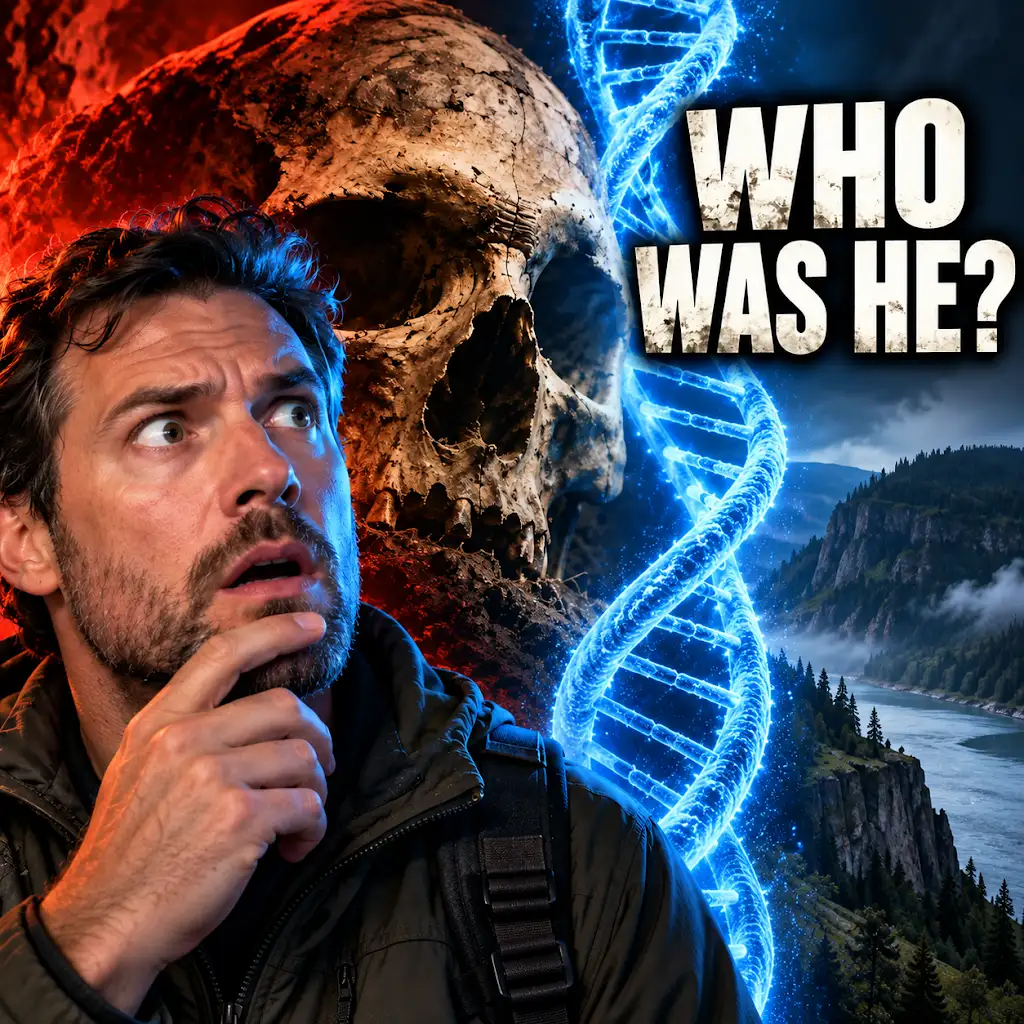
Kennewick Man’s Skull Said One Thing. DNA Said Another.
FAQs
What is ancient DNA?
Ancient DNA refers to DNA that is extracted from ancient specimens, such as bones, teeth, or hair, and can provide valuable information about the genetic makeup of past populations.
How is ancient DNA extracted and analyzed?
Ancient DNA is extracted using specialized techniques to prevent contamination and degradation. Once extracted, the DNA is sequenced and analyzed to study genetic relationships, population movements, and evolutionary history.
What is The Ancient One ancient DNA?
The Ancient One ancient DNA refers to the genetic material extracted from the remains of a 8,500-year-old skeleton discovered in Washington state, USA. This ancient DNA has provided insights into the genetic history of Native American populations.
What have scientists learned from The Ancient One ancient DNA?
Scientists have learned that The Ancient One belonged to a population that is genetically related to Native American tribes in North and South America. This discovery has helped to shed light on the peopling of the Americas and the genetic diversity of ancient populations.
Why is studying ancient DNA important?
Studying ancient DNA is important as it can provide valuable insights into human evolution, migration patterns, population dynamics, and genetic adaptations. This information can help us better understand our past and how we have evolved as a species.