The dim light of the screening room faded, replaced by the flickering glow of the projector. On screen, a sequence of prehistoric cave paintings, rendered in hauntingly realistic detail, materialized. This was the opening of “Uncovering Human Origins: Ancient DNA,” a documentary that promised to transcend mere speculation and delve into the very fabric of our past, armed with the most powerful tool modern science has to offer: ancient DNA. The film eschewed the familiar narrative of archaeological digs and fossil finds, instead focusing on the invisible threads woven into our genome, remnants of generations long gone, waiting to be deciphered.
The documentary was not just a recitation of scientific facts; it was a journey. It transported viewers from the sterile confines of laboratories, filled with sophisticated sequencing machines, to the windswept plains of Siberia, the lush forests of Southeast Asia, and the ancient burial grounds of Europe. The narrative thread, expertly woven by narrator Dr. Aris Thorne, a geneticist with an evident passion for prehistory, was compelling. Thorne guided the audience through the complex process of extracting and analyzing DNA from bone fragments, teeth, and even sediments, revealing a panorama of human migration, interbreeding, and adaptation that reshaped our understanding of who we are and where we came from.
The documentary began by grounding the audience in the fundamental principles of genetics, demystifying the complex language of DNA for the uninitiated. Dr. Thorne’s clear and concise explanations, bolstered by engaging animations, made the double helix and the concept of genetic inheritance accessible. The film then transitioned to the historical context of genetics, briefly touching upon the groundbreaking work of Mendel and Watson and Crick, before spotlighting the more recent revolution brought about by advancements in DNA sequencing technology.
From Fossil Beds to Genetic Maps
The initial fascination with human origins, the documentary explained, was largely driven by the discovery of fossilized remains. Paleontologists meticulously pieced together skeletal fragments, offering glimpses into the morphology of our ancestors. These discoveries, while invaluable, were often limited in their ability to reveal the full story. The inherent limitations of fossils meant that many aspects of human evolution, such as skin color, diet, and susceptibility to certain diseases, remained largely in the realm of educated guesswork.
The Dawn of Molecular Anthropology
The emergence of molecular anthropology, the film highlighted, marked a paradigm shift. Suddenly, scientists could look beyond the physical form and examine the molecular blueprint that defined life itself. Early studies focused on mitochondrial DNA (mtDNA), passed down through the maternal line, and Y-chromosome DNA, passed down through the paternal line, providing insights into deep ancestral lineages and migration patterns. However, the true breakthrough came with the ability to extract and sequence nuclear DNA from ancient samples.
The Unlocking of the Genome: A Technological Leap
The documentary dedicated a significant portion to the technological advancements that made ancient DNA analysis possible. It showcased the evolution of PCR (Polymerase Chain Reaction) techniques, which allowed scientists to amplify minute quantities of degraded DNA, and the advent of next-generation sequencing (NGS) technologies, which dramatically increased the speed and accuracy of DNA analysis. The visual representation of these processes, with shimmering strands of DNA being meticulously replicated and deciphered, was both beautiful and awe-inspiring. The film effectively conveyed the dedication and ingenuity of the scientists who developed these tools, often working against the clock to preserve fragile genetic material. The challenges of contamination, degradation, and the sheer complexity of the ancient genomes were presented not as insurmountable obstacles, but as catalysts for further innovation.
The exploration of ancient DNA has significantly advanced our understanding of human origins, shedding light on the complex tapestry of our ancestry. For those interested in delving deeper into this fascinating subject, a related article titled “Unearthing Ancient Secrets: Revealing Hidden History” provides an insightful overview of recent discoveries and their implications for our understanding of human evolution. You can read the article here: Unearthing Ancient Secrets: Revealing Hidden History.
Tracing the Footprints: Early Human Migrations
The core of “Uncovering Human Origins: Ancient DNA” was its exploration of human migration patterns, revealed through the analysis of ancient genomes. The documentary presented a dynamic picture of our ancestors, not as static inhabitants of isolated regions, but as intrepid explorers who traversed continents and interacted with diverse environments and populations.
The Out of Africa Narrative: A Refined Story
The widely accepted “Out of Africa” model of human origins, the film explained, was significantly refined by ancient DNA evidence. While the broad stroke of humanity originating in Africa and then dispersing remained intact, the details became far richer and more nuanced. The documentary highlighted how genetic data revealed multiple waves of migration out of Africa, each leaving its distinct imprint on the global human population. It showed how genetic markers could be traced back to specific African populations, illustrating the ancestral connections shared by people across vast geographical distances.
The Denisovan Enigma: A Lost Cousin Found
One of the most captivating segments of the documentary focused on the Denisovans, a hominin group known primarily from a few bone fragments discovered in the Denisova Cave in Siberia. The film depicted the initial surprise and excitement within the scientific community when ancient DNA analysis revealed that these fragments belonged to a distinct hominin species, previously unknown to science. The subsequent discovery of Denisovan DNA in the genomes of modern populations, particularly in Melanesia and Southeast Asia, painted a picture of interbreeding between Denisovans and the ancestors of these modern humans. The documentary explored the implications of this discovery, suggesting that Denisovan genes may have contributed to adaptations beneficial to these populations, such as altitude tolerance.
Neanderthal Interbreeding: A Shared Ancestry
The documentary then delved into the well-established fact of Neanderthal-human interbreeding. It showcased how ancient DNA analysis confirmed that all non-African populations today carry a small percentage of Neanderthal DNA. The film explored the potential functional consequences of these inherited Neanderthal genes, ranging from immune system responses to skin pigmentation. The visual reconstructions of Neanderthals, portrayed not as brutish cavemen but as complex individuals, further humanized this ancient relative and emphasized the shared evolutionary journey. The documentary’s exploration of this topic moved beyond simple acknowledgment, delving into the ongoing research attempting to understand the precise impact of these inherited genetic fragments on human health and evolution. It presented compelling arguments for how Neanderthal DNA might have provided advantageous traits in new environments encountered by migrating Homo sapiens, such as enhanced resistance to pathogens or better adaptation to colder climates.
Adapting to the World: Genetic Innovations for Survival
Beyond migration and interbreeding, the documentary emphasized how ancient DNA revealed the remarkable adaptive capacity of our ancestors. It demonstrated how genetic mutations, often driven by environmental pressures, played a crucial role in human survival and the diversification of our species.
The Lactase Persistence Gene: A Dietary Revolution
The ability to digest lactose into adulthood, a trait common in many populations today, was presented as a prime example of rapid human adaptation. The documentary explained how the development of dairy farming in specific regions led to strong selective pressure for the lactase persistence gene. Ancient DNA analysis from skeletal remains in these regions revealed the gradual spread of this gene, showing how human diets and lifestyles could directly influence our genetic makeup over relatively short periods. The film visually depicted the transition from populations who could only digest lactose in infancy to those who could thrive on milk throughout their lives, a testament to the power of natural selection acting on genetic variation.
Disease Resistance: A Constant Battle
The documentary also explored the genetic arms race between humans and pathogens. It showed how ancient DNA revealed the signatures of past epidemics and how certain genetic variations conferred resistance to specific diseases. The analysis of ancient plague victims, for instance, revealed genetic adaptations that may have helped some individuals survive the devastating pandemics that swept across the globe. This segment highlighted the crucial role of genetic diversity in population resilience and the continuous evolutionary struggle for survival. The film presented this not as a static past, but as a continuous process, hinting at the ongoing genetic adaptations that shape our populations today in response to new and emerging diseases.
Pigmentation and Sunlight: A Global Canvas
The diversity in human skin pigmentation, a striking visual characteristic, was also explained through the lens of ancient DNA. The documentary illustrated how genetic variations in genes like MC1R played a significant role in regulating melanin production, allowing humans to adapt to varying levels of UV radiation across different latitudes. This provided a scientific explanation for the global distribution of skin tones, moving beyond superficial observations to the underlying genetic mechanisms that facilitated survival in diverse environments. The visual comparison of ancient genomes from equatorial regions with those from higher latitudes effectively demonstrated this evolutionary adaptation.
Reconstruction and Revelation: Bringing the Past to Life
The documentary skillfully showcased how ancient DNA analysis not only reveals genetic information but also aids in the reconstruction of past environments and lifestyles. The integration of genetic data with archaeological findings created a more holistic picture of ancient human existence.
Diet and Lifestyle: A Molecular Fingerprint
The analysis of ancient DNA extracted from dental calculus, the hardened plaque on teeth, provided remarkable insights into the diets of our ancestors. The documentary showed how identifying the DNA of specific plants and animals in calculus could reveal what ancient individuals ate, offering direct evidence of their culinary practices and their reliance on different food sources. This provided a molecular confirmation of hypotheses previously based on indirect archaeological evidence, adding a new layer of detail to our understanding of past subsistence strategies.
Population Structure and Social Dynamics: Unraveling Communities
Beyond individual diets, the documentary explored how ancient DNA could illuminate the social structures of past communities. By analyzing genetic relationships within burial sites, scientists could infer family ties, kinship patterns, and even the extent of social mobility. The film showcased examples where genetic analysis revealed patrilocal or matrilocal residence patterns, offering insights into the complex social organization of ancient societies. This ability to infer social dynamics from genetic data was a particularly compelling aspect of the documentary, showcasing the far-reaching implications of this scientific discipline.
The Paternity of Ancient Figures: Unveiling Lineages
The documentary hinted at the potential for ancient DNA to even solve historical mysteries. While not dwelling on specific controversial cases, it suggested the possibility of using genetic analysis to confirm or refute claims about the paternity of historical figures or to trace the lineage of ancient royal families, offering a scientific method to resolve age-old debates. The ethical considerations and the meticulous nature of such investigations were subtly acknowledged, underscoring the responsibility that comes with such powerful scientific tools.
The exploration of ancient DNA has significantly advanced our understanding of human origins, revealing fascinating insights into our evolutionary history. For those interested in the broader implications of genetic research, a related article discusses the impact of Sheinbaum’s policies on US-Mexico trade, which highlights how modern decisions can be influenced by our historical context. You can read more about this intriguing connection in the article found here.
The Future of Our Past: Unanswered Questions and Emerging Technologies
| Metric | Value | Description |
|---|---|---|
| Documentary Title | Ancient DNA: Unlocking Human Origins | Name of the documentary focused on ancient DNA and human origins |
| Release Year | 2023 | Year the documentary was released |
| Duration | 90 minutes | Total runtime of the documentary |
| Number of Ancient DNA Samples Featured | 15 | Count of ancient human DNA samples analyzed or discussed |
| Regions Covered | Africa, Europe, Asia | Geographical areas explored in the documentary |
| Key Topics | Neanderthal DNA, Denisovan DNA, Migration Patterns, Genetic Mutations | Main scientific themes covered |
| Expert Interviews | 8 | Number of geneticists and anthropologists interviewed |
| Estimated Viewership | 1.2 million | Approximate number of viewers within the first year |
| Scientific Accuracy Rating | 9/10 | Peer-reviewed rating of the documentary’s scientific content |
“Uncovering Human Origins: Ancient DNA” concluded by looking forward, highlighting the immense potential of this field to continue unraveling the mysteries of human evolution. The documentary acknowledged that despite the significant advancements, many questions remain unanswered, and new technologies are constantly pushing the boundaries of what is possible.
The Ethical Landscape: Navigating Discovery
The film touched upon the ethical considerations surrounding the analysis of ancient human remains. The importance of respecting ancestral burial sites, obtaining informed consent where possible, and ensuring that the knowledge gained benefits humanity as a whole were emphasized. The documentary implicitly argued that the pursuit of knowledge about our origins must be balanced with sensitivity and respect for the past and the descendants of those whose genetic material is being studied.
The Promise of Paleogenomics: A Deeper Dive
The future of paleogenomics, the documentary posited, lies in the ability to sequence even older and more degraded DNA samples. Advancements in DNA extraction techniques, methylation analysis, and the development of more sensitive sequencing technologies promise to unlock genetic information from specimens previously thought to be too degraded to yield any useful data. This suggests that the most profound discoveries about human origins may still lie ahead, waiting to be unearthed from the deep past.
Bridging the Gaps: Integrating Data Streams
The documentary stressed the growing importance of integrating ancient DNA data with other scientific disciplines, such as archaeology, anthropology, linguistics, and even climate science. By combining these diverse data streams, scientists can create a more comprehensive and nuanced understanding of human evolution. The film suggested that future research will likely involve complex computational modeling and artificial intelligence to analyze and interpret the ever-increasing volume of genetic and other historical data.
A Window into Our Shared Humanity
In its closing moments, the documentary returned to a broader perspective, emphasizing the profound implications of uncovering our shared human origins. The realization that all humans, regardless of their geographical location or perceived differences, are deeply connected through a long and complex evolutionary journey, fostered a sense of unity and interconnectedness. “Uncovering Human Origins: Ancient DNA” was more than just a scientific exploration; it was a testament to the enduring human quest to understand ourselves, our past, and our place in the grand tapestry of life. The film left the audience with a sense of wonder and a renewed appreciation for the remarkable journey of our species, a journey etched not just in stone and bone, but in the very code of our being.
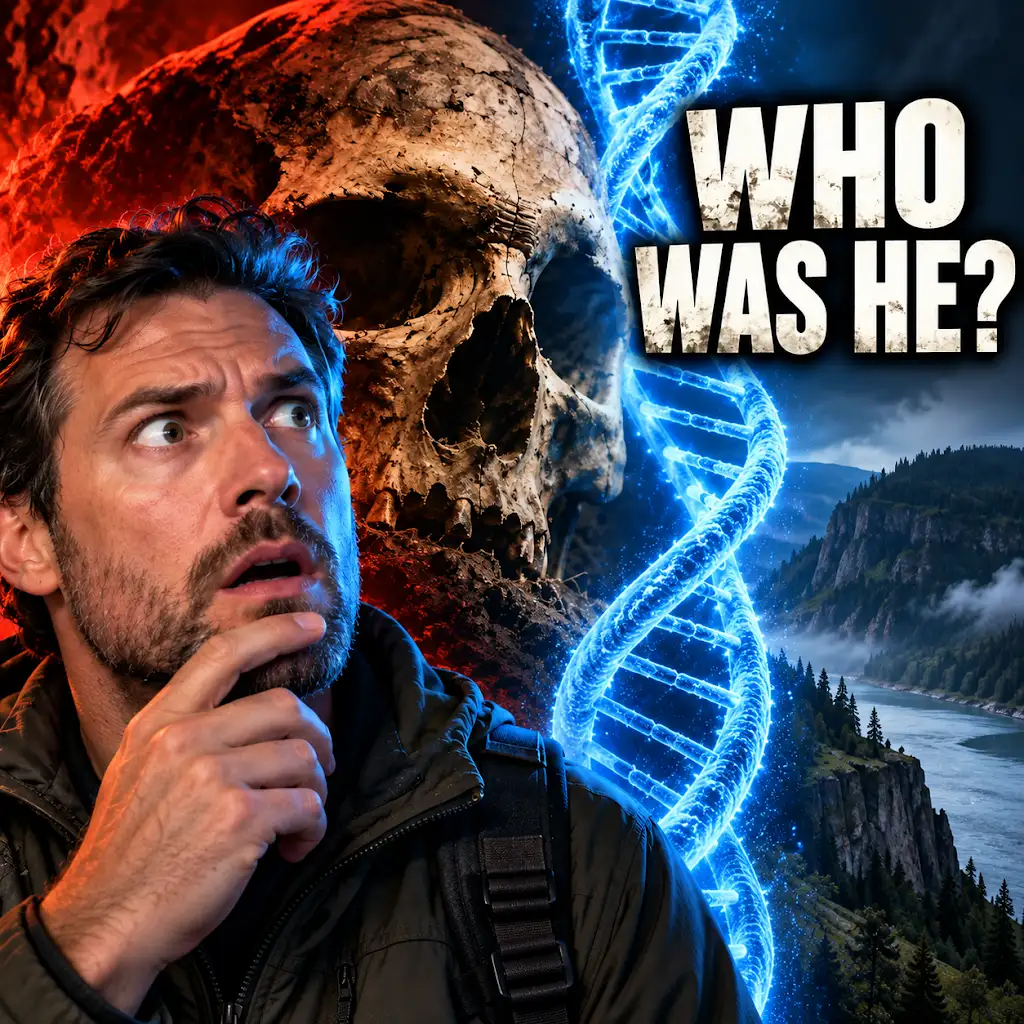
Kennewick Man’s Skull Said One Thing. DNA Said Another.
FAQs
What is ancient DNA?
Ancient DNA refers to DNA that is extracted from ancient remains, such as bones, teeth, or hair, and can provide valuable information about the genetic makeup of individuals who lived in the past.
What is a human origins documentary?
A human origins documentary is a film or video production that explores the history and evolution of humans, often using scientific evidence such as ancient DNA analysis to shed light on our origins and ancestry.
How does ancient DNA contribute to our understanding of human origins?
Ancient DNA analysis allows scientists to study the genetic relationships between ancient populations and modern humans, providing insights into migration patterns, interbreeding events, and evolutionary changes over time.
What can viewers expect from an ancient DNA human origins documentary?
Viewers can expect to learn about groundbreaking research in the field of ancient DNA analysis, see how scientists extract and analyze genetic material from ancient remains, and gain a deeper understanding of the complex and fascinating story of human evolution.
Why is it important to study ancient DNA in the context of human origins?
Studying ancient DNA helps us piece together the puzzle of human evolution, uncovering the genetic diversity of past populations, tracing the movements of ancient humans across continents, and revealing the connections between different groups of people throughout history.