
The very notion of “monumental architecture” often conjures images of pharaohs, emperors, and vast empires – structures like the pyramids of Egypt, the Great Wall of China, or the Roman Colosseum. These are undeniably monumental, born from complex societies with centralized power, abundant resources, and sophisticated labor organization. However, the narrative of human ingenuity and architectural ambition extends far beyond these well-trodden examples. For decades, archaeologists and anthropologists have been piecing together a far more ancient and, in some ways, even more astonishing story: the story of monumental architecture constructed by hunter-gatherers. This exploration delves into the groundbreaking discoveries and evolving understanding of how nomadic or semi-nomadic groups, often perceived as living in simple egalitarian societies, were capable of conceiving, planning, and executing projects of immense scale and lasting significance.
For a long time, the prevailing scientific consensus painted a picture of hunter-gatherer societies as inherently limited in their ability to undertake large-scale construction projects. This view was deeply intertwined with theories of societal evolution, which posited a linear progression from foraging to agriculture, with settled life and surplus resources being the prerequisites for complex social organization and, by extension, monumental building. The assumption was that without the stability of agriculture and the accumulation of wealth, hunter-gatherers lacked the necessary social structure, labor pool, and motivation to dedicate significant resources and time to such endeavors. Their mobile lifestyle, it was argued, would have made the logistical challenges of transporting materials and coordinating labor on a large scale practically insurmountable.
Challenging the Agricultural Imperative
This traditional view has been significantly challenged by a growing body of archaeological evidence that demonstrates sophisticated organizational capacities and communal efforts among hunter-gatherer groups. Discoveries at sites previously dismissed as ephemeral or insignificant have revealed structures that, while perhaps not as enduring as stone pyramids, nevertheless required substantial planning and collective effort. These findings have forced a re-evaluation of what constitutes “monumental” and have expanded the definition to include earthworks, megalithic alignments, and elaborate ceremonial centers that served crucial social and ritualistic functions. The paradigm is shifting from an agriculture-centric model of societal complexity to one that acknowledges the diverse pathways to social organization and innovation, including those forged by hunter-gatherers.
Redefining “Monumental” in a Foraging Context
The term “monumental” itself needs careful consideration when applied to hunter-gatherer societies. While they might not have built with quarried stone on the scale of later civilizations, their “monuments” often involved the manipulation of natural landscapes on a grand scale. This could include the deliberate shaping of hills and mounds, the erection of massive upright stones, or the creation of intricate earthworks that spanned considerable distances. These structures were not merely utilitarian; they held profound symbolic, spiritual, and social meaning, serving as focal points for community gatherings, territorial markers, astronomical observatories, or conduits to the spirit world. Their monumentality lies not just in their physical size, but in the collective intention, skill, and social cohesion required for their creation and maintenance.
The study of hunter-gatherer societies has revealed fascinating insights into their monumental architecture, challenging the traditional view that such structures were solely the domain of agricultural civilizations. For a deeper understanding of how these early communities expressed their social organization and cultural values through architecture, you can explore the article on financial resilience in uncertain times, which highlights the importance of adaptability—much like the hunter-gatherers themselves. To read more, visit this article.
Göbekli Tepe: A Pre-Agricultural Marvel
Perhaps the most transformative discovery in this field has been Göbekli Tepe in southeastern Turkey. This sprawling archaeological site, dating back to the Pre-Pottery Neolithic period, predates the advent of agriculture by millennia. What makes Göbekli Tepe so revolutionary is the sheer scale and complexity of its architecture, which consists of numerous circular and oval enclosures containing massive, T-shaped limestone pillars, many weighing several tons. These pillars are elaborately carved with intricate reliefs of animals, abstract symbols, and anthropomorphic figures. The site’s immense age, coupled with its sophisticated construction and artistic expression, has fundamentally altered our understanding of early human capabilities and social organization.
The Scale and Labor of Göbekli Tepe
The construction of Göbekli Tepe would have required a level of organization and coordination that was previously thought impossible for pre-agricultural societies. Thousands of tons of stone were quarried, transported from considerable distances, and meticulously erected. The process of carving the pillars, some as tall as 5.5 meters, would have demanded specialized skills and tools. The sheer effort involved in moving and positioning these massive stones, without the aid of draft animals or wheeled vehicles, suggests a society capable of mobilizing a significant workforce and sustaining communal effort over extended periods. The site’s construction was not a one-off event; it appears to have been built in stages, with enclosures being deliberately backfilled and new ones constructed on top, indicating a continuous and evolving monumental project.
Social and Ritualistic Significance
The purpose of Göbekli Tepe remains a subject of intense debate, but its design strongly suggests a primary function as a ritualistic or ceremonial center. The elaborate carvings and the astronomical alignments of some of the enclosures point towards a complex belief system and a sophisticated understanding of the cosmos. It is widely believed that Göbekli Tepe served as a gathering place for dispersed groups of hunter-gatherers, a place where they came together for religious ceremonies, social interactions, and perhaps the exchange of knowledge and resources. The monumental scale and artistic richness of the site indicate its profound importance in the social and spiritual lives of the people who built it, suggesting a level of social cohesion and shared purpose that transcends simple subsistence.
The Megalithic Builders of Europe

Beyond Göbekli Tepe, Europe offers a wealth of evidence for monumental construction by early post-glacial hunter-gatherer and early farming communities. The Mesolithic and early Neolithic periods in particular reveal a remarkable tradition of megalithic building, with sites like the passage tombs of Ireland, the stone circles of Britain and France, and the dolmens found across the continent. These structures, often constructed from massive stones, served a variety of purposes, including burial, ritual, and astronomical observation.
Carnac, France: A Mysterious Stone Landscape
The Carnac stones in Brittany, France, represent one of the most extensive and enigmatic megalithic sites in the world. This vast complex comprises over 3,000 standing stones arranged in long, parallel rows, or alignments, stretching for several kilometers across the landscape. The purpose of these alignments is not fully understood, but theories range from astronomical calendars and processional routes to territorial markers and religious sites. The sheer number and scale of the stones, some weighing up to 350 tons, point to a highly organized society capable of quarrying, transporting, and erecting these massive monoliths with remarkable precision. The construction of Carnac likely spanned centuries, indicating a long-standing tradition and commitment to this monumental undertaking.
Stonehenge and its Predecessors: Circles of Meaning
Stonehenge, the iconic stone circle in Wiltshire, England, is perhaps the most famous example of Neolithic monumental architecture. However, it is not an isolated phenomenon. Stonehenge was built in stages over a period of more than a thousand years, evolving from an earlier earthwork henge to its current impressive form. The bluestones used at Stonehenge were transported over 200 miles from the Preseli Hills in Wales, a feat of immense logistical skill and determination. Nearby sites like Woodhenge and Durrington Walls, which involved large timber structures and earthworks, suggest a broader landscape of monumental construction and ceremonial activity. These sites served as focal points for communities, likely hosting elaborate rituals, feasts, and gatherings, and demonstrating a sophisticated understanding of astronomy and the cycles of nature.
The Passage Tombs of Ireland: Eternal Resting Places
Ireland is home to an extraordinary concentration of passage tombs, such as Newgrange, Knowth, and Dowth, which date back to around 3200 BCE. These monuments are characterized by a central passage leading to a burial chamber, all covered by a large mound of earth and stone. The internal chambers are often adorned with intricate carvings, and the passages are meticulously aligned to astronomical events, such as the winter solstice sunrise at Newgrange. The construction of these tombs involved the careful selection and placement of massive stones, requiring significant labor and engineering knowledge. They represent not only elaborate burial rites but also a profound connection to the cosmos and a desire to honor and commemorate ancestors.
The Social and Economic Drivers of Monumental Construction

The question of why hunter-gatherer societies would invest so much time, energy, and resources into building monuments is as fascinating as the discoveries themselves. While the traditional view emphasized the role of agriculture in generating surplus and enabling specialization, new research suggests that various social, economic, and ideological factors could have driven these ambitious projects even in foraging contexts. The construction of monuments was not merely about impressing others or asserting dominance; it was often deeply embedded in the social fabric, spiritual beliefs, and the practical needs of these communities.
Communal Labor and Social Cohesion
The very act of building large-scale structures likely served as a powerful mechanism for fostering social cohesion and cooperation. The mobilization of labor required for quarrying, transporting, and erecting massive stones or excavating large earthworks would have necessitated strong leadership, effective communication, and a shared sense of purpose. These collective efforts could have strengthened social bonds, reinforced group identity, and facilitated the resolution of disputes. The construction of monumental architecture can be seen as a form of social investment, a way to bind communities together through shared experience and a common goal.
Ritual, Religion, and the Sacred Landscape
The connection between monumental architecture and ritualistic practices is undeniable. Many of these sites were clearly designed for ceremonies, feasting, and gatherings. The intricate carvings, astronomical alignments, and the very scale of the structures suggest a profound engagement with the spiritual realm, the cosmos, and the forces of nature. For hunter-gatherer societies, which often possessed complex animistic or shamanistic belief systems, these monuments could have served as sacred spaces, conduits to the spirit world, or focal points for communal worship and celebration. They transformed the landscape into a sacred tapestry, imbued with meaning and power.
Territoriality and Identity
In some cases, monumental structures may have also served as markers of territory and identity. The erection of large stones or the shaping of the landscape could have clearly delineated group boundaries, asserting ownership and deterring incursions from rival groups. These monuments could have acted as visible symbols of a community’s presence, history, and claim to the land. Their presence would have reinforced a collective sense of belonging and shared heritage, contributing to the social and political stability of the group.
The Role of “Leisure” and Social Hierarchy
While hunter-gatherers were undoubtedly busy with subsistence, archaeological evidence suggests that some groups, particularly those in resource-rich environments, may have experienced periods of relative “leisure” or surplus time. This surplus could have been channeled into non-subsistence activities, including the planning and construction of monumental projects. Furthermore, while often depicted as egalitarian, some hunter-gatherer societies may have possessed nascent forms of social hierarchy, with certain individuals or lineages wielding more influence and possessing the authority to mobilize labor for ambitious undertakings. The creation of monuments could have been a way for these individuals or groups to solidify their status and legitimize their leadership.
The study of hunter-gatherer societies has revealed fascinating insights into their monumental architecture, showcasing how these communities expressed their cultural identity through impressive structures. Interestingly, this exploration of ancient societies can be further enriched by examining the environmental contexts in which they thrived. For instance, an article discussing the mysteries of subglacial lakes in Antarctica highlights how understanding these unique ecosystems can provide clues about human adaptation and settlement patterns. You can read more about this intriguing connection in the article Uncovering the Secrets of Subglacial Lakes in Antarctica.
The Enduring Legacy and Future Research
| Location | Monumental Architecture | Time Period |
|---|---|---|
| Gobekli Tepe, Turkey | Massive stone pillars arranged in circles | 10,000-8,000 BCE |
| Wat Phou, Laos | Khmer temple complex | 5th-15th century CE |
| Stonehenge, England | Stone circle and earthworks | 3,000-2,000 BCE |
The uncovering of monumental architecture built by hunter-gatherers has profoundly reshaped our understanding of human history and the trajectory of societal development. It demonstrates that complexity and large-scale organization are not solely the domain of agricultural societies. The ingenuity, social sophistication, and spiritual depth of early human groups were far greater than previously imagined, and their capacity for monumental expression was present long before the widespread adoption of farming.
Methodological Innovations and New Discoveries
Ongoing archaeological research, employing advanced techniques such as LiDAR (Light Detection and Ranging), remote sensing, and sophisticated dating methods, continues to reveal new sites and provide deeper insights into existing ones. LiDAR, in particular, has proven invaluable in uncovering hidden earthworks and subtle landscape modifications that would have been missed by traditional survey methods. These innovations are pushing the boundaries of our knowledge, revealing more evidence of monumental construction in diverse environments and by various hunter-gatherer groups around the world.
Reinterpreting Existing Evidence
The paradigm shift also necessitates a re-interpretation of previously discovered sites that may have been overlooked or miscategorized due to the traditional biases in archaeological interpretation. Many seemingly simple mounds or arrangements of stones might, upon closer examination and with the benefit of new theoretical frameworks, reveal themselves to be the remnants of more complex monumental projects. This ongoing re-evaluation promises to uncover even more examples of hunter-gatherer architectural achievements.
The Global Phenomenon of Early Monumentality
The discoveries at Göbekli Tepe, Carnac, and the passage tombs of Ireland are not isolated incidents. Evidence of early monumental construction by foraging and semi-foraging populations is emerging from various parts of the globe, from the North American continent to Australia and parts of Asia. While the specific forms and materials may differ, the underlying principle of collective effort and symbolic expression through large-scale construction appears to be a recurring theme in early human history, predating and often coexisting with the rise of agriculture. The story of monumental architecture is thus a far richer and more ancient narrative than we once believed, showcasing the remarkable and enduring creative spirit of humanity from its earliest days.
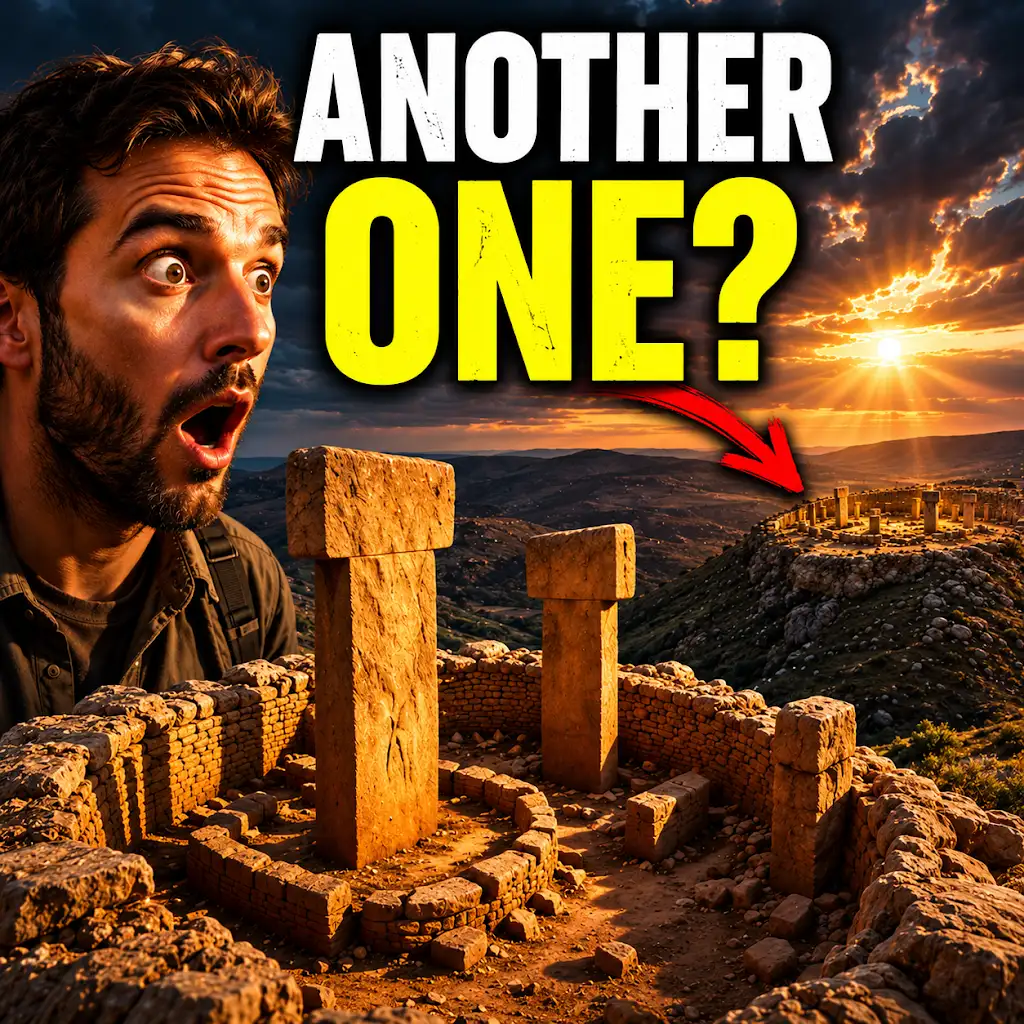
The World Beyond Göbekli Tepe Is Far Bigger Than We Thought
FAQs
What is hunter-gatherer monumental architecture?
Hunter-gatherer monumental architecture refers to large, impressive structures built by ancient hunter-gatherer societies. These structures include things like burial mounds, stone circles, and other impressive constructions that were built without the use of modern technology.
Where have hunter-gatherer monumental architecture been found?
Hunter-gatherer monumental architecture has been found all over the world, including in places like Europe, Asia, Africa, and the Americas. Some well-known examples include Stonehenge in England, the Cahokia Mounds in the United States, and the megalithic structures in Malta.
How were hunter-gatherer monumental architecture constructed?
The construction methods used by ancient hunter-gatherer societies varied depending on the location and the materials available. Some structures were built using large stones that were moved into place using simple tools and manpower, while others were constructed using earth and other natural materials.
What was the purpose of hunter-gatherer monumental architecture?
The exact purpose of hunter-gatherer monumental architecture is still a topic of debate among archaeologists and historians. Some believe that these structures were used for religious or ceremonial purposes, while others think they may have served as markers for important locations or events.
What can we learn from hunter-gatherer monumental architecture?
Studying hunter-gatherer monumental architecture can provide valuable insights into the social, cultural, and technological capabilities of ancient societies. It can also help us better understand how these societies interacted with their environment and each other.