
The flickering glow of ancient campfires, the chipped edges of stone tools, the ephemeral whispers of a world long past – these are the tantalizing clues that North America’s archaeology documentary, “Uncovering Ice Age Artifacts,” seeks to illuminate. This groundbreaking series ventures deep into the continent’s prehistoric past, focusing on the remarkable period when megafauna roamed and the first humans navigated a land sculpted by glaciers. It is a journey that transcends mere academic inquiry, offering a visceral connection to our earliest ancestors and the challenges they faced.
The documentary dedicates its initial segment to setting the stage, painting a vivid picture of North America during the Pleistocene epoch, commonly known as the Ice Age. This was not a static landscape but a dynamic, ever-changing environment shaped by immense ice sheets. The sheer scale of glaciation is a recurring theme, emphasizing how these frozen titans dictated the patterns of human migration, resource availability, and the very evolution of the continent’s flora and fauna.
The Mighty Glaciers: Sculptors of a New World
“Uncovering Ice Age Artifacts” masterfully employs stunning CGI reconstructions and expert interviews to convey the colossal power of the ice sheets. Viewers are transported to a time when vast glaciers, miles thick in places, covered much of Canada and the northern United States. The documentary explains how these ice masses acted as both barriers and highways, influencing sea levels, creating unique geological formations like moraines and drumlins, and ultimately shaping the drainage systems and landforms that persist to this day. The narrative highlights the slow, relentless march of these ice fronts and their eventual retreat, a process that took millennia but left an indelible mark on the continent. Scientists explain the mechanisms of glacial advance and retreat, detailing how temperature fluctuations and atmospheric composition played crucial roles in these dramatic climatic shifts. The visual representations of the ice sheets are awe-inspiring, emphasizing their sheer immensity and their profound impact on the nascent human populations.
Megafauna: Giants of the Ice Age Landscape
Alongside the imposing ice, the documentary introduces the extraordinary creatures that shared this frozen frontier. The familiar images of mammoths and mastodons are brought to life, but the series also delves into the lesser-known giants like the giant ground sloth, the saber-toothed cat, and the dire wolf. These magnificent animals were not simply part of the backdrop; they were central to the survival strategies of early North Americans.
The Mammoth and the Mastodon: Pillars of the Pleistocene
The documentary meticulously details the ecological niches occupied by these massive herbivores. It explores their dietary habits, their migratory patterns, and their crucial role in the food web. The discovery of mammoth and mastodon remains, often found alongside evidence of human activity, provides tangible proof of the close relationship between these creatures and early hunter-gatherers. The series emphasizes the challenges and rewards of hunting such large prey, highlighting the ingenuity and bravery required for survival.
Predators and Prey: A Delicate Balance
“Uncovering Ice Age Artifacts” doesn’t shy away from the dangerous realities of the Ice Age. The predatory prowess of the saber-toothed cat and the dire wolf is explored, emphasizing the constant threat they posed to both megafauna and early human groups. The documentary examines how early humans likely adapted to these threats, developing sophisticated hunting techniques and defensive strategies. The interdependency of predator and prey is presented not as a simple struggle, but as a complex ecological dance that defined life during this era.
The Ice Age archaeology documentary focusing on North America provides a fascinating glimpse into the lives of early inhabitants and their adaptation to a changing environment. For those interested in exploring more about ancient civilizations and their architectural innovations, a related article titled “Unearthing Ancient Cities: The Pneumatic Foundations” delves into the engineering marvels of past societies. You can read more about it by following this link: Unearthing Ancient Cities: The Pneumatic Foundations.
The First Americans: Journeys Across the Bering Land Bridge
A pivotal focus of the documentary is the question of how and when humans first arrived in North America. “Uncovering Ice Age Artifacts” presents the prevailing scientific consensus, focusing on the Bering Land Bridge – a vast landmass that connected Siberia and Alaska during periods of lower sea levels. This section of the series is a testament to the power of archaeological investigation, piecing together fragmented evidence to reconstruct ancient migration routes.
The Bering Land Bridge: A Pathway to a New World
The documentary visually reconstructs the Bering Land Bridge, demonstrating how a substantial landmass would have emerged as glacial ice locked up vast amounts of water, lowering global sea levels. This provided a viable corridor for both humans and animals to traverse between continents. Scientists discuss the timing of this migration, with evidence suggesting multiple waves of human entry, potentially spanning several thousand years. The challenges of crossing this expanse, with its harsh climate and unforgiving terrain, are vividly depicted.
Genetic Clues and Linguistic Echoes
Beyond the physical evidence, “Uncovering Ice Age Artifacts” explores the complementary insights offered by genetics and linguistics. Researchers discuss how DNA analysis of indigenous populations provides strong support for the Beringian migration route, tracing ancestral lineages back to Siberian populations. The subtle similarities in some Native American languages and those of certain Asian groups are also presented as intriguing, albeit less conclusive, evidence of ancient connections. The documentary highlights how these different scientific disciplines converge to paint a cohesive picture of human origins in the Americas.
The Clovis First Model and its Evolving Narrative
For decades, the “Clovis First” model, which posited that the Clovis culture represented the earliest widespread inhabitants of North America, dominated archaeological thought. “Uncovering Ice Age Artifacts” addresses this historical perspective and the paradigm shifts that have occurred. The documentary showcases crucial pre-Clovis sites, such as Monte Verde in Chile and Paisley Caves in Oregon, that have pushed back the timeline of human arrival significantly.
Challenging the Orthodoxy: Pre-Clovis Sites and Their Significance
The series dedicates considerable time to detailing the discoveries at these groundbreaking sites. The meticulous excavation, dating techniques employed, and the types of artifacts found at pre-Clovis locations are explained in detail. The documentary emphasizes the meticulous work of archaeologists who persevered in the face of skepticism to present compelling evidence of earlier human presence. The significance of these findings lies not just in pushing back the date, but in demonstrating that early humans were more adaptable and arrived in the Americas much earlier than previously believed.
The Genetics of Arrival: Unraveling Early Population Dynamics
The integration of genetic research with archaeological findings is a significant strength of the documentary. Scientists explain how mitochondrial DNA and Y-chromosome analysis can reveal patterns of early population movements and diversification within North America. This allows for a more nuanced understanding of how early human groups spread across the continent after their initial arrival, potentially following different routes and adapting to diverse environments. The documentary effectively illustrates how genetic data can corroborate and refine archaeological interpretations of migration patterns.
The Toolkit of Survival: Ice Age Artifacts Unearthed

The heart of “Uncovering Ice Age Artifacts” lies in its exploration of the material culture left behind by these ancient peoples. The documentary showcases a remarkable array of tools, weapons, and adornments that speak volumes about the ingenuity and adaptability of Ice Age inhabitants. These artifacts are not just inert objects; they are windows into the daily lives, spiritual beliefs, and technological prowess of our distant ancestors.
Lithic Technology: The Stone Age Masterpieces
The skilled craftsmanship evident in stone tools is a recurring theme. The documentary focuses on the reduction of stone through knapping, a complex process of striking flakes from a core to create sharp edges and specific shapes.
Projectile Points: Precision and Lethality
The evolution and diversity of projectile points, from the distinctive fluted points of the Clovis culture to later, more regional variations, are meticulously examined. Experts explain the different types of stone used, the techniques of flaking, and the intended uses of these points, whether for hunting large game or for smaller animals. The documentary highlights how projectile point styles can serve as chronological markers and indicators of cultural diffusion.
Scrapers, Knives, and Drills: Tools for Everyday Life
Beyond projectile points, the series showcases a range of other essential lithic tools. Scrapers for processing hides, knives for butchering, and drills for piercing bone and wood are all presented as vital components of the Ice Age toolkit. The documentary emphasizes the efficiency and effectiveness of these seemingly simple tools, demonstrating how they enabled early humans to exploit their environment to the fullest. The functional aspect of these artifacts is stressed, highlighting how they directly contributed to survival.
Bone and Antler: Versatile Materials for Craftsmanship
Stone was not the only material exploited by Ice Age artisans. The documentary also highlights the significant use of bone and antler, materials that were readily available from the abundant megafauna.
Needles and Awls: Crafting with Precision
The discovery of finely crafted bone needles and awls provides evidence of sophisticated sewing and piercing techniques. These tools were essential for creating clothing from animal hides, a critical adaptation to the cold Ice Age climate. The documentary demonstrates how these small, yet vital, implements enabled the creation of protective garments, crucial for survival in harsh conditions.
Harpoons and Fishhooks: Exploiting Aquatic Resources
In areas with access to water, evidence of bone and antler harpoons and fishhooks points to the exploitation of aquatic resources. The documentary explores how these tools facilitated fishing and hunting of marine mammals, demonstrating the diverse strategies employed by different groups to secure food. This highlights the adaptability of early humans to various ecological settings.
Sites of Discovery: Where the Past Emerges
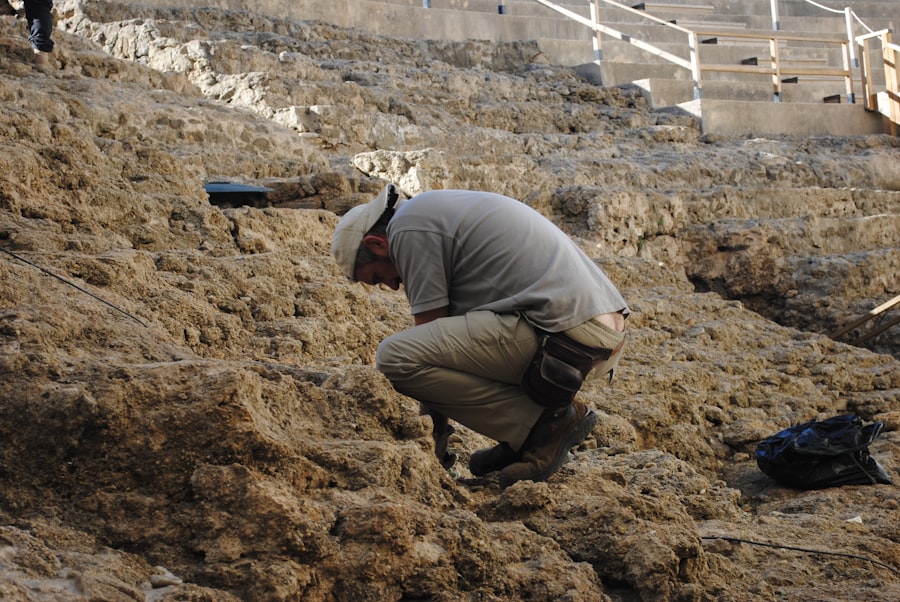
“Uncovering Ice Age Artifacts” takes viewers to some of the most significant archaeological sites across North America, revealing the painstaking work involved in excavating and interpreting these ancient landscapes. The documentary emphasizes that each site tells a unique story, contributing to the broader narrative of Ice Age human history.
The Significance of Kill Sites
Kill sites, locations where megafauna were hunted and butchered, are particularly important for understanding early human subsistence strategies. The documentary showcases sites where evidence of large animal carcasses, along with associated stone tools and butchering marks, provides a direct glimpse into the hunting practices of the time.
Mammoth Steppes and the Hunter’s Advantage
The documentary explores how the open, treeless landscapes of the Ice Age, often referred to as mammoth steppes, provided ideal conditions for hunting large herbivores. The strategies employed at kill sites, such as driving herds into natural traps or ambushing them, are explained through expert analysis of the artifact distribution and faunal remains. The documentary aims to convey the immense skill and coordination required for such hunts.
Habitation Sites: Glimpses into Daily Life
Habitation sites, where early humans lived and carried out their daily activities, offer invaluable insights into their social structures, living arrangements, and domestic practices. The documentary showcases the careful excavation of these areas, revealing hearths, postholes, and the accumulation of domestic debris.
Revealing Hearth Structures and Dwelling Designs
The documentary highlights the archaeological identification of hearth structures, which provided warmth and a central gathering place for ancient communities. The analysis of postholes can sometimes reveal the design and layout of temporary or semi-permanent dwellings, offering clues about the organization of family units and community life. The careful reconstruction of these elements helps viewers visualize the living conditions of Ice Age peoples.
Middens and the Culinary Habits of the Past
Middens, or ancient refuse piles, are treasure troves of information for archaeologists. The documentary explains how the analysis of faunal remains, plant matter, and discarded artifacts within middens can reveal the diet, food processing techniques, and even the environmental conditions of the time. This provides a tangible connection to the daily routines and sustenance of Ice Age populations.
Caves and Rock Shelters: Natural Archives of Prehistory
Caves and rock shelters, often providing natural protection from the elements, have preserved some of the most remarkable evidence of Ice Age human activity. The documentary visits these sites, emphasizing how their sheltered environments can protect delicate artifacts and organic remains.
The Miracles of Preservation in Subterranean Environments
The documentary highlights how the stable, cool, and dry conditions found in many caves can lead to exceptional preservation of organic materials like bone, wood, and even human remains. This allows for a more detailed understanding of diet, tool-making materials, and even the physical characteristics of early populations. The documentary emphasizes the luck and meticulous care required to uncover these pristine environments.
Early Art and Symbolic Expression within Cave Walls
In some remarkable instances, caves have yielded evidence of early human artistic expression. The documentary may touch upon potential examples of cave paintings or engravings, if discovered within the scope of North American Ice Age archaeology. Such discoveries offer profound insights into the cognitive abilities and symbolic thought of our ancestors, demonstrating a capacity for abstraction and communication beyond mere survival.
The Ice Age archaeology documentary focusing on North America reveals fascinating insights into the lives of early inhabitants and their adaptation to a changing environment. For those interested in understanding the broader climatic factors that influenced these ancient peoples, a related article explores the secrets of ancient climate steering, shedding light on how climate shifts shaped human history. You can read more about this intriguing topic in the article here.
The Ongoing Quest: Future Discoveries and Enduring Mysteries
| Location | Discoveries | Artifacts |
|---|---|---|
| Alaska | Stone tools, animal bones | Projectile points, pottery |
| Canada | Human remains, cave paintings | Tools, jewelry |
| United States | Mammoth bones, ancient dwellings | Clovis points, pottery shards |
“Uncovering Ice Age Artifacts” concludes by looking towards the future of Ice Age archaeology. While much has been learned, the documentary acknowledges that numerous questions remain unanswered, fueling continued research and discovery. The series inspires viewers to appreciate the ongoing nature of scientific inquiry and the potential for future breakthroughs.
Technological Advancements in Archaeological Research
The documentary highlights how new technologies are revolutionizing the field of archaeology. From advanced dating techniques like radiocarbon dating and optically stimulated luminescence (OSL) to remote sensing methods like LiDAR and ground-penetrating radar, these tools are allowing archaeologists to see the past with unprecedented clarity.
Precision Dating: Pinpointing Prehistoric Events
The accurate dating of artifacts and sites is crucial for establishing chronological sequences and understanding the timeline of human occupation. The documentary explains how these advanced dating methods provide more precise chronological frameworks, allowing for a more refined understanding of when and where early human groups were present. This helps to resolve debates and establish firmer timelines for key events.
Remote Sensing and Non-Invasive Exploration
The use of technologies like LiDAR (Light Detection and Ranging) is enabling archaeologists to map landscapes and identify potential archaeological features without the need for extensive excavation. This non-invasive approach is particularly valuable for exploring vast and sensitive areas, helping to identify previously unknown sites and understand the broader settlement patterns of Ice Age populations. The documentary emphasizes how these technologies are making archaeological exploration more efficient and less destructive.
Unanswered Questions and Emerging Theories
Despite decades of research, many fundamental questions about Ice Age North America persist. The exact timing and routes of the earliest migrations, the nature of interactions between different early human groups, and the causes of megafaunal extinctions are all areas of active debate and ongoing investigation.
The Mystery of Megafaunal Extinctions: Climate Change vs. Human Impact
The disappearance of North America’s megafauna remains a subject of intense scientific discussion. The documentary explores the leading theories, including the impact of rapid climate change and the role of human hunting. It acknowledges the complexity of this issue, suggesting that a combination of factors likely contributed to these extinctions. The documentary presents the current scientific understanding while acknowledging the ongoing debate and the need for further evidence.
The Evolution of Human Culture and Adaptation
The long-term evolution of human culture and adaptation during the Ice Age is another area ripe for further exploration. The documentary touches on how early populations developed increasingly sophisticated technologies, social structures, and symbolic behaviors in response to changing environmental conditions and resource availability. The series encourages viewers to consider the adaptability and resilience of our ancestors, whose journey laid the foundation for all subsequent human history in the Americas.
“Uncovering Ice Age Artifacts: North America’s Archaeology Documentary” is more than just an educational program; it is an invitation to connect with our shared human heritage. By meticulously piecing together the fragments of the past, it allows us to walk alongside our ancestors, to understand their struggles and triumphs, and to marvel at the enduring legacy they have left behind. The frozen frontier of the Ice Age, once a realm of myth and speculation, is now illuminated by the unwavering light of scientific discovery, reminding us that the story of humanity is still being written, one artifact at a time.

These Footprints Could Rewrite the Story of the First Americans
FAQs
What is the Ice Age archaeology documentary North America about?
The documentary explores the archaeological evidence of human activity in North America during the last Ice Age, focusing on the various cultures and civilizations that existed during this time period.
What time period does the documentary cover?
The documentary covers the time period known as the Last Glacial Maximum, which occurred approximately 20,000 years ago during the peak of the last Ice Age.
What archaeological evidence is presented in the documentary?
The documentary presents a wide range of archaeological evidence, including ancient tools, artwork, and human remains, that provide insights into the lives and cultures of the people who lived in North America during the Ice Age.
What are some of the key findings discussed in the documentary?
Some of the key findings discussed in the documentary include evidence of early human migration into North America, the development of complex societies and cultural practices, and the impact of climate change on ancient civilizations.
Where can I watch the Ice Age archaeology documentary North America?
The documentary is available for streaming on various platforms, including online streaming services, and may also be available for purchase or rental through DVD or Blu-ray.