For centuries, the story of Jamestown, the first permanent English settlement in North America, has been pieced together through archaeological fragments and historical records. Yet, like a partially deciphered manuscript, many of its deepest secrets remained elusive. The physical remains of the settlers, interred within the very soil they cultivated, offered a tangible connection to this pivotal moment in history. However, unlocking the biological narratives encoded within these remains presented a formidable challenge, a silent language waiting to be spoken. It was not until recent advancements in forensic science and genetic analysis that the true potential of these ancient bones began to be realized. The discovery and subsequent analysis of mitochondrial DNA (mtDNA) from Jamestown’s earliest inhabitants have offered profound insights, not only into the lives and origins of the settlers themselves but also into the complex social and biological fabric of the nascent colony. This exploration delves into the groundbreaking journey of uncovering Jamestown’s mitochondrial DNA, revealing the scientific rigor, the historical implications, and the enduring power of these tiny genetic threads to connect us to our ancestral past.
The recent discovery of mitochondrial DNA from the Jamestown settlement has shed light on the genetic heritage of early American colonists, revealing connections to various populations in Europe. This fascinating finding is part of a broader exploration of how ancient technologies and innovations have shaped human history. For more insights into the advancements of lost civilizations and their impact on modern society, you can read the related article at Uncovering Ancient Tech: Lost Civilizations and Innovations.
The Lost Colony’s Echoes: Re-examining the Jamestown Narrative
The early years of Jamestown were marked by hardship, disease, and conflict, often overshadowed by the romanticized tales of survival. The archaeological work at the site, initiated in earnest in the early 2000s, began to rewrite this narrative, exposing the stark realities of colonial life. The discovery of the original fort’s footprint, along with the remains of hundreds of individuals, provided an unprecedented opportunity to study the physical conditions and demographics of the early settlers. However, the conventional archaeological and historical methods, while invaluable, were limited in their ability to provide granular information about the individuals themselves – their lineage, their health, and their relationships. The human remains, unearthed with meticulous care, held within their very cells the genetic blueprints that could unlock these deeper mysteries. The limitations of existing knowledge created a fertile ground for the application of cutting-edge scientific techniques, promising to imbue the skeletal remains with a voice, a narrative that had been silent for over 400 years.
The Unearthing of the First Settlers
The archaeological excavations at the Jamestown Rediscovery site have been a monumental undertaking, transforming our understanding of the colony’s beginnings. The initial discovery of the Jamestown fort in 1996, after years of searching, set the stage for decades of systematic excavation. Within the confines of this historic footprint, archaeologists unearthed not only structures and artifacts but also the physical remains of those who lived and died there. These burials, often located within or around the fort’s palisade, represented a cross-section of the early population, including
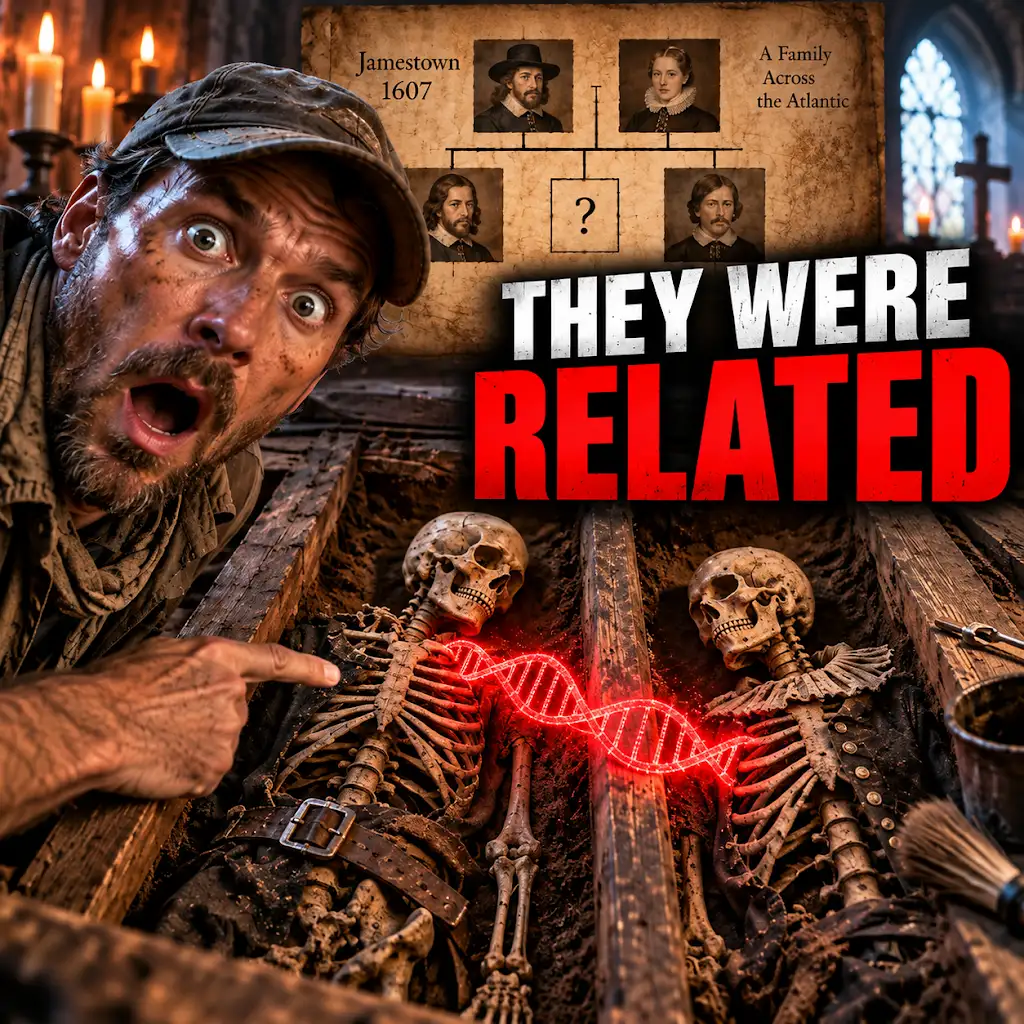
Jamestown DNA Revealed a Family Secret Hidden for 400 Years
FAQs
What is the significance of the Jamestown mitochondrial DNA discovery?
The Jamestown mitochondrial DNA discovery revealed new insights into the lives of early settlers in America, shedding light on their origins and genetic diversity.
How was the mitochondrial DNA discovered in Jamestown?
The mitochondrial DNA was discovered through the analysis of skeletal remains found at the Jamestown archaeological site in Virginia.
What information can be obtained from studying mitochondrial DNA?
Studying mitochondrial DNA can provide information about maternal ancestry, genetic relationships, and population movements over time.
How does mitochondrial DNA differ from nuclear DNA?
Mitochondrial DNA is inherited exclusively from the mother, while nuclear DNA is a combination of genetic material from both parents.
What are some potential future implications of the Jamestown mitochondrial DNA discovery?
The Jamestown mitochondrial DNA discovery could lead to further research on the genetic history of early American settlers and provide a better understanding of their migration patterns and interactions with indigenous populations.