Uncovering Jamestown’s Secrets: Archaeology and DNA
Jamestown, Virginia, the site of the first permanent English settlement in North America, has long been a touchstone of American history. For centuries, its story was primarily pieced together through fragmented written records and early archaeological investigations. However, the dawn of the 21st century has witnessed a profound revolution in how we understand this pivotal settlement. The convergence of cutting-edge archaeological techniques and advanced DNA analysis has begun to peel back layers of dust and conjecture, revealing a more nuanced, complex, and often surprising narrative of early colonial life. This article delves into the remarkable discoveries being unearthed at Jamestown, exploring how these scientific disciplines are rewriting our understanding of who the early settlers were, how they lived, and the challenges they faced.
For a significant period after its abandonment, the precise location of James Fort, the original fortified settlement established in 1607, was largely lost to history. While its general vicinity was known, the exact footprint and the most archaeologically significant areas remained elusive. This uncertainty hampered in-depth historical and archaeological inquiry. The breakthrough came with the dedicated efforts of the Colonial Williamsburg Foundation and the Association for the Preservation of Virginia Antiquities (now Preservation Virginia), who, through persistent research and systematic survey, began to redefine the boundaries of the original settlement.
Early Investigations and the Search for Certainty
Initial archaeological work in the early 20th century provided tantalizing clues but lacked the precision to definitively identify the core structures of the fort. Artefacts were recovered, and some structural evidence was noted, but without a clear understanding of the fort’s original palisade line and internal layout, interpretations remained tentative. The prevailing notion was that the fort had been largely washed away by the James River’s erosive action. This belief, while not entirely unfounded given the river’s proximity and historical changes in its course, often led to a less focused approach to excavation.
The Pivotal Discovery of the “Triangle Block”
The turning point in pinpointing the fort’s location arrived in the early 2000s. Archaeologists, employing meticulous survey methods and a deep understanding of historical land use, began to systematically explore an area believed to be within the fort’s original boundaries. This painstaking work culminated in the discovery of a substantial section of the fort’s original palisade wall, an earthwork fortification constructed from timber. This discovery, often referred to as the “triangle block” due to its shape and strategic importance, provided an unshakeable anchor for subsequent excavations.
The Significance of the Palisade
The palisade wall was not merely a physical barrier; it was the defining feature of the early colonial settlement, offering protection from indigenous populations and a clear demarcation of English territory. Its discovery allowed archaeologists to reconstruct the fort’s likely shape and dimensions. The sheer scale of the palisade indicated a significant investment of labor and resources, highlighting the early settlers’ commitment to establishing a permanent presence. Excavations within this newly identified area yielded a wealth of artefacts directly associated with the fort’s construction and occupation.
Unearthing Domestic and Military Structures
Following the identification of the palisade, archaeologists were able to systematically excavate within the fort’s presumed perimeter. This led to the unearthing of numerous postholes, the remnants of timber structures that once formed barracks, workshops, storehouses, and even a church. The strategic placement of these structures within the fort’s walls provided insights into the daily routines, defense strategies, and organizational structure of the early colony. The recovery of weaponry, armor fragments, and military accoutrements underscored the constant threat and the need for preparedness.
Recent advancements in archaeology have shed light on the historical significance of Jamestown, particularly through the analysis of DNA from remains found at the site. A fascinating article discusses how genetic testing has provided insights into the lives of the early settlers and their interactions with Indigenous populations. This research not only enhances our understanding of the past but also raises questions about identity and heritage. For more information, you can read the article here: related article.
Beyond Fort Walls: Life in Early Jamestown
The excavation of the “lost” fort was transformative, but the archaeological story of Jamestown extends far beyond its defensive perimeter. As excavations broadened, they began to paint a vivid picture of the everyday lives of the colonists, revealing the harsh realities and surprising adaptations that characterized their existence. This phase of discovery has moved beyond simply identifying structures to understanding the people who inhabited them.
The Material Culture of Survival
The sheer volume and variety of artefacts recovered from Jamestown are staggering. These objects, ranging from mundane pottery shards and tools to more personal items and exotic imports, are the silent witnesses to the colonists’ struggles and triumphs. Archaeologists meticulously catalogue, analyze, and interpret these findings to reconstruct the colonists’ diet, their craftsmanship, their social interactions, and their economic activities.
Diet and Subsistence: More Than Just Gruel
For a long time, the popular image of the Jamestown diet was one of near-starvation and reliance on meager rations. However, archaeological evidence has challenged this simplistic view. The recovery of animal bones, plant remains, and seeds has revealed a far more diverse and adaptable diet than previously imagined. Evidence of hunting, fishing, and farming, alongside trade with indigenous populations, suggests a more resourceful approach to sustenance.
Evidence of Indigenous Foodways
The presence of native American botanical remains, such as corn (maize), beans, and squash, alongside artifacts indicating their use in cooking and preparation, demonstrates the significant impact of indigenous foodways on the colonists’ diet. This exchange was not a one-way street, as colonists also introduced new crops and livestock.
The Role of Animal Husbandry and Hunting
Analysis of animal bones reveals a growing reliance on domesticated animals like pigs and chickens, which provided a more consistent source of protein. Furthermore, evidence of hunting deer, wild fowl, and other game indicates that the colonists actively utilized the surrounding natural resources.
Craftsmanship and Technology: Ingenuity in the Face of Scarcity
The colonists were forced to be resourceful, and the archaeological record is replete with examples of their ingenuity in craftsmanship and technology. From blacksmithing to pottery making, they adapted European techniques to the available materials and the unique challenges of the new environment.
The Blacksmith’s Forge: A Hub of Activity
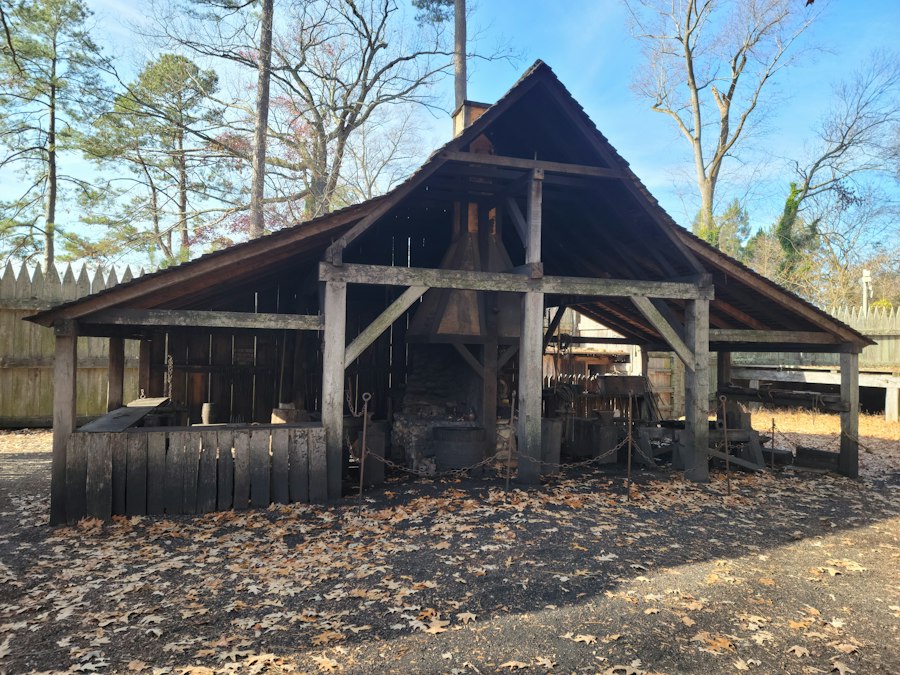
The discovery of blacksmithing forges and numerous iron implements, including tools, nails, and weapons, highlights the critical role of this trade in the colony’s survival. Blacksmiths were essential for repairing equipment, manufacturing tools, and producing necessities.
Ceramics and Glassware: Glimpses of Daily Life
The recovery of various types of pottery, from crude earthenware to more refined ceramics, offers insights into cooking, storage, and dining practices. Fragments of glass bottles and window panes, though often rare, suggest the presence of imported goods and a desire for some semblance of familiar comforts.
The Unseen Population: Africans and Indigenous Peoples in Jamestown
Perhaps one of the most profound shifts in our understanding of Jamestown has been the recognition of the integral roles played by Africans and indigenous peoples from the very inception of the colony. Previously, historical narratives often marginalized or entirely overlooked their presence and contributions. Archaeology and DNA analysis have been instrumental in bringing these vital populations into clearer focus.
The Earliest Africans: Beyond the “First Landing” Narrative
The arrival of the first Africans in Virginia in 1619 is a well-documented, albeit often simplified, historical event. However, archaeological discoveries have begun to push the boundaries of our understanding regarding their lives, status, and integration (or lack thereof) within the early colonial society.
Evidence of Labor and Status
Archaeological findings, such as burial sites and the distribution of artefacts within living quarters, have provided clues about the labor performed by Africans and their social standing. While initially treated as enslaved, the exact nature of their bondage and their eventual pathways to freedom or continued servitude are areas still being actively investigated.
Material Culture and Identity
The study of artefacts found in association with African burials or living spaces can offer insights into their cultural practices, their adherence to or adaptation of African traditions, and their engagement with European material culture. This is a complex and evolving area of research.
The Powhatan Confederacy: A Dynamic Relationship
The relationship between the Jamestown colonists and the indigenous Powhatan Confederacy was not a static one of conflict but a dynamic and often complex interplay of trade, diplomacy, and occasional violence. Archaeological evidence has been crucial in understanding the daily interactions and the impact of the English presence on native life.
Shared Spaces and Material Exchange
The discovery of indigenous artifacts within English contexts, and vice versa, speaks to the constant exchange of goods and ideas. This exchange ranged from tools and food to knowledge about the land and its resources.
The Impact of Disease and Displacement
While not always directly visible in the immediate archaeological record of Jamestown itself, broader archaeological studies in the surrounding regions, coupled with documentary evidence, have highlighted the devastating impact of European diseases and the subsequent displacement of indigenous populations.
Decoding the Past with DNA: Unlocking Personal Histories
While archaeology provides the physical remnants of past lives, DNA analysis offers a powerful new lens through which to explore the biological identities and relationships of those who lived at Jamestown. This cutting-edge technology allows scientists to move beyond assumptions and historical records to gain direct insights into the genetic heritage of individuals, revealing their origins and sometimes even shedding light on their health and kinship.
The Power of Ancient DNA: From Bone to Blueprint
The extraction and analysis of ancient DNA from skeletal remains are complex but incredibly rewarding processes. By carefully collecting samples from burials within the Jamestown settlement, scientists have been able to reconstruct the genetic profiles of individuals who lived and died centuries ago.
Identifying Origins: Tracing Ancestry Across Continents
One of the most significant applications of DNA analysis in Jamestown has been the identification of individuals’ ancestral origins. By comparing the DNA of skeletons to modern populations, researchers can determine whether individuals were of European, African, or other ancestries. This has been particularly crucial for confirming the presence and origins of Africans who were brought to the colony, often under duress.
Confirming African Ancestry
In cases where historical records are ambiguous or absent, DNA analysis has provided definitive proof of African ancestry for individuals buried at Jamestown. This has helped to solidify the understanding of the diverse racial makeup of the early colonial population.
European Regional Origins
For European settlers, DNA analysis can sometimes provide clues about their specific regions of origin within Europe, adding further detail to their biographical profiles and helping to understand migration patterns.
Unveiling Family Ties and Kinship
Beyond identifying broader origins, DNA analysis can also illuminate family relationships. By analyzing the DNA of multiple individuals found in close proximity, archaeologists and geneticists can determine if they were related, providing insights into family structures and burial practices.
Identifying Parents and Offspring
In some instances, it has been possible to identify parent-offspring relationships through DNA, offering a unique glimpse into the familial bonds within the colony.
Understanding Burial Practices and Social Hierarchies
The presence of family groups buried together can also inform our understanding of social structures and how families were treated in death. Were certain family units afforded specific burial locations or practices?
The Case of Captain George Kendall: A Forensic Breakthrough
Perhaps the most compelling example of DNA analysis in action at Jamestown is the case of Captain George Kendall, one of the original colonists who was executed for mutiny in 1608. For centuries, the exact burial site and circumstances of his demise were subjects of speculation.
Locating the Unmarked Grave
Through meticulous archaeological excavation in a particularly dense area of the fort, a burial was discovered that was believed to be Kendall’s based on its location and the presence of a lead shot injury in the skull.
DNA Confirmation: Connecting the Past to the Present
Subsequent DNA analysis of skeletal remains from this burial, compared to DNA from known descendants of Kendall’s maternal line, provided a high degree of certainty that this was indeed the grave of Captain George Kendall. This forensic breakthrough allowed for the re-examination of historical accounts and provided a tangible link to a significant, and tragic, early event.
The Significance of Kendall’s Story
Kendall’s story is emblematic of the harsh realities of early colonial life. His execution underscores the constant tension, suspicion, and desperate measures employed to maintain order and control in a nascent and vulnerable settlement. The ability to identify him through DNA adds a profound layer of humanity to this historical footnote.
Reconstructing Lives: The Synergy of Archaeology and DNA
The true power of uncovering Jamestown’s secrets lies not solely in the individual discoveries made by archaeology or DNA analysis, but in their profound synergy. When these disciplines work in tandem, they create a more holistic and deeply human understanding of the past. Archaeology provides the context, the physical space, and the material evidence, while DNA offers the biological identities and ancestral connections that breathe life into those remains.
Filling the Gaps in Historical Records
Written records from early Jamestown are often incomplete, biased, or lost to time. DNA analysis can fill these gaps by providing objective biological data that historical accounts may not address. It can confirm or challenge existing interpretations, offering a more nuanced and accurate portrayal of the colony’s inhabitants.
The Diversity of the Colonists
The combined evidence from archaeology and DNA has definitively shown that Jamestown was far more diverse than previously understood. The presence of individuals from various European regions and the significant contributions of Africans from its earliest years challenge the traditional, often monochromatic, narratives of colonial beginnings.
Understanding Social Mobility and Stratification
By analyzing burial patterns, artefact associations, and genetic data, researchers can begin to understand social stratification within the colony. Were certain individuals buried with more elaborate grave goods? Did their DNA reveal any clues about their social standing or their journey to Virginia?
A More Humanistic Historical Narrative
The ultimate impact of these discoveries is the creation of a more humanistic and relatable historical narrative. Instead of abstract figures in dusty texts, we are beginning to understand the individuals who walked the grounds of Jamestown – their origins, their struggles, their families, and their ultimate fates.
The Realities of Daily Life and Death
The skeletal remains, analyzed by both archaeologists and geneticists, offer a direct window into the health, diet, and causes of death of the early colonists. This allows for a deeper appreciation of the extreme challenges they faced in establishing a new life.
Acknowledging Underrepresented Voices
The integration of DNA evidence, particularly concerning individuals of African descent, has been crucial in acknowledging and amplifying the voices of those who were historically marginalized. Their genetic legacy is now a tangible part of the Jamestown story, ensuring that their contributions are not forgotten.
Recent discoveries at Jamestown have shed light on the intersection of archaeology and DNA analysis, revealing fascinating insights into the lives of early settlers. Researchers have utilized advanced genetic techniques to trace lineage and understand the health and demographics of the population during the colony’s formative years. This innovative approach not only enhances our understanding of historical events but also connects to broader themes in archaeology, such as the significance of ancient technologies and their impact on civilizations. For those interested in exploring similar topics, you can read more about these advancements in archaeology in this article on uncovering ancient technologies.
The Future of Jamestown Archaeology: Ongoing Investigations and New Questions
| Metric | Data/Value | Description |
|---|---|---|
| Number of DNA Samples Analyzed | 50+ | Samples taken from skeletal remains found at Jamestown archaeological sites |
| Time Period of Remains | 1607-1624 | Early colonial period corresponding to Jamestown settlement |
| Genetic Ancestry Findings | European, African, Native American | DNA analysis revealed diverse ancestry among Jamestown settlers |
| Number of Archaeological Excavations | 10+ | Major digs conducted at Jamestown Island since 1994 |
| Artifacts Recovered | Thousands | Includes tools, personal items, and building materials |
| Notable DNA Discovery | Identification of first African woman in English America | Confirmed through mitochondrial DNA analysis |
| Collaboration Institutions | Jamestown Rediscovery Project, Smithsonian Institution | Key organizations involved in archaeology and DNA research |
The work at Jamestown is far from complete. Each excavation, each DNA sample analyzed, opens up new avenues of inquiry and poses further questions that will drive future research. The ongoing commitment to scientific investigation promises to continue to unravel the complexities of this foundational American site.
Advanced Technologies and Methodologies
The field of archaeology is constantly evolving, with new technologies and methodologies emerging. Ground-penetrating radar, advanced remote sensing techniques, and sophisticated artifact analysis tools will undoubtedly continue to refine our understanding of the Jamestown site.
Non-Invasive Survey Methods
Future investigations will likely employ more non-invasive techniques to survey and map the landscape, minimizing disturbance while maximizing data collection. This will help to preserve the integrity of the site for generations to come.
Computational Archaeology and Big Data
The sheer volume of data generated by modern archaeological projects necessitates the use of computational archaeology and big data analysis. These tools will help to identify patterns, make connections, and unlock insights that might otherwise remain hidden.
The Ethical Considerations of DNA Research
As DNA analysis becomes more prevalent in historical research, ethical considerations surrounding the handling of human remains and the interpretation of genetic data are paramount. Ensuring respectful treatment of ancestors and avoiding misinterpretations are critical aspects of responsible scientific practice.
Community Engagement and Descendant Voices
Engaging with descendant communities and incorporating their perspectives is increasingly recognized as vital in the ethical conduct of archaeological research involving human remains.
Data Sharing and Open Access
Promoting data sharing and open access to research findings ensures transparency and allows for wider scientific scrutiny and collaboration.
Unanswered Questions and Future Discoveries
Despite the remarkable progress, many questions about Jamestown remain. Who were the other individuals buried within the fort? What was the precise nature of their relationships with the Powhatan people? What were the long-term health impacts of life in the early colony? These and countless other questions will continue to fuel the ongoing pursuit of knowledge at Jamestown, promising further revelations that will continue to shape our understanding of early American history. The combined power of archaeology and DNA analysis has already transformed our perception of this historic site, and the future promises even more profound insights into the lives of those who first dared to build a new world on the banks of the James River.
Jamestown DNA Revealed a Family Secret Hidden for 400 Years
FAQs
What is the significance of archaeology and DNA at Jamestown?
Archaeology and DNA analysis at Jamestown provide valuable insights into the lives of the early settlers, their origins, health, and interactions with the indigenous population.
How is DNA used in archaeological research at Jamestown?
DNA analysis is used to identify individuals, determine familial relationships, and study genetic traits such as ancestry, diseases, and dietary habits of the settlers buried at Jamestown.
What have archaeologists discovered through excavations at Jamestown?
Archaeologists have uncovered artifacts, structures, and human remains that shed light on the daily lives, social structures, and cultural practices of the early settlers at Jamestown.
How does DNA analysis complement traditional archaeological methods at Jamestown?
DNA analysis complements traditional archaeological methods by providing additional information about the biological aspects of the individuals buried at Jamestown, enhancing our understanding of their identities and relationships.
What are some of the challenges faced by archaeologists and geneticists working at Jamestown?
Challenges faced by researchers include the degradation of DNA over time, the difficulty of obtaining viable samples from ancient remains, and the ethical considerations surrounding the handling and analysis of human remains.