Uncovering Lost Civilizations: A Fascinating Documentary
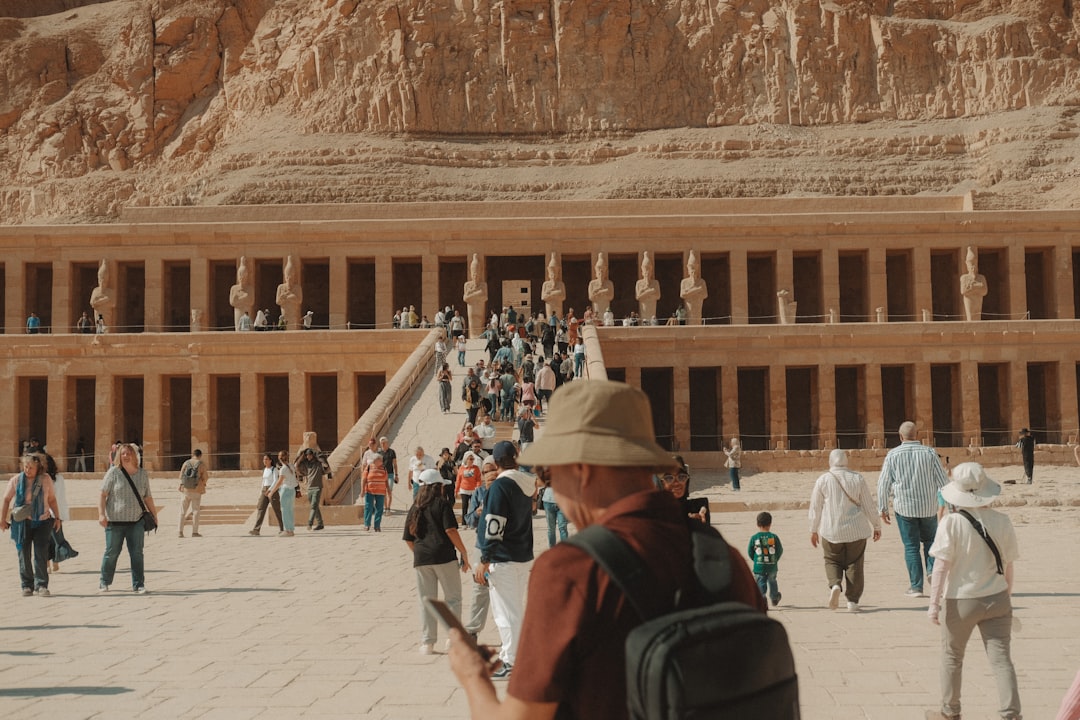
The allure of lost civilizations has captivated humanity for centuries. Whispers of grandeur, advanced knowledge, and societal structures that vanished without a trace fuel our imagination and drive our curiosity. A recent documentary, Echoes of Eternity, masterfully delves into this enthralling subject, taking viewers on a breathtaking journey across continents and through millennia, piecing together the fragmented narratives of societies that once thrived and then, for reasons still debated, faded into obscurity. This compelling film is more than just an academic exercise; it is an immersive experience that ignites a sense of wonder and profound respect for the ingenuity and resilience of our ancient ancestors.
The enduring fascination with lost civilizations stems from a deep-seated human desire to understand our origins and the arc of human progress. These forgotten societies represent not just historical footnotes, but potential chapters of human experience that offer invaluable insights into our collective past. Echoes of Eternity taps into this fundamental fascination, presenting complex archaeological and historical puzzles in an accessible and engaging manner. The documentary expertly weaves together stunning visuals, expert interviews, and compelling storytelling to shed light on the mysteries that surround these vanished cultures.
The Nature of ‘Lost’
The term “lost civilization” itself carries a certain romanticism. It implies an abrupt disappearance, a sudden void in the historical record. However, the documentary carefully unpacks this notion, revealing that “loss” is often a more gradual process. It can involve assimilation, migration, environmental catastrophe, or a slow decline, rather than a cataclysmic event. The film’s narrative arc is structured around exploring these various forms of vanishing, showcasing that each civilization’s end was as unique as its rise.
The Promise of Discovery
For archaeologists and historians, the discovery of a lost civilization is the ultimate prize. It means unearthing new knowledge, challenging existing paradigms, and potentially rewriting history. The documentary highlights the relentless dedication and often serendipitous nature of these discoveries. It showcases the painstaking work involved in excavation, the meticulous analysis of artifacts, and the intellectual leaps required to interpret the evidence.
Lessons from Antiquity
The study of lost civilizations is not merely an academic pursuit; it offers tangible lessons for the present and future. By understanding the successes and failures of ancient societies, we can gain a deeper appreciation for the fragility of human endeavors, the importance of sustainability, and the enduring challenges of governance and social organization. Echoes of Eternity emphasizes this utilitarian aspect, demonstrating how the past can serve as a vital guide for navigating contemporary issues.
In exploring the mysteries of lost civilizations, one cannot overlook the significant impact of environmental and social factors that contribute to their decline. A related article that delves into contemporary issues affecting regions once home to thriving cultures is titled “Sub-Saharan Africa Crisis: The Urgent Need for Action.” This piece highlights the ongoing challenges faced by communities in Sub-Saharan Africa, drawing parallels to the historical lessons learned from ancient civilizations that faced similar crises. For more insights, you can read the article here: Sub-Saharan Africa Crisis: The Urgent Need for Action.
Pillars of the Past: Examining Remarkable Civilizations
Echoes of Eternity doesn’t attempt to cover every single lost civilization but rather focuses on a select few that offer particularly compelling narratives and significant archaeological evidence. The documentary dedicates substantial segments to exploring the rise and fall of these societies, providing a detailed examination of their achievements, social structures, and the lingering questions surrounding their decline. The selection criteria for these civilizations appear to be based on their impact on subsequent cultures, the depth of historical mystery they present, and the availability of intriguing archaeological findings.
The Enigma of the Indus Valley Civilization
One of the most captivating segments of the documentary focuses on the Indus Valley Civilization, also known as the Harappan Civilization. This Bronze Age civilization, flourishing between roughly 2500 and 1900 BCE, was remarkable for its sophisticated urban planning, advanced sanitation systems, and unified script that remains undeciphered to this day. Echoes of Eternity presents the latest archaeological findings from sites like Mohenjo-daro and Harappa, showcasing the impressive grid layouts of their cities, their advanced brick-making technology, and the evidence of long-distance trade.
Urban Sophistication Beyond Its Time
The documentary’s exploration of the Indus Valley’s urban planning is particularly striking. Viewers are treated to detailed reconstructions and aerial footage, illustrating well-organized cities with rectilinear street plans, elaborate drainage systems, and standardized brick sizes. This level of organized infrastructure was virtually unprecedented for its time, suggesting a highly centralized or cooperative form of governance. The film highlights the significance of their public baths and sophisticated water management systems, pointing to a society that prioritized hygiene and communal well-being.
The Undeciphered Language
A persistent enigma surrounding the Indus Valley Civilization is its undeciphered script. The documentary interviews epigraphists and linguists who have dedicated their careers to cracking this code. The absence of a Rosetta Stone equivalent means that our understanding of their beliefs, political structures, and daily lives remains largely inferential, based on the material evidence. The film effectively conveys the frustration and excitement that accompanies this ongoing intellectual pursuit, emphasizing how unlocking this script could revolutionize our understanding of this ancient populace.
Theories of Decline
The disappearance of the Indus Valley Civilization is another major point of intrigue. Echoes of Eternity delves into the various theories proposed by scholars, including climate change, shifts in river courses, invasion, or a combination of factors. The documentary presents compelling evidence for environmental shifts, showing how ancient riverbeds have changed course, potentially disrupting agriculture and trade. It also explores the possibility of gradual decline rather than sudden collapse, suggesting that the civilization may have slowly fragmented and assimilated into other cultures.
In exploring the mysteries of lost civilizations, one might find it intriguing to consider how modern survival strategies could be influenced by ancient practices. A related article discusses essential prepping techniques that can be beneficial in today’s uncertain world. You can read more about these strategies in the article on secret stash spots for prepping for SHTF, which highlights the importance of being prepared for any eventuality. Understanding the lessons from the past can provide valuable insights for our future.
The Sunken City of Pavlopetri
The film then transports viewers to the Mediterranean, to the remarkably preserved submerged city of Pavlopetri off the coast of Laconia, Greece. This Bronze Age settlement, dating back to around 2800 BCE, offers an unparalleled glimpse into a thriving port town that was swallowed by the sea. The documentary’s underwater footage is nothing short of spectacular, revealing the layout of its streets, buildings, courtyards, and even pottery fragments still in situ.
A Window into Minoan and Mycenaean Life
Pavlopetri provides crucial insights into the maritime activities and daily routines of its inhabitants. The documentary features underwater archaeologists meticulously mapping the site, revealing the extent of its harbor and the types of vessels that would have frequented its shores. The presence of pottery shards from various Mediterranean regions suggests that Pavlopetri was a significant trading hub, connecting the Minoan and Mycenaean worlds. The film’s experts discuss the architectural similarities and differences between Pavlopetri and other contemporary sites, shedding light on cultural exchange networks.
The Cataclysmic Event
The reason for Pavlopetri’s submersion is believed to be a significant seismic event or a series of earthquakes that caused the land to subside. The documentary visualizes the potential impact of such a catastrophic event, highlighting the vulnerability of coastal settlements to natural disasters. The preservation of the city under the sea has, ironically, created a remarkably intact archaeological record, offering a unique snapshot of life in the Early Bronze Age.
The Khmer Empire’s Grandeur and Mystery
Moving to Southeast Asia, Echoes of Eternity explores the awe-inspiring Khmer Empire, famous for its magnificent temple complexes, most notably Angkor Wat. While the temples themselves stand as testaments to their power, the documentary focuses on the factors that led to the empire’s eventual decline. The film juxtaposes the grandeur of these architectural marvels with the socio-economic and environmental challenges that may have contributed to their abandonment.
Engineering Marvels in Stone
The documentary showcases the sheer scale and intricate artistry of Khmer architecture. It delves into the engineering prowess required to construct such monumental structures, including the complex hydraulic systems that supported a vast urban population and agricultural output. Expert interviews discuss the symbolism embedded in the temple carvings and the religious beliefs that underpinned Khmer society. The film emphasizes how these structures were not just places of worship but also reflections of imperial power and cosmic order.
The Water Management System
A key aspect of the Khmer Empire’s success, and arguably its eventual downfall, was its sophisticated water management system. The documentary explains how the empire harnessed the power of monsoons through a network of reservoirs, canals, and moats to support extensive rice cultivation and provide water for its large population. However, the film also explores how prolonged droughts or excessive monsoons could have crippled this system, leading to food shortages and social unrest.
Theories of Collapse
The decline of the Khmer Empire is a complex puzzle with multiple contributing factors. Echoes of Eternity examines theories that include environmental degradation, resource depletion, internal rebellions, and the rise of rival kingdoms. The film presents archaeological evidence suggesting a gradual weakening of the empire, perhaps exacerbated by the strain of maintaining its vast infrastructure and religious edifices.
The Archaeologist’s Gaze: Tools and Techniques of Discovery
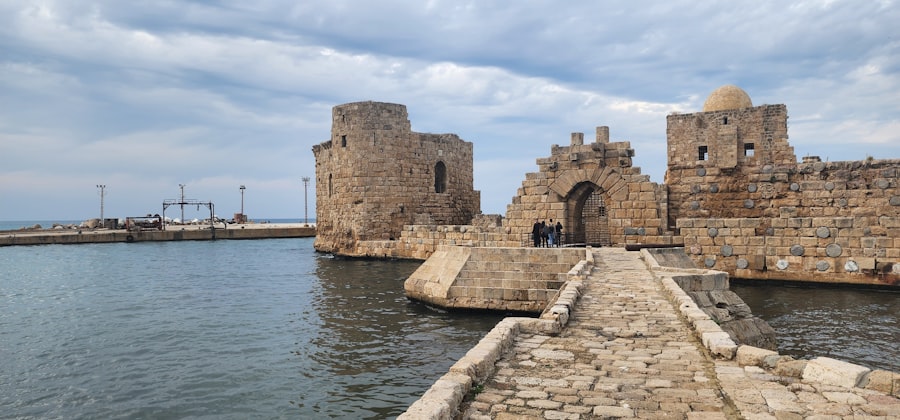
The documentary dedicates a significant portion to understanding the methodologies employed by archaeologists and scientists in uncovering and interpreting lost civilizations. It demystifies the often-arduous and intricate process of fieldwork and laboratory analysis, showcasing a range of innovative technologies that are revolutionizing the field. This behind-the-scenes look provides viewers with a deep appreciation for the dedication and scientific rigor involved in bringing these ancient worlds back to life.
From Spade to Satellite: The Evolution of Excavation
Echoes of Eternity illustrates the evolution of archaeological techniques. It begins with the historical methods of excavation, emphasizing the careful brushing and troweling that reveal delicate artifacts. It then moves to more modern approaches, such as ground-penetrating radar (GPR) and magnetometry, which allow archaeologists to map subsurface features without extensive digging. The film highlights how these non-invasive techniques help to identify potential sites of interest, saving time and preserving fragile archaeological contexts.
The Power of Remote Sensing
The documentary provides compelling examples of how satellite imagery and aerial photography have become invaluable tools for identifying ancient settlements, agricultural fields, and even lost trade routes. These technologies can reveal patterns and structures that are invisible from the ground, especially in challenging terrains or heavily vegetated areas. The film showcases instances where remote sensing has directly led to the discovery of previously unknown archaeological sites.
LiDAR and the Unseen Landscape
A particularly impressive aspect of the film is its coverage of LiDAR (Light Detection and Ranging) technology. This laser-based survey methodology can penetrate dense forest canopies, revealing the underlying topography and revealing hidden structures. The documentary features stunning LiDAR-generated visualizations of ancient cities, demonstrating how this technology has been instrumental in uncovering lost settlements in the Amazon rainforest and other heavily forested regions, fundamentally changing our understanding of prehistoric populations.
The Detective Work of Artifact Analysis
Once artifacts are unearthed, the process of interpretation begins. Echoes of Eternity takes viewers into the laboratory, where scientists employ a variety of sophisticated techniques to study these ancient objects. This includes radiocarbon dating to determine age, isotopic analysis to understand diet and migration patterns, and material analysis to identify the origin of raw materials and manufacturing techniques.
Unlocking the Secrets of Material Culture
The film explains how the study of pottery, tools, weaponry, and skeletal remains can provide a wealth of information about a civilization’s daily life, technology, social organization, and even their health and diet. For instance, the analysis of ancient seeds can reveal agricultural practices, while the examination of human remains can offer insights into disease, trauma, and burial rituals. Each artifact, no matter how small, is presented as a potential clue in the larger puzzle.
Reconstructing Diets and Environments
Through techniques like paleobotanical analysis, which studies ancient plant remains, and zooarchaeology, which analyzes animal bones, researchers can reconstruct the diets and environments of past civilizations. Echoes of Eternity showcases how studying these ancient ecosystems helps us understand the resources available to these societies and the challenges they faced in sustaining themselves, offering crucial insights into the sustainability of ancient lifestyles.
The Footprints of Humanity: Connecting Past, Present, and Future

Echoes of Eternity transcends the mere cataloging of ancient ruins and artifacts. It artfully connects the stories of these lost civilizations to our own present and future. The documentary emphasizes that understanding these vanished societies is not just an academic exercise but a vital endeavor that can inform our contemporary challenges and aspirations. The narrative arc builds towards a powerful conclusion that underscores the enduring legacy of human innovation and the ongoing quest for knowledge.
Environmental Lessons from Collapse
The film underscores the stark environmental lessons that can be drawn from the demise of ancient civilizations. The overexploitation of resources, unsustainable agricultural practices, and vulnerability to climate change are recurring themes that resonate with today’s global environmental concerns. By examining how these factors contributed to the downfall of past societies, the documentary serves as a cautionary tale, urging viewers to consider the long-term consequences of their actions.
The Perils of Resource Depletion
The documentary highlights how some lost civilizations may have collapsed due to the depletion of vital resources. Whether it was deforestation for fuel and building materials, or the unsustainable exploitation of agricultural land, the consequences were often dire. The film presents compelling visual evidence of environmental degradation in the archaeological record, drawing direct parallels to contemporary issues of resource scarcity.
The Impact of Climate Change
The role of climate change, both natural and potentially human-induced, is a prominent thread throughout the documentary. The film illustrates how shifts in weather patterns, prolonged droughts, or severe flooding could have had devastating impacts on the agricultural base of ancient societies. This section serves as a powerful reminder of the interconnectedness of human civilization and the natural world, and the vulnerability of societies to even gradual climatic shifts.
Social Structures and Governance
The documentary also explores the various forms of social organization and governance that characterized these lost civilizations. From the seemingly egalitarian societies of early hunter-gatherers to the complex hierarchies of empires, the film offers a comparative analysis of human societal development. Understanding these different models can provide valuable insights into the dynamics of power, social cohesion, and the challenges of maintaining stability over extended periods.
The Rise and Fall of Empires
The study of empires, with their grand ambitions and often inevitable decline, is a recurring theme. Echoes of Eternity examines the factors that contributed to the growth of these vast political entities, as well as the internal and external pressures that ultimately led to their fragmentation. The film explores the complexities of leadership, administration, and the maintenance of control over diverse populations.
Lessons in Resilience and Adaptation
Despite the eventual decline, many of these civilizations also demonstrate remarkable resilience and adaptability. The documentary showcases instances where communities successfully navigated periods of hardship, innovated new technologies, or adapted their social structures to changing circumstances. These stories of endurance offer a more optimistic perspective, highlighting the inherent capacity of humans to overcome adversity.
The Unfinished Tapestry of Human History
Ultimately, Echoes of Eternity leaves viewers with a profound sense of wonder and a deeper appreciation for the vast, and often incomplete, tapestry of human history. The “lost” civilizations are not just echoes of the past; they are integral threads that, when rediscovered, enrich our understanding of who we are and where we come from. The film emphasizes that the quest for knowledge is ongoing, and each discovery adds another layer to our comprehension of the human journey.
The Ongoing Quest for Knowledge
The documentary concludes by underscoring that the exploration of lost civilizations is far from over. New technologies, ongoing research, and the tireless dedication of scientists ensure that the secrets of our past will continue to be unveiled. The film inspires a sense of intellectual curiosity, encouraging viewers to engage with the mysteries of history and to appreciate the ongoing efforts to piece together the human story.
A Legacy of Inspiration
The legacy of these lost civilizations continues to inspire us today, not only through their tangible ruins but also through the intangible lessons they offer. Echoes of Eternity serves as a powerful reminder of human ingenuity, our capacity for both great achievement and profound folly, and the enduring allure of the unknown. It encourages us to look to the past not as a static entity, but as a dynamic source of wisdom that can illuminate our present and guide our future. The film is a testament to the enduring human spirit of exploration and the insatiable drive to understand our place in the grand narrative of time.

How an Entire Civilization Collapsed
FAQs
What is the Lost Civilizations Documentary about?
The Lost Civilizations Documentary explores the mysteries and histories of ancient civilizations that have been lost to time. It delves into the archaeological evidence and historical accounts of these civilizations to uncover their stories.
Which civilizations are featured in the Lost Civilizations Documentary?
The documentary features a range of lost civilizations from around the world, including the Mayans, the Indus Valley Civilization, the ancient city of Petra, and the lost city of Atlantis, among others.
What evidence is presented in the Lost Civilizations Documentary?
The documentary presents a variety of evidence, including archaeological findings, historical records, and expert analysis from historians and archaeologists. It also includes stunning visuals of ancient ruins and artifacts.
Who is the target audience for the Lost Civilizations Documentary?
The documentary is aimed at anyone with an interest in history, archaeology, and ancient civilizations. It appeals to both casual viewers and those with a more in-depth knowledge of the subject.
Where can I watch the Lost Civilizations Documentary?
The Lost Civilizations Documentary may be available for streaming on various platforms, such as streaming services, rental services, or for purchase on DVD or Blu-ray. Check with your local streaming platforms or retailers for availability.