The Colorado Plateau, a vast expanse of rust-colored rock carved by millennia of wind and water, guards secrets whispered by ancient peoples. Among its most profound is Mesa Verde, a place where time seems to have slowed, allowing visitors to step directly into the lives of its former inhabitants, the Ancestral Puebloans. Uncovering Mesa Verde’s archaeological treasures is not a passive endeavor; it is an immersive journey, a dialogue with the past facilitated by the remarkable preservation of this UNESCO World Heritage Site. From the cliff dwellings clinging precariously to canyon walls to the pithouses nestled into the mesa top, Mesa Verde offers a tangible connection to a sophisticated civilization that thrived here for over seven centuries.
Mesa Verde, meaning “green table” in Spanish, truly lives up to its name, with juniper and piñon forests blanketing its plateaus. However, the true greening of this landscape is not solely botanical, but also archaeological. The Ancestral Puebloan people, who inhabited this region from approximately 600 to 1300 CE, left behind an unparalleled legacy of architectural ingenuity and cultural richness. Their story, etched in stone and earth, is a testament to human resilience, adaptation, and a profound connection to the natural world. To understand Mesa Verde is to understand the ebb and flow of human life on this dramatic terrain, a story of ingenuity born from necessity and a remarkable ability to thrive in a challenging environment. The sheer scale and sophistication of their settlements, particularly the cliff dwellings, continue to astound visitors and archaeologists alike, prompting endless questions about their daily lives, beliefs, and eventual departure.
Early Dwellings: The Foundations of a Culture
Long before the iconic cliff dwellings rose to prominence, the Ancestral Puebloans established their roots on the mesa tops. These early settlements, often referred to as pithouses, laid the groundwork for their later architectural achievements. These subterranean structures, characterized by their circular or rectangular shape with a semi-subterranean floor, were a clever response to the environment. They provided natural insulation against the harsh desert summers and the biting winter winds. The construction techniques, though seemingly simple, demonstrate a deep understanding of local materials and building principles. Beams of juniper and cottonwood, readily available in the region, formed the roof structures, which were then covered with a thick layer of earth. The central hearth, often a focal point in these dwellings, served not only for cooking and warmth but also as a Gathering place, fostering a sense of community.
The Evolution of Village Life
As the Ancestral Puebloan society grew and evolved, so too did their settlements. The pithouse villages of the early periods gradually gave way to more complex surface structures. These later mesa-top villages often featured a combination of dwellings and communal buildings, indicating a more organized social structure. The development of masonry techniques, utilizing meticulously shaped sandstone blocks, allowed for the construction of more durable and elaborate dwellings. These villages, spread across the mesa tops, were strategically located near arable land and reliable water sources, reflecting a careful consideration of their agricultural needs and survival. The interconnectedness of these early communities, though not fully understood, suggests a network of trade and social interaction that contributed to the development of their unique culture.
Mesa Verde archaeology offers a fascinating glimpse into the lives of the Ancestral Puebloans, showcasing their intricate cliff dwellings and rich cultural heritage. For those interested in the intersection of technology and archaeology, a related article discusses the importance of securing communication lines in cislunar space, which can have implications for archaeological research and preservation efforts. You can read more about this topic in the article found here: Securing Cislunar Communication Lines: Best Practices.
The Advent of Cliff Dwellings: Architectural Marvels
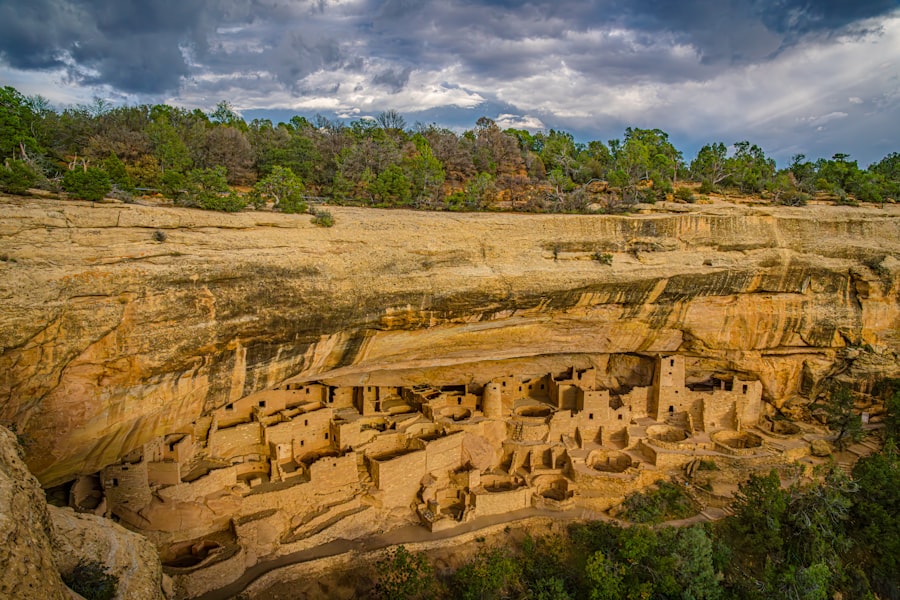
The most iconic and breathtaking aspect of Mesa Verde is undoubtedly its cliff dwellings. These remarkable structures, built within natural alcoves in the sheer sandstone cliffs, represent a significant shift in Ancestral Puebloan architecture and settlement patterns. The reasons for this dramatic move are still debated among archaeologists, with theories ranging from defense against encroaching groups to a need for better access to water and protection from the elements. Regardless of the precise motivations, the engineering and construction of these dwellings are nothing short of astounding. They are a testament to the Ancestral Puebloans’ ingenuity, their intimate knowledge of the rock formations, and their ability to work in seemingly impossible locations.
Engineering Ingenuity in a Challenging Landscape
Building in the cliffs required a sophisticated understanding of engineering and resource management. The Ancestral Puebloans quarried sandstone blocks directly from the cliff face, often shaping them with stone tools. They then transported these heavy blocks, along with other building materials like mud mortar and timber, to construct multi-story dwellings that harmonized with the natural contours of the rock. The construction often involved building retaining walls and terraces to create stable foundations. The placement of doors and windows was carefully considered, maximizing natural light and ventilation while also providing defensive advantages. The construction of ladder shafts and narrow passageways further hints at a society that prioritized both community and security.
Daily Life Within the Cliff Dwellings: A Glimpse into the Past
Stepping into a cliff dwelling is like entering a time capsule. The walls whisper stories of lives lived centuries ago. Imagine the smells of woodsmoke from hearths, the sounds of children playing, and the gentle murmur of conversations. Archeological evidence paints a vivid picture of their daily routines, their social interactions, and their deep connection to their surroundings.
Domestic Life and Community Bonds
The individual dwellings within the cliff structures, while appearing cramped to modern eyes, were likely bustling with activity. Families lived and worked in these spaces, meticulously weaving textiles, grinding corn, and preparing meals. The presence of numerous storage rooms, often carved directly into the rock, speaks to a society that was adept at planning and resource conservation. Meals were likely communal, with families gathering around shared hearths. The open plazas and common areas within larger cliff dwellings suggest a strong sense of community and shared responsibility. The social fabric of these cliff-dwelling communities was likely woven with threads of cooperation, mutual support, and shared traditions.
Food production and Subsistence Strategies
The Ancestral Puebloans were skilled farmers, cultivating crops like corn, beans, and squash in terraces and small plots on the mesa tops and within the canyon bottoms. Their agricultural techniques were finely tuned to the arid environment, utilizing every drop of precious rainfall. They also practiced hunting and gathering, supplementing their diet with wild plants and animals. Pottery played a crucial role in their subsistence, used for cooking, storage, and water transport. The intricate designs on their pottery not only reveal artistic sensibilities but also offer clues about their trade networks and cultural influences.
Rituals and Spirituality: The Unseen Architecture
Beyond the tangible structures, Mesa Verde holds evidence of a rich spiritual and ritualistic life. While much of this remains inferred from archaeological remains, the presence of kivas and symbolic artifacts offers glimpses into their belief systems and ceremonial practices. These elements add a deeper dimension to our understanding of the Ancestral Puebloans, revealing a worldview deeply intertwined with the natural world and a reverence for the unseen forces that governed their lives.
The Significance of Kivas
The kivas are perhaps the most enigmatic and spiritually significant structures within Mesa Verde. These circular, subterranean ceremonial rooms, often with a fire pit and a ventilator shaft, were central to the social and religious life of the Ancestral Puebloans. Their design and construction suggest a deliberate separation from the everyday world, creating a sacred space for rituals, ceremonies, and communal gatherings. The murals that once adorned the kiva walls, though now faded or missing, provided visual narratives of their myths, beliefs, and cosmology. Descending into a kiva, even today, evokes a sense of reverence and mystery, a palpable connection to the ancient rituals performed within these hallowed spaces.
Decoding the Symbolism of Kiva Art
The deciphering of kiva murals, where possible, offers profound insights into Ancestral Puebloan cosmology. These paintings often depict ancestral figures, deities, animals, and geometric patterns, each carrying layers of symbolic meaning. They likely served as visual aids for oral traditions, teaching younger generations about their history, values, and relationship with the divine. The imagery also reflects their intimate connection to the environment, with representations of animals important for survival and plants that played a role in their diet and medicine. The decipherment of these artistic narratives is a continuous process, with new interpretations emerging as our understanding of Ancestral Puebloan culture deepens.
The Role of Artifacts in Ritual
Beyond the architecture itself, numerous artifacts found within kivas and dwelling sites offer further clues to their spiritual practices. Figurines, beads, and ceremonial objects, often crafted from bone, shell, and stone, likely played a role in various rituals and offerings. The presence of specific types of artifacts in certain contexts suggests specialized uses, whether for healing, divination, or other ceremonies. The careful placement and preservation of these objects within the archaeological record indicate their importance to the Ancestral Puebloans and their enduring spiritual beliefs.
Mesa Verde archaeology offers fascinating insights into the lives of the Ancestral Puebloans, particularly their architectural innovations and agricultural practices. For those interested in exploring how ancient civilizations navigated their environments, a related article discusses the intriguing methods used by ancient cultures, shedding light on their remarkable navigation skills. You can read more about this topic in the article on unraveling the ancient navigation mystery.
The Mystery of the Departure: Unanswered Questions
One of the most compelling aspects of Mesa Verde is the unanswered question of why the Ancestral Puebloans left. Around the turn of the 14th century, this thriving civilization vanished from the region, leaving behind their magnificent settlements. While the precise reasons remain a subject of ongoing research and debate, several theories have been proposed, each supported by varying degrees of archaeological evidence.
Environmental Factors and Resource Depletion
One prominent theory suggests that environmental factors played a significant role in their departure. Prolonged periods of drought, coupled with increasing population density, may have led to the depletion of resources, making it unsustainable to sustain their way of life. Evidence of soil erosion and changes in vegetation patterns support the idea that the environment was becoming increasingly challenging. The intensive agriculture practiced by the Ancestral Puebloans, while successful for centuries, may have eventually taken a toll on the land, leading to decreased yields and food scarcity.
The Impact of Climate Change
The impact of climate change, even in ancient times, cannot be understated. Archaeological data suggests a shift towards more arid conditions and prolonged droughts that would have severely impacted their agricultural practices. The reliance on rainfall for their crops would have made them highly vulnerable to such climatic shifts. The abandonment of settlements may have been a gradual process, with communities migrating to find more favorable conditions and reliable water sources.
Social and Political Dynamics
Another set of theories focuses on social and political dynamics within the Ancestral Puebloan communities and their interactions with other groups. The possibility of increased conflict, both internal and external, could have contributed to their migration. Evidence of defensive structures and the abandonment of some settlements in favor of more defensible locations hints at potential tensions. The complex social organization suggests that social pressures or the breakdown of leadership might have also played a role.
Intergroup Relations and Migration Patterns
The Ancestral Puebloans did not exist in isolation. They engaged in trade and interaction with other contemporaneous cultures across the Southwest. Shifts in these intergroup relations, whether through trade disruptions or actual conflict, could have influenced their decision to migrate. It is also possible that they joined existing communities or formed new ones in other regions, contributing to the further development of Pueblo cultures further south. The unraveling of their departure is intrinsically linked to understanding their broader regional interactions.
Preserving Mesa Verde for Future Generations: The Ongoing Work
Mesa Verde National Park is more than just a collection of ancient ruins; it is a living laboratory and a sacred site. The ongoing work of archaeologists, park rangers, and conservators is crucial to ensuring that these treasures are preserved for future generations to learn from and be inspired by. The delicate balance between public access and preservation is a constant challenge, but one that is managed with great care and dedication.
Archaeological Research and Interpretation
Continuous archaeological research at Mesa Verde is vital for uncovering new insights and refining our understanding of the Ancestral Puebloans. Excavations, surveys, and the analysis of artifacts continue to shed light on various aspects of their lives, from diet and social structure to cosmology and migration patterns. The interpretation of findings is collaborative, involving scholars from various disciplines to provide a comprehensive and nuanced picture of this ancient civilization.
Advances in Technology and Methodology
Modern archaeological techniques, including LIDAR (Light Detection and Ranging) and advanced dating methods, are revolutionizing the way we uncover and understand the past. LIDAR, for instance, can penetrate dense vegetation to reveal hidden structures and landscape modifications, offering a more complete map of human activity. These technological advancements allow for more precise dating of sites and artifacts, helping to establish chronological sequences and understand the evolution of Ancestral Puebloan culture.
Conservation Efforts and Visitor Management
Preserving the delicate structures of Mesa Verde from the ravages of time, weather, and human impact is a paramount concern. Dedicated conservation teams work tirelessly to stabilize walls, repair damage, and protect artifacts from deterioration. Visitor management is equally important, with strict guidelines in place to minimize the impact of tourism on the fragile sites. Educating visitors about the importance of preservation and responsible tourism is a key component of the park’s mission. The goal is to allow people to experience the magic of Mesa Verde without compromising its integrity for future visitors.
The story of Mesa Verde is still being written, with each new discovery adding another chapter to the remarkable narrative of the Ancestral Puebloans. To uncover these archaeological treasures is to embark on a profound journey of discovery, a journey that connects us to the enduring spirit of humanity and the profound wisdom found in the silent language of stone. As visitors walk among these ancient dwellings, they are not merely observers but participants in a timeless dialogue, a respectful encounter with a civilization that, though long gone, continues to speak through the enduring strength and beauty of its creations.

How Trees Became History’s Calendar
FAQs
What is Mesa Verde Archaeology?
Mesa Verde Archaeology refers to the study of the ancient Puebloan culture and civilization that inhabited the Mesa Verde region in Colorado, USA. This area is known for its well-preserved cliff dwellings and artifacts, providing valuable insights into the lives of the ancient inhabitants.
What can be learned from Mesa Verde Archaeology?
Mesa Verde Archaeology provides valuable information about the daily lives, social structures, and cultural practices of the ancient Puebloan people. It also offers insights into their architectural techniques, agricultural practices, and artistic expressions.
What are some notable archaeological sites in Mesa Verde?
Some notable archaeological sites in Mesa Verde include the Cliff Palace, Balcony House, and Spruce Tree House. These sites feature well-preserved cliff dwellings, kivas (ceremonial chambers), and a variety of artifacts that offer a glimpse into the ancient Puebloan civilization.
How old are the archaeological sites in Mesa Verde?
The archaeological sites in Mesa Verde date back to the period between 600 and 1300 AD, when the ancestral Puebloans inhabited the region. The cliff dwellings and artifacts found in Mesa Verde provide evidence of the cultural and architectural developments during this time.
Why is Mesa Verde Archaeology important?
Mesa Verde Archaeology is important because it helps us understand the history and cultural heritage of the ancient Puebloan people. It also contributes to our knowledge of pre-Columbian civilizations in North America and provides insights into the human experience and adaptation to different environments.