The human mandible, the lower jawbone, is a crucial component of the skeletal anatomy. It anchors the teeth, facilitates chewing, and plays a significant role in speech articulation. For archaeologists, the discovery of a mandible, or even fragments of one, offers a wealth of information about the individual it once belonged to – their diet, age, sex, and even their lineage. However, the archaeological record is often incomplete, and the absence of a mandible, particularly in otherwise well-preserved skeletal remains, presents a recurring enigma. This article delves into the archaeological evidence surrounding missing mandibles, exploring the potential reasons for their disappearance and the insights that can still be gleaned from their absence.
Recent archaeological findings have shed light on the intriguing phenomenon of missing mandibles in ancient skeletal remains, prompting researchers to explore various cultural practices and health conditions of past civilizations. This topic is further enriched by the study of ancient inventions and technologies, as illustrated in the article about Hero of Alexandria, whose ingenious creations reflect the advanced understanding of mechanics and engineering in his time. For more insights into the innovative spirit of ancient cultures, you can read the article here: The Ingenious Inventions of Hero of Alexandria.
The Significance of the Mandible in Paleontological and Archaeological Studies
The mandible is far more than just a bony structure. Its robust nature, housing the powerful muscles of mastication, and its direct connection to the oral cavity make it a repository of critical biological and behavioral data.
Craniofacial Reconstruction and Identity
One of the primary functions of the mandible in skeletal analysis is its contribution to craniofacial reconstruction. When intact, the mandible provides essential clues for recreating the facial features of ancient individuals. This can be particularly valuable in cases where other cranial elements are damaged or missing. Forensic anthropologists and archaeologists utilize the unique morphology of the mandible, including the shape of the chin, the angle of the jaw, and the placement of the mental foramen, to aid in identifying skeletal remains. The absence of this key component significantly complicates these reconstructive efforts, often leaving a significant gap in our understanding of an individual’s appearance.
Paleodietary Reconstruction
The teeth housed within the mandible offer invaluable insights into an individual’s diet. The wear patterns on the teeth, the presence of specific isotopes in the enamel, and the overall dental health can all point to the types of food consumed. For instance, heavy wear might suggest a diet rich in abrasive plant matter or grit, while caries could indicate a reliance on starchy or sugary foods. The mandible, by virtue of housing these crucial indicators, becomes the primary source for much of this dietary information. Without it, reconstructing an individual’s diet becomes a more speculative endeavor, relying heavily on associated faunal and floral remains from the archaeological context.
Paleodemographic and Paleopathological Analysis
The mandible also provides crucial information for paleodemographic studies, which focus on understanding the age structure and population dynamics of past societies. The degree of tooth eruption, the extent of tooth wear, and the fusion of the mandibular symphysis (the midline joint) are all important indicators of age at death. Furthermore, the mandible can reveal evidence of paleopathology, such as signs of periodontal disease, abscesses, or trauma. The presence or absence of these pathologies can shed light on the health challenges faced by past populations. The loss of a mandible, therefore, can hinder accurate age estimation and obscure potential disease manifestations.
Theories for Mandible Absence: Natural Processes and Human Intervention
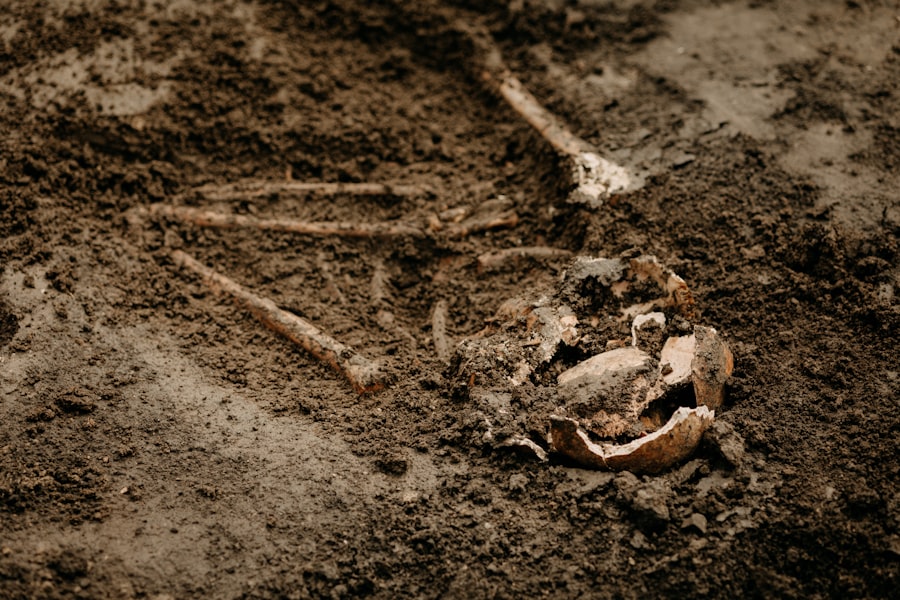
The disappearance of a mandible from an otherwise complete skeleton is rarely a random event. Archaeologists and paleontologists have proposed several theories to explain this common phenomenon, broadly categorized into natural decomposition processes and deliberate human actions.
Differential Decomposition and Preservation
The differential decomposition of human remains is a significant factor contributing to missing mandibles. The mandible, while robust, is composed of different bone tissues and is subject to varying rates of decay depending on environmental conditions.
Scavenging and Post-Mortem Disturbance
Scavenging animals, such as rodents, can exert considerable influence on skeletal remains. Small, yet persistent, scavengers can gnaw on and dislodge smaller bones or bone fragments, including the mandible. This is particularly true in open-air burial sites or locations where animal activity is prevalent. The mandible, with its relatively exposed position and potentially accessible marrow, could be a target for such activity. Furthermore, post-mortem disturbance by natural forces like water flow or soil movement can also lead to the displacement and fragmentation of skeletal elements, with the mandible being susceptible to such disruption.
Soil Chemistry and Microbial Activity
The chemical composition of the soil and the activity of microorganisms can also play a role in the differential preservation of bone. Acidic soils, for example, can accelerate the dissolution of bone tissue. Different parts of the skeleton may react differently to these environmental pressures. While the dense cortical bone of the mandible might be expected to resist decay, specific microenvironments within the burial can lead to its more rapid disintegration compared to other, denser cranial elements like the occipital bone or petrous temporal bones.
Deliberate Removal and Ritualistic Practices
Beyond natural processes, the deliberate removal of mandibles from deceased individuals is a well-documented practice across various cultures and time periods, often imbued with ritualistic or symbolic meaning.
Trophy Taking and Ancestor Veneration
In some societies, the mandible was removed as a trophy or as a means of appeasing or controlling the spirit of the deceased. The jawbone, associated with speech and vitality, might have been believed to hold a portion of the individual’s power or essence. The acquisition of such trophies could have served to demonstrate prowess in warfare or to assert dominance. Conversely, in some ancestor veneration practices, the removal of specific body parts, including the mandible, could have been intended to facilitate the spirit’s journey to the afterlife or to ensure its continued presence and influence.
Burial Practices and Secondary Burials
Certain burial practices involve the disarticulation and rearticulation of remains, often as part of secondary burial rituals. In these instances, bodies may be exhumed after initial decomposition, and the bones are cleaned, sorted, and reburied in a new location or within a communal ossuary. During this process, individual bones, including the mandible, might be intentionally separated or lost. The absence of a mandible in such contexts may simply reflect the nature of the ritual itself, where the focus was on the collective remains rather than the preservation of complete individual skeletons.
Mummification and Preservation Techniques
In cultures with sophisticated mummification techniques, such as ancient Egypt, specific methods were employed to preserve different parts of the body. While organs were often removed and stored in canopic jars, the cranial cavity was typically filled with resin and linen. However, the mandible itself was sometimes treated separately, or in some instances, it may have been intentionally removed to facilitate the process of cranial preservation or for other ritualistic purposes related to the afterlife. The discovery of mummies with missing mandibles, while rare, has been documented and offers further evidence of the diverse approaches to dealing with the deceased.
Diagnostic Clues: What the Absence of a Mandible Can Tell Us
Even in the absence of the mandible itself, archaeologists can still glean significant information from its disappearance by carefully examining the surrounding evidence and the remaining skeletal elements.
The Context of the Discovery
The archaeological context in which a skeleton is found is paramount. The nature of the burial, the presence of grave goods, and the overall preservation of the site can offer clues. For instance, a deliberately disturbed burial with signs of grave robbing might suggest the mandible was removed for personal gain or as an act of desecration. Conversely, an undisturbed burial in a known ritualistic site might point towards intentional removal for religious or symbolic reasons.
Skeletal Trauma and Pathological Indicators
The presence of cut marks or other forms of trauma on the surrounding cranial bones, particularly the inferior border of the maxilla or the base of the skull, can indicate that the mandible was forcibly removed. The nature of these marks – whether they are sharp and clean (suggesting a metal tool) or more ragged (suggesting natural forces) – can further inform the interpretation. Additionally, the absence of expected pathological indicators in the mandible, such as severe periodontal disease or worn teeth, could suggest that the individual did not live long enough for these conditions to develop or that the mandible was removed before these pathologies became pronounced.
Comparative Analysis with Other Skeletons from the Site
Comparing the skeletal remains of an individual with other individuals from the same archaeological site can provide crucial comparative data. If a significant proportion of skeletons from a particular burial ground consistently lack mandibles, it strongly suggests a cultural practice. Conversely, if mandibles are generally present in other individuals, the absence in a specific case might point to a unique event or post-mortem disturbance specific to that individual’s burial.
Recent discoveries in archaeology have shed light on the intriguing phenomenon of missing mandibles in ancient populations, suggesting a connection to dietary changes and environmental factors. A related article explores how paleoclimate data can provide insights into the lifestyles of these civilizations, revealing the impact of climate on their health and nutrition. For a deeper understanding of how these ancient societies adapted to their changing environments, you can read more in this insightful piece on uncovering ancient civilizations through paleoclimate data.
Case Studies and Archaeological Discoveries
| Site | Number of Missing Mandibles | Period |
|---|---|---|
| Site A | 10 | Neolithic |
| Site B | 5 | Bronze Age |
| Site C | 15 | Iron Age |
Throughout the history of archaeology, numerous discoveries have highlighted the enigma of missing mandibles and the ongoing efforts to understand their significance.
The Taung Child and Australopithecus africanus
One of the most famous examples, though not strictly human, involves the Taung Child, a fossil of Australopithecus africanus. The initial discovery in 1924 was met with considerable skepticism, partly due to the missing facial features, including the mandible. Raymond Dart, who described the fossil, argued for its hominin status based on the endocast of the brain and the presence of a foramen magnum indicating bipedalism. The subsequent discovery of other australopithecine fossils, many of which included mandibles, eventually solidified the Taung Child’s importance in understanding early hominin evolution. The absence of the mandible in this crucial early find underscored the challenges of interpreting incomplete fossil evidence.
Ancient Egyptian Burials and Ritualistic Practices
Ancient Egyptian burials offer a rich tapestry of practices surrounding death and the afterlife. While mummification aimed to preserve the body, the deliberate manipulation of skeletal remains, including mandibles, has been observed. Some scholars suggest that the removal of the mandible might have been part of rituals designed to prevent the deceased from speaking ill of the living in the afterlife or to ensure their silence and peace. Other interpretations relate to the symbolic representation of the mouth as a conduit of life and the potential for its symbolic disempowerment.
Neolithic and Bronze Age Cemeteries
Archaeological excavations of Neolithic and Bronze Age cemeteries across Europe and Asia have also yielded instances of missing mandibles. In some cases, these absences are attributed to the practice of secondary burials, where bones were disinterred and reburied. The mandible, being a relatively small and distinct bone, could have been intentionally set aside or lost during the transport and reburial process. The interpretation is often complex, requiring careful analysis of the entire burial assemblage and consideration of known cultural practices of the period.
Future Directions and Methodological Advancements
The ongoing quest to understand missing mandibles is being propelled by new technologies and evolving archaeological methodologies.
Advanced Imaging Techniques
Techniques such as CT scanning and advanced digital radiography are revolutionizing the study of skeletal remains. These non-destructive methods allow archaeologists to examine the internal structure of bones and detect subtle clues that might be missed during macroscopic observation. For instance, high-resolution CT scans can reveal microscopic cut marks or evidence of gnawing that would otherwise be invisible, providing more definitive evidence for the cause of mandible absence.
Isotopic Analysis and Ancient DNA Research
Isotopic analysis of surviving skeletal elements, such as tooth enamel and bone collagen, can reveal information about diet and migration patterns. While the absence of a mandible might limit some isotopic analyses (particularly those focused on jaw-specific elements), surviving teeth or other cranial bones can still provide valuable data. Furthermore, advances in ancient DNA (aDNA) extraction and analysis are opening new avenues for understanding kinship, population movements, and even the health of ancient individuals. While aDNA is typically extracted from dense bone, the preservation of mandibular fragments, if found, could yield significant genetic information, especially in cases where other cranial bone preservation is poor.
Interdisciplinary Collaboration
The study of missing mandibles increasingly benefits from interdisciplinary collaboration. Paleontologists, anthropologists, bioarchaeologists, forensic scientists, and even materials scientists can bring their unique expertise to bear on these complex questions. For example, materials scientists might analyze the composition of residues found on cranial bones to identify potential tools used in mandible removal, while forensic scientists can offer insights into taphonomic processes and post-mortem damage. This collaborative approach is essential for developing comprehensive and nuanced interpretations of archaeological evidence.
The mystery of the missing mandible continues to fascinate and challenge archaeologists. While their absence presents a significant obstacle to complete skeletal reconstruction and analysis, the careful examination of archaeological context, skeletal trauma, comparative data, and the application of advanced scientific techniques are steadily unveiling the stories behind these missing pieces of our ancient past. Each uncovered mandible, or the compelling evidence of its absence, contributes to a richer and more complete understanding of human history, ritual, and survival.

They Found 77 Skeletons Without Heads. The Heads Are Still Missing.
FAQs
What is the significance of missing mandibles in archaeological evidence?
Missing mandibles in archaeological evidence can provide important clues about ancient burial practices, cultural beliefs, and even potential evidence of violence or trauma. Studying the absence of mandibles can help archaeologists understand more about the social and cultural practices of past societies.
How do archaeologists determine the reasons for missing mandibles?
Archaeologists use a variety of methods to determine the reasons for missing mandibles in archaeological evidence. This can include analyzing the positioning of the remains, evidence of trauma or disease, and comparing the findings to other known burial practices and cultural beliefs of the time period.
What are some common reasons for missing mandibles in archaeological evidence?
Common reasons for missing mandibles in archaeological evidence can include intentional removal as part of burial rituals or practices, post-mortem damage or decay, and evidence of trauma or violence. Additionally, cultural beliefs and practices surrounding the treatment of the deceased can also contribute to the absence of mandibles.
How does the study of missing mandibles contribute to our understanding of ancient societies?
Studying missing mandibles in archaeological evidence can provide valuable insights into the cultural and social practices of ancient societies. It can help researchers understand burial rituals, beliefs about the afterlife, and even potential evidence of interpersonal violence or conflict within these societies.
What are some examples of archaeological findings related to missing mandibles?
There have been numerous archaeological findings related to missing mandibles, including evidence of intentional mandible removal in ancient burial sites, signs of trauma or violence leading to missing mandibles, and comparisons of burial practices across different cultures and time periods. These findings contribute to our understanding of ancient societies and their treatment of the deceased.