Uncovering Modern Pueblo Genetic Heritage
The ancestral lands of the Pueblo people, a vast and historically significant region spanning parts of present-day Arizona, New Mexico, and Colorado, hold more than just breathtaking landscapes and a rich tapestry of cultural traditions. Beneath the surface, woven into the very fabric of their descendants, lies a profound genetic heritage, a silent testament to millennia of human history, migration, and adaptation. For centuries, the Pueblo peoples – a collective term encompassing diverse but related groups like the Hopi, Zuni, Acoma, Taos, and many others – have maintained a vibrant and enduring cultural identity. Now, advancements in genetic research are beginning to illuminate the intricate biological threads that connect modern Pueblo communities to their ancient ancestors, offering a unique lens through which to understand their origins, movements, and the deep historical forces that shaped them. This exploration into modern Pueblo genetic heritage is not merely an academic pursuit; it is a journey into the very essence of identity, a testament to resilience, and a critical step in understanding the complex narrative of human history in the Americas.
The genetic legacy of the Pueblo people is deeply intertwined with the earliest human migrations into the Americas. Scientific inquiry, particularly through the analysis of ancient DNA, has provided crucial insights into the peopling of the continents. While the precise timing and routes of these initial migrations are subjects of ongoing research and debate, genetic studies consistently point to a shared ancestral source population in Northeast Asia.
Early Migrations and the Bering Land Bridge
The prevailing scientific model suggests that the first inhabitants of the Americas arrived from Siberia, crossing a land bridge known as Beringia that once connected Asia and North America during the Last Glacial Maximum. The genetic signatures found in modern Indigenous populations, including those of the Pueblo, bear the imprint of this ancient journey.
Genetic Markers of Siberian Ancestry
Researchers have identified specific genetic markers, such as certain mitochondrial DNA haplogroups and Y-chromosome variations, that are prevalent in both Siberian populations and Native American groups. These markers act as ancient signposts, pointing towards a common ancestral wellspring. The degree of shared genetic ancestry between modern Pueblo communities and ancestral Siberian populations underscores the magnitude of this foundational migration event.
Divergence and the Formation of Distinct Lineages
As these early migrants spread throughout the Americas, they encountered diverse environments and developed distinct cultural and linguistic patterns. This geographical and cultural divergence also led to genetic differentiation. Over thousands of years, isolated populations, including those who would eventually become the ancestors of the Pueblo, developed unique genetic profiles shaped by local adaptations and genetic drift. The genetic distinctiveness observed within modern Pueblo groups, while still showing overarching shared ancestry, is a reflection of these prolonged periods of relative isolation.
The Clovis First vs. Pre-Clovis Debate
The understanding of the timing of human arrival in the Americas has evolved significantly. For a long time, the “Clovis First” model, which posited that the Clovis culture, dating back to around 13,000 years ago, represented the earliest human presence, was widely accepted. However, archaeological discoveries at sites like Monte Verde in Chile and Meadowcroft Rockshelter in Pennsylvania have provided compelling evidence for pre-Clovis occupations, pushing back the timeline of human settlement.
Impact of Pre-Clovis Evidence on Genetic Models
The genetic data increasingly supports the existence of pre-Clovis populations. By analyzing the genetic diversity and divergence times of various Indigenous American groups, scientists can infer when ancestral lineages likely separated. The genetic evidence for deep roots in the Americas aligns with and reinforces the archaeological findings supporting pre-Clovis settlement, suggesting that the genetic heritage of groups like the Pueblo stretches back to these very earliest waves of migration.
Genetic Continuity and Dispersal Patterns
Genetic studies allow researchers to examine patterns of dispersal and gene flow across the Americas. By comparing the genetic profiles of ancient remains with those of modern populations, they can trace how people moved, settled, and interacted. For the Pueblo, this involves understanding how their ancestors established themselves in the Southwest and how their genetic makeup might have been influenced by interactions with other groups during this long period.
Recent studies on modern Pueblo genetic ancestry have shed light on the complex historical interactions between Indigenous populations and European settlers. These findings underscore the importance of understanding genetic diversity and its implications for cultural heritage. For a broader perspective on the impact of geographical and logistical factors on communities, you might find the article on manufacturing in Mexico insightful. It discusses how location influences economic development, which can parallel the historical movements and adaptations of Indigenous groups. You can read more about it here: Maximizing Efficiency: Logistical Advantages of Manufacturing in Mexico.
The Southwest’s Unique Genetic Landscape
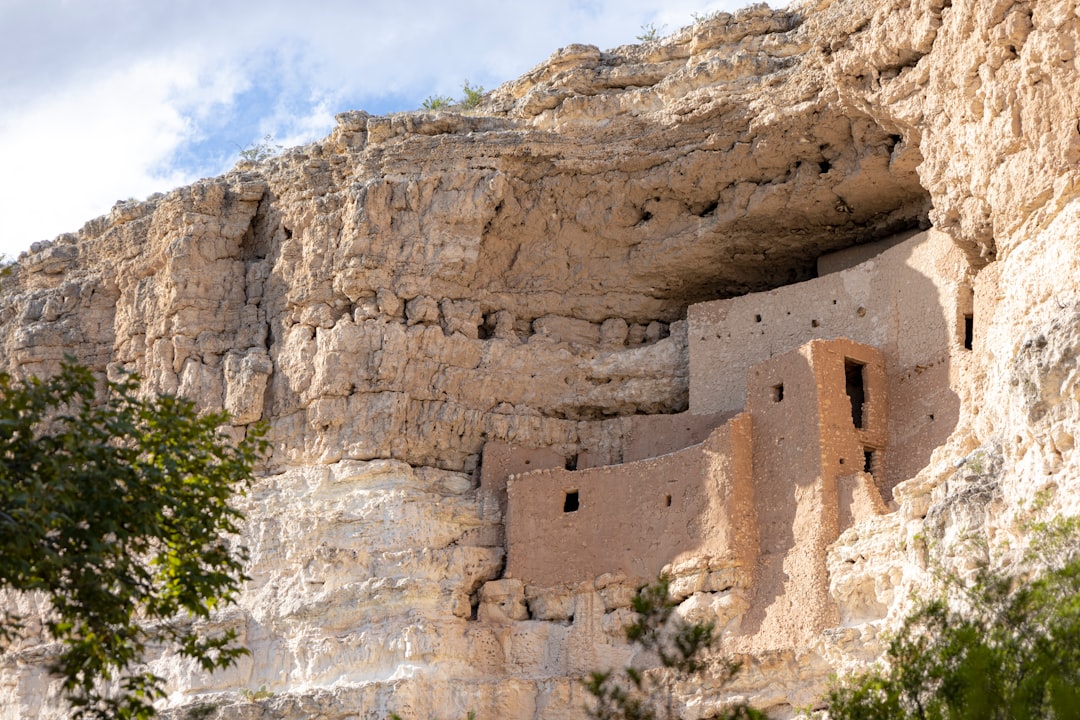
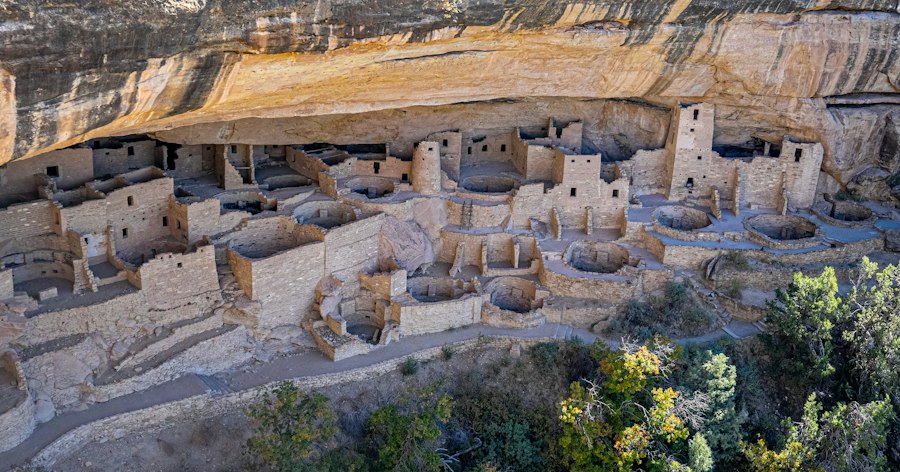
The Ancestral Puebloan culture, known for its impressive architectural achievements like Chaco Canyon and Mesa Verde, flourished in the Southwest for centuries before its eventual decline and dispersal. The genetic makeup of modern Pueblo people is a direct reflection of the complex history and migrations of these ancient peoples.
Ancestral Puebloan Origins and Connections
The term “Ancestral Puebloan” refers to a broad cultural tradition that predates the modern Pueblo groups. Genetic research is crucial in establishing the direct biological lineage between these ancient societies and their present-day descendants.
Identifying Key Genetic Signatures
Through the analysis of ancient Puebloan remains, researchers have identified specific genetic markers that provide a direct link to modern Pueblo communities. These markers are not found in populations outside of the Southwest, underscoring the localized development and continuity of Pueblo genetic heritage.
The Role of Ancient DNA Analysis
The extraction and sequencing of ancient DNA from skeletal remains has revolutionized our understanding of Ancestral Puebloan populations. By comparing these ancient genetic profiles with those of modern Pueblo individuals, scientists can quantify the degree of genetic continuity and identify ancestral populations. This analysis allows for a more precise mapping of genetic relationships and a deeper appreciation of the biological threads connecting past and present.
Evidence of Population Movements and Interconnections
The Southwest was not a static region; it was a dynamic landscape shaped by migration, trade, and cultural exchange. Genetic evidence can illuminate these movements and interconnections, revealing a more nuanced picture of ancestral Puebloan life.
Inter-Group Gene Flow
Genetic studies have revealed evidence of gene flow between different Ancestral Puebloan communities and also with surrounding groups. This suggests that while these communities maintained distinct identities, they were not entirely isolated and engaged in social and reproductive exchanges.
Influence of Migratory Groups
The genetic data also offers insights into the influence of migratory groups on the Ancestral Puebloan gene pool. Understanding which populations contributed genetically to the Ancestral Puebloans helps to paint a richer picture of the region’s demographic history and the complex interactions that occurred.
Modern Pueblo Communities: A Tapestry of Resilience
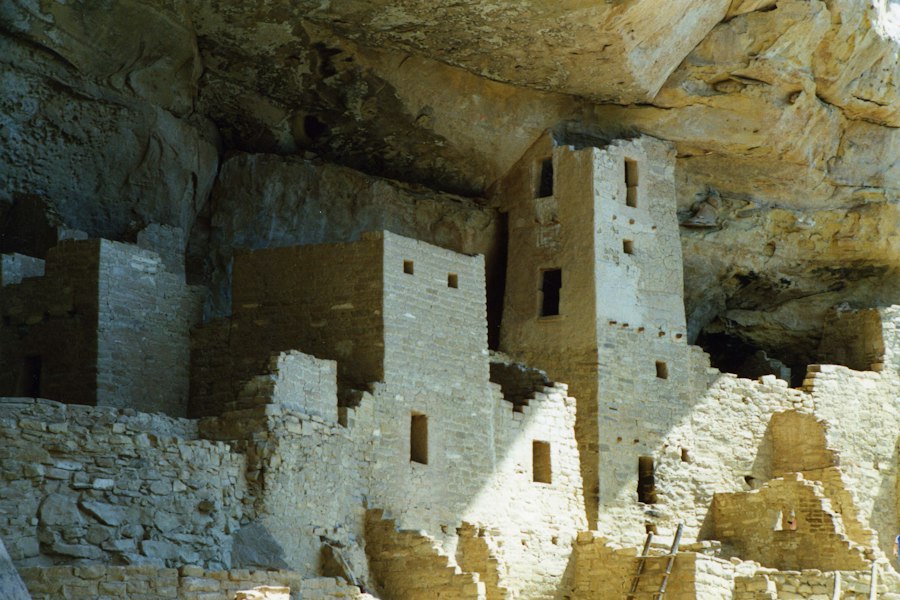
Modern Pueblo communities, with their distinct languages, traditions, and governance structures, represent the enduring legacy of their ancestors. Genetic research, conducted in collaboration with and with the consent of these communities, is helping to unravel the intricate biological narrative of their survival and adaptation.
Genetic Diversity Within Modern Pueblo Groups
While united by a shared historical trajectory, each modern Pueblo nation possesses its own unique genetic characteristics. This diversity is a testament to centuries of relative isolation and independent development.
Mitochondrial DNA and Y-Chromosome Studies
Studies focusing on mitochondrial DNA (mtDNA), which is inherited from the mother, and Y-chromosome DNA, inherited from the father, have been instrumental in identifying distinct genetic lineages within and among Pueblo groups. These studies highlight the specific ancestral contributions to each community.
Autosomal DNA and Population Structure
Analysis of autosomal DNA, which comprises the majority of an individual’s genome, provides a more comprehensive picture of genetic ancestry. These studies help to map the overall population structure of Pueblo peoples and understand the degree of genetic admixture with other populations.
The Interplay of Culture and Genetics
It is crucial to recognize that genetics does not operate in a vacuum. Culture plays a significant role in shaping social structures, marriage patterns, and ultimately, the flow of genes within a population.
Social Structures and Marriage Patterns
Traditional social structures and marriage regulations within Pueblo societies have historically influenced patterns of gene flow. Understanding these cultural practices provides context for interpreting genetic data.
Endogamy and Exogamy Practices
The practices of endogamy (marriage within a group) and exogamy (marriage outside of a group) have had profound impacts on the genetic makeup of Pueblo communities. Studying these practices in conjunction with genetic data allows for a more holistic understanding of their heritage.
Ethical Considerations and Community Collaboration
The study of human genetics, particularly concerning Indigenous populations, carries significant ethical responsibilities. Modern genetic research on Pueblo heritage must be conducted with the utmost respect for the communities involved, prioritizing their autonomy, self-determination, and the protection of their ancestral knowledge.
The Importance of Indigenous Consent and Ownership
Informed consent is paramount. Pueblo communities must have the right to decide whether their genetic material and ancestral heritage are studied, how the research is conducted, and how the findings are shared and utilized. Ownership of genetic data and findings should reside with the communities.
Protocols for Genetic Research
Clear and robust protocols for genetic research with Indigenous populations have been developed, emphasizing community engagement, benefit sharing, and the prevention of exploitation. These protocols ensure that research is conducted ethically and responsibly.
Data Sovereignty and Intellectual Property
The concept of data sovereignty is crucial, asserting the right of Indigenous communities to control the collection, ownership, and use of data pertaining to their people, including genetic information. This ensures that their heritage is not commodified or misused.
Collaborative Research Models
The most effective and ethical approach involves genuine collaboration between genetic researchers and Pueblo communities. This partnership fosters mutual understanding, builds trust, and ensures that research aligns with the communities’ goals and values.
Community-Based Participatory Research
Community-based participatory research (CBPR) models empower Indigenous communities to be active partners in all stages of the research process, from defining research questions to interpreting and disseminating findings.
Capacity Building and Knowledge Sharing
Collaborative efforts should also focus on building genetic research capacity within Pueblo communities, enabling them to conduct their own studies and ensure that knowledge is shared in a culturally appropriate and beneficial manner.
Recent studies on modern Pueblo genetic ancestry have shed light on the rich historical tapestry of Native American populations. These findings not only enhance our understanding of the genetic diversity within Pueblo communities but also connect them to ancient maritime cultures. For an intriguing exploration of ancient navigation and its implications for understanding human migration, you can read more in this article about ancient mariners and their maps at ancient mariners. This connection underscores the importance of interdisciplinary research in uncovering the complexities of human history.
Future Directions and Implications
| Metric | Value | Description |
|---|---|---|
| Percentage of Ancestry from Ancient Puebloans | 70-85% | Estimated proportion of genetic ancestry in modern Pueblo populations derived from ancient Puebloan ancestors based on mitochondrial DNA and autosomal studies. |
| Haplogroup Frequency (mtDNA Haplogroup A2) | 40% | Frequency of mitochondrial DNA haplogroup A2, common among Native American populations including Pueblo peoples. |
| Haplogroup Frequency (Y-DNA Haplogroup Q) | 65% | Prevalence of Y-chromosome haplogroup Q, typical among Native American male lineages in Pueblo communities. |
| Admixture with European Ancestry | 5-10% | Estimated percentage of European genetic admixture in modern Pueblo populations due to post-contact gene flow. |
| Admixture with Other Native American Groups | 10-20% | Genetic contributions from neighboring Native American groups such as Navajo and Apache. |
| Genetic Diversity Index | Moderate | Reflects moderate genetic diversity within Pueblo populations, consistent with long-term regional habitation and some gene flow. |
The ongoing exploration of modern Pueblo genetic heritage holds immense potential for deepening our understanding of human history, adaptation, and the complex interplay of culture and biology. As genetic technologies continue to advance, new avenues of research will emerge, offering even richer insights.
Advanced Genetic Technologies and Their Applications
Next-generation sequencing technologies are enabling researchers to analyze whole genomes with unprecedented detail, revealing more about population history, selective pressures, and the genetic basis of adaptations.
Whole Genome Sequencing and Paleogenomics
The application of whole genome sequencing to both ancient and modern Pueblo DNA samples allows for a highly detailed reconstruction of their evolutionary history, tracing migrations, admixture events, and the influence of environmental factors on their genetic makeup.
Functional Genomics and Adaptation Studies
Functional genomics can help researchers understand how specific genes have been shaped by natural selection in the Southwest environment, potentially shedding light on adaptations related to diet, climate, and disease resistance.
The Broader Significance of Pueblo Genetic Heritage
Understanding Pueblo genetic heritage is not just about cataloging DNA; it is about enriching our collective understanding of human diversity and the remarkable journey of our species.
Contributions to Understanding Human Migration
The genetic story of the Pueblo people contributes significantly to the broader narrative of human migration and settlement across the Americas, providing crucial data points for understanding the peopling of continents.
Informing Indigenous Identity and Cultural Preservation
For Pueblo communities, genetic research, when conducted ethically and collaboratively, can serve as a powerful tool for affirming identity, understanding ancestral connections, and contributing to the ongoing preservation and revitalization of their rich cultural heritage. It offers a tangible biological link to their past, reinforcing their enduring presence and their deep connection to their ancestral lands. This intricate genetic tapestry, woven over millennia, is a testament to their resilience, their adaptability, and their profound historical significance.
Ancient DNA Found a Living Link to Chaco Canyon
FAQs
What is modern Pueblo genetic ancestry?
Modern Pueblo genetic ancestry refers to the genetic makeup of present-day Pueblo Native American populations, which have a unique genetic heritage that can be traced back to their ancestral populations in the American Southwest.
What are some key findings about modern Pueblo genetic ancestry?
Studies have shown that modern Pueblo populations have a strong genetic continuity with their ancient ancestors, dating back thousands of years. They exhibit a mix of ancestry from ancient Ancestral Puebloans, Athabaskans, and other indigenous groups.
How has modern genetic research contributed to our understanding of Pueblo ancestry?
Modern genetic research has provided valuable insights into the migration patterns, population dynamics, and genetic diversity of Pueblo populations. It has helped to confirm oral histories and archaeological evidence, shedding light on the complex history of the Pueblo people.
What are some implications of modern Pueblo genetic ancestry research?
Understanding modern Pueblo genetic ancestry can help inform discussions about cultural identity, land rights, and tribal sovereignty. It can also provide important information for medical research, such as identifying genetic risk factors for certain diseases.
How can modern Pueblo genetic ancestry research benefit indigenous communities?
By studying modern Pueblo genetic ancestry, researchers can help preserve and celebrate the unique heritage of Pueblo populations. This research can also empower indigenous communities to reclaim their history, strengthen cultural connections, and advocate for their rights based on scientific evidence.