Uncovering Mysterious Archaeological Finds in North America
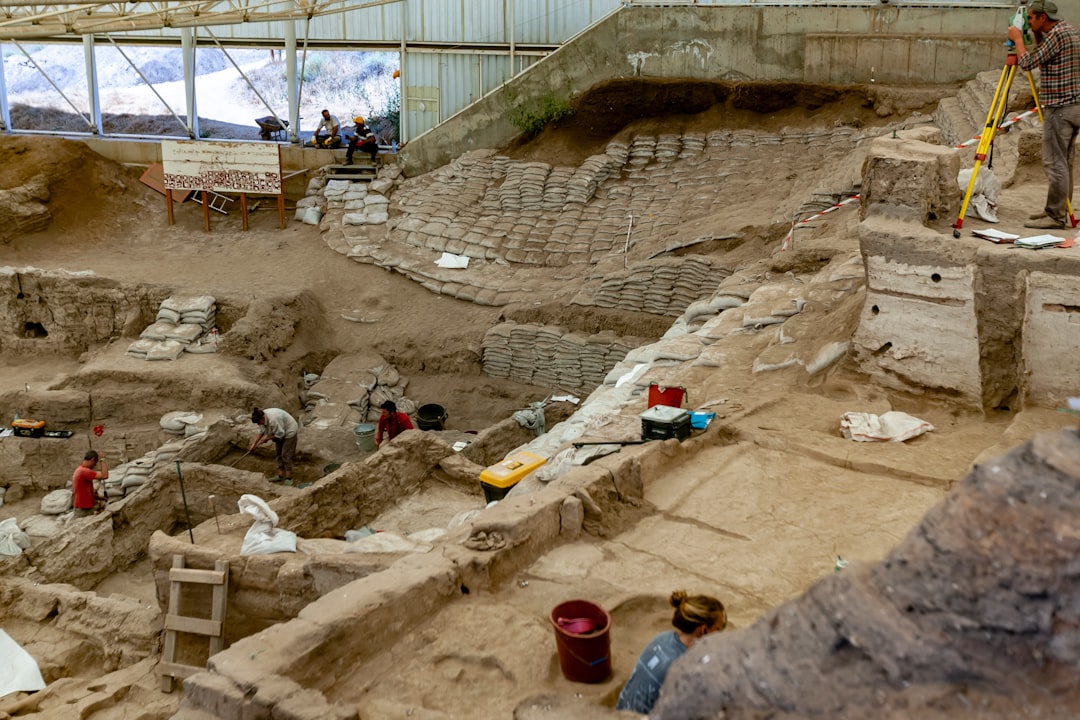
North America, a continent steeped in millennia of human history, continues to yield archaeological treasures that challenge established narratives and ignite the imagination. From the enigmatic remnants of ancient civilizations to the perplexing artifacts that defy easy explanation, these discoveries offer tantalizing glimpses into the lives, beliefs, and ingenuity of those who walked the land long before recorded history. The ongoing exploration of these sites is not merely an academic pursuit; it is a vital endeavor that reshapes our understanding of the past, revealing a continent far more complex and interconnected than previously assumed. Each excavation, each unearthed shard, represents a fragment of a grander, often mysterious, story waiting to be pieced together.
The sheer scale and sophistication of some pre-Columbian sites across North America have long been a source of wonder and debate. While the Maya, Aztec, and Inca civilizations are well-documented in Mesoamerica and South America, the continent north of Mexico harbors its own set of equally impressive, yet often more mysterious, societies. These cultures, lacking written records in the European sense, have left behind monumental architecture, intricate artwork, and complex social structures that speak volumes about their advanced understanding of engineering, astronomy, and organization.
The Mounds Builders: A Continent-Spanning Phenomenon
Perhaps the most pervasive and enigmatic of these pre-Columbian civilizations are the so-called “Mound Builders.” Their legacy is etched across the landscape of eastern and central North America in the form of thousands of earthworks, ranging from simple conical mounds to colossal effigies of animals and intricate geometric designs. The Adena and Hopewell cultures, prominent between roughly 1000 BCE and 500 CE, are particularly renowned for their elaborate mound complexes. These were not simply burial sites; they served as ceremonial centers, astronomical observatories, and possibly even defensive fortifications. The sheer amount of labor and planning required to construct these mounds, some reaching hundreds of feet in circumference and several stories in height, is staggering.
Cahokia: A Metropolis Lost to Time
The pinnacle of this mound-building tradition is undoubtedly Cahokia, located near modern-day St. Louis, Missouri. At its zenith, around 1050-1200 CE, Cahokia was a sprawling urban center with a population estimated to be between 10,000 and 20,000 people, making it larger than many contemporary European cities. The centerpiece of Cahokia was Monks Mound, an immense platform mound covering over 14 acres and rising nearly 100 feet high. The purpose of this and other mounds, along with the vast network of plazas, residential areas, and surrounding villages, points to a highly organized society with a complex social hierarchy. The reasons for Cahokia’s eventual decline and abandonment remain a subject of ongoing research, with theories ranging from environmental degradation and resource depletion to social unrest and disease.
The Serpent Mound and Other Effigy Earthworks
Beyond the monumental platform mounds, the effigy mounds, particularly those found in Wisconsin and surrounding areas, represent a unique artistic and cultural expression. The Great Serpent Mound in Ohio, a sinuous earthwork stretching over 1,300 feet, is a prime example. Its alignment with celestial events, particularly the summer solstice sunrise, suggests a profound connection between the earthworks and astronomical observation. The symbolism of these animal effigies – serpents, birds, bears, and deer – is still debated, but they likely held significant spiritual or cosmological meaning for the people who created them.
The Enigma of Ancient Agriculture and Technology
While the architectural achievements of the Mound Builders are impressive, the agricultural practices and technological innovations of other pre-Columbian groups also raise intriguing questions. Evidence suggests sophisticated knowledge of horticulture, crop rotation, and even irrigation systems in various regions.
The “Three Sisters” and Indigenous Farming
The development and widespread cultivation of the “Three Sisters” – corn, beans, and squash – represents a remarkable achievement in sustainable agriculture. This symbiotic relationship allowed for efficient land use and provided a balanced diet. The domestication and cultivation of crops like maize, independently in different regions of the Americas, speaks to a deep understanding of plant genetics and ecological principles.
Advanced Stone Tools and Metallurgy
While metal tools were not as widespread as in some Old World cultures, evidence of sophisticated stone tool technology is abundant. The ability to quarry, shape, and polish hard stones like obsidian and jade for tools, weapons, and ceremonial objects demonstrates remarkable skill and patience. In some regions, particularly in the Andes, the development of metallurgy, including the working of copper, gold, and silver, reached impressive levels. While this was more concentrated in South America, its influence and the movement of goods suggest a degree of interconnectedness across the continents.
Recent archaeological discoveries in North America have unveiled fascinating insights into ancient civilizations and their survival techniques. One particularly intriguing article discusses how these early societies adapted to changing climates and resource scarcity, shedding light on their innovative methods for thriving in harsh environments. For more information on this topic, you can read the article here: Surviving Drought: Ancient Civilization Techniques.
Cryptic Artifacts and Unexplained Structures
Beyond the grand architectural statements, North America is dotted with a surprising number of smaller, yet equally perplexing, archaeological finds. These artifacts and structures often defy easy categorization, hinting at unknown cultural practices, belief systems, or even external influences that are not readily explained by conventional historical models.
The Bat Creek Stone: A Controversial Inscription
One such artifact is the Bat Creek Stone, discovered in Tennessee in 1889. This small stone tablet bears inscriptions that, to some scholars, appear to be ancient Hebrew letters. If genuine, this would suggest contact between ancient Israelites and indigenous North Americans, a claim that is highly contested by mainstream archaeology. The context of the discovery, within a burial mound containing Hopewell artifacts, adds to the mystery. Critics argue that the inscriptions could be coincidental resemblance or even a modern forgery.
The Davenport

These Footprints Could Rewrite the Story of the First Americans
FAQs
What are some of the most mysterious archaeological discoveries in North America?
Some of the most mysterious archaeological discoveries in North America include the Anasazi cliff dwellings in Colorado, the Cahokia Mounds in Illinois, the underwater Bimini Road in the Bahamas, the Newark Earthworks in Ohio, and the Kennewick Man in Washington.
What is the significance of the Anasazi cliff dwellings in Colorado?
The Anasazi cliff dwellings in Colorado are significant because they provide insight into the advanced architectural and engineering skills of the Ancestral Puebloans. The dwellings also raise questions about why the Anasazi suddenly abandoned their homes in the 13th century.
What are the Cahokia Mounds in Illinois and why are they mysterious?
The Cahokia Mounds in Illinois are a complex of earthen mounds built by the Mississippian culture around 1000-1300 AD. The purpose of the mounds and the decline of the civilization are still a mystery to archaeologists.
What is the Bimini Road in the Bahamas and why is it considered mysterious?
The Bimini Road is an underwater rock formation off the coast of Bimini in the Bahamas. Some believe it to be a man-made structure, possibly part of the lost city of Atlantis, while others argue that it is a natural formation.
What is the significance of the Newark Earthworks in Ohio?
The Newark Earthworks in Ohio are a complex of geometric earthworks built by the Hopewell culture around 100 BC to 500 AD. The purpose of the earthworks, which include a large circle and octagon, is still not fully understood by archaeologists.