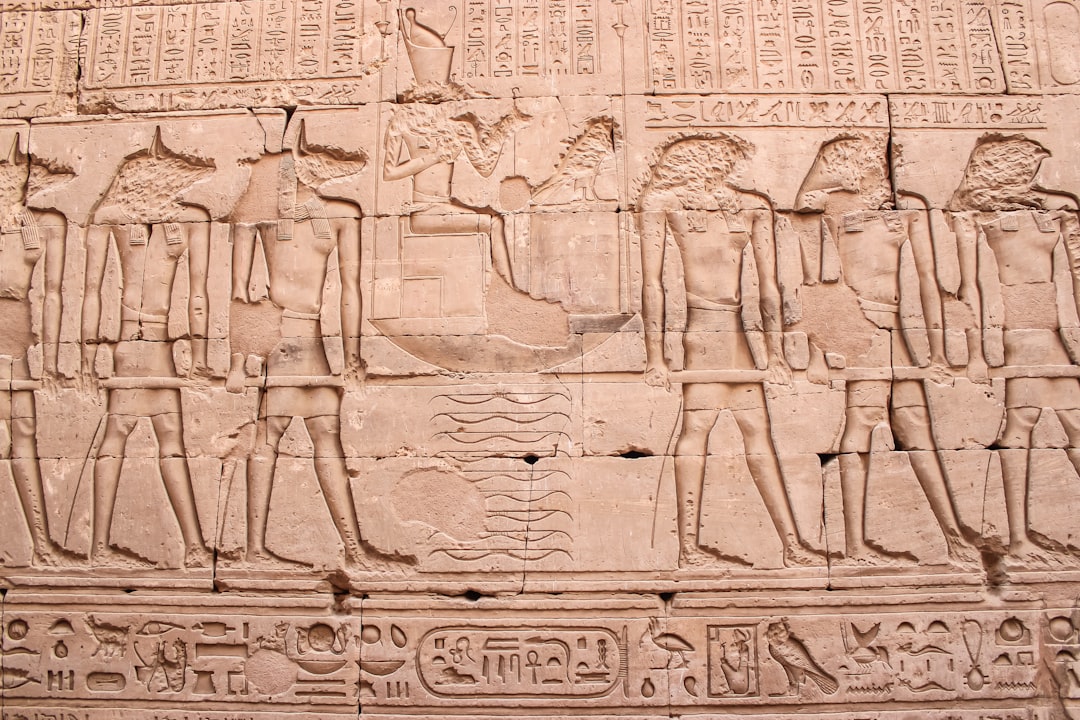
The ochre hues of the Sahara whisper tales of forgotten millennia, of lives lived under sun-drenched skies long before the pyramids rose from the Nile. North Africa, a vast and diverse land, harbors a prehistoric past as rich and profound as any on Earth, a tapestry woven with the threads of early human ingenuity, adaptation, and artistic expression. While often overshadowed by the monumental achievements of later civilizations, the region’s prehistoric journey offers unparalleled insights into the dawn of humanity, its migrations, and the very origins of culture. Uncovering this ancient heritage is a testament to the tireless work of archaeologists and researchers who, often in challenging environments, piece together the fragments of a world long vanished.
The story of North Africa’s prehistoric past begins with the tantalizing presence of the earliest hominins. For millennia, this region served as a crucial crossroads for human migration, a staging ground from which our ancestors ventured across continents. The archaeological record, though still unfolding, paints a picture of a dynamic landscape that supported populations and facilitated the spread of early human technologies and behaviors.
The Dawn of Toolmaking: Acheulean Innovations
Among the earliest and most significant discoveries are the stone tools that mark the Acheulean period. Characterized by the distinctive handaxe, these artifacts demonstrate a level of cognitive sophistication and planning previously thought to be absent in such early hominins. Sites across North Africa, from Morocco to Libya, have yielded countless handaxes, cleavers, and scrapers, each a testament to the skill and understanding of materials possessed by our ancient forebears. These tools were not merely utilitarian; they represented a leap in cognitive ability, suggesting an understanding of symmetry and a capacity for forethought. The uniformity of their design across vast distances hints at shared knowledge and possibly early forms of social transmission.
Evidence of Early Hominin Presence: Fossils and Their Significance
While fossil evidence for early hominins in North Africa is less abundant than in some other regions, its discovery has been transformative. The identification of hominin remains, even if fragmented, provides direct links to the individuals who shaped this ancient landscape. These fossils, when analyzed, offer invaluable data on the physical characteristics, diet, and environmental adaptations of our earliest ancestors who inhabited the region. Each tooth, bone fragment, or cranial piece unearthed is a puzzle piece, helping to reconstruct the evolutionary narrative and understand the diversity of early human species that roamed North Africa.
The Role of Climate in Early Human Settlement
The climatic fluctuations of the Pleistocene epoch profoundly influenced human settlement patterns in North Africa. During periods of increased rainfall, the Sahara transformed into a greener, more hospitable environment, supporting diverse flora and fauna and enabling human populations to thrive. Conversely, arid phases would have pushed populations towards more resilient coastal areas or oases, fostering adaptations and potentially driving innovation in resource management. Understanding these climatic shifts is crucial for interpreting the distribution and evolution of prehistoric sites.
Prehistoric archaeology in North Africa has unveiled fascinating insights into the lives of early human societies, particularly through the study of ancient tools and cave art. For a broader understanding of how archaeological discoveries shape our perception of human history, you might find the article on Russia’s role in the new moon race intriguing. It explores the significance of exploration and discovery, themes that resonate with the ongoing research in prehistoric archaeology. You can read more about it here: Russia’s Role in the New Moon Race.
The Sahara’s Artistic Revolution: Symbols of the Mind
Perhaps the most visually stunning and emotionally resonant aspect of North Africa’s prehistoric past lies in its rock art. Across the vast expanses of the Sahara, from the Atlas Mountains to the Tibesti Mountains, prehistoric artists adorned cave walls and rock shelters with a breathtaking array of images. These petroglyphs and paintings are not mere decorations; they are a window into the minds of ancient peoples, their beliefs, their daily lives, and their connection to the natural world.
Tassili n’Ajjer: A Gallery of Ancient Visions
The Tassili n’Ajjer plateau in Algeria stands as one of the world’s most extraordinary open-air museums of prehistoric art. For thousands of years, this remote region was a hub of human activity, and its sandstone cliffs bear witness to this legacy in the form of tens of thousands of rock engravings and paintings. These artworks depict a remarkable diversity of subjects, ranging from graceful wild animals like giraffes and elephants to scenes of hunting, dancing, and ritualistic practices. The sheer scale and preservation of the art here are unparalleled, offering a vivid chronicle of life in this now-arid region during wetter climatic periods.
The “Great Cattle Period”: Pastoralism and Abundance
A significant theme within the Tassili n’Ajjer art is the “Great Cattle Period,” characterized by numerous depictions of domesticated cattle. These images suggest a time when pastoralism was a central aspect of life, with herds of cattle playing a vital role in the economy and social structure. The detailed rendering of the animals, often adorned with elaborate decorations, speaks to their importance and the reverence they likely held within these ancient societies.
The “Round Head Period”: Enigmatic Figures and Spiritual Beliefs
Another prominent style, the “Round Head Period,” features abstract and anthropomorphic figures with rounded heads, often depicted in dynamic poses or engaged in what appear to be ritualistic activities. These enigmatic figures have sparked considerable debate among scholars, with interpretations ranging from shamanistic practices and spiritual beliefs to symbolic representations of deities or ancestral spirits. The abstract nature of these depictions offers a glimpse into a more symbolic and perhaps mystical understanding of the world.
The “Horse Period” and the Arrival of New Technologies
Later rock art sequences, such as those of the “Horse Period,” reflect the introduction of new technologies and the changing dynamics of Saharan life. The presence of horses, chariots, and warriors suggests a shift towards a more mobile and perhaps conflict-driven society. These depictions offer insights into the development of warfare, transportation, and the social hierarchies that may have emerged with the adoption of these new elements.
The Significance of Animal Depictions: Ecology and Symbolism
The abundant depictions of animals in North African rock art are invaluable for understanding the prehistoric ecology of the region. The presence of species like lions, antelopes, rhinos, and hippopotami in areas that are now arid underscores the dramatic climatic transformations the Sahara has undergone. Beyond their ecological significance, these animal figures likely held deep symbolic meaning, representing strength, fertility, danger, or spiritual connections within the belief systems of these ancient communities.
Human Figures and Social Life: Glimpses of Daily Existence
While animals dominate much of the prehistoric art, human figures also feature prominently, offering precious insights into the social lives of these early peoples. Scenes of hunting parties, communal gatherings, and domestic activities provide a visual narrative of their daily routines, their social structures, and their shared experiences. The depiction of clothing, adornments, and tools further enriches our understanding of their material culture and societal organization.
The Sahara’s Coastal Adaptations: Life by the Sea

While the Sahara’s interior captures the imagination with its vastness and artistic treasures, North Africa’s coastal regions also hold significant prehistoric importance, revealing how early humans adapted to different environments and exploited marine resources. These areas offer a complementary perspective to the inland archaeological record.
Mesolithic Hunter-Gatherers: Exploiting Coastal Abundance
Along the Mediterranean coast and the Atlantic seaboard, archaeologists have unearthed evidence of Mesolithic hunter-gatherer communities. These groups were adept at exploiting the rich marine resources available, relying on fishing, shellfish gathering, and coastal hunting. The discovery of shell middens, refuse heaps of discarded shells and animal bones, provides direct evidence of their diet and resource utilization. These sites reveal a sophisticated understanding of marine ecosystems and the development of tools for fishing and foraging.
The “Iberomaurusian” Culture: A Maritime Tradition
The “Iberomaurusian” culture, spanning parts of modern-day Morocco and Algeria, is a prime example of a maritime-focused prehistoric society. Their archaeological sites often reveal a reliance on marine fauna, with tools like bone fishhooks and net sinkers. This adaptation to a coastal lifestyle highlights the adaptability of early humans and their ability to thrive in diverse ecological niches.
Neolithic Transitions: The Dawn of Agriculture and Sedentism
As the Neolithic period dawned, North Africa, like other parts of the world, witnessed the gradual introduction of agriculture and the development of more sedentary lifestyles. Coastal communities, in particular, may have been among the first to integrate new crops and animal husbandry into their existing subsistence strategies, benefiting from fertile coastal plains and access to water.
Early Farming Practices and Their Impact
The introduction of farming brought about profound changes, including the establishment of more permanent settlements and the development of new technologies related to agriculture, such as pottery for storage and grinding stones. The shift towards a more predictable food source allowed for population growth and the emergence of more complex social structures.
Unearthing the Seeds of Civilization: Neolithic Innovations
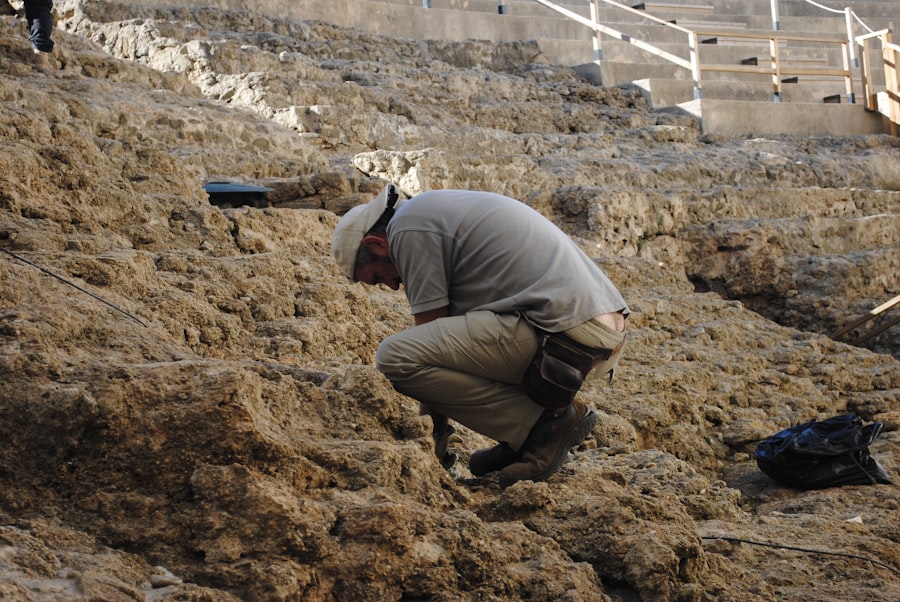
The Neolithic period in North Africa was a time of significant innovation and transition, laying the groundwork for later developments. While not characterized by monumental architecture as seen in some other parts of the world, the technological and social advancements made during this era were crucial for the long-term trajectory of human settlement in the region.
The Emergence of Pottery: Storage and Culinary Advancements
The widespread adoption of pottery marks a pivotal moment in the Neolithic. The ability to create durable vessels for storing food and water, as well as for cooking, transformed culinary practices and facilitated the preservation of surplus resources. The diverse forms and decorative styles of Neolithic pottery found across North Africa offer insights into regional variations and cultural exchange.
Regional Styles and Technological Developments in Pottery
Different regions of North Africa developed distinct pottery styles, reflecting local materials, techniques, and aesthetic preferences. The study of these styles can help archaeologists trace migration patterns, trade routes, and the diffusion of ideas and technologies across the continent. The refinement of firing techniques and the development of new clay mixtures further demonstrate the ingenuity of these early potters.
The Development of Polished Stone Tools: Enhanced Efficiency
Beyond the familiar handaxes of the Acheulean period, the Neolithic saw the refinement and widespread use of polished stone tools. Axes, adzes, and other implements made from harder stones, expertly ground and polished, were more efficient for woodworking, clearing land for agriculture, and other demanding tasks. This technological advancement facilitated the transformation of landscapes and the development of more complex material culture.
The Impact of Polished Tools on Subsistence and Shelter
The enhanced capabilities provided by polished stone tools allowed for more effective clearing of land for farming, the construction of more durable shelters, and the exploitation of forest resources. This technological leap had a direct impact on the subsistence strategies and settlement patterns of Neolithic communities.
Early Forms of Social Organization and Ritual
While direct evidence of complex social hierarchies is scarce in the Neolithic of North Africa, the presence of organized settlements, communal burial sites, and elaborate grave goods suggests the emergence of more structured social organization and ritualistic practices. These findings point towards the development of kinship systems, shared beliefs, and the recognition of status within these communities.
Recent discoveries in prehistoric archaeology have shed light on the early human activities in North Africa, revealing insights into their adaptation to diverse environments. For instance, an intriguing article discusses the impact of climate change on ancient populations and their migration patterns, which can be explored further in this related article. These findings not only enhance our understanding of human history but also highlight the importance of interdisciplinary approaches in studying ancient civilizations.
The Legacy of North Africa’s Prehistoric Past: Enduring Echoes
| Period | Timeframe | Main Characteristics |
|---|---|---|
| Lower Paleolithic | 2.4 million – 200,000 years ago | Use of simple stone tools, hunting and gathering |
| Middle Paleolithic | 200,000 – 40,000 years ago | Development of more complex tools, evidence of burial practices |
| Upper Paleolithic | 40,000 – 10,000 years ago | Flourishing of art, advanced tools, evidence of symbolic behavior |
| Epipaleolithic | 10,000 – 5,000 years ago | Transition to agriculture, domestication of animals, pottery |
The uncovering of North Africa’s prehistoric past is an ongoing endeavor, a constant dialogue with the silent remnants of our ancestors. Each artifact unearthed, each inscription deciphered, adds another layer to our understanding of human origins, adaptability, and the enduring spirit of creativity that has characterized our species for millennia.
Connecting to Our Ancestors: A Universal Human Story
The prehistoric inhabitants of North Africa, whether they were crafting their first stone tools, painting vivid narratives on cave walls, or cultivating the land, were engaging in the same fundamental human endeavors that continue to shape our lives today. Their struggles, their triumphs, their quest for meaning, and their connection to the world around them resonate deeply with our own experiences, forging a powerful and universal human story.
The Sahara as a Cradle of Innovation: Beyond Stereotypes
The discoveries in North Africa challenge simplistic stereotypes of the region as merely a barren desert. Instead, they reveal a dynamic and fertile landscape that fostered innovation and played a crucial role in the early chapters of human history. The Sahara was not an obstacle but a stage upon which critical developments in human culture and technology unfolded.
The Future of Prehistoric Research in North Africa: New Frontiers
The field of North African prehistoric research is far from complete. New technologies, such as advanced dating techniques, remote sensing, and molecular analysis, are opening up exciting new avenues of inquiry. The vast, largely unexplored regions of the Sahara and its surrounding areas hold the promise of further groundbreaking discoveries, promising to rewrite our understanding of our shared past. The ongoing exploration of North Africa’s prehistoric heritage is not just an academic pursuit; it is a journey into the very essence of what it means to be human, a testament to the enduring power of the past to illuminate our present and guide our future.

260 Ancient Graves Were Hiding in This “Empty” Desert
FAQs
What is prehistoric archaeology?
Prehistoric archaeology is the study of human history before the invention of writing systems. It involves the excavation and analysis of artifacts, structures, and other physical remains to understand the lives and cultures of prehistoric peoples.
What time period does prehistoric archaeology cover in North Africa?
In North Africa, prehistoric archaeology covers a vast time period ranging from the emergence of early human ancestors around 2.5 million years ago to the development of complex societies and civilizations around 3000 BCE.
What are some key findings from prehistoric archaeology in North Africa?
Some key findings from prehistoric archaeology in North Africa include evidence of early human migration out of Africa, the development of stone tools and other technologies, the domestication of plants and animals, and the rise of early agricultural societies.
How do archaeologists study prehistoric North Africa?
Archaeologists study prehistoric North Africa through a combination of excavation, survey, and analysis of artifacts, ecofacts, and features. They also use scientific dating methods, such as radiocarbon dating, to establish the chronology of prehistoric sites.
What can the study of prehistoric archaeology in North Africa tell us about human history?
The study of prehistoric archaeology in North Africa can provide insights into the origins and development of human societies, the adaptation of early humans to different environments, the evolution of technology and cultural practices, and the interactions between different prehistoric populations.