
Uncovering Peru’s Ancient Spiral Well Technology
Peru, a nation rich in history and architectural marvels, harbors a fascinating technological achievement that has long captivated researchers: its ancient spiral wells. These subterranean structures, intricately designed to access underground water sources, represent a sophisticated understanding of hydraulics and resource management by pre-Hispanic civilizations. Unlike simple pits dug for water, these wells are characterized by their descending spiral ramps, a feature that sets them apart and hints at a deliberate, labor-intensive construction process. The purpose and engineering behind these spirals remain subjects of ongoing investigation, offering a glimpse into the ingenuity of peoples who flourished in arid Andean environments.
The existence of spiral wells in Peru has been recognized and studied for decades, though a comprehensive understanding of their distribution, construction methods, and precise functionality is still evolving. Primarily concentrated in the coastal valleys of Peru, particularly in regions like Nazca and Caral, these wells are often associated with the Nasca culture, renowned for its enigmatic geoglyphs, and earlier civilizations like the Norte Chico. Their discovery has underscored the advanced engineering capabilities of these ancient societies, challenging previous assumptions about their technological prowess.
Early Investigations and Recognition
Initial archaeological surveys and explorations in the early to mid-20th century brought these unique structures to broader attention. Pioneering archaeologists noted the unusual spiral descents, differentiating them from more conventional wells. The sheer scale and complexity of some of these wells, such as those found in the Nazca desert, sparked considerable curiosity. The labor required to excavate such deep shafts and then meticulously form the helical pathways is a testament to organized labor and skilled craftsmanship.
Geographical Distribution and Associated Cultures
The geographical spread of these spiral wells is a key aspect of their study. While most prominently found in the coastal plains, which are naturally arid and necessitate sophisticated water management, some evidence suggests similar or related water-harvesting systems may have existed in other parts of the Andean region. The consistent association with ancient cultures that relied heavily on agriculture and faced significant water scarcity points towards these wells playing a critical role in their survival and prosperity. Identifying the specific cultures responsible for their construction and maintenance is an ongoing process, with dating techniques and architectural style analysis providing crucial clues.
The Role of Water in Ancient Peruvian Societies
Water was not merely a resource in ancient Peru; it was a vital element around which societies were organized. The development of sophisticated irrigation systems, qochas (highland reservoirs), and underground aqueducts (puquios) demonstrates a deep understanding of hydrological cycles and a relentless pursuit of water security. The spiral wells fit within this broader context, representing a specialized and effective method for tapping into subterranean aquifers that would have been inaccessible through simpler means. Their presence indicates a proactive approach to water acquisition, especially in areas where surface water was scarce or unreliable.
The ancient spiral wells of Peru, known for their intricate design and engineering prowess, provide fascinating insights into the technological advancements of pre-Columbian civilizations. These wells, often referred to as “chacra,” were not only essential for irrigation but also demonstrated a sophisticated understanding of hydrology and landscape management. For a broader perspective on how such technologies influence societal structures and political geography, you can explore the article on political geography and its implications for global relations at Understanding Political Geography: A Key Aspect of Global Relations.
Architectural Features of the Spiral Wells
The defining characteristic of these wells is their distinctive spiral descent. This feature is not merely aesthetic but profoundly functional, dictating how water was accessed and managed. The construction involved significant excavation, with the material removed likely being used for embankments or surrounding structures. The precision with which these helical ramps were carved suggests a careful planning process and a skilled workforce.
The Spiral Ramp: Design and Purpose
The spiral ramp typically encircles the central shaft of the well. It descends gradually, allowing individuals to walk down to the water table. The width of the ramp and the angle of its incline are variations observed across different wells, suggesting possible adaptations to local conditions or specific functional requirements. Some scholars propose that the spiral design facilitated easier access for maintenance, drawing water, and potentially for the movement of animals or laden individuals.
Construction Techniques and Materials
The exact construction techniques remain a subject of debate. It is understood that digging through the often-compacted soil and gravel of the coastal plains would have been challenging. The removal of vast quantities of earth would have been a monumental task. Evidence suggests that local stone and adobe were likely employed to reinforce the well shafts and ramps, preventing collapse and ensuring longevity. The engineering involved in stabilizing the subterranean excavation while creating the helical pathway points to a sophisticated understanding of structural integrity.
Variations in Well Depth and Diameter
The depth of these wells can vary significantly, reaching considerable distances to tap into reliable water sources. Similarly, the diameter of the central shaft and the encompassing ramp also exhibit diversity. These variations may reflect differences in the geological strata, the depth of the aquifer, or the specific needs and resources of the communities that built them. Studying these variations provides insights into the adaptive strategies employed by different ancient Peruvian groups.
Functionality and Hydrological Principles

The spiral wells were not simply decorative elements; they served a crucial practical purpose in water procurement and management. Their design facilitated the efficient extraction of water from underground sources, a necessity in Peru’s arid coastal regions. Understanding the hydrological principles at play is key to appreciating the intelligence behind their construction.
Tapping into Aquifers
The primary function of the spiral wells was to provide access to subterranean aquifers. These underground bodies of water are fed by rainfall from the Andes or by infiltration from seasonal rivers. The wells acted as direct conduits to these vital reserves, ensuring a consistent water supply for drinking, irrigation, and other domestic uses.
Water Extraction Methods
While the exact methods employed for water extraction are not definitively known, several possibilities exist. Individuals could have descended the spiral ramp to collect water directly with vessels. Alternatively, a system of pulleys or buckets might have been utilized, powered by individuals or perhaps even animals at the top of the well. The gradual descent of the ramp suggests a process that was designed to be manageable for human effort.
Principles of Gravity and Water Table Management
The design of the spiral wells leverages basic principles of gravity. The descent allows individuals to reach the water table without the need for complex pumping mechanisms. Furthermore, the wells likely played a role in managing the water table by providing a controlled point of access, preventing over-extraction and ensuring a sustainable supply. The precise understanding of water levels and their fluctuations would have been crucial for the long-term viability of these systems.
The Nasca and Their Spiral Wells: A Case Study
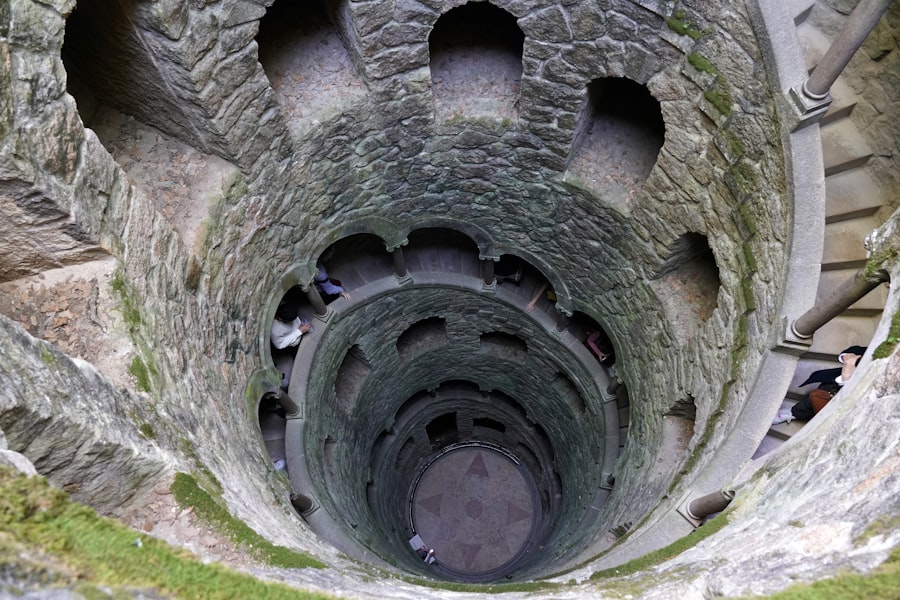
The Nasca culture, prominent in southern Peru from approximately 100 BCE to 800 CE, is particularly noted for its impressive spiral wells, most famously those found in the Nazca region. These structures are among the best-preserved and are extensively studied, offering a vivid illustration of the technology.
The Nazca Lines and Water Scarcity
The Nazca culture is most famous for the Nazca Lines, enormous geoglyphs etched into the desert floor. The existence of these monumental earthworks in such an arid environment raises questions about resource management, particularly water. The spiral wells are often seen as a direct response to this harsh environment, demonstrating how the Nasca people secured the water necessary for their survival and to support their agricultural endeavors.
The Ingenuity of the Cantalloc and Pukajío Wells
Specific wells, such as those at Cantalloc and Pukajío near Nazca, are prime examples of this ancient technology. These sites feature multiple spiral wells, some reaching considerable depths. The careful construction of the ramps and shafts indicates a significant investment of labor and planning. The careful excavation and reinforcement of these subterranean passages highlight a deep understanding of local geology and the need for stable infrastructure.
Connecting Wells to Nasca Agriculture
The water extracted from these wells was likely used for a variety of purposes, including irrigation for their crops. Evidence of ancient agricultural fields and canals in the Nazca region suggests a sophisticated system of water distribution. The spiral wells would have been a vital component of this system, providing a reliable source of water to sustain their agricultural practices in a desert landscape.
The ancient spiral wells of Peru showcase remarkable engineering techniques that have fascinated archaeologists and historians alike. These wells, known as “chacra,” were designed to efficiently collect and distribute water in the arid regions of the Andes, demonstrating an advanced understanding of hydrology and resource management. For those interested in exploring how ancient civilizations adapted their technologies to meet environmental challenges, a related article discusses the complexities of modern infrastructure and logistics, which can be found here. This connection between past and present highlights the ongoing human endeavor to innovate in the face of geographical obstacles.
Legacy and Modern Interpretations
| Well Name | Location | Depth (meters) | Diameter (meters) |
|---|---|---|---|
| Caracol Well | Nazca, Peru | 30 | 5 |
| Chavin de Huantar Well | Ancash, Peru | 25 | 4 |
| Wari Well | Ayacucho, Peru | 20 | 3 |
The legacy of Peru’s ancient spiral wells extends beyond their historical context. They continue to inspire awe and provide valuable lessons for modern water management, particularly in arid and semi-arid regions. Their study offers a bridge between ancient ingenuity and contemporary challenges.
Lessons for Arid Land Management
The spiral wells serve as a timeless example of how to effectively harness scarce water resources in challenging environments. The principles of tapping into subterranean water and creating accessible extraction points remain relevant today. Modern engineers and hydrologists can draw inspiration from these ancient systems, particularly in designing sustainable water solutions for regions facing water stress.
Archaeological Research and Preservation Efforts
Ongoing archaeological research continues to uncover more about these remarkable structures. Preservation efforts are crucial to protect these ancient sites from natural erosion and human impact. Understanding the full extent of their construction and function requires continued dedication to scientific inquiry and responsible stewardship of Peru’s cultural heritage.
The Enduring Mystery and Human Ingenuity
Despite extensive research, certain aspects of the spiral wells remain subjects of speculation and debate. The precise motivations behind some design choices, the specific social organization required for their construction, and the full extent of their use continue to be explored. These enduring mysteries only serve to emphasize the remarkable ingenuity of the ancient peoples of Peru, who devised such sophisticated and lasting solutions to fundamental human needs. Their spiral wells stand as a testament to their resourcefulness and their profound connection to the land.
FAQs
What are ancient spiral wells of Peru?
The ancient spiral wells of Peru are a series of underground water channels and wells that were built by the pre-Incan civilization. These wells are known for their spiral staircase-like design and were used to access and distribute water for agricultural and domestic purposes.
How were the ancient spiral wells of Peru constructed?
The construction of the ancient spiral wells of Peru involved the excavation of underground channels and the creation of spiral staircase-like structures to access the water. The wells were built using stone masonry techniques and are believed to have been constructed over a period of several centuries.
What was the purpose of the ancient spiral wells of Peru?
The ancient spiral wells of Peru served as a sophisticated water management system for the pre-Incan civilization. They were used to access and distribute water for agricultural irrigation, as well as for domestic use. The wells also played a role in religious and ceremonial practices.
What technology was used to build the ancient spiral wells of Peru?
The construction of the ancient spiral wells of Peru involved advanced engineering and architectural techniques. The pre-Incan civilization used stone masonry and precise measurements to create the spiral staircase-like structures and underground channels. The technology used in the construction of these wells demonstrates the advanced knowledge and skills of the ancient civilization.
What is the significance of the ancient spiral wells of Peru?
The ancient spiral wells of Peru are significant for their advanced water management system and the engineering prowess of the pre-Incan civilization. They provide valuable insights into the technological achievements of ancient societies and continue to be a subject of study and fascination for archaeologists and historians.