
The wind, a constant whisper across the vast North American continent, has for millennia carried the secrets of its earliest inhabitants. For generations, these whispers remained largely unheard, their echoes buried deep within the earth. However, with the advent of systematic archaeological inquiry, humanity has begun to meticulously listen, to painstakingly excavate, and to finally, to uncover the remarkable story of Pleistocene archaeology in North America. This era, spanning from roughly 2.6 million to 11,700 years ago, represents a period of immense climatic fluctuation, dramatic megafaunal extinctions, and the emergence of the first human populations on this continent. The artifacts, the skeletal remains, and the geological contexts unearthed by archaeologists offer a compelling glimpse into a world vastly different from our own, a world shaped by ice ages, the ebb and flow of glaciers, and the ingenious adaptations of our ancient ancestors.
The question of when humans first arrived in North America has been a cornerstone of Pleistocene archaeology for decades. While the traditionally accepted “Clovis First” model, which posited that the Clovis culture, dating to around 13,000 years ago, represented the earliest widespread human presence, has been challenged and largely superseded, the debate surrounding pre-Clovis sites continues to be a vibrant and crucial area of research. The implications of earlier migrations are profound, reshaping our understanding of human dispersal patterns, technological innovation, and the complex relationship between early peoples and the North American environment.
Challenging the Clovis First Paradigm: Breakthrough Discoveries
The discovery of sites predating the Clovis horizon has revolutionized our understanding of the peopling of the Americas. These sites, often characterized by distinct lithic technologies and stratified occupational layers, provide undeniable evidence of human activity millennia before the Clovis people. The meticulous excavation and dating of these locations have been instrumental in shifting the archaeological consensus.
Monte Verde: A Landmark Pre-Clovis Site
The Monte Verde site in southern Chile stands as a pivotal testament to pre-Clovis occupation. Discovered and excavated over several decades, its exceptionally well-preserved organic materials, including plant remains, wooden tools, and animal hides, have provided a wealth of information about the lifeways of its inhabitants. Radiocarbon dating has consistently placed its occupation at approximately 14,500 years ago, firmly establishing it as one of the earliest demonstrably human sites in the Americas. The presence of hearths, tools, and even structural remains offers a detailed snapshot of daily life, demonstrating a sophisticated understanding of resource management and tool production.
Paisley Caves: Genetic Clues to Ancient Migrations
The Paisley Caves in Oregon have yielded remarkable evidence not only of human presence but also of the genetic makeup of these early migrants. Coprolites (fossilized feces) containing human DNA have been dated to around 14,300 years ago, providing a genetic link to East Asian populations. This discovery, coupled with the presence of distinctive projectile points, supports the idea of a pre-Clovis migration route along the Pacific coast. The ability to extract ancient DNA from these ancient remains has opened new avenues for tracing migratory paths and understanding the genetic diversity of early North American populations.
Other Key Pre-Clovis Discoveries: A Growing Mosaic
Beyond Monte Verde and Paisley Caves, a growing number of sites across North America are contributing to the pre-Clovis narrative. Meadowcroft Rockshelter in Pennsylvania, Bluefish Caves in the Yukon, and Gault Site in Texas, among others, have presented evidence of human activity that predates Clovis. While some of these sites have faced scrutiny and debate regarding their dating and interpretation, the cumulative weight of evidence strongly suggests a more complex and earlier arrival of humans than previously believed. The ongoing research at these locations continues to refine our timelines and expand our understanding of the initial human diaspora.
The Debate Continues: Interpreting Ambiguous Evidence
Despite the compelling evidence for pre-Clovis occupations, the interpretation of some archaeological findings remains a subject of ongoing scholarly discussion. Distinguishing between natural geological processes and actual human modification of artifacts can be challenging, particularly at sites with limited preservation.
Lithic Technology: Identifying Human Craftsmanship
The identification of stone tools, or lithics, is central to understanding early human behavior. Archaeologists meticulously analyze the flaking patterns, wear marks, and overall morphology of stone artifacts to determine if they were intentionally manufactured by humans. Distinguishing between naturally fractured stones and those shaped by ancient toolmakers requires significant expertise and careful comparative analysis.
Stratigraphy and Dating: Establishing Chronological Control
The layer-by-layer deposition of sediment, known as stratigraphy, is crucial for establishing the relative age of artifacts. Radiocarbon dating, a technique that measures the decay of radioactive carbon isotopes, provides absolute dates for organic materials. However, contamination or the absence of datable materials can complicate chronological interpretations at some sites.
Pleistocene archaeology in North America has revealed fascinating insights into the lives of early human inhabitants and their interactions with the environment. A related article that delves into the importance of scientific analysis in understanding historical maps and their implications for archaeology is available at this link: Debunking the Piri Reis Map: A Scientific Rebuttal. This article discusses how the interpretation of ancient maps can influence our understanding of historical geography and human migration patterns during the Pleistocene epoch.
The Clovis Culture: A Widespread Horizon and Its Legacy
The Clovis culture, named after the town in New Mexico where distinctive projectile points were first found, represents a significant and widely recognized archaeological period in North American prehistory. Characterized by its finely crafted, fluted projectile points, the Clovis culture is associated with highly mobile groups of hunter-gatherers who exploited a rich array of Pleistocene megafauna.
The Iconic Clovis Point: A Masterpiece of Stone Tool Technology
The Clovis point is arguably the most recognizable artifact of the period. These lanceolate bifaces, expertly flaked and distinguished by a characteristic flute (a channel flake removed from the base), are found across much of North America. Their sophistication speaks to the advanced knapping skills and technological understanding of the Clovis people.
Lithic Reduction Techniques: The Art of Stone Shaping
The creation of Clovis points involved a complex sequence of lithic reduction. Archaeologists study the debitage (waste flakes) and the finished points to reconstruct the knapping techniques employed by Clovis artisans. This involves understanding the types of stone used, the force and angle of blows, and the overall strategy for shaping the projectile point.
Functional Interpretations: Hunting and Beyond
The primary function attributed to Clovis points is their use as projectile tips for hunting large game. However, ongoing research suggests they may have also served other purposes, such as knives or scrapers, reflecting the versatility of these tools. The presence of Clovis points in association with the remains of extinct megafauna, such as mammoths and mastodons, provides strong evidence for their role in large-game hunting.
Megafaunal Extinctions: A Coinciding Event
The period of Clovis occupation coincides with a dramatic decline and eventual extinction of many large mammal species, known as megafauna, across North America. This has led to extensive debate and research into the potential role of humans in this extinction event.
The Overkill Hypothesis: Human Impact on Extinction
The “overkill hypothesis” suggests that human hunting pressure played a significant role in the extinction of many megafaunal species. The presence of Clovis artifacts in association with megafauna remains has been a key piece of evidence supporting this theory. Archaeologists continue to analyze kill sites and hunting patterns to assess the scale of human impact.
Other Contributing Factors: Environmental Change and Disease
While human impact is considered a significant factor, many researchers also acknowledge the role of climatic change and potential disease outbreaks in the megafaunal extinctions. The end of the Pleistocene brought about significant environmental shifts, and these combined pressures may have contributed to the demise of these large animals.
Living on the Edge: Adaptation to a Changing Pleistocene Landscape
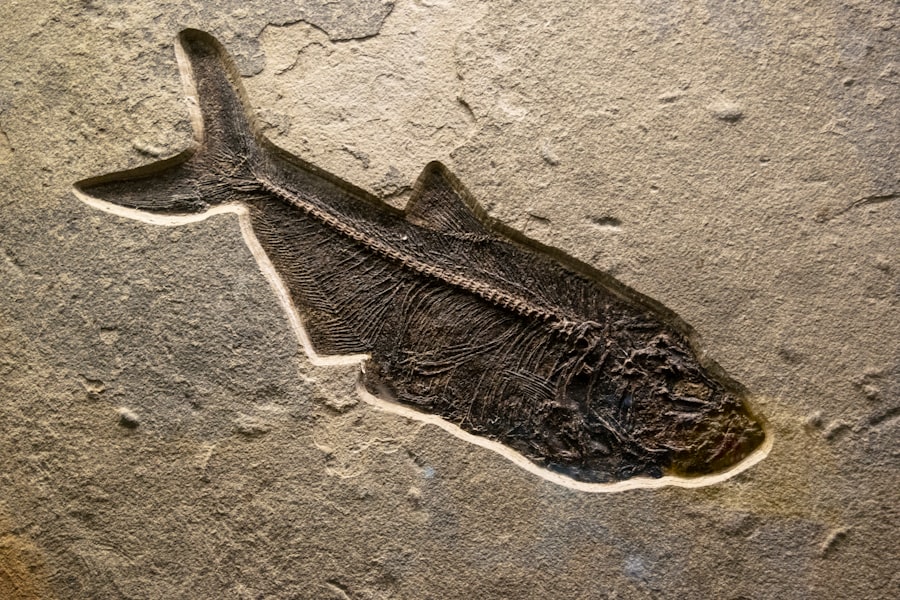
The Pleistocene epoch was a dynamic period characterized by dramatic climatic fluctuations, particularly the waxing and waning of massive ice sheets. Early North American populations, whether pre-Clovis or Clovis, had to develop sophisticated strategies for survival in these challenging and ever-changing environments.
The Glacial Maximum: A Continent Transformed
During the Last Glacial Maximum, approximately 20,000 to 18,000 years ago, vast ice sheets covered significant portions of North America. This dramatically reshaped the landscape, creating new coastlines, altering river systems, and influencing the distribution of flora and fauna.
Ice-Free Corridors: Pathways for Migration and Dispersal
As glaciers retreated, vast ice-free corridors began to open, providing potential pathways for human migration and the dispersal of game animals. The timing and accessibility of these corridors are crucial for understanding the movement of early populations across the continent. Archaeological evidence is continually being sought to document human use of these routes.
Refugia and Biodiversity Hotspots: Islands of Life
In areas not covered by ice, and along the southern fringes of the ice sheets, pockets of relative stability, known as refugia, emerged. These areas often harbored a greater diversity of plant and animal life, serving as crucial havens for both humans and their prey. Archaeological sites within these refugia offer invaluable insights into the adaptive strategies employed by early peoples.
Adapting to Resource Variability: Hunter-Gatherer Strategies
The mobility and resourcefulness of Pleistocene hunter-gatherers were key to their survival. They moved across the landscape, following game herds and exploiting seasonal plant resources. Their toolkits and settlement patterns reflect a deep understanding of their environment.
Mobility and Settlement Patterns: Following the Rhythms of Nature
Archaeological evidence suggests that Pleistocene hunter-gatherers were highly mobile, with settlement patterns dictated by the availability of resources and the movements of game animals. The identification of temporary camps, hunting blinds, and processing sites provides clues to their nomadic lifestyles.
Diet and Subsistence: Exploiting a Diverse Ecosystem
The diet of Pleistocene peoples was likely diverse, incorporating a wide range of animal and plant resources. Evidence from faunal remains at archaeological sites indicates the hunting of large mammals, as well as smaller game. Plant remains provide insights into the collection of roots, seeds, and berries, underscoring a sophisticated knowledge of edible flora.
Technologies of Survival: Tools and Innovations of the Pleistocene
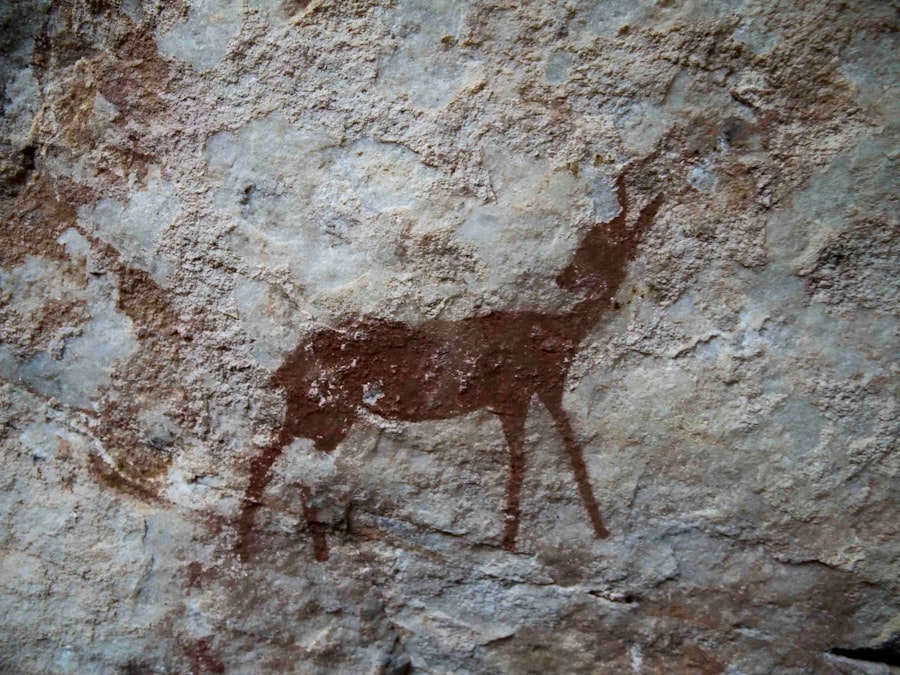
The development and refinement of stone tools were central to the success of Pleistocene hunter-gatherers. These tools, meticulously crafted from various stone materials, were essential for hunting, processing food, shelter construction, and countless other daily activities.
Lithic Technologies: The Foundation of Early Toolkits
The study of lithic technology is a cornerstone of Pleistocene archaeology. Archaeologists analyze the raw materials, manufacturing techniques, and functional wear patterns of stone tools to understand the ingenuity and resourcefulness of these early peoples.
Core Technology: The Genesis of Tools
The process of creating stone tools often began with a core, a piece of raw material from which flakes would be struck. Understanding how these cores were manipulated to produce usable flakes is fundamental to comprehending lithic reduction strategies.
Flake Tools and Blades: Versatile Implements
Flakes struck from cores were often further modified to create a variety of tools, including scrapers, knives, and awls. Blades, long and narrow flakes, were particularly effective for cutting and slicing. The careful selection of raw materials and the precision of flaking demonstrate a high level of technological skill.
Bifacial Reduction: Crafting Sophisticated Tools
Bifacial reduction, the process of shaping a piece of stone from both sides, was employed to create more complex tools like projectile points and handaxes. This technique required significant skill and understanding of stone fracture mechanics.
Beyond Stone: Other Technologies and Their Preservation Challenges
While stone tools are the most enduring evidence of Pleistocene technology, it is important to remember that early peoples also utilized a range of organic materials. The preservation of these materials is highly dependent on environmental conditions.
Bone and Antler Tools: Specialized Implements
Tools made from bone and antler were also common, often used for tasks requiring finer precision or for working with softer materials. Awls, needles, and small scraping tools crafted from these materials have been found at various sites.
Wood and Fiber: Essential but Ephemeral Materials
Wooden tools, such as spear shafts and digging sticks, along with cordage made from plant fibers, were undoubtedly essential for Pleistocene peoples. However, these materials rarely survive the passage of millennia unless preserved in exceptionally dry or waterlogged conditions.
Recent discoveries in Pleistocene archaeology in North America have shed light on the lifestyles and migration patterns of early human inhabitants. For a deeper understanding of how ancient societies interacted with their environment, you might find the article on government-controlled assets insightful, as it explores the broader implications of resource management throughout history. This connection highlights the importance of studying past human behavior to inform our present and future. To read more about this topic, visit this article.
The End of an Era: The Pleistocene-Holocene Transition and Its Archaeological Footprint
| Site Name | Location | Period | Artifacts |
|---|---|---|---|
| Clovis Site | New Mexico | Late Pleistocene | Clovis points, bone tools |
| Meadowcroft Rockshelter | Pennsylvania | Late Pleistocene | Stone tools, hearths |
| Folsom Site | New Mexico | Late Pleistocene | Folsom points, bison bones |
The close of the Pleistocene epoch, marked by the Holocene beginning around 11,700 years ago, witnessed profound environmental and ecological changes that significantly impacted human societies. The retreat of glaciers, rising sea levels, and the extinction of many large animal species necessitated further adaptation and innovation.
Climate Change and Ecological Shifts: A New World Emerges
The warming climate of the Holocene brought about dramatic transformations in the North American landscape. Ice sheets melted, coastlines shifted, and vegetation patterns changed. These alterations had a direct impact on the availability of resources and the distribution of animal populations.
The Younger Dryas Event: A Brief Return to Glacial Conditions
A notable exception to the general warming trend was the Younger Dryas period, a cold snap that occurred around 12,900 to 11,700 years ago. This brief but significant return to cooler conditions likely presented challenges for early human populations and may have influenced their settlement patterns and subsistence strategies.
Rise of New Ecosystems: Adaptation to Changing Flora and Fauna
As the climate stabilized in the Holocene, new ecosystems emerged, characterized by different plant communities and animal species. Early human groups had to adapt their hunting and gathering practices to exploit these new resources.
The Megafaunal Extinctions: A Legacy of Loss
The megafaunal extinctions, which largely concluded around the end of the Pleistocene, represent a significant turning point in North American prehistory. The disappearance of these large animals fundamentally altered the ecological landscape and the challenges faced by human populations.
Impact on Subsistence: Shifting Hunting Strategies
The loss of large game animals required a shift in hunting strategies. Early Holocene peoples likely relied more heavily on smaller game, fish, and a wider array of plant resources. This diversification of their diet is reflected in the archaeological record.
The Holocene Toolkit: Refinements and New Innovations
The archaeological record of the early Holocene shows a continuation of many Pleistocene technologies, but also the development of new tools and techniques tailored to the prevailing environmental conditions. This demonstrates the ongoing capacity for innovation and adaptation among human populations.
Uncovering Pleistocene archaeology in North America is an ongoing and dynamic endeavor. Each new discovery, each refined dating technique, and each re-evaluation of existing evidence contributes to a richer and more nuanced understanding of the earliest chapters of human history on this continent. The whispers of the past, once faint and elusive, are steadily growing louder, revealing a story of resilience, ingenuity, and the enduring human spirit that has shaped North America for millennia.

These Footprints Could Rewrite the Story of the First Americans
FAQs
What is Pleistocene archaeology?
Pleistocene archaeology is the study of human activity and culture during the Pleistocene epoch, which lasted from about 2.6 million to 11,700 years ago. This period is characterized by the presence of large ice sheets and the emergence of modern humans.
What is the significance of Pleistocene archaeology in North America?
Pleistocene archaeology in North America is significant because it provides insights into the early human occupation of the continent, including the migration patterns, cultural developments, and interactions with the environment and other species.
What are some key findings in Pleistocene archaeology in North America?
Some key findings in Pleistocene archaeology in North America include the discovery of early human settlements, evidence of tool use and hunting practices, and the presence of extinct megafauna such as mammoths and mastodons.
How is Pleistocene archaeology studied in North America?
Pleistocene archaeology in North America is studied through a combination of field excavations, laboratory analysis of artifacts and fossils, and the use of advanced dating techniques such as radiocarbon dating and luminescence dating.
What are the current challenges and future directions in Pleistocene archaeology in North America?
Some current challenges in Pleistocene archaeology in North America include the preservation of archaeological sites, the integration of indigenous perspectives, and the development of interdisciplinary research approaches. Future directions may involve the use of new technologies and collaborations with local communities to further our understanding of early human history in the region.