The documentary, Uncovering Pre-Clovis: A Fascinating Archaeology Documentary, offers a compelling deep dive into one of archaeology’s most enduring mysteries: the identity of the earliest inhabitants of the Americas. For decades, the Clovis culture, characterized by its distinctive fluted projectile points, was considered the definitive marker of the first humans to populate the New World. However, a growing body of evidence has begun to chip away at this long-held orthodoxy, pointing to an even earlier presence, one that challenges our understanding of human migration, adaptation, and the very timeline of our species’ journey across the globe. This documentary meticulously explores the scientific and historical journey of uncovering these pre-Clovis peoples, presenting a narrative rich with scientific rigor, archaeological discovery, and the persistent spirit of inquiry.
The documentary opens by establishing the historical context of the Clovis-first model. For much of the 20th century, the discovery of Clovis points across North America provided a seemingly straightforward answer to the question of who first arrived in the Americas and when. The consistency of these artifacts, found in association with extinct megafauna like mammoths and mastodons, suggested a coherent and relatively late migration event, typically dated to around 13,500 years ago.
The Significance of Clovis Points
- Definition and Characteristics: The film meticulously details the defining features of Clovis points – their unique fluted base, lanceolate shape, and skilled craftsmanship. These projectile points were not merely tools; they represented a sophisticated hunting technology, adapted for taking down large game.
- Widespread Distribution: The documentary highlights the remarkable geographical spread of Clovis artifacts, from the plains of North America to parts of Central and South America. This ubiquity led archaeologists to believe it represented a single, widespread cultural tradition.
- The “Bering Land Bridge” Hypothesis: The prevailing theory associated with the Clovis-first model was the migration of Siberian peoples across the Bering Land Bridge, exposed during the Last Glacial Maximum. The documentary explains how the retreating ice sheets would have eventually opened a “ice-free corridor,” allowing these early hunters to move into the Americas.
Early Debates and Challenges
Even within the Clovis-first era, dissenting voices and intriguing anomalies began to emerge. The documentary acknowledges these early cracks in the established narrative, setting the stage for the subsequent paradigm shift.
- The Monte Verde Site: The film dedicates significant attention to the Monte Verde site in Chile, a pivotal discovery that began to challenge the Clovis-first consensus. Its radiocarbon dates, significantly older than Clovis, initially faced considerable skepticism from the archaeological community.
- Inconsistencies in Dating and Association: Certain artifact assemblages, while not fitting the classic Clovis profile, also hinted at earlier occupations. The documentary touches upon instances where older geological layers yielded stone tools that predated the Clovis horizon, sparking debate and fueling further investigation.
In exploring the fascinating world of pre-Clovis archaeology, one can gain a deeper understanding of the ancient human presence in North America and the environmental changes that shaped their lives. A related article that delves into the impact of climate change on our planet is available at this link: Antarctica’s Melting Ice Caps Threatening Sea Level Rise. This article discusses how the melting ice caps in Antarctica are contributing to rising sea levels, a phenomenon that has implications for understanding the prehistoric environments that early humans navigated.
Seeds of Doubt: Early Pre-Clovis Discoveries
The narrative then shifts to the slow, painstaking process of unearthing evidence that would eventually necessitate a revision of the Clovis-first model. These early discoveries, often met with resistance, were crucial in planting the seeds of doubt and initiating a scientific revolution.
The Significance of Monte Verde
- Exceptional Preservation: The documentary emphasizes the unparalleled preservation at Monte Verde, a bog site that protected organic materials like wood, plant remains, and even human footprints, offering a far richer picture of daily life than stone tools alone could provide.
- Multiple Occupation Layers: The film explains that Monte Verde has multiple distinct occupation layers, with the lower layer providing the most compelling evidence for pre-Clovis occupation, dating back to approximately 14,500 years ago. This was a significant challenge to the accepted timeline.
- Diverse Tool Kit: Beyond projectile points, Monte Verde yielded a diverse array of tools, including scrapers, choppers, and cordage, indicating a broader range of subsistence strategies and technological capabilities than previously attributed to early Americans.
Other Early Sites and Anomalies
While Monte Verde stands out, the documentary also explores other sites that contributed to the growing body of pre-Clovis evidence, even if their interpretations were initially contested.
- The Meadowcroft Rockshelter: This site in Pennsylvania, with its deep stratigraphy, has yielded artifacts potentially dating back to over 16,000 years ago. The documentary discusses the ongoing debate surrounding its dating and the geological evidence.
- The Paisley Caves: In Oregon, Paisley Caves have yielded coprolites (fossilized feces) containing human DNA that predates Clovis. The documentary explains how this direct biological evidence provides a powerful counterpoint to purely archaeological interpretations.
The Breakthrough: A Consensus Emerges
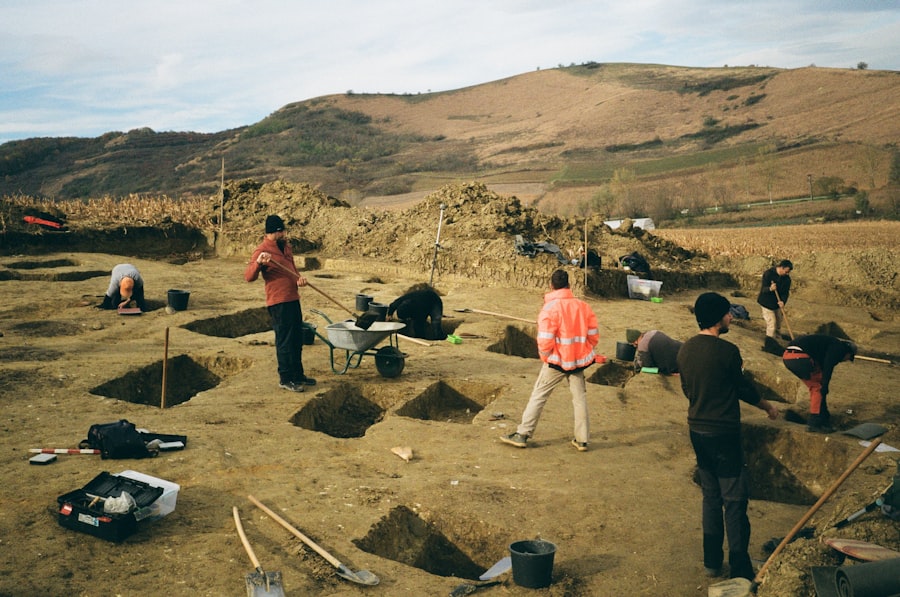
The documentary meticulously chronicles the period when the accumulating evidence began to overwhelm the Clovis-first paradigm. What was once considered fringe theory gained traction as more sites were discovered and analyzed with increasingly sophisticated scientific methods.
The Role of Advanced Dating Techniques
- Radiocarbon Dating Refinements: The film explains how advancements in radiocarbon dating, particularly Accelerator Mass Spectrometry (AMS), allowed for the precise dating of smaller organic samples, crucial for analyzing the often-scarce evidence from pre-Clovis sites.
- Other Chronometric Methods: The documentary may also touch upon other dating techniques, such as optically stimulated luminescence (OSL) and electron spin resonance (ESR), which provide independent verification of ages for sediments and artifacts.
New Site Discoveries and Re-evaluations
The latter half of the documentary showcases a new wave of discoveries that solidified the pre-Clovis presence, moving it from debate to accepted fact for a significant portion of the scientific community.
- The Cooper’s Ferry Site: This Idaho site has yielded evidence of human occupation dating to at least 16,000 years ago, with artifacts suggesting a potential Pacific coastal migration route.
- The Gault Site: Located in Texas, the Gault Site has provided a rich assemblage of tools and features, including evidence of early occupations that predate Clovis, demonstrating a complex cultural landscape.
- The Cerutti Mastodon Site: This controversial site in California, with claims of human modification of mastodon bones dating back 130,000 years, is presented with a balanced perspective, acknowledging the ongoing scientific scrutiny and debate surrounding its interpretation.
Rethinking Migration: Beyond the Ice-Free Corridor
The establishment of pre-Clovis presence necessitates a fundamental reevaluation of how humans first entered and spread across the Americas. The documentary delves into the emerging theories that address this complex puzzle.
The Coastal Migration Hypothesis
- Sea Travel and Adaptation: The film explores the compelling idea that early peoples may have traveled along the Pacific coast, utilizing marine resources and adapting to a different environment than the interior ice-free corridor.
- Evidence from Coastal Sites: The documentary may highlight the significance of coastal archaeological sites, even those submerged by rising sea levels, and the potential for discovering further evidence of this route.
- Technological Requirements for Coastal Travel: The film might discuss the technological capabilities, such as watercraft, that would have been necessary for such a journey.
Other Potential Migration Routes
- Trans-Pacific Connections? While more speculative, the documentary might briefly touch upon theories exploring possible trans-Pacific connections, though with a clear emphasis on the need for robust evidence.
- Multiple Waves of Migration: The concept of multiple, distinct waves of migration is discussed, suggesting that the peopling of the Americas was not a single event but a more protracted and complex process.
In the exploration of pre-Clovis archaeology, one intriguing aspect is the evidence of early human presence in North America, which has sparked numerous debates among researchers. A fascinating article that delves into historical cartography and its implications for understanding ancient civilizations is available at this link. The article discusses the Piri Reis map, shedding light on how ancient maps can provide insights into the geographical knowledge of early explorers and their interactions with the world around them. This connection to early human migration patterns adds another layer to the ongoing discussions surrounding pre-Clovis sites and their significance in North American history.
The Future of Pre-Clovis Research
| Archaeological Site | Discovery Date | Significance |
|---|---|---|
| Monte Verde | 1975 | Earliest known human settlement in the Americas |
| Paisley Caves | 2002 | Evidence of human occupation dating back over 14,000 years |
| Cactus Hill | 1996 | Pre-Clovis artifacts found in stratified layers |
The documentary concludes by looking forward, emphasizing that the discovery of pre-Clovis peoples is not an endpoint but a new beginning for archaeological research in the Americas.
Ongoing Excavations and New Technologies
- The Power of Genetics: The film highlights the increasing importance of ancient DNA analysis in understanding population movements, relationships, and migration patterns, offering a genetic corroboration of archaeological findings.
- Geophysical Survey Techniques: The documentary may showcase the application of ground-penetrating radar and LiDAR, which can help identify potential archaeological sites without destructive excavation, speeding up the discovery process.
- Interdisciplinary Collaboration: The importance of collaboration between archaeologists, geneticists, geologists, and other scientists is stressed as crucial for unlocking the remaining mysteries.
The Unanswered Questions
Despite the significant progress, the documentary acknowledges that many questions remain.
- The Identity of the Earliest Americans: Who were these first people? What were their origins, their cultures, and their lifeways?
- The Extent of Pre-Clovis Occupation: How widespread were these early populations, and how far south did they travel?
- The Relationship Between Pre-Clovis and Clovis Cultures: Was there a direct lineage, or were they distinct migrations?
Uncovering Pre-Clovis: A Fascinating Archaeology Documentary ultimately leaves the viewer with a profound appreciation for the dynamic nature of scientific inquiry and the ever-evolving understanding of human history. It underscores that our ancestors were more adaptable, resourceful, and arrived in the Americas far earlier than previously imagined, opening a new chapter in the story of humanity’s incredible journey across the planet. The film serves as a testament to the power of persistent investigation, challenging established norms, and the thrill of uncovering the hidden past that shapes our present.
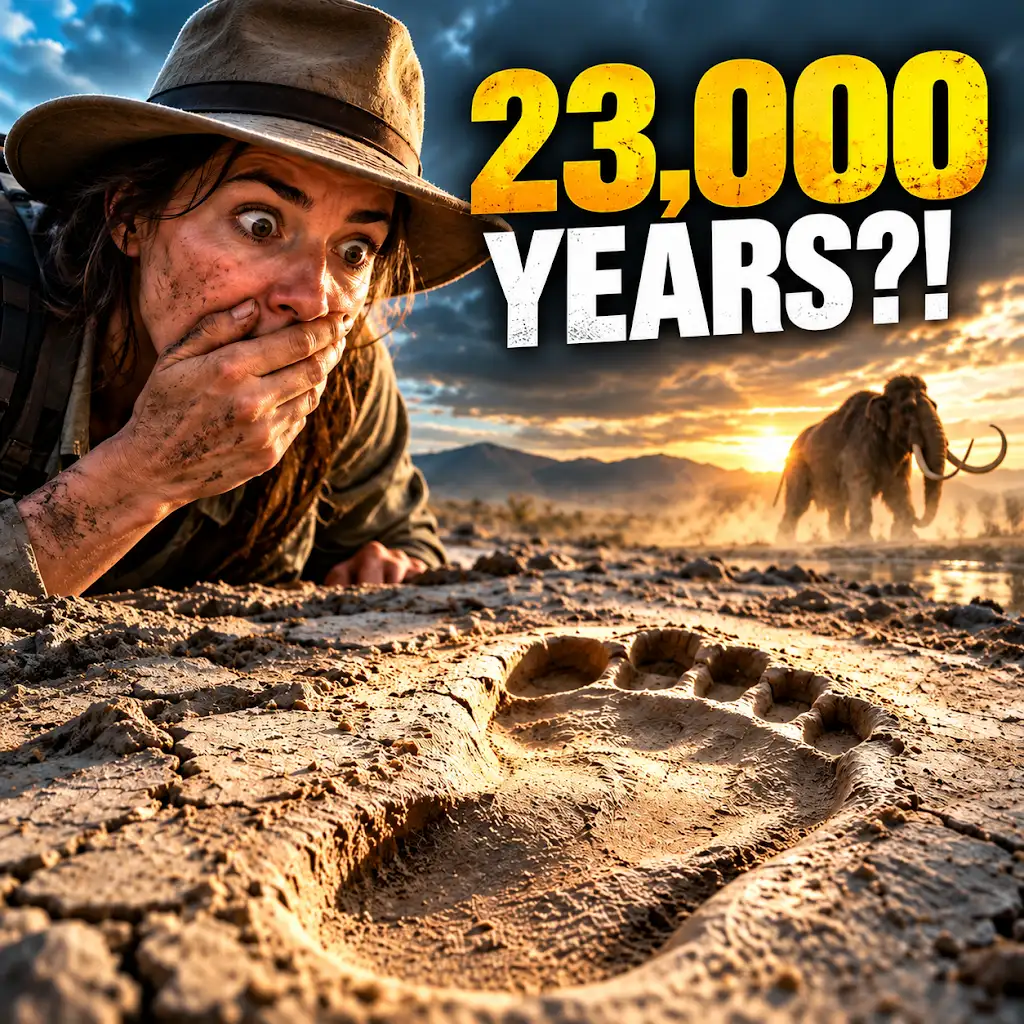
These Footprints Could Rewrite the Story of the First Americans
FAQs
What is pre-Clovis archaeology?
Pre-Clovis archaeology refers to the study of human occupation in the Americas prior to the Clovis culture, which is traditionally considered to be the earliest known culture in the region, dating back to around 13,000 years ago.
What is the significance of pre-Clovis archaeology?
Pre-Clovis archaeology is significant because it challenges the traditional understanding of the peopling of the Americas. Discoveries of pre-Clovis sites suggest that humans may have been present in the Americas earlier than previously thought, and may have arrived through different migration routes than the ones commonly accepted.
What is the focus of the pre-Clovis archaeology documentary?
The pre-Clovis archaeology documentary focuses on recent discoveries and research related to pre-Clovis sites in the Americas. It explores the implications of these findings for our understanding of early human migration and settlement in the region.
What are some key findings in pre-Clovis archaeology?
Some key findings in pre-Clovis archaeology include the discovery of stone tools, hearths, and other evidence of human occupation at sites such as Monte Verde in Chile and the Topper site in South Carolina. These findings suggest that humans were present in the Americas thousands of years before the Clovis culture.
How can I watch the pre-Clovis archaeology documentary?
The pre-Clovis archaeology documentary may be available for streaming on certain platforms or through specific channels. Check with your local television listings or online streaming services to find out where and when the documentary is available for viewing.