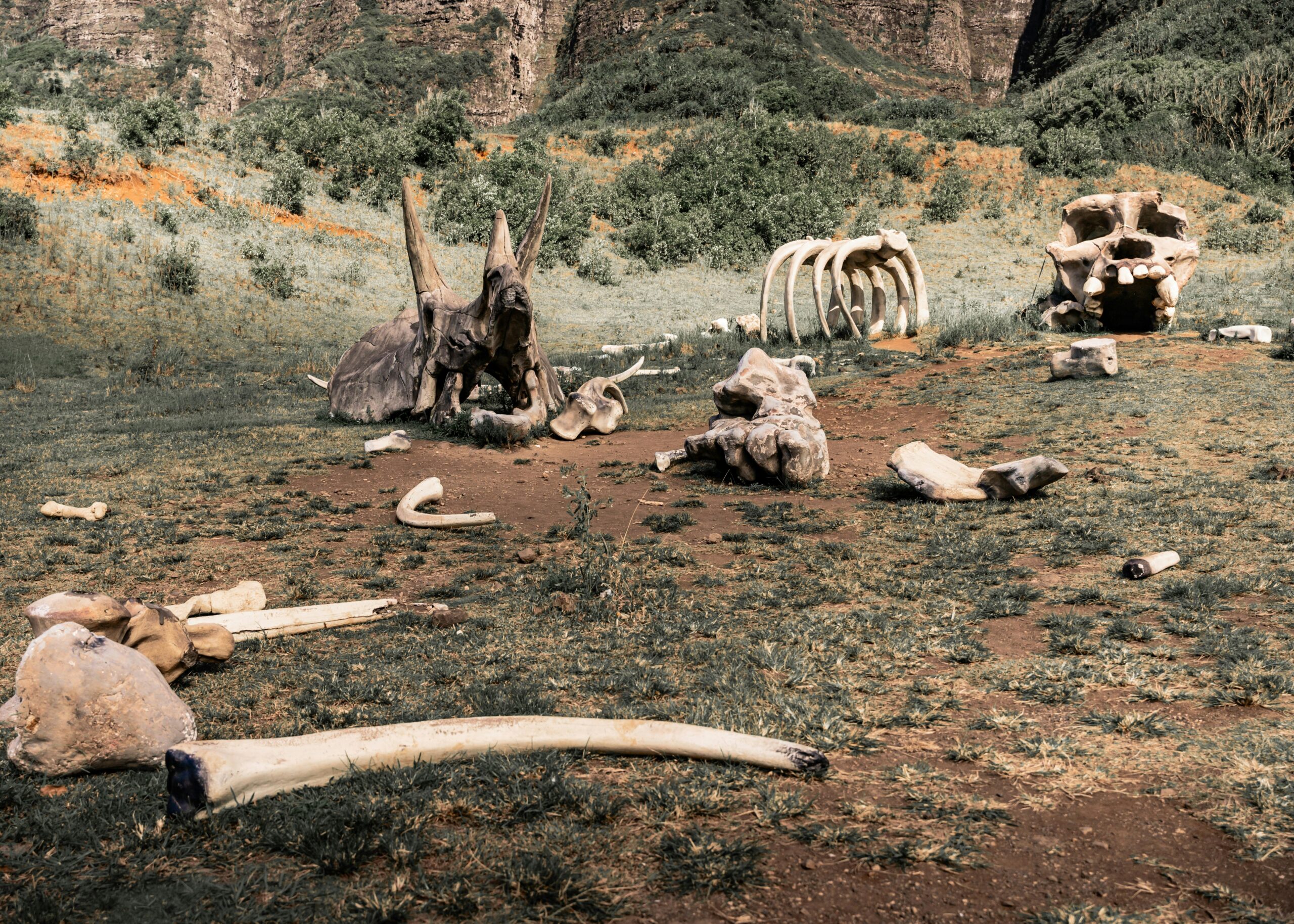
The flickering light of the projector painted the dimly lit room, casting dancing shadows on the eager faces of the audience. They were about to embark on a journey, not through space or time in the conventional sense, but deep into the lost epochs of Earth’s history. “Uncovering Prehistoric Earth: A Fascinating Documentary” promised a glimpse into a world almost unrecognizable, a realm governed by colossal creatures and shaped by cataclysmic events. As the title sequence faded and the first majestic, sweeping shots of ancient landscapes filled the screen, a collective hush fell over the viewers, a testament to the sheer magnetic power of the unseen past.
The documentary, helmed by seasoned paleontologist Dr. Aris Thorne and renowned filmmaker Anya Sharma, was an ambitious undertaking. It aimed to do more than just showcase fossils; it sought to reanimate the planet, to breathe life into the skeletal remains and fossilized footprints that litter our geological record. The film meticulously pieced together evidence, weaving together scientific data with cutting-edge CGI to create a vivid and visceral portrayal of life millions, even billions, of years ago. The narrative wasn’t just a chronological recitation of eras; it was an exploration of the fundamental forces and evolutionary pressures that sculpted our planet and its myriad inhabitants.
The Dawn of Life: A Microbial Marvel
The opening act of “Uncovering Prehistoric Earth” plunged viewers into the primordial soup, a time so remote that even the concept of a “planet” as we know it was nascent. Here, the narrative focused on the very origins of life, a story often overlooked in favor of more charismatic megafauna. The film presented compelling visualisations of early Earth, a volcanic, turbulent world constantly bombarded by asteroids, with an atmosphere thick with noxious gases. It explained, in accessible terms, the chemical reactions and environmental conditions that scientists believe fostered the emergence of prokaryotic life.
The Building Blocks of Existence
Dr. Thorne, appearing in interview segments interspersed throughout the documentary, explained the significance of early microbial life. He emphasized how these single-celled organisms, seemingly insignificant, laid the groundwork for all subsequent evolution. The film depicted the formation of stromatolites, layered structures built by cyanobacteria, as the earliest evidence of complex biological activity on Earth. The sheer scale of time involved was staggering, with these early life forms dominating the planet for billions of years, patiently laying the foundation for a more complex biosphere.
The Great Oxygenation Event: A Planetary Transformation
A pivotal segment of this early narrative was dedicated to the Great Oxygenation Event. The documentary visually represented how the gradual proliferation of photosynthetic cyanobacteria began to release oxygen as a byproduct. This seemingly minor biochemical innovation had profound and catastrophic consequences for the anaerobic life forms of the time, leading to the planet’s first mass extinction. The film illustrated this dramatic shift not as a negative event, but as a necessary precursor to the evolution of more complex, oxygen-breathing organisms, including ourselves. It highlighted the interconnectedness of life and its environment, showcasing how even the smallest biological changes can have planet-altering repercussions.
The documentary “Prehistoric Earth” offers a fascinating glimpse into the ancient ecosystems and the evolution of life on our planet. For those interested in understanding the impact of environmental changes on modern societies, a related article titled “Tijuana’s Manufacturing Sector Booms” provides insights into how industrial growth can be influenced by geographical and ecological factors. You can read more about this topic by visiting the article here: Tijuana’s Manufacturing Sector Booms.
The Age of Giants: Dinosaurs and Their World
As the documentary progressed, the narrative organically transitioned into the Mesozoic Era, the undisputed reign of the dinosaurs. This section was undoubtedly the most visually spectacular, with meticulously rendered CGI bringing these extinct giants to life in their natural habitats. The filmmakers spared no expense in recreating the lush, vibrant ecosystems that supported these creatures, from sprawling fern prairies to dense, ancient forests. The sheer scale and diversity of dinosaur life were emphasized, dispelling the notion of them as monolithic monsters and instead portraying them as complex beings adapted to various ecological niches.
Saurischian Spectacles: The Theropods and Sauropods
The film delved into the major dinosaur clades, offering detailed examinations of the theropods, the bipedal carnivores, and the sauropods, the gargantuan herbivores. Viewers were treated to breathtaking sequences of Tyrannosaurus rex hunting, its immense power and calculated movements brought to life with astonishing realism. Equally impressive were the lumbering herds of Brachiosaurus and Apatosaurus, their sheer mass and gentle demeanor a stark contrast to the predatory threats around them. The documentary explored their feeding habits, their social structures, and the ongoing scientific debates surrounding their behavior.
Ornithischian Oddities: Armored and Plated Wonders
Beyond the iconic meat-eaters and long-necks, “Uncovering Prehistoric Earth” also shone a spotlight on the ornithischian dinosaurs. Segments dedicated to Triceratops and its formidable frill and horns, or the armored Stegosaurus with its distinctive plates and thagomizer, revealed a remarkable array of evolutionary adaptations. The film explored the defensive strategies of these herbivores, their interactions with predators, and the specialized diets that sustained them. The meticulous detail in the rendering of their scales, skin textures, and even potential feathering was a testament to the film’s commitment to scientific accuracy.
The Mesozoic Menagerie: Beyond the Dinosaurs
While dinosaurs rightfully commanded much of the attention, the documentary didn’t neglect the other fascinating inhabitants of the Mesozoic. Viewers were introduced to early mammals, small and often nocturnal creatures scurrying in the shadows of their larger, scaly neighbors. The skies were depicted as being populated by pterosaurs, the majestic flying reptiles with wingspans that rivaled modern-day albatrosses. The oceans teemed with marine reptiles like Mosasaurus and Plesiosaurus, apex predators ruling the ancient seas. This comprehensive approach ensured a holistic understanding of the Mesozoic ecosystem, emphasizing the intricate web of life that existed.
The Great Dying and the Rise of Mammals
The documentary masterfully navigated the transition from the Mesozoic to the Cenozoic Era, marked by one of the most catastrophic events in Earth’s history: the K-Pg extinction event. The film didn’t shy away from the dramatic portrayal of the asteroid impact, the ensuing tsunamis, wildfires, and the prolonged period of darkness that plunged the planet into a brutal winter. The visual effects used to depict the impact were both terrifying and awe-inspiring, a stark reminder of the planet’s vulnerability to cosmic forces.
The Aftermath: A Devastated World
The ensuing segments focused on the immediate aftermath of the extinction. The film illustrated the decimation of ecosystems, the widespread loss of life, and the profound silence that descended upon much of the planet. It explained how the extinction event, while devastating, cleared the way for new forms of life to emerge and diversify. The narrative shifted from the dominance of reptiles to the slow but steady ascent of mammals, who had, until then, occupied marginal ecological roles.
The Mammalian Radiation: Adapting to the New Earth
This section of the documentary was particularly illuminating. It detailed the “mammalian radiation,” the explosive diversification of mammals into the ecological niches left vacant by the dinosaurs. Viewers were taken on a journey through the early Cenozoic, witnessing the emergence of ancient ungulates, rodents, primates, and carnivorans. The film highlighted the key characteristics that enabled mammals to thrive – warm-bloodedness, live birth, and parental care – and how these traits allowed them to adapt to a wide range of environments.
The Ancestors of Today: Tracing Our Lineage
The documentary brought the story closer to home, tracing the evolutionary lineage of humans. It showcased the early hominoids, their primitive bipedalism, and the gradual development of tool use and social complexity. While not delving into minutiae of human evolution, it provided a crucial context, demonstrating that our own species is a product of the same grand evolutionary story, sculpted by the same forces that shaped the dinosaurs and the early microbes.
Landscapes of Change: Tectonic Forces and Climate Shifts
“Uncovering Prehistoric Earth” recognized that the story of life is inextricably linked to the story of the planet itself. A significant portion of the documentary was dedicated to the dynamic geological processes that have shaped Earth’s surface over eons. The film used stunning animations to illustrate the slow, inexorable movement of tectonic plates, the formation and destruction of continents, and the birth of mountain ranges.
The Supercontinent Cycle: Pangea and Beyond
The documentary explored the concept of the supercontinent cycle, the recurring assembly and breakup of Earth’s landmasses. It vividly depicted the formation of Pangea, the last supercontinent, and its eventual fragmentation, which dramatically altered global climates and ocean currents, thereby influencing the course of evolution. The film explained how these continental shifts created new habitats, isolated populations, and drove diversification.
Ice Ages and Greenhouse Worlds: The Erratic Climate
The documentary also emphasized Earth’s fluctuating climate. Through compelling visualizations, viewers witnessed periods of intense glaciation, the “Ice Ages,” where vast ice sheets covered much of the planet, followed by periods of intense warmth, the “Greenhouse Worlds.” The film explained the natural drivers of these climate shifts, including variations in Earth’s orbit, volcanic activity, and the concentration of greenhouse gases. The impact of these climatic upheats on life was a recurring theme, demonstrating how species either adapted, migrated, or perished in response to the changing environment.
The documentary on Prehistoric Earth offers a fascinating glimpse into the ancient ecosystems that shaped our planet, and for those interested in understanding the broader implications of historical changes, a related article discusses the economic impact of nearshoring in today’s world. This connection highlights how our past can inform current practices and strategies in various fields. To explore this topic further, you can read the article here.
The Unfolding Mystery: Ongoing Discoveries and Future Frontiers
The final segment of “Uncovering Prehistoric Earth” looked towards the future of paleontological research. Dr. Thorne and his colleagues spoke about the exciting unanswered questions that still exist and the ongoing discoveries that continue to refine our understanding of prehistoric life. The film highlighted the importance of new technologies, such as advanced imaging techniques and sophisticated genetic analysis, in unearthing further secrets from the fossil record.
New Discoveries, New Perspectives
The documentary featured examples of recent groundbreaking discoveries, showcasing how new fossil finds are constantly reshaping our understanding of evolutionary history. It presented footage from active digs, illustrating the painstaking process of paleontological fieldwork. The emphasis was on the fluid nature of scientific knowledge, how theories are constantly tested and refined with new evidence, making the study of prehistoric Earth an ever-evolving and dynamic field.
The Ethics of Paleontology: Preservation and Public Outreach
Beyond the scientific intrigue, the film touched upon the ethical considerations of paleontology. It discussed the importance of responsible excavation and the need to protect fossil sites from illegal trafficking and destruction. Furthermore, the documentary underscored the vital role of public outreach and education in fostering an appreciation for Earth’s ancient past and the ongoing scientific endeavor to uncover its mysteries. Anya Sharma, in her interview, spoke passionately about the responsibility of filmmakers to accurately and engagingly convey complex scientific information to a broad audience, inspiring the next generation of scientists and enthusiasts.
In conclusion, “Uncovering Prehistoric Earth: A Fascinating Documentary” was more than just a compilation of facts and CGI; it was an immersive experience. It transported its audience through billions of years of Earth’s tumultuous history, revealing the incredible resilience and adaptability of life. The film left viewers with a profound sense of wonder, a deeper appreciation for the planet we inhabit, and a compelling reminder that the story of life is far from over. It was a testament to the enduring power of scientific inquiry and the captivating allure of the distant past.

When the Mediterranean Became a Desert | The Messinian Salinity Crisis Explained
FAQs

What is the Prehistoric Earth documentary about?
The Prehistoric Earth documentary explores the ancient world and the creatures that inhabited the Earth millions of years ago. It delves into the geological and environmental conditions of prehistoric times and showcases the diverse range of prehistoric animals and their behaviors.
Who produced the Prehistoric Earth documentary?
The Prehistoric Earth documentary was produced by a team of experts in paleontology, geology, and natural history. It is a collaboration between renowned scientists, researchers, and filmmakers who have dedicated their careers to studying and documenting prehistoric life.
What time periods does the Prehistoric Earth documentary cover?
The Prehistoric Earth documentary covers a wide range of time periods, including the Paleozoic, Mesozoic, and Cenozoic eras. It explores the evolution of life on Earth from the early beginnings of complex organisms to the rise and fall of the dinosaurs, and the eventual emergence of modern mammals and birds.
How was the Prehistoric Earth documentary researched?
The Prehistoric Earth documentary was researched using a combination of fossil evidence, scientific studies, and cutting-edge technology. Paleontologists and researchers have contributed their findings and expertise to ensure the accuracy and authenticity of the documentary’s portrayal of prehistoric life.
Where can I watch the Prehistoric Earth documentary?
The Prehistoric Earth documentary is available for viewing on various streaming platforms, as well as through educational institutions and museums. It may also be available for purchase or rental through online retailers and DVD distributors.