The vast, sun-baked expanse of the Sahara Desert, a landscape synonymous with arid desolation and endless dunes, holds a secret far more ancient and profound than its current appearance suggests. For millennia, this immense landmass has served as a silent witness to geological transformations of epic proportions. Today, intrepid paleontologists and geologists are piecing together a breathtaking narrative of a Sahara that was once teeming with vibrant marine life, a stark contrast to the parched environment we see today. This ongoing discovery is not merely about unearthing fossils; it is about reconstructing an entire lost world, pushing the boundaries of our understanding of Earth’s dynamic history and the resilience of life itself.
The Sahara’s transformation from a watery realm to a desert is a story etched in its very rocks. Evidence of past oceans is not confined to a single location but is spread across vast swathes of North Africa, hinting at the immense scale of these ancient bodies of water. These are not mere isolated pockets; rather, they represent periods when much of the continent was submerged, creating habitats for a diverse array of prehistoric marine creatures.
Tracing the Tethys Sea’s Legacy
Perhaps the most significant chapter in the Sahara’s marine past is its connection to the Tethys Sea. This epic ocean, which existed for hundreds of millions of years, stretched across what is now Eurasia and North Africa. Its slow but inexorable closing and eventual fragmentation played a crucial role in shaping continents and, consequently, in preserving the remnants of its inhabitants.
The Mesozoic Marine Realm
During the Mesozoic Era, a period spanning from approximately 252 to 66 million years ago, the Tethys Sea was at its most expansive. This was the age of dinosaurs on land, and beneath the waves, a rich and complex marine ecosystem flourished. The Sahara, at this time, was largely inundated by its waters, providing a fertile ground for a dazzling array of life forms.
Diversity of Marine Reptiles
The Mesozoic Sahara was a domain for colossal marine reptiles. Ichthyosaurs, with their dolphin-like bodies, and plesiosaurs, characterized by their long necks and flippers, patrolled the ancient seas. While direct fossil evidence from the Sahara can be fragmented, geological formations that were once part of the Tethys seabed across North Africa often yield evidence of their presence. The broader geological context, linking North African formations to those in Europe and the Middle East, allows paleontologists to infer the types of creatures that likely inhabited these Saharan waters.
Ammonites and Belemnites: Indicators of Time and Environment
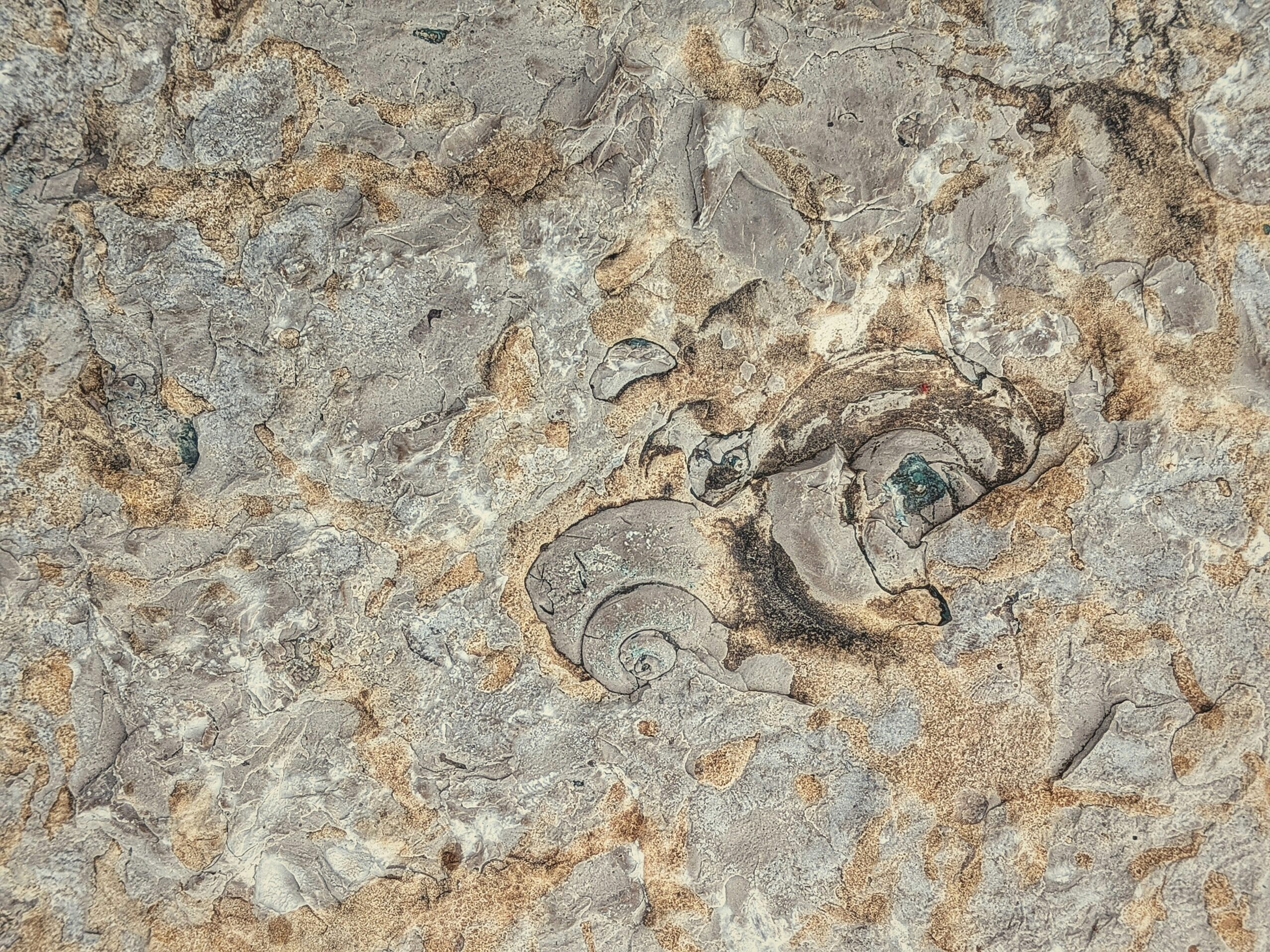
The fossilized shells of ammonites, coiled cephalopods with intricate suture patterns, and belemnites, squid-like creatures with internal shell structures, are ubiquitous in Mesozoic marine deposits worldwide. Their presence in Saharan rock layers acts as crucial markers for dating geological formations and for understanding the specific marine conditions that prevailed. Their abundance in certain Saharan strata paints a picture of thriving, shallow-water environments within the Tethys Sea.
The Cretaceous Period: A Warm and Expansive Sea
The Cretaceous Period, the final chapter of the Mesozoic, is particularly well-represented in the Saharan fossil record. Global sea levels were generally higher during this time, leading to extensive inundation of continental interiors. For the Sahara, this meant a vast, warm sea supporting a rich biodiversity.
Mosasaurs and their Predatory Reign
Among the most formidable predators of the Late Cretaceous seas were the mosasaurs. These large, aquatic lizards, often described as the “Tyrannosaurus Rex of the seas,” were apex predators. Discoveries of mosasaur fossils in North African formations, including those now found in the Sahara, provide direct evidence of their presence in these ancient waters. These finds are critical for understanding the food webs and predator-prey dynamics of the Cretaceous Sahara.
Bivalves and Gastropods: The Foundation of the Ecosystem
While the large reptiles often capture the imagination, the backbone of any marine ecosystem lies in its invertebrates. The Saharan fossil record reveals a profusion of bivalves (like oysters and clams) and gastropods (snails). Their fossilized shells, often found in vast numbers in certain rock layers, indicate periods of stable, shallow marine environments, providing food for larger animals and contributing to the sediment that eventually formed the fossil-bearing rocks.
Post-Tethys Transitions: Shifting Seas and Emerging Life
As the Tethys Sea began its closure, the geological landscape of North Africa underwent dramatic shifts. This period of transition was not an immediate end to marine life but rather a gradual reshaping of habitats and the emergence of new ecological niches.
The Paleogene and Neogene Seas
Following the demise of the dinosaurs, the Paleogene and Neogene periods (from 66 million years ago to about 2.6 million years ago) witnessed further marine incursions and retreats across North Africa. While not as extensive as the Tethys Sea, these later seas, like the Paratethys Sea in some regions, still supported significant marine life.
Marine Mammal Ancestors
The Cenozoic Era saw the rise of mammals, including the diversification of marine mammals. While direct fossils of early whales or seals from the Sahara are rare, the geological context of marine deposits from this era suggests the potential for encountering their ancestors or related species. The broader fossil record of marine mammals across North Africa provides strong circumstantial evidence for their potential presence in these ancient Saharan waters.
Coral Reefs and Shallow Shelf Environments
Evidence of ancient coral reefs and other shallow shelf environments found in Saharan geological formations points to warm, clear waters during the Paleogene and Neogene. These environments would have supported a rich array of fish, invertebrates, and other marine organisms, forming vibrant underwater ecosystems. The discovery of fossilized coral fragments and associated reef fauna provides crucial insights into the past climate and oceanography of the region.
Recent discoveries in the Sahara have shed light on the prehistoric marine life that once thrived in this now arid region. Fossils of ancient sea creatures have been unearthed, revealing a rich ecosystem that existed millions of years ago when the Sahara was covered by a vast ocean. For more insights into how ancient environments can inform our understanding of current ecosystems, you can read a related article on the importance of investment in sustainable infrastructure, which discusses how lessons from the past can shape our future: Read more here.
Unearthing the Past: Paleontological Expeditions in the Sahara
The journey to uncover the Sahara’s prehistoric marine life is a challenging one, fraught with logistical hurdles and demanding meticulous scientific endeavor. Paleontological expeditions into this remote and harsh environment require specialized knowledge, considerable resources, and an unwavering dedication to discovery.
The Arid Landscape as a Fossil Repository
The very aridity that defines the modern Sahara is, paradoxically, a boon for paleontological research. The lack of significant rainfall and vegetation cover means that erosion, while a factor, is often slower than in humid regions. This allows fossils, once exposed by wind and geological processes, to remain relatively preserved for millions of years.
Erosion and Exposure: Nature’s Unveiling Tool
Wind erosion, a constant force in the Sahara, plays a critical role in exposing fossil-bearing rock layers. As sand and dust are ablated from the surface, ancient seabeds and the creatures they once held are gradually revealed. This natural process, though slow, provides paleontologists with windows into the past, guiding their search for significant finds.
The Role of Geological Formations
Specific geological formations are of paramount interest to paleontologists. Layers of sedimentary rock, such as limestone, sandstone, and shale, laid down in marine environments, are the prime locations for fossil discovery. Identifying these formations, often based on their lithology and stratigraphy, is the first step in any successful expedition.
Navigating the Desert’s Challenges
The logistical demands of Saharan expeditions are immense. Access to remote fossil sites can be difficult, requiring sturdy vehicles, extensive supplies of water and food, and often the assistance of local guides. The extreme temperatures and the vast distances involved necessitate careful planning and a robust support infrastructure.
The Importance of Local Knowledge and Collaboration
Local communities often possess invaluable knowledge of the terrain and can assist in navigating the desert. Collaborative efforts between international scientific teams and local populations are crucial for both the success of expeditions and for ensuring that discoveries benefit the regions where they are made.
Technological Aids in Exploration
Modern technology has also become indispensable in Saharan paleontological exploration. Satellite imagery helps in identifying promising geological formations from afar, and GPS devices are essential for precise navigation and for mapping fossil sites. Portable X-ray fluorescence (pXRF) analyzers can even provide on-site chemical analysis of rock samples, helping to identify fossiliferous areas.
Key Fossil Discoveries and Their Significance
Over the years, various expeditions have unearthed remarkable specimens that illuminate the Sahara’s marine past. These discoveries are not just isolated finds; they contribute to a larger, evolving understanding of prehistoric life and Earth’s history.
Ichthyosaur and Plesiosaur Remains
While complete skeletons are rare, fragments of ichthyosaur and plesiosaur bones have been found in various Saharan rock formations. These finds, even if partial, provide direct evidence of these iconic marine reptiles inhabiting the ancient waters. Their presence confirms the existence of a vibrant ecosystem capable of supporting large predators.
Understanding Saharan Marine Reptile Diversity
The identification of specific species through fossil fragments allows paleontologists to reconstruct the diversity of marine reptiles that once swam in the Sahara. This helps in understanding their evolutionary relationships and their distribution across ancient oceans.
Fossilized Shells: Windows to Past Ecosystems
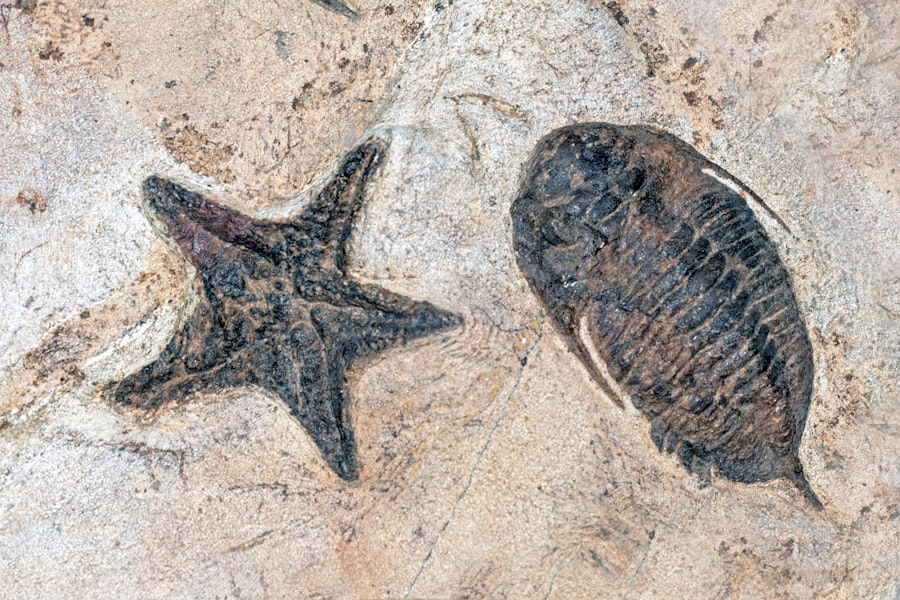
The sheer abundance of fossilized ammonites, belemnites, bivalves, and gastropods in many Saharan deposits is a testament to the productivity of these ancient seas. These fossils are often found in such numbers that they form significant rock layers themselves.
Paleoecological Reconstruction
By studying the types of shells present, their relative abundance, and their preservation state, paleontologists can infer the depth, salinity, and temperature of the ancient waters. This allows for detailed paleoecological reconstructions, painting a picture of the thriving communities that once existed.
Fossil Fish and Their Importance
Fossil fish from the Sahara offer crucial insights into the food webs and the overall health of the marine environment. Their diversity reflects the richness of the available food sources and the complexity of the aquatic ecosystems.
Tracing the Evolution of Fish
The study of fossil fish helps in understanding the evolutionary history of different fish lineages and their adaptations to various marine environments. Saharan fossil fish can provide unique data points for this global endeavor.
The Sahara’s Shifting Climate: From Water to Sand
The transition from a vibrant marine environment to the world’s largest hot desert is a dramatic climatic story, driven by tectonic forces, atmospheric changes, and the long-term cycles of Earth’s climate. Understanding this transition is as crucial as understanding the life that once inhabited its waters.
Plate Tectonics and Ocean Basins
The movement of Earth’s tectonic plates has been a primary driver in the formation and eventual disappearance of large ocean basins, including the Tethys Sea. The collision of continental plates, the uplift of mountain ranges, and the subsequent changes in ocean currents all played a role in shaping the Sahara’s destiny.
The Closing of the Tethys Sea
As the African and Eurasian plates drifted closer, the Tethys Sea began to shrink. This gradual process led to its fragmentation into smaller basins and eventually to its complete closure in many regions. This closure dramatically altered the climate, leading to drier conditions.
Mountain Building and its Climatic Consequences
The collision of tectonic plates also resulted in the formation of mountain ranges, such as the Atlas Mountains in northwestern Africa. These mountains acted as barriers to moisture-laden winds, creating rain shadow effects that contributed to the aridification of the interior regions, including much of what is now the Sahara.
Changes in Ocean Currents and Atmospheric Circulation
The reconfiguration of continents and oceans led to profound changes in global ocean currents and atmospheric circulation patterns. These shifts influenced rainfall distribution, leading to the gradual drying of areas that were once oceanic or coastal.
The Role of the Monsoon System
The development and subsequent changes in monsoon systems over Africa are thought to have played a significant role in the Sahara’s desiccation. While monsoons can bring periods of increased rainfall, shifts in their intensity and patterns can also contribute to aridification over geological timescales.
Cycles of Green Sahara: Periods of Humid Climates
It is important to note that the Sahara has not always been a desert. Paleoclimatic evidence, particularly from the last interglacial periods, suggests that the Sahara has experienced “Green Sahara” phases, characterized by increased rainfall, the presence of lakes and rivers, and savanna-like vegetation.
The Influence of Orbital Cycles
Earth’s orbital cycles, known as Milankovitch cycles, have a profound impact on the amount of solar radiation received by different parts of the planet. During certain periods, these cycles have led to increased summer insolation over North Africa, triggering more robust monsoon systems and leading to wetter conditions in the Sahara.
Lakes and Rivers of the Past
During these Green Sahara periods, large lakes and river systems dotted the landscape. Evidence of these ancient water bodies, found in the form of lakebed sediments and fossilized freshwater organisms, provides a stark contrast to the desert we see today. These wetter periods would have supported a different array of life, though not the marine life of earlier epochs.
Implications for Understanding Earth’s History and Future
The discoveries of prehistoric marine life in the Sahara have far-reaching implications, not only for our understanding of the planet’s past but also for predicting its future. This ongoing research highlights the dynamic nature of Earth’s systems and the power of long-term geological and climatic forces.
Revisiting Paleoenvironmental Reconstructions
The Saharan marine fossil record provides invaluable data for refining and validating paleoenvironmental models. By correlating fossil findings with geological strata and isotopic data, scientists can build more accurate pictures of past oceanographic conditions, temperatures, and atmospheric compositions.
Global Ocean Models
The Tethys Sea was a significant component of Earth’s ancient oceans. Understanding the life it supported and its eventual demise helps to refine global ocean models, improving our ability to simulate past oceanic conditions and their impact on global climate.
Climate Change and Past Extinctions
Studying past periods of significant environmental change, such as the desiccation of the Sahara and the closing of the Tethys Sea, offers insights into the resilience and vulnerability of life to climate change. These ancient extinction events can serve as cautionary tales for the present.
The Interconnectedness of Earth’s Systems
The Sahara’s transformation underscores the intricate interconnectedness of Earth’s geological, climatic, and biological systems. Plate tectonics, oceanography, atmospheric circulation, and the evolution of life are all intertwined, influencing each other over vast timescales.
Long-Term Climate Dynamics
The Sahara’s history serves as a powerful example of long-term climate dynamics. It demonstrates that what we perceive as stable environments can, over geological time, undergo dramatic and complete transformations.
Biodiversity and Environmental Change
The study of Saharan marine fossils reveals how biodiversity responds to environmental shifts. The loss of marine habitats due to the receding Tethys Sea led to extinctions but also created opportunities for new life forms to evolve and adapt to changing conditions.
Lessons for the Anthropocene
In an era of accelerating anthropogenic climate change, the lessons learned from studying the Sahara’s past are more relevant than ever. Understanding how natural forces have reshaped environments and driven extinctions can provide a crucial perspective on the challenges humanity faces today.
The Pace of Change
While the geological changes that transformed the Sahara occurred over millions of years, modern climate change is happening at an unprecedented rate. Studying the resilience of past ecosystems to slower, natural changes can inform our strategies for mitigating and adapting to faster, human-induced alterations.
Predicting Future Scenarios
By understanding the mechanisms that drove past environmental transformations, scientists can develop more accurate predictive models for future climate scenarios. The Sahara’s story, from a thriving ocean to a vast desert, serves as a powerful reminder of Earth’s capacity for dramatic change.
Recent discoveries in the Sahara have shed light on the fascinating prehistoric marine life that once thrived in this now arid region. Researchers have unearthed fossils of ancient sea creatures, providing valuable insights into the ecosystems that existed millions of years ago. For a deeper understanding of how legal frameworks can protect such significant paleontological sites, you can explore an insightful article on the topic. This resource discusses the importance of nationalization in preserving these treasures for future generations, which can be found here.
The Future of Saharan Paleontology: Continued Exploration and Discovery
| Species | Time Period | Size | Location |
|---|---|---|---|
| Spinosaurus | Cretaceous Period | 12-18 meters | Egypt, Morocco, Algeria |
| Onchopristis | Cretaceous Period | 7 meters | North Africa |
| Stromer’s Plesiosaur | Cretaceous Period | 12 meters | Egypt |
Despite the immense progress made, the Sahara continues to hold its secrets close. The vastness of the desert and the challenging conditions mean that much of its prehistoric past remains undiscovered. Ongoing exploration promises to yield further revelations, pushing the boundaries of our scientific knowledge.
Advancements in Technology and Methodology
Future paleontological endeavors in the Sahara will undoubtedly benefit from continued advancements in technology. Remote sensing, drone technology for aerial surveys, and sophisticated imaging techniques will likely play an even greater role in identifying promising sites and in the non-invasive study of fossil-bearing formations.
Improved Dating Techniques
More precise dating techniques for geological strata and fossil specimens will allow for a more accurate chronological reconstruction of Saharan marine life and its environmental context. This will help to solidify the timelines of these ancient ecosystems and their transformations.
In-Situ Preservation and Analysis
Developments in portable analytical equipment will enable more in-situ analysis of fossils and rock samples, reducing the need for immediate transport and minimizing potential damage. This will streamline the research process and allow for more comprehensive data collection in the field.
Expanding the Scope of Research
While marine life has been a significant focus, future research in the Sahara will likely broaden its scope to encompass a more holistic understanding of its prehistoric ecosystems. This includes terrestrial life, ancient flora, and the detailed study of paleoclimatic indicators.
Terrestrial-Fossil Integration
Integrating the study of marine fossils with evidence of terrestrial life from overlapping geological periods will provide a more complete picture of the entire paleoenvironment. This will allow for the understanding of coastal ecosystems and the transitions between marine and terrestrial habitats.
Paleobotanical and Palynological Studies
The study of fossilized plants and pollen (paleobotany and palynology) will be crucial for reconstructing the vegetation and climate of the Saharan region during its wetter phases and at the margins of its ancient seas. This will offer a more nuanced understanding of the broader ecosystem.
The Importance of International Collaboration and Conservation
As Saharan paleontological research continues, international collaboration and the conservation of fossil sites will remain paramount. Protecting these valuable scientific resources from looting and destruction is essential for ensuring that future generations can continue to learn from them.
Capacity Building and Knowledge Transfer
Strengthening the capacity of local researchers and institutions in Saharan countries is crucial for the long-term stewardship of these paleontological resources. Knowledge transfer and collaborative training programs will ensure that the expertise needed for continued exploration and conservation resides within the region.
Public Outreach and Education
Sharing the incredible discoveries from the Sahara with the wider public is vital for fostering scientific literacy and appreciation for Earth’s history. Engaging exhibits, documentaries, and educational programs can inspire future generations of scientists and conservationists.
The Sahara Desert, a seemingly barren landscape, is in reality a vast archive of Earth’s dynamic past. The uncovering of its prehistoric marine life is a testament to human curiosity, scientific ingenuity, and the enduring power of geological forces. Each fossil unearthed is a whisper from an ancient ocean, a clue to a world long gone, and a vital piece in the grand mosaic of our planet’s history. The ongoing exploration of this magnificent desert promises to continue revealing its submerged wonders, reminding us that even the most seemingly immutable landscapes hold the echoes of profound transformation.

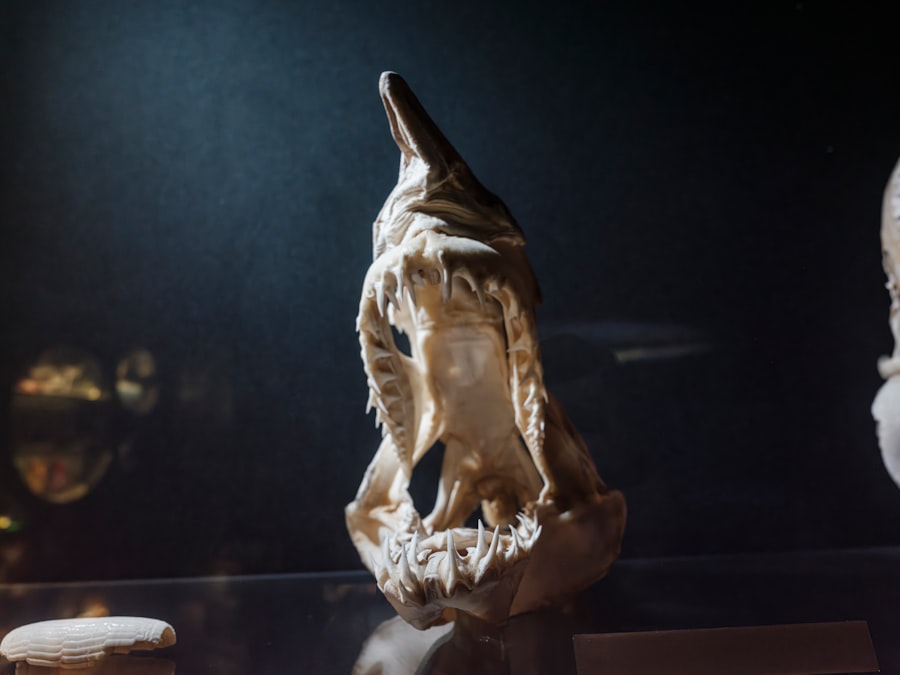
They Found a Shark Graveyard in the Egyptian Desert
FAQs
What is prehistoric marine life in Sahara?
Prehistoric marine life in Sahara refers to the fossils and remains of ancient marine creatures that lived in the Sahara Desert millions of years ago when the region was covered by water.
What kind of marine life existed in the Sahara Desert?
Fossils and remains of marine life found in the Sahara Desert include ancient sea creatures such as ammonites, marine reptiles like ichthyosaurs and plesiosaurs, as well as various species of fish and sharks.
How did marine life end up in the Sahara Desert?
The presence of marine life in the Sahara Desert is due to the geological history of the region. Millions of years ago, the Sahara was covered by a vast sea, and over time, tectonic movements and changes in climate caused the sea to recede, leaving behind fossils and remains of marine creatures.
What significance do these discoveries hold?
The discovery of prehistoric marine life in the Sahara provides valuable insights into the geological and environmental history of the region. It also helps scientists and researchers understand the evolution and diversity of marine life during ancient times.
Where can one see these prehistoric marine life fossils in Sahara?
Fossils and remains of prehistoric marine life in the Sahara can be found in various museums and research institutions around the world, as well as in the Sahara Desert itself, where paleontological expeditions continue to uncover new discoveries.