Project Iceworm, a documentary delving into a forgotten chapter of the Cold War, offers a chilling glimpse into the audacious and ultimately abandoned ambitions of the United States. The film meticulously pieces together the story of a clandestine operation that sought to harness the immense power of nuclear energy for military purposes, buried deep beneath the unforgiving ice of Greenland. Through a compelling narrative, archival footage, and expert interviews, “Uncovering Project Iceworm” reconstructs the technical challenges, political machinations, and the profound ethical questions that surrounded this ambitious, and thankfully unrealized, undertaking.
The documentary begins by setting the stage for the escalating tensions of the Cold War. The year is 1957, and the Soviet Union has just launched Sputnik, sending shockwaves of fear and a sense of technological inferiority through the United States. This event, more than any other, galvanized American efforts to surpass Soviet capabilities across all scientific and military domains. It was within this climate of intense competition and national anxiety that the seeds of Project Iceworm were sown. The film highlights how the perceived Soviet advantage spurred a desperate need for innovative solutions that could provide a strategic edge. The vast, seemingly impenetrable Arctic landscape of Greenland, with its immense ice sheet, presented itself as an ideal location for a secret military installation, far from prying eyes and theoretically immune to conventional attacks.
The idea of establishing a hidden military presence in Greenland was not entirely novel. However, Project Iceworm represented a radical departure. It wasn’t just about building an underground base; it was about constructing a mobile, nuclear-powered missile silo system, literally carved into the ice.
A Response to the Sputnik Scare
The Sputnik launch in October 1957 served as a potent catalyst. The documentary details how US military strategists and scientists felt an urgent need to counter the perceived Soviet lead in missile technology. This fear propelled them to explore unconventional and daring solutions. The film features interviews with historians who explain how the “missile gap” narrative was exploited to justify significant investment in new defense initiatives, even those with inherent risks. Project Iceworm, with its promise of a secure and strategically positioned nuclear arsenal, appeared to offer a decisive response. The documentary emphasizes that the psychological impact of Sputnik was as significant as its technological implications, driving a sense of urgency and a willingness to embrace radical ideas.
The Strategic Advantage of Ice
Greenland’s vast ice sheet was perceived as a natural shield. The documentary explains the strategic thinking behind this choice: the immense thickness of the ice would provide unparalleled protection against conventional attacks. Furthermore, its remote location would make it difficult for the Soviets to detect or target. The film explores the scientific assessments that suggested the ice was stable enough to house a massive underground complex for an extended period. Early geological surveys, presented in the documentary through animated maps and scientific diagrams, indicated that the ice was indeed kilometers thick in many areas, offering a seemingly impenetrable barrier. The sheer scale of the undertaking, however, was already becoming apparent.
The Role of the Army Corps of Engineers
The United States Army Corps of Engineers, renowned for its large-scale civil engineering projects, was tasked with the monumental challenge of designing and constructing Project Iceworm. The documentary highlights the immense engineering hurdles involved in excavating and maintaining a sprawling network of tunnels and missile silos within a constantly shifting ice mass. The film showcases early design proposals and scale models, demonstrating the ambitious scope of the envisioned facility. Engineers grappled with issues of ice deformation, thermal expansion, and the logistical nightmare of supplying a remote, subterranean base. The documentary underscores the ingenuity and sheer determination of the engineers involved, who were tasked with making the seemingly impossible a reality.
The documentary “Project Iceworm Explained” delves into the secretive U.S. military project aimed at establishing a network of nuclear missile bases beneath the Greenland ice sheet. For those interested in the broader implications of ice-covered regions and their historical significance, a related article titled “Antarctica Revealed: 1513 Map Unveils Ice-Free Continent” provides fascinating insights into how ancient maps depicted a vastly different Antarctic landscape. You can read more about this intriguing topic by visiting this link.
The Architecture of the Ice Age
Project Iceworm was envisioned as more than just a collection of missile silos; it was to be a self-sustaining city beneath the ice. The documentary meticulously details the complex engineering and logistical plans that went into its design, revealing a level of ambition that bordered on science fiction.
Tunnels and Silos: A Subterranean Network
The core of Project Iceworm was to be a vast network of tunnels, connecting multiple missile silos and living quarters. The documentary showcases detailed blueprints and artist’s renditions of these subterranean arteries, illustrating the sheer scale of the excavation required. Engineers proposed using specialized drilling equipment designed to cut through glacial ice, a technology that was still in its nascent stages. The film explains the concept of a “mobile” missile base: the idea was that the entire system, as the ice flowed, would slowly move, making it an ever-changing and thus harder-to-target platform. This concept, while innovative, also introduced a new layer of engineering complexity, as the tunnels and silos would need to accommodate this constant, albeit slow, movement.
The documentary “Project Iceworm Explained” delves into the intriguing history of a top-secret U.S. military operation in Greenland, revealing the complexities and implications of this covert project. For those interested in exploring more about the hidden narratives that shape our understanding of history, a related article offers insights into the often-overlooked aspects of historical events. You can read more about these fascinating themes in the article Cracking the Hidden Rulebook of History, which provides a broader context to the stories behind such operations.
Nuclear Power: The Heart of the Operation
A crucial element of Project Iceworm was its reliance on a small, portable nuclear reactor to provide power for the entire base. The documentary explains the advantages and disadvantages of this decision. A nuclear reactor would offer a continuous and potent energy source, essential for powering the missile launch systems and maintaining the habitability of the underground complex. However, it also introduced significant risks, including the potential for nuclear contamination in the fragile Arctic environment. The film features interviews with nuclear physicists who discuss the safety protocols and the immense challenges of operating a nuclear reactor in such an extreme and isolated location. The documentary explores the ethical debates surrounding the use of nuclear power in such a sensitive ecosystem.
Living Quarters and Support Systems
Beyond the missile infrastructure, the documentary reveals plans for extensive living quarters, mess halls, recreational facilities, and other support systems to sustain a permanent military contingent. The goal was to create a fully functional, self-sufficient base that could operate independently for extended periods. The film presents conceptual drawings of these living spaces, designed to combat the psychological effects of prolonged confinement in an underground environment. Engineers considered ventilation, waste disposal, and even food production within the icy confines. The sheer audacity of planning a subterranean city under an ice sheet, powered by a nuclear reactor, is a testament to the era’s Cold War anxieties.
The Unforeseen Challenges and Eventual Demise
Despite the meticulous planning and groundbreaking engineering, Project Iceworm was destined to fail. The documentary meticulously details the unforeseen geological and logistical challenges that ultimately rendered the project unfeasible.
The Shifting Nature of Ice
The most significant challenge was the dynamic nature of the Greenland ice sheet. The documentary explains that early geological surveys underestimated the rate and unpredictability of ice movement and deformation. The ice was not a static foundation but a slow-moving river, constantly exerting pressure and subtly altering the shape of the tunnels and silos. This meant that the meticulously excavated structures were under constant threat of collapse or displacement. The film features animations that demonstrate how the pressure of the ice would warp and crack the concrete structures, leading to costly and dangerous repairs. The concept of a “mobile” base, intended as an advantage, became a critical weakness as the ice’s unpredictable flow made precise missile targeting increasingly difficult.
Environmental Concerns Emerge
As the project progressed, growing environmental concerns began to surface. The documentary highlights how scientists and environmentalists raised alarms about the potential for nuclear contamination in the pristine Arctic environment. The risk of a meltdown or a leak from the nuclear reactor, however remote, carried catastrophic implications for the fragile ecosystem and for global weather patterns. The film presents excerpts from early environmental impact studies that, while perhaps not as comprehensive as modern assessments, still flagged significant risks. The documentary underscores the growing awareness of the long-term consequences of human intervention in such sensitive natural landscapes.
Funding and Political Will Fades
Project Iceworm was an extraordinarily expensive undertaking, requiring substantial and continuous investment. The documentary explains how the project faced increasing scrutiny from lawmakers and the public as costs escalated and tangible progress remained elusive. Furthermore, as the Cold War evolved and new missile technologies emerged, the strategic relevance of a fixed, albeit mobile, underground missile base began to diminish. The film features archival news footage and political debates that illustrate the waning support for the project. The shifting political landscape and the immense financial burden ultimately proved too much for Project Iceworm to overcome. The documentary suggests that a combination of insurmountable engineering hurdles and a decline in political and financial backing sealed its fate.
Echoes of Iceworm: Lessons Learned
While Project Iceworm was ultimately abandoned, its story offers profound lessons that resonate to this day. The documentary delves into the broader implications of this ambitious, yet ultimately flawed, endeavor.
The Limits of Technological Hubris
The film uses Project Iceworm as a case study in the potential dangers of technological hubris. The belief that human ingenuity could overcome any natural obstacle, even the immense power of a glacial ice sheet, proved to be a flawed premise. The documentary suggests that while technological advancement is crucial, it must be tempered with a realistic understanding of natural forces and their inherent unpredictability. The ambition to dominate and control nature, as exemplified by this project, can lead to unforeseen and potentially disastrous consequences. The film encourages a more humble and respectful approach to technological innovation.
The Importance of Environmental Stewardship
Project Iceworm serves as a stark reminder of the critical importance of environmental stewardship, particularly in sensitive ecosystems like the Arctic. The documentary highlights how the pursuit of military advantage nearly led to a catastrophic environmental disaster. The film emphasizes that future endeavors, whether military or civilian, must prioritize environmental impact assessments and sustainable practices. The long-term health of the planet should not be compromised for short-term strategic gains. The documentary advocates for a more cautious and responsible approach to human intervention in the natural world.
A Testament to Human Ambition and Caution
Ultimately, “Uncovering Project Iceworm” presents a complex narrative about human ambition, ingenuity, and the critical need for caution. It showcases the lengths to which nations will go in times of perceived threat, but also the wisdom of recognizing when to halt an undertaking that poses unacceptable risks. The documentary leaves the viewer with a sense of awe at the scale of the ambition, but also a profound relief that such a project was never fully realized. It is a story of a forgotten chapter of history that offers valuable insights into the interplay of technology, politics, and the enduring power of nature. The film encourages reflection on the choices made during the Cold War and their lasting impact on our understanding of global security and environmental responsibility.
The Legacy of Abandoned Dreams
The documentary concludes by reflecting on the physical remnants of Project Iceworm. While the ice itself has likely long since melted and reformed, the memory of the project lingers in the scientific and historical records. The film suggests that the ghost of Project Iceworm serves as a constant reminder of the audacious plans conceived during the Cold War and the critical importance of learning from past mistakes. The abandoned tunnels and envisioned missile silos, though physically gone, represent a powerful cautionary tale. The documentary encourages a continued examination of such historical endeavors to inform present-day decision-making and to ensure a more responsible future. The echoes of Project Iceworm serve as a quiet but persistent warning, urging humanity to balance its drive for progress with a profound respect for the natural world.
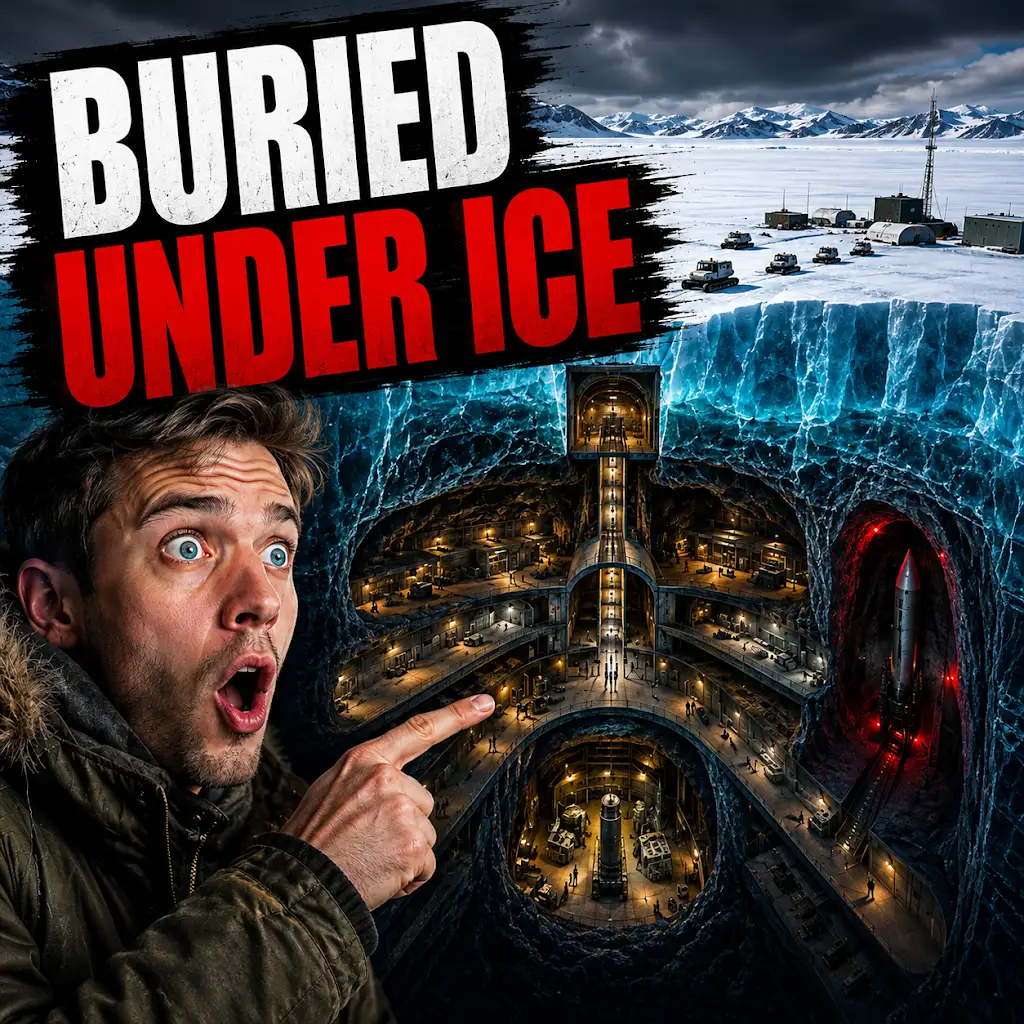
The U.S. Built a Nuclear City Under Greenland. The Ice Won.
FAQs
What is Project Iceworm?
Project Iceworm was a top-secret United States Army program during the Cold War to build a network of mobile nuclear missile launch sites under the Greenland ice sheet.
When did Project Iceworm take place?
Project Iceworm was initiated in 1959 and was active until 1967 when it was abandoned due to technical difficulties and environmental concerns.
What was the purpose of Project Iceworm?
The purpose of Project Iceworm was to establish a network of mobile nuclear missile launch sites that could be used to launch nuclear missiles against the Soviet Union in the event of a conflict.
Why was Project Iceworm abandoned?
Project Iceworm was abandoned due to the unstable and shifting nature of the Greenland ice sheet, which made it impossible to construct and maintain the underground missile launch sites.
What is the legacy of Project Iceworm?
The legacy of Project Iceworm includes the environmental impact of the abandoned military infrastructure and the political implications of the United States’ secret military activities in Greenland during the Cold War.