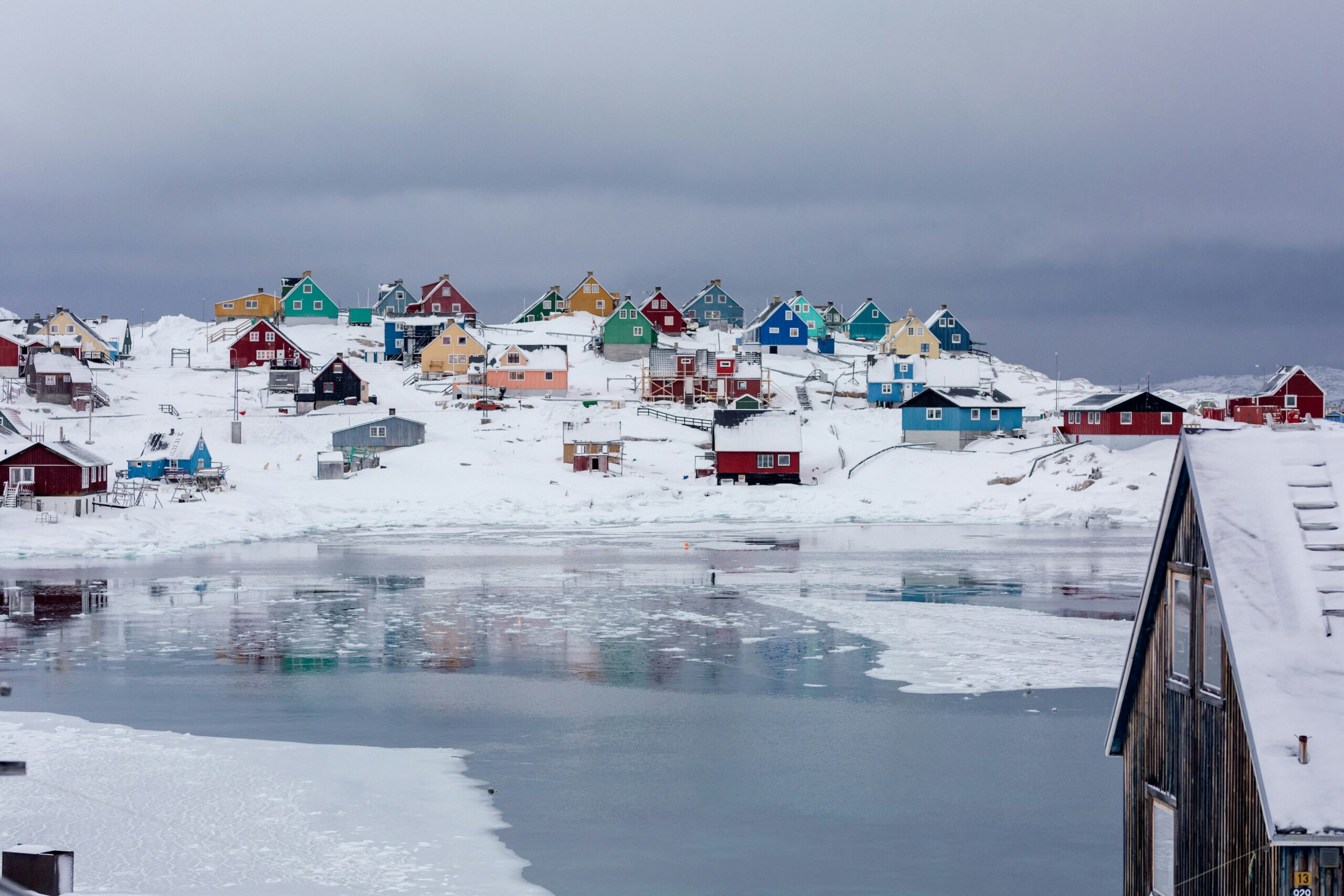
The frozen expanse of Greenland, a seemingly inhospitable realm of ice and snow, has long held secrets buried deep within its ancient heart. For millennia, its vast glaciers have acted as silent preservers, encapsulating not just the planet’s climatic history but also echoes of landscapes and life forms that have long since vanished. Recent scientific advancements, coupled with dedicated expeditions, are now peeling back the layers of ice, revealing a world as complex and surprising as any tropical rainforest. Uncovering these secrets beneath Greenland is not merely an academic pursuit; it offers profound insights into Earth’s past, its potential future, and the intricate dance between ice and life.
The sheer scale of Greenland’s ice sheet presents an unparalleled challenge and opportunity for discovery. This colossal, continent-sized frozen mass, the second largest on Earth, acts as a formidable barrier, obscuring what lies beneath. Yet, it is precisely this insulating quality that makes the subterranean world so precious. Within the ice, scientists are finding meticulously preserved samples of ancient Greenland, providing a unique snapshot of epochs long gone. From microbial life struggling to survive in extreme conditions to the ghostly outlines of ancient river systems, the discoveries are transforming our understanding of this enigmatic island.
The process of unearthing these secrets is a testament to human ingenuity and perseverance. Sophisticated ice-penetrating radar, advanced drilling techniques, and meticulous sample analysis are the tools that allow researchers to peer through the glacial veil. Each retrieved ice core, each radar ping that paints a subsurface picture, is a piece of a grander puzzle, slowly but surely revealing the hidden narratives of Greenland’s past.
Beneath the imposing weight of Greenland’s ice sheet, a world teeming with life, or at least the remnants of it, is being brought to light. For eons, many of these organisms have lain dormant, encased in ice, their survival a testament to remarkable biological adaptations. The discovery of viable ancient microbes, awakened from millennia of dormancy, has sent ripples through the scientific community, sparking debates about the limits of life and the potential for life beyond Earth.
Microbial Architects of the Subglacial Realm
The discovery of microbial communities thriving in subglacial environments has been one of the most significant revelations. These extremophiles, found in the frigid meltwater lakes and sediments beneath the ice, have evolved extraordinary mechanisms to survive in conditions that would be lethal to most life forms.
Dormant Lifeforms: A Frozen Library of Biodiversity
Scientists have successfully revived bacteria and archaea that have been frozen for tens of thousands, and in some cases, hundreds of thousands of years. These ancient microbes, once thawed, demonstrate metabolic activity and reproductive capability. This “frozen library” of biodiversity offers an invaluable resource for studying the evolution of life and the genetic adaptations that allow survival in extreme cold. Researchers are particularly interested in their unique enzymes, which can function at sub-zero temperatures, potentially holding keys to new biotechnological applications.
Biochemical Signatures: Tracing Ancient Metabolic Pathways
Even when direct revival is not possible, the chemical traces left by these ancient microorganisms can be analyzed. These biochemical signatures provide clues about their metabolic processes, their contribution to nutrient cycling in the subglacial environment, and their broader impact on the geochemistry of the bedrock and meltwater. Understanding these ancient pathways helps reconstruct the ecological processes that have shaped Greenland’s subglacial environments over geological timescales.
Fossilized Forests: Greenland’s Green Past
Perhaps the most dramatic discoveries beneath the ice are the unequivocal signs that Greenland was once a verdant, temperate landscape, adorned with forests. Fossilized remains of trees, leaves, and pollen paint a vivid picture of a past Greenland that would be unrecognizable to us today. These findings directly challenge long-held assumptions about the island’s climatic history and its susceptibility to significant warming.
The Greenland Fossil Forest: A Prehistoric Revelation
Extensive fossil deposits, uncovered through drilling and exposed by retreating glaciers, reveal the presence of ancient forests, including species of birch, alder, and pine. These fossilized trees, often found in remarkably well-preserved states, indicate that Greenland once experienced a climate warm enough to support extensive woodlands, a stark contrast to its current frigid state.
Dating the Past: Unraveling Greenland’s Climate Transitions
Radiometric dating of these fossiliferous layers provides crucial timelines for when Greenland was ice-free and enjoyed a temperate climate. These dates help scientists correlate Greenland’s climate shifts with global climate events, such as interglacial periods, and inform climate models about the potential for rapid deglaciation and subsequent warming.
Recent discoveries beneath Greenland’s ice sheets have unveiled significant geological and climatic insights, shedding light on the Earth’s past and future. For those interested in exploring more about captivating narratives surrounding lost histories and hidden truths, the article “Lost Power Found: A Captivating Documentary” offers a fascinating perspective. You can read it here: Lost Power Found: A Captivating Documentary.
Unveiling the Geological Tapestry: Greenland’s Bedrock Secrets
Beneath the thick mantle of ice lies a bedrock of immense geological significance. This ancient foundation tells a story of continental drift, volcanic activity, and the immense forces that have shaped the Earth’s crust over billions of years. Understanding Greenland’s bedrock is crucial for grasping its geological origins, its mineral potential, and its role in the broader geological history of the North Atlantic.
The Greenland Craton: A Cornerstone of Earth’s Geology
Large portions of Greenland are composed of the Greenland Craton, one of the oldest and most stable geological formations on Earth. Studying these ancient rocks offers insights into the very beginnings of our planet’s evolution, as well as the processes that led to the formation of continents.
Archean Rocks: Glimpses into the Hadean and Archean Eons
The Archean rocks found in Greenland, some of the oldest on Earth, provide direct evidence of conditions on our planet billions of years ago. These formations allow geologists to study early Earth processes, such as the formation of the first continents, the earliest signs of life through microfossil evidence, and the impact of early meteorite bombardment.
Ancient Meteorite Impacts: Scarring the Ancient Landscape
Evidence of ancient meteorite impacts, preserved within the bedrock, tells a story of cosmic bombardment that shaped early Earth. Identifying these impact structures, even if buried beneath ice, helps scientists understand the frequency and effects of such events throughout geological history, offering insights into extinction events and planetary evolution.
Subglacial Volcanic Activity: A Hidden Heat Source
Contrary to popular belief, Greenland is not devoid of geological warmth. Evidence suggests that volcanic and geothermal activity has occurred and may still be occurring beneath the ice sheet, influencing ice flow and the subglacial hydrological system.
Ancient Volcanoes: Traces of Fiery Past Beneath the Ice
Discoveries of ancient volcanic deposits and associated geological formations beneath the ice indicate periods of significant volcanic activity in Greenland’s past. These ancient volcanoes sculpted the landscape before being engulfed by ice, and their remnants provide clues about the tectonic forces that were active in the region.
Subglacial Lakes and Geothermal Heat: A Dynamic Subsurface
The presence of subglacial lakes, often detected through radar surveys, can be indicative of geothermal heat flux from the Earth’s interior. This heat can influence the melting rate of the ice sheet from below, affecting ice dynamics and potentially creating unique habitable environments for microbial life.
The Hydrological Network: Rivers, Lakes, and Meltwater Systems Under the Ice
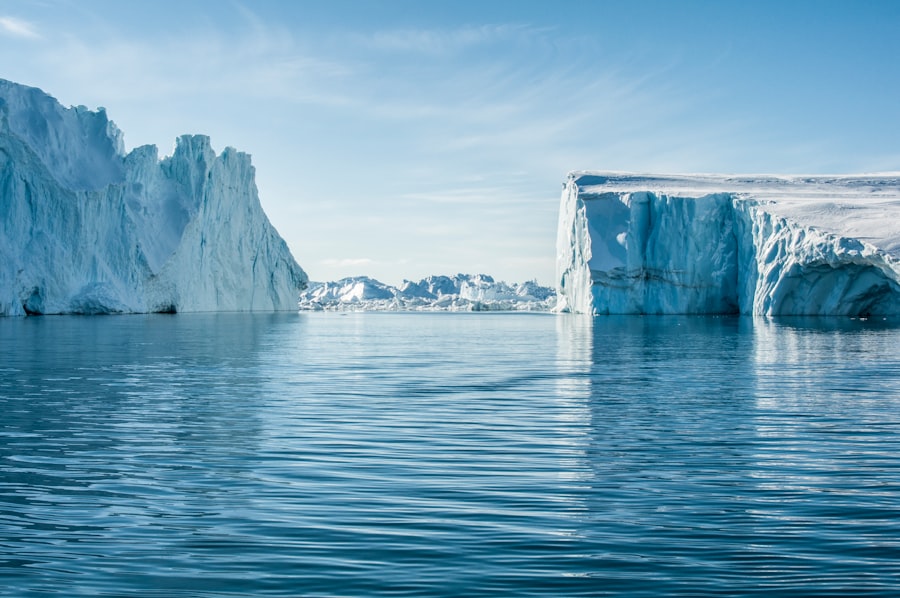
The presence of liquid water beneath the immense pressure and cold of the ice sheet is a surprising and vital aspect of subglacial Greenland. Extensive networks of rivers, lakes, and meltwater channels are being revealed, playing a critical role in the movement of ice and the transport of sediments and nutrients. These hydrological systems are not only fascinating in their own right but also hold significant implications for understanding ice sheet stability and sea-level rise.
Subglacial Lakes: Hidden Aquatic Worlds
Radar surveys have consistently revealed the existence of numerous subglacial lakes, vast bodies of liquid water trapped between the ice and the bedrock. These lakes represent unique ecosystems and are crucial for understanding the dynamics of ice flow.
Lake Vostok’s Greenland Cousins: Exploring Vast Subglacial Reservoirs
The discovery of subglacial lakes, some comparable in size to large terrestrial lakes, has been a major breakthrough. These hidden water bodies are dynamic systems, fed by meltwater from the ice sheet’s base and potentially by geothermal heat. Studying their chemistry and biology can reveal much about life in extreme environments.
Sediment Deposition and Transport: The Subglacial Waterways
The rivers and meltwater channels flowing beneath the ice are efficient transporters of sediment. These sediments can preserve a remarkably detailed record of the underlying bedrock and the erosional processes at play. Analyzing these deposits provides invaluable information about the ice sheet’s basal conditions and its erosive power.
Meltwater Channels: The Ice Sheet’s Plumbing System
A sophisticated network of channels carves through the ice, carrying meltwater from the surface to the base of the ice sheet. Understanding the structure and function of these channels is critical for predicting how meltwater drainage will influence the ice sheet’s stability, particularly in a warming climate.
Surface Meltwater and Its Subglacial Journey: A Complex Pathway
Water that melts on the surface of the ice sheet often plunges down crevasses and boreholes, eventually reaching the bedrock. Tracking this meltwater’s journey and its impact on basal lubrication is a key area of research for understanding ice sheet dynamics.
Implications for Ice Flow and Subglacial Erosion: A Lubricated Dance
The presence of liquid water at the base of the ice sheet acts as a lubricant, influencing how the ice flows towards the sea. Understanding the extent and behavior of subglacial meltwater systems is therefore crucial for accurately modeling ice sheet behavior and predicting future sea-level rise.
Greenland’s Cryosphere: A Sensitive Indicator of Climate Change
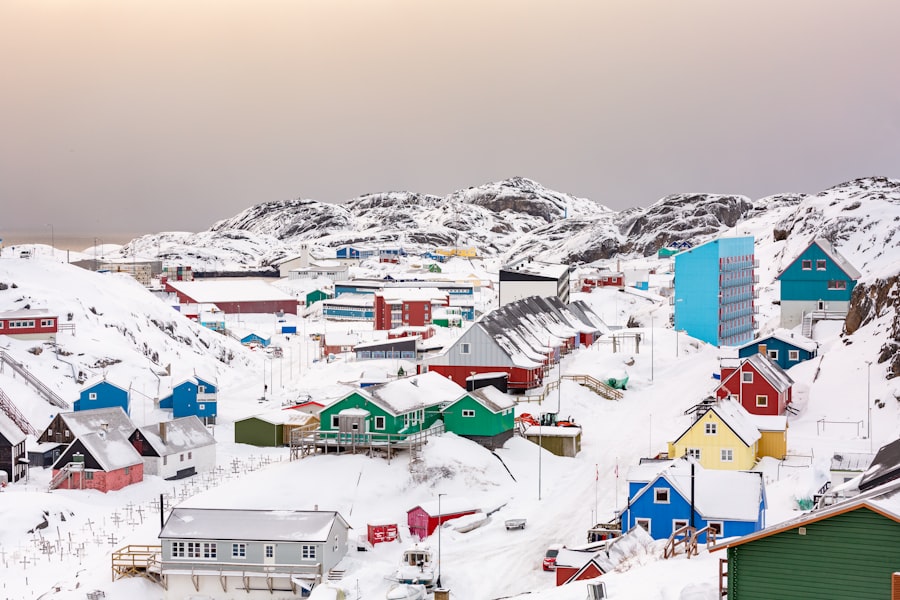
Greenland’s ice sheet is arguably one of the most sensitive indicators of global climate change. Its vastness and the profound impact of even slight temperature increases mean that changes in its ice mass, ice flow, and meltwater production are readily measurable and directly linked to rising global temperatures. The secrets unearthed beneath Greenland are therefore not just about the past but also provide critical evidence for the climate challenges of the present and future.
Ice Core Records: The Climate Chronicle of Millennia
Ice cores, drilled deep into the Greenland ice sheet, are invaluable archives of past climate conditions. Each layer of ice encapsulates trapped air bubbles, dust particles, and chemical signatures that tell the story of atmospheric composition, temperature, and precipitation over hundreds of thousands of years.
Atmospheric Composition: Unraveling Past Greenhouse Gas Levels
The air bubbles trapped within ice cores provide direct samples of the Earth’s ancient atmosphere. Analyzing these bubbles allows scientists to reconstruct past concentrations of greenhouse gases like carbon dioxide and methane, offering a clear picture of natural climate variability and the impact of human activities.
Paleoclimate Reconstruction: Understanding Past Warm and Cold Periods
By analyzing isotopic ratios and other chemical markers within the ice, scientists can reconstruct past temperatures on Greenland. This allows for a detailed understanding of past interglacial periods, periods of sustained warmth that might offer clues about future climate scenarios.
Ice Sheet Dynamics: A Moving Target
The sheer scale and complexity of the Greenland ice sheet mean that its movement and response to warming are subject to ongoing scientific investigation. Understanding how the ice sheet is changing, from its surface melt to its calving rates, is vital for predicting future sea-level rise.
Calving Glaciers: The Ice of Greenland Entering the Ocean
The massive glaciers that flow from the ice sheet into the ocean are a primary source of sea-level rise due to iceberg calving. Monitoring the rate at which these glaciers are thinning and retreating provides direct evidence of their response to warming ocean temperatures and air temperatures.
Subglacial Melt and Basal Slippage: The Hidden Drivers of Ice Loss
As mentioned, meltwater at the base of the ice sheet can significantly influence its flow. Understanding the dynamics of subglacial meltwater and its role in basal slippage is crucial for accurately quantifying ice loss and its contribution to global sea levels.
Recent studies have unveiled intriguing discoveries beneath Greenland’s ice, shedding light on the region’s geological history and climate change implications. These findings are not only significant for understanding the past but also for predicting future environmental shifts. For those interested in exploring how geopolitical dynamics in other regions, such as the Middle East, can influence global climate discussions, a related article offers valuable insights. You can read more about these challenges and opportunities in the context of geopolitics by visiting this link.
The Future of Subglacial Discovery: Beyond the Ice
| Location | Discovery | Depth |
|---|---|---|
| Greenland | Hiawatha impact crater | Over 300 meters |
| Greenland | Subglacial lake | Unknown |
The ongoing scientific endeavors in Greenland are not just about uncovering past secrets; they are critical for understanding the planet’s future. The insights gained from studying the subglacial environment provide invaluable data for refining climate models, predicting the pace of sea-level rise, and understanding the resilience of life in extreme conditions. The drive to explore this frozen frontier will undoubtedly continue, pushing the boundaries of technology and scientific understanding.
Technological Innovations: Tools for Deeper Exploration
The quest to understand what lies beneath Greenland demands continuous innovation in scientific tools and methodologies. From more advanced radar systems capable of finer resolution to autonomous drilling technologies that can operate in extreme cold, new technologies will unlock deeper and more detailed discoveries.
Advanced Radar and Imaging Techniques: Peering Deeper
Future radar systems are being developed with greater resolution and penetration capabilities, allowing scientists to map subglacial landscapes, lakes, and features with unprecedented detail. These advancements will enable more precise identification of potential research sites and a better understanding of the geological and hydrological infrastructure beneath the ice.
Subglacial Robotics and Autonomous Systems: Exploring the Unreachable
The development of robust robotic systems designed to operate in the harsh subglacial environment holds immense promise. These robots could undertake extended missions to explore subglacial lakes, map river systems, and collect samples in places too dangerous or inaccessible for human researchers.
Climate Model Refinement: Predicting a Changing Planet
The data gathered from Greenland’s subglacial discoveries are directly contributing to more accurate and robust climate models. By understanding past climate dynamics, the behavior of ice sheets, and the resilience of subglacial ecosystems, scientists can build better predictive tools to help us prepare for the impacts of a changing planet.
Quantifying Ice Sheet Contribution to Sea Level Rise: A Global Imperative
Accurate predictions of Greenland’s ice loss are paramount for global sea-level rise forecasts. The detailed understanding of ice sheet dynamics, meltwater processes, and basal conditions gained from subglacial research is directly improving these crucial predictions.
Understanding Earth’s Climate Sensitivity: Lessons from the Ice
Greenland’s ice cores and the evidence of past temperate conditions provide empirical data on Earth’s climate sensitivity – its tendency to respond to changes in greenhouse gas concentrations. Studying these historical shifts helps scientists better understand how sensitive our planet is to future warming and the potential consequences.
The secrets waiting to be uncovered beneath Greenland’s icy embrace are a testament to the dynamic and ever-changing nature of our planet. Each discovery, from the dormant microbes to the fossilized forests and the intricate hydrological networks, adds invaluable pieces to our understanding of Earth’s history, its present-day processes, and its future trajectory. As technology advances and our scientific curiosity deepens, the frozen heart of Greenland will continue to yield its extraordinary secrets, illuminating the path towards a more informed and prepared future.

This Crater Was Supposed to Rewrite Human History… It Didn’t
FAQs
What are the recent discoveries beneath Greenland?
Recent discoveries beneath Greenland include a vast canyon that is longer and deeper than the Grand Canyon, as well as a network of rivers and streams flowing beneath the ice sheet.
How were these discoveries made?
These discoveries were made using ice-penetrating radar data collected by NASA’s Operation IceBridge and other research missions. The radar data revealed the presence of the canyon and the subglacial river network.
What do these discoveries mean for our understanding of Greenland’s ice sheet?
These discoveries provide valuable insights into the dynamics of Greenland’s ice sheet and how it interacts with the underlying bedrock and water systems. Understanding these processes is crucial for predicting future sea level rise and the impact of climate change.
Why are these discoveries important?
These discoveries are important because they can help scientists better understand the potential for ice loss and sea level rise in Greenland. They also shed light on the complex and dynamic nature of the ice sheet and its underlying geology.
What are the implications of these discoveries for the environment and society?
The implications of these discoveries for the environment and society include the potential for increased sea level rise if the ice sheet were to melt at a faster rate. This could have significant impacts on coastal communities and ecosystems around the world. Understanding the dynamics of Greenland’s ice sheet is crucial for developing effective strategies to mitigate and adapt to the effects of climate change.