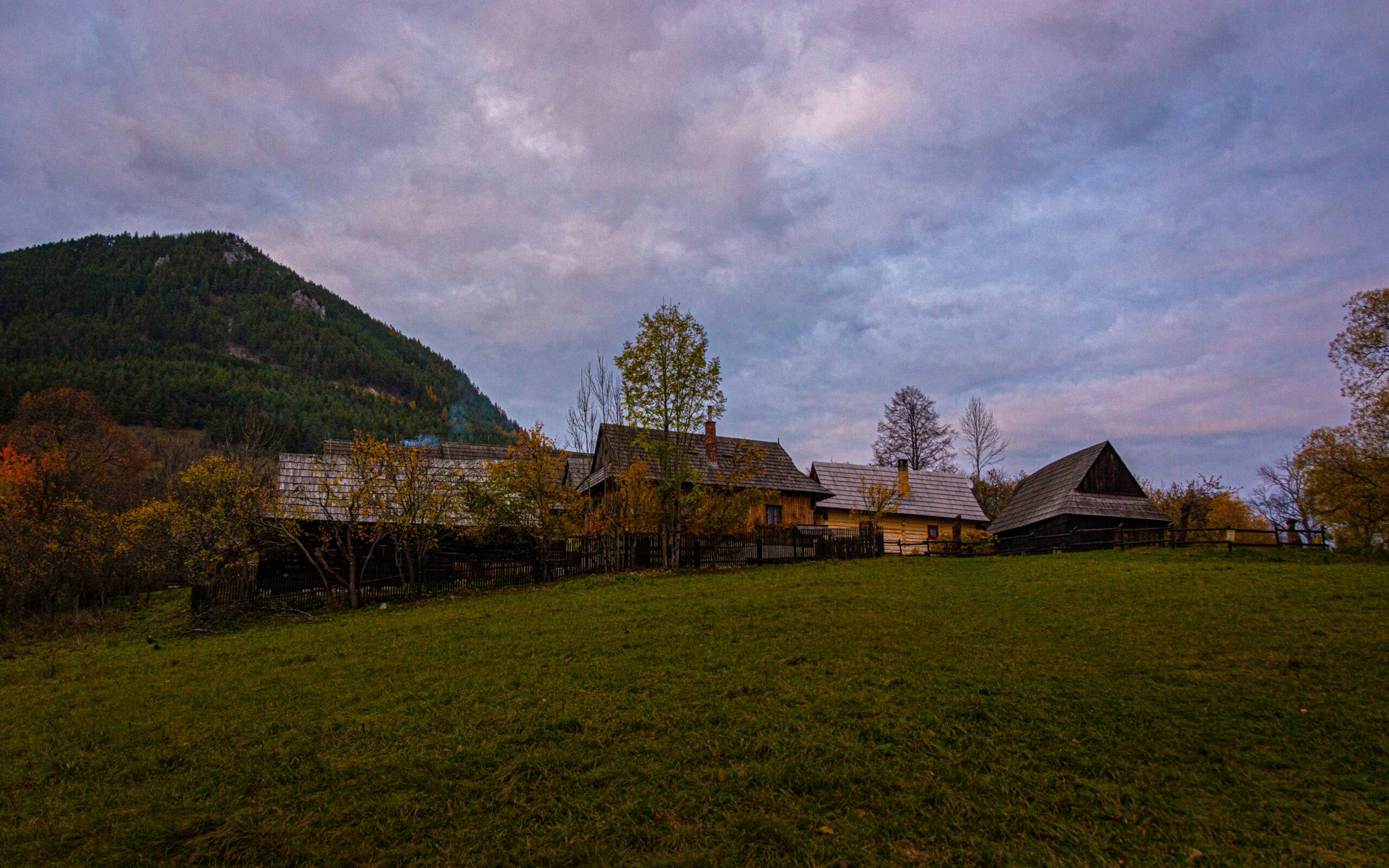
The whispers of the past have always echoed faintly across Slovakia’s rolling hills and verdant valleys. For centuries, ancient civilizations left their mark, but it is a recent discovery that has truly brought the distant echoes into sharp focus: a remarkably preserved 7,000-year-old farming village, offering an unprecedented glimpse into the lives of Europe’s earliest agriculturalists. This remarkable archaeological find, nestled in the heart of Slovakia, is not just a collection of old pots and foundations; it is a window into a foundational period of human history, revealing the ingenuity, resilience, and communal spirit of a people who laid the groundwork for settled life as we know it.
The unearthing of this ancient settlement was not a result of a singular, targeted expedition but rather a confluence of geological surveys and meticulous archaeological fieldwork. Often, such significant sites are revealed by the slow but steady hand of nature, uncovered by erosion or exposed by the construction of modern infrastructure. In this instance, preliminary geological studies in the region, aimed at understanding soil composition and potential resources, hinted at anomalies in the subterranean strata. These anomalies, subtle yet distinct, suggested the presence of human activity that predated known historical periods for extensive settlement in the area.
The Unseen Clues Beneath the Surface
Geophysicists, employing techniques such as ground-penetrating radar (GPR) and magnetic surveying, identified areas of unusual density and patterned disturbance. These readings were not indicative of natural geological formations but rather suggested the deliberate placement of structures and the presence of buried organic material. These initial findings, while intriguing, required verification and further investigation.
From Data to Dig: The Crucial Step of Excavation
It was the subsequent archaeological teams, armed with the geophysical data, who embarked on the painstaking process of excavation. Working methodically, they began to peel back the layers of time, centimeter by centimeter. The initial layers revealed more recent archaeological deposits, indicating a long history of human presence. However, as they delved deeper, the character of the findings began to shift dramatically, pointing towards a far more ancient epoch. The discovery of pottery shards with distinct, primitive decorative styles and flint tools unlike those found in later periods provided the first concrete evidence of a much older occupation.
Recent archaeological discoveries in Slovakia have unveiled a 7,000-year-old farming village, providing invaluable insights into early agricultural practices and community life in prehistoric Europe. This fascinating find highlights the significance of ancient settlements in understanding human development and adaptation to changing environments. For those interested in historical geography, a related article discusses the implications of ancient maps, including a 1513 map that reveals an ice-free Antarctica, shedding light on how early civilizations perceived their world. You can read more about this intriguing topic in the article here: Antarctica Revealed: 1513 Map Unveils Ice-Free Continent.
The Neolithic Dawn: Life on the Banks of a Forgotten River
The settlement dates back to the Early Neolithic period, a transformative era in human history when hunter-gatherer societies began to transition towards settled agriculture. This transition, a monumental shift in human behavior and societal organization, is vividly illustrated by the artifacts and structures unearthed at this Slovakian site. The location itself, near a now-vanished rivercourse, was likely chosen for its fertile alluvial soil and reliable water source, essential for early farming endeavors.
The Foundations of a New Way of Life
The most striking aspect of the discovery is the evidence of organized village planning. Unlike nomadic encampments, this settlement shows clear signs of long-term habitation. Postholes indicate the construction of substantial wooden dwellings, arranged in a discernible pattern. These were not haphazard shelters but homes designed for permanence. The presence of hearths within these structures suggests communal living and the sharing of resources.
Agricultural Innovations: Seeds of Civilization
The very essence of this village is its agricultural focus. Analysis of soil samples and the discovery of grinding stones and sickles provide undeniable proof of cultivated crops. While the exact crops are still being identified, evidence points towards early cereals like emmer wheat and barley, staples of the burgeoning agricultural revolution. The farming practices, though rudimentary by modern standards, represented a radical departure from foraging, allowing for a more predictable food supply and the potential for surplus.
Domesticated Animals: Companions in Cultivation
Beyond crops, evidence suggests the domestication of animals. Fragments of animal bones, identified through osteological analysis, point to the presence of cattle, sheep, and pigs. These animals would have provided not only food but also labor, such as plowing fields, and materials like hides and wool. The integration of animal husbandry into their agricultural system further underscores the advanced nature of their farming techniques.
Architecture of the Ancients: Homes and Hearths of the First Farmers
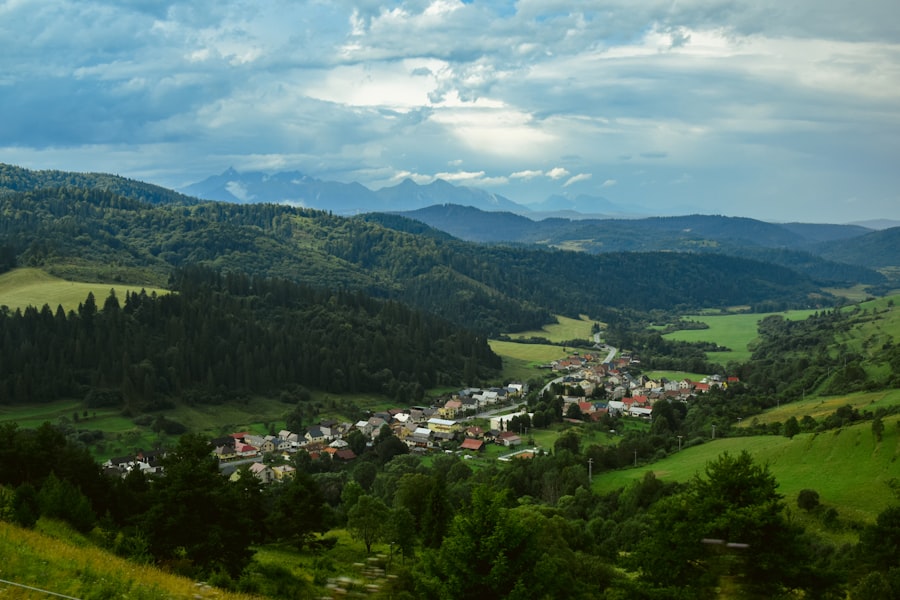
The physical remains of the dwellings provide an intimate look into the domestic lives of these early settlers. The post-holes, carefully excavated, reveal the footprints of wooden structures that once stood proudly against the elements. These were not simple huts but well-constructed homes, suggesting a level of architectural understanding and community effort.
Dwelling Design: Communal Living and Individual Spaces
The excavated house plans reveal a consistent size and layout for many of the dwellings, hinting at a degree of social organization and shared living practices. While individual homes were present, the proximity of these structures suggests a close-knit community. The discovery of internal hearths within these homes signifies their function as living spaces, centers for cooking, warmth, and social gathering.
Storage Solutions: Preserving the Harvest
The success of an agricultural community hinges on its ability to store surplus food. Evidence of pits and storage vessels found within and around the dwellings indicates sophisticated methods for preserving grains and other foodstuffs. These storage solutions were crucial for surviving lean periods and ensuring the long-term viability of the settlement.
Communal Spaces: Beyond the Individual Hearth
While individual homes were central, the discovery of larger, communal structures or open areas suggests spaces dedicated to collective activities. These might have served as gathering places for ceremonies, communal work projects, or even early forms of governance. The presence of these shared spaces highlights the social interconnectedness of the villagers.
The Material Culture: Tools, Treasures, and Tales in Clay

The artifacts unearthed from this 7,000-year-old village are not mere objects; they are tangible links to the people who created and used them. Each piece of pottery, each stone tool, tells a story of daily life, technological prowess, and aesthetic sensibilities.
Ceramic Innovations: The Art and Utility of Clay
The pottery discovered at the site is of immense archaeological importance. The distinctive forms and decorative motifs, often incised or impressed into the wet clay, provide a key element for dating and for understanding cultural connections with other Neolithic sites across Europe. These vessels served practical purposes, such as cooking, storage, and serving, but also possessed an artistic quality that reflects the creative spirit of the people.
Lithic Technology: The Enduring Flint
The presence of finely crafted flint tools, including scrapers, knives, and arrowheads, showcases the lithic technology of the time. These tools were essential for a wide range of tasks, from processing food and animal hides to shaping wood and other materials. The skill with which these tools were manufactured speaks to generations of accumulated knowledge and practiced craftsmanship.
Ornaments and Adornments: The Human Touch
Beyond utilitarian objects, the discovery of beads, pendants, and other personal ornaments reveals a desire for self-adornment and a sense of individual identity. These items, often made from bone, shell, or polished stones, offer a glimpse into the aesthetic values and social status of the individuals who wore them.
Recent discoveries in Slovakia have unveiled a remarkable 7,000-year-old farming village, shedding light on early agricultural practices in Europe. This ancient site not only highlights the ingenuity of our ancestors but also draws parallels to other historical irrigation systems, such as the sophisticated aqueducts of the Assyrian civilization. For a deeper understanding of ancient engineering marvels, you can read more about the Assyrian aqueduct in this fascinating article on reviving the ancient Assyrian aqueduct of Jerwan.
Beyond the Dig: Unlocking the Secrets of the Past
| Aspect | Details |
|---|---|
| Location | Slovakia |
| Age | 7,000 years old |
| Type | Farming village |
| Significance | One of the oldest farming villages in Slovakia |
| Discoverer | Archaeologists |
The excavation of this 7,000-year-old farming village is just the beginning of a long and intricate process of scientific analysis and interpretation. The data collected provides a rich foundation for understanding this pivotal period in human history.
Scientific Analysis: Unveiling the Microscopic Details
Advanced scientific techniques are employed to extract even more information from the unearthed materials. Radiocarbon dating provides precise chronological context for the settlement. Paleobotanical analysis of plant remains can reveal the specific crops cultivated and the surrounding environment. Osteological analysis of animal bones helps reconstruct dietary habits and animal husbandry practices. DNA analysis of human remains, if found, could shed light on migration patterns and kinship.
Reconstruction and Interpretation: Painting a Vivid Picture
Through meticulous analysis and cross-referencing with other archaeological findings, researchers are able to reconstruct a vivid picture of life in this ancient village. They can hypothesize about daily routines, social structures, economic activities, and the challenges and triumphs faced by these early agriculturalists. The ongoing work aims to understand not just what they did, but why they did it, and how their choices shaped the future of human civilization.
The Wider Significance: A Foundation for Modernity
The discovery of this 7,000-year-old farming village in Slovakia is not merely a local historical event; it has profound implications for our understanding of human history on a global scale. It provides crucial evidence of the independent development and spread of agriculture in Europe, demonstrating the ingenuity and adaptability of early human societies. This research contributes to a broader narrative of human progress, illustrating the foundational steps that led to the complex societies we inhabit today. The silent stones and fragile pottery of this ancient Slovakian settlement are, in essence, the very building blocks of our modern world.

They Found 77 Skeletons Without Heads. The Heads Are Still Missing.
FAQs
What is the significance of the 7,000 year old farming village in Slovakia?
The 7,000 year old farming village in Slovakia is significant because it provides valuable insights into the early agricultural practices and social organization of Neolithic communities in Europe.
What have archaeologists discovered at the site of the 7,000 year old farming village in Slovakia?
Archaeologists have discovered well-preserved houses, pottery, tools, and evidence of agricultural activities such as farming and animal husbandry at the site of the 7,000 year old farming village in Slovakia.
How does the discovery of the 7,000 year old farming village in Slovakia contribute to our understanding of early human history?
The discovery of the 7,000 year old farming village in Slovakia contributes to our understanding of early human history by shedding light on the transition from hunter-gatherer societies to settled agricultural communities in Europe.
What can we learn from the artifacts found at the 7,000 year old farming village in Slovakia?
The artifacts found at the 7,000 year old farming village in Slovakia provide valuable information about the daily lives, technological advancements, and cultural practices of the Neolithic people who inhabited the village.
How does the discovery of the 7,000 year old farming village in Slovakia impact our knowledge of ancient European civilizations?
The discovery of the 7,000 year old farming village in Slovakia expands our knowledge of ancient European civilizations by revealing the early development of agriculture, settlement patterns, and social organization in the region.