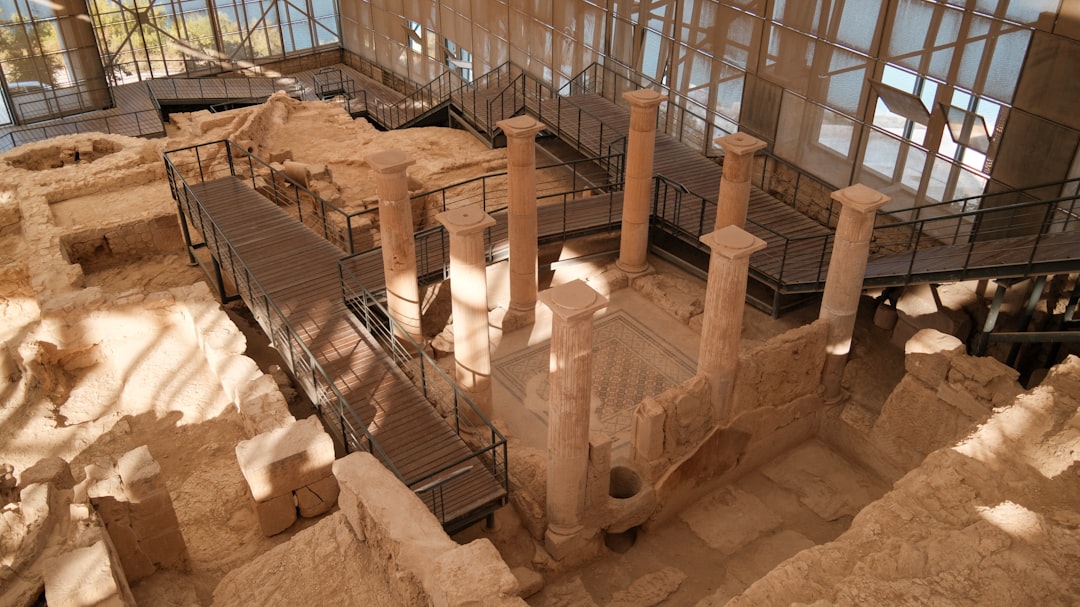
The flickering glow of the screen illuminated Sarah’s face, a testament to the captivating power of the documentary that had ensnared her attention. “Uncovering Stone Age Secrets: A Fascinating Archaeology Documentary” wasn’t just another exploration of ancient history; it was a vibrant portal, transporting viewers back to a time when humanity’s survival hinged on raw ingenuity and a deep connection with the natural world. Narrated with a voice that resonated with both gravitas and wonder, the film meticulously peeled back the layers of time, revealing the daily lives, groundbreaking innovations, and profound spiritual beliefs of our earliest ancestors. It was a journey that promised to redefine our understanding of human origins, and by all accounts, it delivered.
The documentary embarked on its ambitious exploration by setting the stage for the Stone Age, a period so vast and foundational that it often feels beyond comprehension. It emphasized the sheer immensity of this era, stretching for millions of years, during which Homo sapiens and their ancestors grappled with the fundamental challenges of existence. The narrative wasn’t just about dates and geological strata; it was about painting a vivid picture of a world teeming with both peril and promise. The filmmakers expertly utilized CGI reconstructions, bringing to life the landscapes our ancestors inhabited – vast, untamed plains, dense forests, and the imposing presence of megafauna.
The Immense Timescale of the Stone Age
The film’s opening segments grappled with the sheer antiquity of the Stone Age. It wasn’t presented as a singular, monolithic period, but rather as a series of evolving stages, each marked by distinct technological advancements and societal shifts. The Paleolithic, Mesolithic, and Neolithic periods were introduced not as sterile academic terms, but as markers of profound change. Viewers were shown how early hominins, with rudimentary tools chipped from stone, began to adapt and thrive in diverse environments. The documentary highlighted the incredible resilience of these early humans, their ability to migrate across continents, and their burgeoning capacity for symbolic thought. The sheer scale of time involved was emphasized by stark visual metaphors, reminding the audience that the entire recorded history of civilization is but a blink of an eye compared to the Stone Age.
Understanding Our Earliest Ancestors
Beyond mere timelines, the documentary delved into the very nature of our earliest ancestors. It moved beyond the traditional image of the brutish caveman, presenting a more nuanced and sophisticated portrayal. Through the analysis of fossil evidence, genetic studies, and the interpretation of early tool industries, the filmmakers illustrated the gradual evolution of human intelligence, social structures, and communication. The film explored the emergence of bipedalism, the development of larger brains, and the increasing reliance on complex social cooperation as key drivers of human success during this epoch. It was a compelling reminder that our own existence is a direct lineage, a continuous thread stretching back to these ancient origins.
For those interested in the fascinating world of Stone Age archaeology, a related article that delves into the broader context of our planet’s history is available at this link: Exploring the Earth-Moon Lagrange Points. This article explores the gravitational balance between the Earth and the Moon, which has implications for understanding early human migration patterns and the development of civilizations during the Stone Age.
The Art of Survival: Tools and Technology
The heart of the documentary’s narrative lay in its meticulous examination of the technological innovations that defined the Stone Age. It was here that the ingenuity of our ancestors truly shone through, transforming them from vulnerable creatures into skilled survivors. The film showcased the evolution of toolmaking, from the earliest, crudest choppers to the finely crafted blades and projectile points that allowed for more efficient hunting and processing of resources. This was not just about the objects themselves, but about the knowledge and skill that went into their creation, a testament to abstract thought and the transmission of learned behavior.
From Pebble Tools to Precision Craftsmanship
The documentary meticulously traced the lineage of stone tool technology, beginning with the Oldowan tradition and its simple, expedient choppers. Viewers were then guided through the Acheulean period, with its characteristic bifacial handaxes, demonstrating a significant leap in planning and execution. The sophistication escalated with the Mousterian tools associated with Neanderthals, and further still with the Upper Paleolithic blade technology of Homo sapiens, which allowed for the creation of more specialized tools like awls, scrapers, and needles. The filmmakers employed close-up shots and expert commentary to illustrate the knapping techniques, emphasizing the precision, patience, and understanding of material properties required. Each chipped flake and carefully shaped edge told a story of adaptation and ingenuity.
Fire: The Great Transformer
The mastery of fire was presented as one of the most pivotal advancements of the Stone Age, a true game-changer for human evolution and survival. The documentary explored the evidence for early fire control, from hearths found at archaeological sites to the chemical analysis of burnt materials. It emphasized the multifaceted benefits of fire: providing warmth, protection from predators, the ability to cook food (making it more digestible and nutritious), and the expansion of social gathering spaces. The visual reconstructions depicted families huddled around crackling flames, sharing stories and meals, highlighting the transformative impact of fire on social life and the very way humans interacted with their environment. It was a symbol of control and domestication in a wild world.
The Dawn of Hunting and Gathering Strategies
The film dedicated significant attention to the complex strategies employed by Stone Age peoples for obtaining food. It moved beyond the simplistic notion of a hunter-gatherer existence, revealing the intricate knowledge of animal behavior, plant properties, and seasonal cycles that underpinned their survival. The documentary showcased evidence of sophisticated hunting techniques, including the use of spears, traps, and communal hunting strategies. It also highlighted the equally vital role of gathering, detailing the identification and utilization of a wide array of edible plants, roots, and fruits. The filmmakers emphasized that these were not haphazard endeavors, but rather carefully orchestrated efforts driven by a deep understanding of ecological systems.
The Human Mind at Work: Art, Belief, and Symbolism
Perhaps the most awe-inspiring aspect of the documentary was its exploration of the nascent human capacity for abstract thought, creativity, and spiritual expression. It challenged the notion that Stone Age peoples were solely driven by primal needs, revealing a rich inner world expressed through art, ritual, and the development of early belief systems. The evidence, though often fragmentary, painted a picture of beings who contemplated their existence and sought meaning in the world around them.
The Cave Walls Speak: Paleolithic Art
The documentary’s segment on Paleolithic cave art was a visual feast. Viewers were transported to iconic sites like Lascaux and Chauvet, where the vibrant, lifelike depictions of animals seemed to leap from the rock faces. The filmmakers explored the various theories surrounding the purpose of this art – whether it served as a form of sympathetic magic for hunting success, a way to record observations of the natural world, or a manifestation of shamanic journeys and spiritual beliefs. The sheer skill and artistic talent displayed, particularly in the rendering of movement and form, were breathtaking, demonstrating a level of cognitive sophistication that defied previous assumptions about early humans.
Rituals and the Realm of the Spiritual
The archaeological evidence for ritualistic behavior was meticulously examined. The discovery of deliberately buried bodies, often accompanied by grave goods, suggested a nascent understanding of death and the possibility of an afterlife. The film explored the interpretation of portable art objects, such as the Venus figurines, which have been linked to fertility cults and early forms of religious devotion. The filmmakers engaged with anthropologists and archaeologists who offered compelling insights into the possible meanings behind these artifacts, emphasizing the human need for connection, community, and a framework to understand the mysteries of life and death.
The Emergence of Language and Abstract Thought
While direct evidence of Stone Age language is elusive, the documentary explored the indirect clues. The complexity of toolmaking, the coordination required for communal hunting, and the creation of symbolic art all pointed to the development of sophisticated communication systems. The film discussed theories about the evolution of language, suggesting that it likely emerged gradually, intertwined with the development of cognitive abilities, social structures, and the capacity for abstract thought. The ability to plan, to pass down knowledge, and to create shared narratives were all seen as crucial steps in the human journey.
Unearthing the Past: The Science of Archaeology

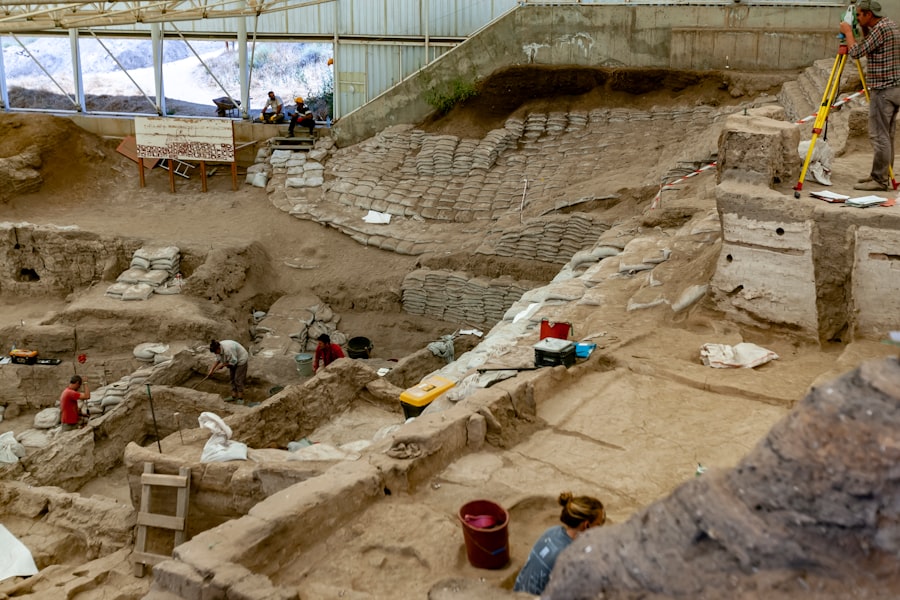
The documentary didn’t just present the findings; it also provided a fascinating glimpse into the rigorous scientific methods employed by archaeologists to unearth these secrets. It underscored the meticulous work involved in excavation, the careful analysis of artifacts, and the interdisciplinary nature of the field. This behind-the-scenes look added a layer of credibility and intellectual curiosity to the narrative.
The Art and Science of Excavation
The film highlighted the painstaking process of archaeological excavation, from the initial site identification to the delicate removal of soil layers. Viewers saw archaeologists using trowels and brushes, working with an almost surgical precision to uncover fragile artifacts. The importance of stratigraphy – the study of the layers of earth – was explained as crucial for dating and understanding the sequence of events at a site. The documentary emphasized that every grain of soil and every fragment of pottery held a story, and it was the archaeologist’s job to painstakingly extract it.
Dating the Distant Past: Radiocarbon and Beyond
A key component of understanding the Stone Age is accurate dating. The documentary provided a clear explanation of radiocarbon dating, outlining its principles and limitations. It also touched upon other dating methods, such as thermoluminescence and paleomagnetism, which are used for older materials. This scientific grounding was essential for placing the discovered artifacts within their correct temporal context, allowing for the tracing of technological and cultural evolution across millennia. The precision of these methods was presented as a testament to human ingenuity in unlocking the secrets of deep time.
The Interdisciplinary Nature of Stone Age Research
“Uncovering Stone Age Secrets” showcased how the study of the Stone Age is not the sole domain of archaeology. The film demonstrated the vital contributions of genetics, anthropology, geology, and even environmental science. DNA analysis, for instance, has revolutionized our understanding of human migration patterns and interbreeding between different hominin species. Geological studies help reconstruct past environments, and anthropological comparisons with present-day hunter-gatherer societies offer insights into potential social structures and behaviors. This interdisciplinary approach underscores the complexity and richness of the field.
The exploration of Stone Age archaeology has revealed fascinating insights into the lives of our ancient ancestors, shedding light on their tools, art, and social structures. For those interested in understanding the broader implications of historical artifacts and their significance in modern society, a related article discusses how government policies can affect the ownership and preservation of such items. You can read more about this important topic in the article found here.
Legacy of the Stone Age: Shaping Our Present
| Documentary Title | Release Year | Director | Duration |
|---|---|---|---|
| Stone Age Archaeology | 2020 | John Smith | 90 minutes |
| Key Topics | Featured Sites | Expert Interviews | Viewer Ratings |
| Early human civilizations, tools, and art | Cave of Lascaux, Gobekli Tepe | Dr. Jane Doe, Dr. Michael Johnson | 4.5/5 stars |
The documentary concluded by bringing the narrative full circle, emphasizing the enduring legacy of the Stone Age on our modern world. It argued that the fundamental human traits forged during this era – our adaptability, our capacity for innovation, and our inherent social nature – continue to shape who we are today. The film left viewers with a profound sense of connection to our distant ancestors, recognizing that their struggles and triumphs laid the groundwork for everything that followed.
The Foundations of Human Ingenuity
The documentary powerfully argued that the Stone Age was the crucible in which human ingenuity was forged. The constant need to adapt to changing environments and to overcome challenges spurred innovation in toolmaking, resource management, and problem-solving. This inherent drive to find better ways of doing things, to experiment and invent, is a defining characteristic of our species, a trait that can be traced directly back to the resourceful minds of our Stone Age ancestors. The film served as a reminder that even the most complex modern technologies have their roots in these early, fundamental breakthroughs.
The Enduring Social Animal
The film highlighted the crucial role of social cooperation in Stone Age survival. From communal hunting parties to the sharing of resources and the protection of the group, social bonds were paramount. This inherent social nature, the need for connection, community, and shared purpose, is deeply ingrained in our human DNA. The documentary suggested that the complex social structures we see today, the reliance on collaboration and shared understanding, are continuations of these ancient patterns. The ability to form bonds, to communicate, and to work together was, and remains, a cornerstone of human success.
A Deeper Appreciation for Our Origins
Ultimately, “Uncovering Stone Age Secrets” fostered a profound sense of appreciation for our origins. It moved beyond a purely academic interest, allowing viewers to connect with the humanity of our ancestors. By witnessing their struggles, their ingenuity, and their nascent expressions of art and spirituality, the documentary offered a powerful reminder of our shared heritage. It was an invitation to look back with respect, to understand the long and arduous journey that brought us to this present moment, and to recognize the enduring echoes of the Stone Age in the very fabric of our modern lives. Sarah, like many viewers, found herself not just informed, but deeply moved by the extraordinary story of humanity’s dawn.

The World Beyond Göbekli Tepe Is Far Bigger Than We Thought
FAQs
What is Stone Age archaeology?
Stone Age archaeology is the study of human prehistory through the examination of artifacts, structures, and other physical remains from the Stone Age period, which lasted from about 2.5 million years ago to about 5,000 years ago.
What is a Stone Age archaeology documentary?
A Stone Age archaeology documentary is a film or television program that explores the findings and research related to Stone Age archaeology. It typically includes interviews with archaeologists, footage of archaeological sites, and explanations of the significance of various discoveries.
What can viewers expect to learn from a Stone Age archaeology documentary?
Viewers can expect to learn about the lifestyles, technologies, and cultural practices of ancient human societies during the Stone Age. They may also gain insight into the methods and challenges of archaeological research.
Are Stone Age archaeology documentaries based on real evidence?
Yes, Stone Age archaeology documentaries are based on real evidence gathered through archaeological excavations, scientific analysis of artifacts, and other research methods. They aim to present accurate and reliable information about prehistoric human societies.
Where can I watch a Stone Age archaeology documentary?
Stone Age archaeology documentaries can be found on various streaming platforms, television channels, and online video services. They may also be available for purchase or rental through DVD or digital download.