
The unassuming slopes of Styria Ridge might appear, at first glance, to be simply another stretch of rolling countryside. However, beneath the cultivated fields and scattered woodlands lies a repository of human history, a silent testament to the peoples who shaped this landscape millennia ago. Uncovering Styria Ridge: The Logic of Archaeology embarks on a journey to decode these whispers from the past, employing the rigorous methodologies and interpretive frameworks that define modern archaeological practice. This investigation is not a treasure hunt; it is a meticulous unearthing of context, a piecing together of fragmented evidence to reconstruct narratives long lost to the mists of time.
Styria Ridge, a geographical feature characterized by its elevated plateau and commanding views, has likely held a degree of strategic significance throughout human history. Its natural elevation provided a vantage point, a place where observers could survey the surrounding territories, anticipate approaching movements, and control access to vital resources or routes. Understanding the geological and topographical attributes of Styria Ridge is the foundational step in grasping why human settlement and activity might have gravitated towards or strategically utilized this particular locale.
Geological Formation and its Influence on Human Habitation
The very earth of Styria Ridge offers clues. Formed through geological processes that dictate soil composition, water availability, and natural defenses, the bedrock and overlying strata play a crucial role in determining the suitability for human settlement.
Soil Fertility and Agricultural Potential
The type of soil present on the ridge directly impacts its potential for agriculture. Loamy soils, rich in organic matter and well-drained, would have supported more robust farming, enabling sustained populations. Conversely, thin or rocky soils might have limited agricultural output, influencing settlement size and dietary practices. Archaeological analysis of pollen and phytoliths within soil layers can reveal the types of crops cultivated and the extent of deforestation, painting a picture of past land use.
Water Sources and Drainage Patterns
The availability of reliable water sources – springs, streams, or accessible groundwater – is paramount for any settlement. The natural drainage of Styria Ridge, how water flows and collects, would have dictated where communities could establish themselves and how they managed this vital resource. The presence or absence of ancient wells, cisterns, or even evidence of water management systems provides critical data.
Topographical Advantages: Observation and Defense
The elevated nature of Styria Ridge offers inherent advantages that would have been recognized and exploited by early inhabitants.
Panoramic Viewsheds and Early Warning Systems
The sweeping vistas from the ridge would have served as natural lookout points. This allowed for early detection of approaching groups, be they migrating herds, rival communities, or potential enemies. Archaeological evidence of structures, even simple earthworks, situated on prominent points might indicate a deliberate use of the landscape for surveillance.
Natural Defenses and Fortification Potential
The slopes of the ridge could have provided natural barriers against intrusion. In periods of conflict or instability, these natural defenses would have been augmented by constructed fortifications. The discovery of ditches, palisades, ramparts, or defensive walls would unequivocally point to the strategic importance of the ridge as a place of refuge or control.
The study of Styria Ridge Logic in archaeology provides fascinating insights into ancient civilizations and their methods of knowledge preservation and transmission. For a deeper understanding of how ancient wisdom has been systematically overlooked or erased throughout history, you can explore the article titled “The Deliberate Erasure of Ancient Wisdom” available at this link. This article delves into the broader implications of how archaeological findings, such as those from Styria Ridge, can challenge our perceptions of historical narratives.
Tracing the Footprints: Early Human Presence and Occupation Patterns
The primary objective of archaeological investigation at Styria Ridge is to identify and document the presence of human activity across different epochs. This involves more than just finding artifacts; it demands understanding how and why people lived here. The spatial distribution of finds, the types of structures, and the nature of the material culture all contribute to deciphering occupation patterns.
Site Discovery and Survey Methodologies
The initial stage of uncovering Styria Ridge involves systematic surveys to locate potential archaeological sites. This process is akin to a doctor taking a patient’s pulse, assessing the overall health of the archaeological landscape.
Pedestrian Surveys and Surface Finds
Meticulous walking surveys, often conducted in a grid pattern, allow archaeologists to systematically scan the surface for visible artifacts, pottery sherds, chipped stone tools, or remnants of structures. These surface finds, though often disturbed by natural processes or later human activity, provide initial indicators of past occupation.
Geophysical Prospection Techniques
Beyond visual inspection, technologies like ground-penetrating radar (GPR) and magnetometry can “see” beneath the surface without excavation. These tools can detect buried walls, hearths, ditches, and other anomalies that would otherwise remain hidden, acting as the archaeologist’s X-ray vision.
Typological Analysis of Artifacts
The unearthed artifacts are not mere curiosities; they are the vocabulary of the past. Their forms, materials, and production techniques offer insights into the lives, technologies, and cultural affiliations of the people who created and used them.
Lithic Assemblages: Tools and Technology
The study of stone tools, from handaxes to arrowheads, reveals the technological prowess of ancient populations. The type of stone used, the knapping techniques employed, and the degree of wear on the tools can tell us about subsistence strategies, hunting practices, and even trade networks.
Ceramic Sherds and Cultural Markers
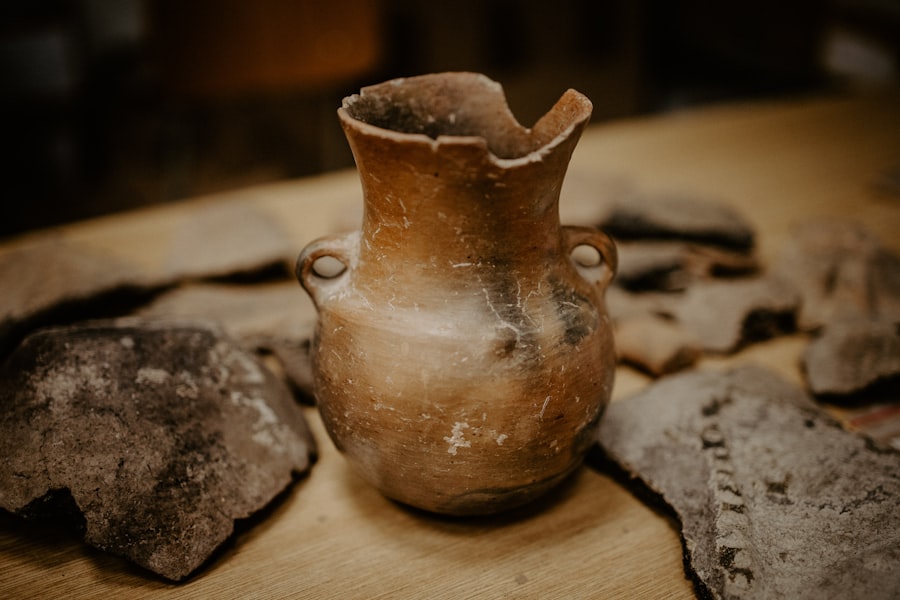
Pottery fragments, or sherds, are often abundant and highly informative. Their form, decoration, temper (the material added to the clay), and firing techniques can serve as diagnostic markers for specific cultures and time periods. The ubiquitous nature of pottery makes it a cornerstone of archaeological dating and cultural attribution.
Organic Remains and Environmental Reconstruction
While often subject to decay, the discovery of organic materials like bone, seeds, or charcoal can provide invaluable information about diet, agriculture, and the local environment. Analyzing these remains is like reading the grocery list and the shopping routes of ancient inhabitants.
The Architecture of Time: Settlement Structures and Their Evolution
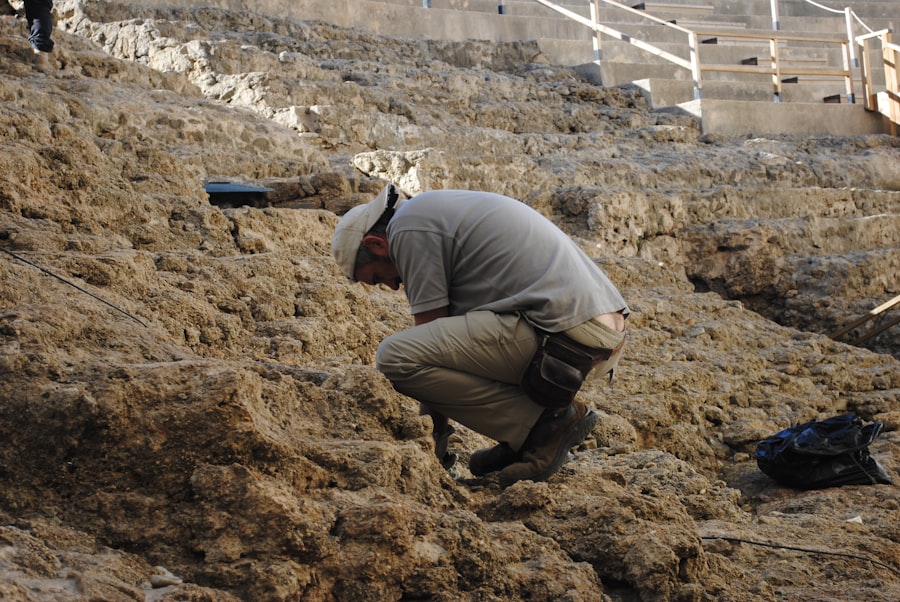
Beyond individual artifacts, the physical structures left behind by past inhabitants provide a deeper understanding of their social organization, economic activities, and technological capabilities. The way people built their homes, communal spaces, and defensive structures speaks volumes about their priorities and way of life.
Domestic Architecture: Homes and Hearth
Understanding how people lived within their dwellings offers a window into family life, social stratification, and daily routines.
Foundation Traces and Wall Remains
The discovery of foundation outlines, postholes, or remnants of stone or mudbrick walls helps archaeologists reconstruct the shapes and sizes of ancient homes. The materials used and the construction techniques employed can also reveal aspects of their technological knowledge.
In Situ Finds and Living Surfaces
Finding artifacts in their original positions within a dwelling, such as pottery on a floor or tools near a hearth, provides crucial contextual information about how those spaces were used. These “living surfaces” are like snapshots of daily life, frozen in time.
Public and Communal Structures: Beyond the Home
The presence of structures that served a community-wide purpose highlights the social and political organization of past societies.
Evidence of Agricultural Infrastructure
Discovering the remnants of granaries, threshing floors, or irrigation channels indicates organized agricultural practices and the management of resources on a larger scale.
Defensive Fortifications and Strategic Encampments
As mentioned previously, the identification of defensive structures like ramparts, ditches, or watchtowers signifies periods of instability or a deliberate strategy of territorial control. The location and scale of these fortifications can reveal the perceived threats and the level of military organization.
Unraveling the Social Fabric: Subsistence, Economy, and Exchange
The economic activities and social interactions of the people of Styria Ridge are not directly preserved but must be inferred from the archaeological record. By analyzing patterns of resource use, the types of goods present, and their distribution, archaeologists can begin to sketch out the economic and social fabric of these ancient communities.
Subsistence Strategies: Feeding the Population
The ways in which people acquired and prepared their food are fundamental to understanding their interaction with the environment and their resilience.
Faunal Remains and Hunting/Herding Practices
The analysis of animal bones can reveal whether communities were primarily hunter-gatherers, relied on domesticated livestock, or practiced a combination of both. The types of animals present, their age at death, and evidence of butchery are key indicators.
Paleoethnobotanical Evidence: Cultivation and Wild Resources
The study of plant remains, including seeds, grains, and charcoal, provides evidence of cultivated crops, gathered wild plants, and the use of wood for fuel and construction. This data helps reconstruct past diets and agricultural practices.
Trade Networks and Material Sourcing
The presence of materials not locally available signifies that these communities were part of wider networks of exchange.
Provenance Studies of Raw Materials
By analyzing the geological composition of raw materials used in artifacts, such as obsidian for tools or specific types of clay for pottery, archaeologists can determine if these materials were sourced locally or from distant regions. This is like tracking the provenance of a rare spice to understand its exotic origins.
Diffusion of Technologies and Cultural Ideas
The appearance of artifact types or decorative styles that are characteristic of other regions suggests the movement of people, ideas, or both. This can indicate the extent of cultural influence and interaction.
Recent discoveries in Styria Ridge have sparked significant interest in the field of archaeology, particularly regarding ancient navigation techniques. Researchers have drawn intriguing parallels between the artifacts found in this region and those discussed in a related article that delves into the mysteries of historical maps. For a deeper understanding of how these ancient navigators may have charted their courses, you can explore the insights presented in this article on decoding the Piri Reis map. This connection highlights the ongoing quest to unravel the complexities of our ancestors’ knowledge and skills.
Conclusions and Future Directions: The Continuing Dialogue with the Past
| Metric | Value | Description |
|---|---|---|
| Site Name | Styria Ridge | Archaeological site located in the Styria region |
| Discovered | 2018 | Year when the site was first identified |
| Excavation Area | 2,500 m² | Total area excavated during the latest dig |
| Artifacts Found | 1,200+ | Number of artifacts recovered including tools and pottery |
| Dating Period | Neolithic to Bronze Age | Estimated time period of the site’s occupation |
| Key Findings | Stone tools, burial sites, pottery shards | Significant discoveries that provide insight into ancient cultures |
| Research Team | Styria Archaeological Institute | Organization responsible for the excavation and study |
| Current Status | Ongoing Excavation | Active research and excavation continuing at the site |
The investigation of Styria Ridge is an ongoing process, a dialogue between the present and the past that is constantly evolving with new discoveries and refined methodologies. The logic of archaeology dictates that every unearthed fragment, every interpreted pattern, leads to further questions and deeper layers of inquiry.
Synthesizing the Evidence: Constructing a Narrative
The ultimate goal is to synthesize the disparate pieces of evidence into a cohesive narrative that explains the human history of Styria Ridge. This involves integrating findings from geomorphology, artifact analysis, structural remains, and environmental data.
Demythologizing and Establishing Chronologies
Archaeology seeks to replace conjecture with evidence, demythologizing past interpretations and establishing reliable chronologies for different periods of occupation. This provides a temporal framework for understanding changes over time.
Understanding the Dynamics of Change
By tracking shifts in settlement patterns, subsistence strategies, and material culture, archaeologists can begin to understand the forces that drove change in past societies – environmental pressures, social innovations, or external influences.
The Unending Quest: New Technologies and Research Avenues
The field of archaeology is not static. Advances in technology and new theoretical approaches continually open up fresh avenues for research at Styria Ridge.
Advanced Imaging and Analytical Techniques
New techniques in digital mapping, 3D modeling, and isotopic analysis offer unprecedented ways to visualize, analyze, and interpret archaeological data.
Interdisciplinary Collaboration
The most robust archaeological investigations often involve collaboration with specialists in fields such as genetics, climatology, and anthropology, broadening the scope of inquiry and enriching interpretations.
In essence, uncovering Styria Ridge is a testament to the enduring power of the archaeological method. It is a patient and systematic endeavor, built on the foundation of logic and evidence, that allows us to reconstruct the complex tapestries of human life woven into the very fabric of the landscape. The journey through Styria Ridge is a reminder that the past is not a collection of dusty relics, but a living story, waiting for us to listen.
FAQs
What is Styria Ridge in the context of archaeology?
Styria Ridge refers to a geographical area or site known for its archaeological significance, often associated with ancient human activity or historical artifacts discovered in the region.
Where is Styria Ridge located?
Styria Ridge is located in the region of Styria, which is a state in southeastern Austria, known for its diverse landscapes and historical sites.
What types of archaeological findings have been discovered at Styria Ridge?
Archaeological findings at Styria Ridge typically include tools, pottery, remnants of ancient settlements, and sometimes burial sites, which provide insights into the prehistoric and historic cultures of the area.
Why is logic important in archaeology at sites like Styria Ridge?
Logic is crucial in archaeology for interpreting findings accurately, reconstructing past human behaviors, and forming hypotheses about the site’s history based on evidence rather than assumptions.
How do archaeologists conduct research at Styria Ridge?
Archaeologists use systematic excavation, surveying, dating techniques, and analysis of artifacts to study Styria Ridge, combining fieldwork with laboratory research to understand the site’s historical context.