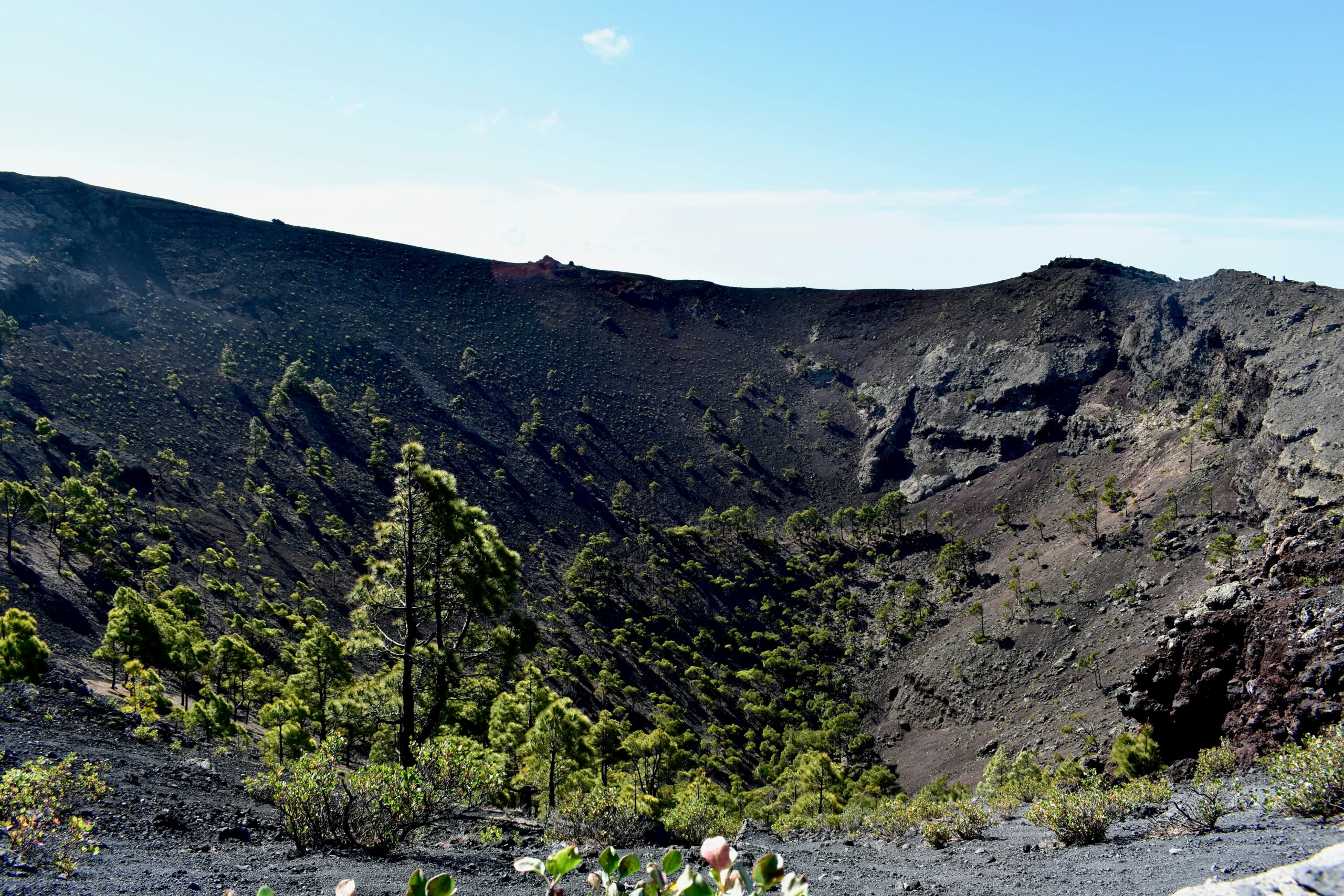
The Earth, a planet sculpted by forces both grand and subtle, occasionally reveals secrets buried for eons. Among its most profound revelations are impact craters, silent witnesses to cataclysmic events from the solar system’s violent past. The discovery of the 58-million-year-old crater, a site of immense scientific interest, offers a tantalizing glimpse into the dynamic history of our planet and the celestial neighborhood it inhabits. This colossal scar on the crust, now meticulously studied, unlocks a wealth of information about ancient Earth, the nature of cosmic impacts, and the potential for life to endure such devastating events.
The creation of any impact crater is a violent and instantaneous process, a testament to the immense kinetic energy possessed by celestial bodies hurtling through space. The impact that formed the 58-million-year-old crater was no exception. It involved the collision of a sizable extraterrestrial object – likely an asteroid or a comet – with the Earth’s surface. The precise size and composition of this impactor remain subjects of ongoing research, but its sheer power is undeniable, evidenced by the scale of the resulting depression.
The Mechanics of Impact
When an object from space strikes the Earth at hypervelocity, the interaction is not a simple indentation. Instead, it triggers a complex chain of events. The impactor’s energy is released in a flash, creating an explosion of unimaginable magnitude. This blast vaporizes a significant portion of the impactor and the target rock, excavating a vast amount of material. The resulting shockwaves propagate outward through the Earth’s crust, causing fracturing, deformation, and uplift.
Excavation and Ejection
The initial phase of crater formation is dominated by excavation. The impactor punches deep into the crust, creating a transient cavity. This cavity is unstable and quickly begins to collapse. Material is violently ejected from the impact site in all directions, forming an ejecta blanket that can extend for hundreds or even thousands of kilometers depending on the size of the impact. The characteristics of this ejecta – its distribution, composition, and structure – provide crucial clues about the impact event itself.
Shock Metamorphism and Impactites
The extreme pressures and temperatures generated during an impact cause significant changes in the terrestrial rocks. This phenomenon, known as shock metamorphism, transforms minerals into new, high-pressure phases. Quartz, for instance, can develop characteristic planar deformation features. Furthermore, melted rock, mixed with vaporized impactor material, can solidify into unique geological formations called impactites. The study of these impactites is vital for understanding the energy of the impact and the nature of the target rocks.
The Scale of the Cataclysm
The 58-million-year-old crater is not a mere pockmark; it is a feature of colossal proportions. Estimating its original diameter and depth is a complex task, as erosion and geological processes have altered its pristine form over millions of years. However, the remaining unmistakable geological signatures – the circular or slightly elliptical shape, the uplifted rim structures, and the presence of characteristic breccias and shatter cones – provide the necessary data for reconstruction. The sheer size hints at a significant impactor, one that undoubtedly would have had profound regional and potentially global consequences.
Reconstructing the Original Morphology
Geophysical surveys, including seismic imaging and gravity measurements, play a crucial role in peering beneath the surface and understanding the subsurface structure of the crater. These techniques help delineate the extent of the disturbed bedrock, identify buried impact melt sheets, and map faulting and fracturing associated with the impact. By integrating this data with surface observations, scientists can create a more accurate model of the crater’s original dimensions before it was modified by time.
The “Lost” Size: Dealing with Erosion
Over 58 million years, geological forces relentlessly work to erase evidence of past events. Erosion by wind, water, and ice gradually wears down elevated features and fills depressions. Tectonic activity can also deform or even subduct parts of a crater. Therefore, determining the original size of the 58-million-year-old crater requires careful geological detective work, accounting for the lost material and the structural modifications that have occurred.
The discovery of a 58 million-year-old crater has sparked significant interest in the scientific community, particularly regarding its implications for understanding Earth’s geological history and the potential for ancient life forms. This fascinating topic is closely related to discussions about lost civilizations and their innovations, as explored in the article on ancient technology. For more insights into how ancient advancements may have shaped our understanding of the past, you can read the article here: Uncovering Ancient Tech: Lost Civilizations’ Innovations.
Unearthing the Evidence: The Discovery and Study
The discovery of the 58-million-year-old crater was likely a gradual process, a culmination of geological mapping, geophysical anomalies, and ultimately, targeted research. Unlike younger craters that might retain a more obvious topical expression, older impact sites are often deeply eroded or buried, requiring sophisticated techniques to identify. The scientific endeavor to understand this ancient impact involves a multidisciplinary approach, drawing on fields such as geology, geophysics, paleontology, and geochemistry.
The Initial Clues
Geologists working in the region may have first noticed unusual rock formations or geological structures that differed from the surrounding bedrock. These could have been areas of intensely fractured rock, unusual mineral assemblages indicative of shock metamorphism, or large-scale circular topographic depressions that, upon closer inspection, revealed impact-related features. Geophysical surveys, often conducted for resource exploration, might have detected subsurface anomalies suggestive of a buried impact structure.
Anomalous Geological Formations
The presence of breccias – rocks composed of angular fragments cemented together – is a common indicator of impact. In an impact breccia, the fragments are typically derived from the target rocks, mixed with melt and often showing signs of crushing and deformation. Shatter cones, conical fractures with striations radiating from the apex, are another distinctive product of shock waves propagating through rock and are considered definitive evidence for hypervelocity impact.
Geophysical Signatures
Subsurface imaging techniques, such as seismic reflection and refraction, can reveal the layering and structure of the Earth’s crust. Impact craters often create distinct geophysical signatures, including a central uplift (caused by the rebound of the fractured crust after the initial excavation), a surrounding ring of faults, and a basin filled with impact melt and breccia. Gravity anomalies can also indicate the presence of a crater, as the impact process often creates variations in rock density.
The Scientific Investigation
Once a potential impact structure is identified, a rigorous scientific investigation begins. This involves a combination of field studies, laboratory analysis, and theoretical modeling. The goal is to confirm the impact origin, determine the age of the impact, and extract as much information as possible about the event and its consequences.
Field Excursions and Sampling
Field geologists meticulously map the geological features of the suspected crater, documenting rock types, structural features, and any evidence of shock metamorphism. Core drilling is often employed to retrieve samples from beneath the surface, allowing scientists to study the deeper portions of the impact structure, including any buried impact melt sheets or breccia lenses. These samples are crucial for detailed laboratory analysis.
Laboratory Analysis of Samples
The collected rock samples undergo extensive laboratory analysis. Geochemical techniques are used to determine the elemental and isotopic composition of the rocks, which can help identify any extraterrestrial material present in the impact melt or ejecta. Mineralogical studies, using techniques like X-ray diffraction and electron microscopy, reveal the presence of shock-induced mineral phases and the microstructural changes that have occurred. Radiometric dating of minerals within the impact melt or associated rocks provides the precise age of the impact event.
Dating the Event: The Cosmological Clock
Determining the age of the 58-million-year-old crater is critical to understanding its place in Earth’s history. Several methods are employed for radiometric dating, primarily focusing on minerals that formed or were altered during the impact event. Common techniques include Argon-Argon dating of melt rocks or impact glasses, and Uranium-Lead dating of zircon crystals that may have been incorporated into the impact melt. The accuracy of these dating methods allows scientists to precisely pinpoint when this colossal event occurred.
Echoes of the Past: Paleontological and Environmental Implications

The impact that created the 58-million-year-old crater was not merely a geological event; it was an environmental upheaval. The energy released would have dramatically altered the local and potentially global climate, impacting ecosystems and the life they sustained. Understanding these downstream effects provides crucial insights into the resilience and vulnerability of life on Earth.
Immediate Environmental Devastation
The immediate aftermath of the impact would have been catastrophic for the local environment. The blast wave would have flattened everything in its path, igniting widespread fires. Large quantities of dust and debris would have been ejected into the atmosphere, potentially creating an impact winter that blocked sunlight, leading to a sharp drop in temperatures. Acid rain, formed from vaporized rock and atmospheric gases, would have further devastated vegetation and aquatic life.
The Blast Zone and Its Aftermath
Within a certain radius of the impact, the ground would have been vaporized or pulverized. Beyond this zone, the intense heat and pressure would have triggered widespread wildfires. The sheer force of the impact could have caused tsunamis if the impact occurred in or near a body of water, wreaking havoc on coastal regions. The immediate landscape would have been unrecognizable, stripped bare and scorched.
Atmospheric Perturbations and Impact Winter
The massive injection of dust, soot, and aerosols into the stratosphere would have had profound and lasting atmospheric consequences. This debris would have reflected sunlight back into space, leading to a period of global cooling known as an impact winter. Photosynthesis would have been severely hampered, leading to the collapse of food webs. The duration and severity of this impact winter would have depended on the amount and type of material ejected.
Long-Term Ecological Shifts
While the immediate effects were devastating, the long-term consequences of the 58-million-year-old impact likely involved significant ecological shifts. Surviving species, those that could adapt to the altered environmental conditions, would have begun the slow process of recolonization and diversification. This period could have paved the way for new evolutionary trajectories.
Extinctions and Survivors
The impact event would have undoubtedly caused significant extinctions. Species that were particularly sensitive to changes in temperature, light levels, or food availability would have been most vulnerable. However, some organisms, particularly those that could endure harsh conditions or existed in protected refuges, would have survived. These survivors became the progenitors of future ecosystems.
The Rise of New Life
Following the period of ecological disruption, the surviving species would have experienced a release from competition and predation. This “opportunity” could have led to periods of rapid diversification and the evolution of new forms of life. The fossil record within the strata surrounding the 58-million-year-old crater, if preserved, could reveal evidence of these evolutionary radiations. Understanding the paleontological record in conjunction with the impact event is crucial for deciphering these ancient ecological dramas.
The 58 Million Year Old Crater in a Galactic Context

The discovery and study of the 58-million-year-old crater are not isolated scientific endeavors. They are part of a broader effort to understand the dynamic interplay between Earth and its cosmic environment. By studying impact craters, scientists gain insights into the frequency and nature of impacts throughout the solar system’s history, and the potential risks they pose to our planet.
Understanding Impact Frequency and Distribution
The Earth’s surface is a testament to the ongoing bombardment from space. While erosion and geological activity can erase many craters, enough survive to provide valuable data for statistical analysis. By studying craters of different ages and sizes, scientists can estimate the flux of various types of impactors and understand how this flux has changed over geological time. This knowledge is crucial for assessing future impact risks.
The Cosmic Bombardment Record
The Moon, with its airless and largely undisturbed surface, provides an unparalleled archive of the early solar system’s bombardment history. Earth, despite its erosional processes, also holds a significant record. The 58-million-year-old crater adds another data point to this cosmic bombardment record, helping to refine our understanding of the rate at which Earth is struck by celestial objects of various sizes.
Identifying Impact Swarms and Hotspots
The distribution of impact craters on Earth can sometimes reveal patterns that suggest periods of increased impact activity, perhaps due to the disruption of asteroid families or comet showers. Studying these “impact swarms” can help scientists trace the origins of impactors and understand the dynamics of the asteroid belt and the Kuiper Belt.
The Threat and Opportunity of Cosmic Impacts
While cosmic impacts can be devastating, they are also an integral part of planetary evolution. Some theories even suggest that impacts may have played a role in the delivery of water and organic molecules to early Earth, potentially contributing to the origin of life. However, the destructive potential of larger impacts also necessitates vigilance and the development of planetary defense strategies.
Planetary Defense and Risk Assessment
Understanding the frequency, size, and trajectory of potentially hazardous asteroids and comets is a cornerstone of planetary defense. The study of ancient impact craters like the 58-million-year-old one helps refine impact probability calculations and provides essential data for developing strategies to mitigate future risks. This includes identifying potential threats and developing technologies for deflection.
The Role of Impacts in Shaping Planetary Evolution
Beyond the destructive aspect, impacts have played a significant role in shaping the geological and biological evolution of planets. They can trigger volcanic activity, alter atmospheric composition, and create the conditions for the development of new ecosystems. The 58-million-year-old crater, therefore, is not just a scar but a chapter in Earth’s grand evolutionary narrative.
Recent studies of a 58 million year old crater have revealed fascinating insights into Earth’s geological history and its impact on climate. This ancient structure, located in what is now known as the North Atlantic region, offers clues about the planet’s past environments and the forces that shaped them. For those interested in understanding how historical events can influence modern economies, a related article discusses the differences in manufacturing wages between Mexico and China, highlighting how global economic shifts can trace their roots back to such geological phenomena. You can read more about this topic in the article here.
The Enduring Legacy of the 58 Million Year Old Crater
| Location | Diameter | Age | Discovery |
|---|---|---|---|
| Chesapeake Bay, USA | 85 kilometers | 58 million years | 1983 |
The 58-million-year-old crater stands as a silent yet powerful testament to the dynamic and often violent history of our planet. Its discovery and ongoing study offer a profound opportunity to unravel secrets from a distant past, illuminating not only the mechanics of celestial impacts but also the resilience of life and the ever-evolving nature of Earth itself.
A Window into Deep Time
This ancient impact site serves as a tangible link to a time long before the emergence of human civilization. It offers geological clues that allow scientists to reconstruct events that shaped the very foundations of our world. The study of the 58-million-year-old crater is a journey into deep time, providing context for our present and shaping our understanding of the future.
Reconstructing Prehistoric Earth
By analyzing the materials and structures associated with the crater, scientists can gain valuable insights into the Earth’s crustal composition, tectonic conditions, and even atmospheric conditions at the time of the impact. This information helps in building more accurate models of Earth’s past environments, contributing to a richer understanding of our planet’s evolution.
The Interconnectedness of Earth and Space
The existence of such a massive crater underscores the fundamental interconnectedness of Earth with the cosmos. It serves as a stark reminder that our planet is not an isolated entity but part of a vast and dynamic solar system, subject to the occasional, albeit rare, monumental interactions that can transform its surface and its inhabitants.
Inspiring Future Research and Exploration
The unveiling of the 58-million-year-old crater is a continuing story, promising further discoveries and pushing the boundaries of scientific knowledge. It inspires new generations of scientists to explore, question, and seek answers to the universe’s most profound mysteries. The data gathered from this impact site will undoubtedly fuel research and exploration for decades to come, enriching our understanding of planetary science and our place within the cosmos.
Technological Advancements in Exploration
The pursuit of understanding ancient impact craters often drives the development of new technologies in remote sensing, geophysical exploration, and analytical chemistry. These advancements not only enhance our ability to study these specific sites but also have broader applications in geology, resource exploration, and even planetary science beyond Earth.
The Ongoing Quest for Knowledge
The 58-million-year-old crater represents just one of many such sites waiting to be fully understood. The ongoing quest to uncover, analyze, and interpret these cosmic scars is a testament to humanity’s insatiable curiosity and its drive to comprehend the universe around us. Each new discovery, like that of this ancient impact structure, brings us closer to a more complete picture of our planet’s extraordinary past and its potential future.

This Crater Was Supposed to Rewrite Human History… It Didn’t
FAQs
What is the 58 million year old crater?
The 58 million year old crater refers to the Chicxulub crater, which is a large impact crater buried underneath the Yucatán Peninsula in Mexico. It is believed to have been formed by the impact of a massive asteroid or comet.
How was the 58 million year old crater discovered?
The Chicxulub crater was first discovered in the 1970s through the study of gravity anomalies and the presence of shocked quartz and other impact-related minerals. Subsequent drilling and geological studies have provided further evidence of its existence.
What is the significance of the 58 million year old crater?
The Chicxulub crater is significant because it is widely believed to be the impact site of the asteroid or comet that led to the mass extinction event that wiped out the dinosaurs and many other species at the end of the Cretaceous period. It has provided valuable insights into the effects of large impacts on Earth’s geology and biology.
How large is the 58 million year old crater?
The Chicxulub crater is estimated to be approximately 180 kilometers (112 miles) in diameter, making it one of the largest confirmed impact craters on Earth.
What ongoing research is being conducted on the 58 million year old crater?
Ongoing research on the Chicxulub crater includes further geological and geochemical studies to better understand the impact event and its aftermath, as well as investigations into the potential role of the impact in shaping Earth’s climate and environment. Additionally, scientists continue to study the crater to gain insights into the potential for similar impact events in the future.