
The Whispers of the Past: Unraveling Your Native American Ancestry Claims
You’ve likely heard it around the dinner table, in hushed tones during family reunions, or perhaps even from your own lips: “I think I have some Native American in me.” It’s a romantic notion, a connection to a lineage deeply rooted in the very soil of your nation. But how much truth lies beneath these family tales? Uncovering the accuracy of your Native American ancestry lore is a journey of discovery, one that requires a blend of introspection, diligent research, and a healthy dose of scientific inquiry. This isn’t about dismissing cherished family stories; it’s about honoring them with the rigor they deserve and understanding the nuances of tracing such a profound heritage.
Your personal narrative is woven with threads of inherited stories, and this particular thread, the one hinting at Native American ancestry, often carries a weight of historical significance. For many, it speaks of resilience, survival, and a connection to the land that predates modern borders. However, the historical realities of colonization, forced assimilation, and the disruption of communities have made tracing Native American ancestry particularly complex. This complexity is amplified when relying solely on oral traditions, which, while valuable, can be subject to misinterpretation, exaggeration, or the natural fading of memory over generations. Your quest to verify these claims is a commendable endeavor, one that will likely reveal as much about your family’s history as it does about your own identity.
Exploring the complexities of Native American ancestry and the accuracy of family lore is essential for understanding one’s heritage. An insightful article that delves into this topic can be found at this link, which discusses the importance of verifying family histories and the challenges that come with tracing Native American roots. By examining the intersection of personal narratives and historical records, individuals can gain a clearer picture of their ancestral connections and the significance of their cultural identity.
Navigating the Landscape of Family History: More Than Just Stories
The foundation of your investigation will undoubtedly be your existing family history. These are the stories you’ve inherited, the anecdotes passed down through generations. They are the bedrock upon which your curiosity is built. However, to truly uncover the accuracy of your Native American ancestry lore, you must learn to critically examine these narratives, looking for patterns, corroborating details, and potential areas for further investigation. It’s a process of sifting through the sediment of memory, separating the bedrock from the gravel.
The Power and Perils of Oral Tradition
Your grandmother’s vivid description of a great-great-aunt with strikingly high cheekbones and a stoic demeanor, or the recurring mention of a distant relative who lived on a reservation, are powerful starting points. These oral histories are invaluable for several reasons. They provide clues about potential ancestral lines, suggest geographic regions, and can even hint at specific tribal affiliations. They offer a qualitative richness that official records sometimes lack.
However, it’s crucial to acknowledge the inherent limitations of oral tradition. Memories can be fallible, embellished over time, or influenced by societal narratives. The romanticized image of a Native American ancestor can sometimes overshadow the harsh realities of historical discrimination that may have led families to conceal or downplay their heritage. Furthermore, the concept of “Native American” is incredibly broad, encompassing hundreds of distinct nations, each with its own unique culture, language, and history. A generalized claim might require a significant amount of investigation to pinpoint a specific lineage. The key is to treat these stories not as definitive proof, but as hypotheses to be tested.
Deciphering Genealogical Clues: The Paper Trail
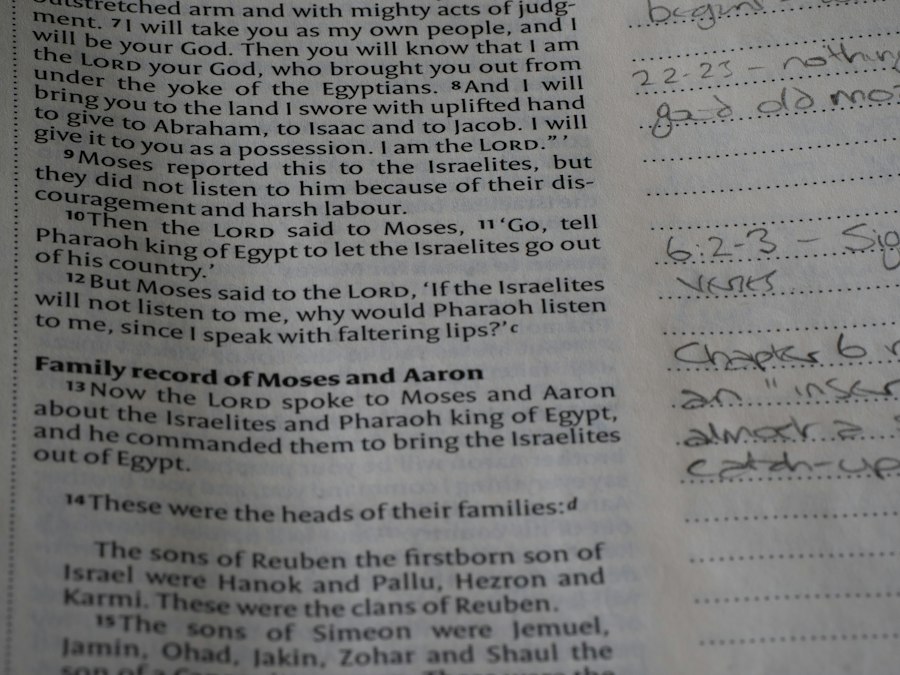
Beyond the spoken word, your family history is likely documented in various forms. These are the tangible pieces of evidence that can either support or challenge your oral traditions. Think of old family Bibles with handwritten birth and death dates, faded photographs that might offer visual hints, letters exchanged between relatives, or even existing family trees compiled by earlier generations.
Each of these documents can be a Rosetta Stone for your research. A handwritten note in a margin could mention a place of birth that aligns with a known tribal territory. A birth certificate might list parents and grandparents, allowing you to trace your lineage backward. While these records may not explicitly state “Native American ancestry,” they can provide the crucial framework to connect your oral traditions with verifiable facts. The challenge often lies in the scarcity and fragmented nature of these records, especially for earlier generations or for individuals whose lives were less formally documented. Patience and persistence are your allies here.
The Scientific Lens: DNA Testing as a Modern-Day Oracle

In recent decades, DNA testing has revolutionized the field of genealogy, offering a powerful, scientifically-backed approach to understanding your ancestral makeup. For those with a specific interest in Native American ancestry, genetic testing can provide some of the most compelling evidence, or conversely, offer a more nuanced understanding of your heritage. It’s a tool that can either confirm your family lore or provide unexpected revelations.
Understanding Your Genetic Landscape: Autosomal DNA
The most common type of DNA test for genealogical purposes is autosomal DNA testing. This test examines DNA inherited from all of your recent ancestors, across all lines of your family tree, going back approximately six to eight generations. For your quest concerning Native American ancestry, this is often the primary avenue of exploration.
When you submit a sample for an autosomal DNA test, companies compare your DNA to vast databases of people from around the world. They identify segments of your DNA that are common to specific ancestral populations. If your results show a significant percentage of DNA that aligns with Native American populations, it provides strong scientific evidence to support your family’s claims. However, it’s crucial to understand that “Native American” on a DNA report is a broad classification. The databases used by testing companies are constantly being updated and refined, and the percentages you receive are estimates. You might see a breakdown indicating percentages attributed to broader regions like “North America” or more specific groups if the database is sufficiently detailed.
Interpreting the Results: Beyond the Percentage
The percentage of Native American DNA you see on a report is just one piece of the puzzle. It’s important to interpret these results with a critical and informed perspective. A small percentage, say 1-2%, might be within the margin of error or could represent a very distant ancestor. Conversely, a higher percentage provides more robust evidence.
Furthermore, the accuracy of these results is dependent on the databases used by the testing company and the reference populations they have access to. If a company has limited reference DNA from specific Native American tribes, their ability to pinpoint your ancestry with high precision will be diminished. It’s also worth noting that many people with documented Native American ancestry may have a very small percentage of Native American DNA on autosomal tests due to intermarriage and assimilation over many generations.
The results of your DNA test should be considered alongside your genealogical research. If your DNA shows Native American ancestry and your family lore speaks of it, you have a strong case for a genuine connection. If the DNA results are different, it doesn’t necessarily invalidate your family’s stories, but it might suggest a different interpretation or a very distant, unrecorded connection. It’s a dialogue between your genes and your history.
Mitochondrial DNA and Y-DNA: Specialized Insights
While autosomal DNA provides a broad overview, other types of DNA testing can offer more specialized insights. Mitochondrial DNA (mtDNA) is inherited solely from your mother, and it traces a direct maternal line back tens of thousands of years. Y-DNA, on the other hand, is inherited from fathers and traces a direct paternal line.
For Native American ancestry, mtDNA can be particularly useful if your maternal lineage is suspected to be Native American. If your mtDNA haplogroup aligns with those commonly found in indigenous populations of the Americas, it can provide supporting evidence for your maternal line’s origins. Similarly, Y-DNA can be helpful if your paternal lineage is suspected to be Native American. However, these tests are more specialized and only trace one specific ancestral line. They are best used in conjunction with autosomal DNA and traditional genealogical research to build a comprehensive picture.
The Crucial Step: Official Records and Tribal Enrollment
While DNA offers a powerful scientific perspective and family lore provides the narrative, the most definitive proof of Native American ancestry often lies in official records, particularly those related to tribal enrollment. This is where the abstract notions of genetics and stories begin to solidify into concrete, recognized lineage. It’s the stage where your hypothesis is tested against established criteria.
The Bureau of Indian Affairs (BIA) and Tribal Rolls
The Bureau of Indian Affairs (BIA) maintains historical records, including tribal rolls and censuses, that can be invaluable for tracing Native American ancestry. These rolls were often compiled for various administrative purposes, such as land distribution, treaty negotiations, and the provision of services. Membership on these rolls is typically based on lineal descent from individuals who were members of a federally recognized tribe at a specific point in time.
To access these records, you’ll often need to know the specific tribe your ancestor may have belonged to. You can then contact the BIA or the specific tribal nation directly to inquire about their historical enrollment records. These records can provide names, dates, and relationships that can directly connect you to your ancestors and, crucially, to their tribal affiliation. This is often the gold standard for proving Native American ancestry for official purposes.
Tribal Sovereignty and Enrollment Criteria
It’s essential to understand that each federally recognized Native American tribe is a sovereign nation with its own distinct membership criteria. These criteria can vary significantly from tribe to tribe. Some tribes have very specific blood quantum requirements (a measure of the proportion of one’s ancestry that is Native American), while others focus solely on lineal descent. Some tribes may have closed their rolls to new members, while others continue to accept new applications.
Therefore, proving Native American ancestry through official records often involves meeting the specific enrollment requirements of a particular tribe. This means your genealogical research needs to be precise, aiming to establish direct lineal descent from an enrolled member or from an individual who would have been eligible for enrollment based on the tribe’s historical criteria. This is where the painstaking work of documenting birth, marriage, and death records, as well as death certificates, becomes paramount.
Exploring the complexities of Native American ancestry can often lead to intriguing family lore, but the accuracy of these stories is frequently questioned. For those interested in understanding how such narratives can be influenced by historical and cultural factors, a related article offers valuable insights. You can read more about the implications of family history and its connection to broader societal issues in this informative piece on the Dodd-Frank Act and its effects on deposits. Discover more by visiting this link.
Beyond Confirmation: The Nuances of Identity and Belonging
| Metric | Description | Typical Accuracy Range | Notes |
|---|---|---|---|
| Self-Reported Family Lore | Percentage of individuals reporting Native American ancestry based on family stories | 20% – 30% | Often overestimated due to cultural identity or family myths |
| Genetic Testing Confirmation | Percentage of individuals with genetic markers confirming Native American ancestry | 5% – 15% | Varies by population and testing method |
| Genealogical Documentation | Percentage of family lore claims supported by documented genealogical records | 10% – 25% | Depends on availability and quality of historical records |
| False Positive Rate | Percentage of family lore claims disproven by genetic or genealogical evidence | 50% – 70% | High due to common myths and misattributed ancestry |
| Impact of Regional Variation | Variation in accuracy depending on geographic and cultural context | Significant | Some regions have stronger documented Native American ancestry |
Uncovering the accuracy of your Native American ancestry lore is not solely about obtaining a percentage on a DNA report or finding a name on an old tribal roll. It’s also a journey into understanding the complex and multifaceted nature of identity, belonging, and the ongoing legacy of indigenous peoples. Your findings will inevitably lead you to contemplate these deeper questions.
The Social and Cultural Significance of Ancestry
Your ancestral connections, whether confirmed by science or family lore, carry profound social and cultural significance. For many, discovering Native American heritage is a rediscovery of a rich cultural tapestry, a connection to traditions, languages, and histories that have often been suppressed. This can lead to a desire to learn more about indigenous cultures, to engage with Native American communities, and to advocate for indigenous rights.
It’s important to approach this engagement with humility, respect, and a willingness to learn. Understand that Native American identity is not monolithic. There are diverse perspectives, experiences, and priorities within and among indigenous communities. Your journey of discovery is an individual one, but your actions and understanding should be informed by a broader awareness of the contemporary realities and historical injustices faced by Native Americans.
Navigating the Complexities of Self-Identification
Your genealogical findings will inevitably influence your sense of self. You might feel a stronger connection to your heritage, or you might find that your identity is shaped by a complex blend of ancestral influences. It’s important to remember that ancestry is just one component of identity. Your upbringing, your experiences, your relationships, and your personal choices all contribute to who you are.
For some, discovering Native American ancestry might lead to a desire to formally identify with a tribe. This is a personal decision that involves understanding the responsibilities and commitments that come with tribal membership. For others, the discovery might be a private understanding, a deepening of their personal narrative without formal affiliation. There is no single “right” way to embrace your ancestry. The most important aspect is to do so with authenticity and a commitment to understanding the history and contemporary realities of Native American peoples. Your truth, informed by diligent research and personal reflection, is what matters most.

Can Your Feet Reveal Cherokee Ancestry? Check the Evidence
FAQs
What is Native American ancestry family lore?
Native American ancestry family lore refers to the stories and beliefs passed down through generations within a family that suggest Native American heritage.
How accurate is Native American ancestry family lore?
While some family lore may be accurate, it is important to verify Native American ancestry through genealogical research and DNA testing, as family stories can sometimes be inaccurate or exaggerated.
Can DNA testing confirm Native American ancestry?
DNA testing can provide some insight into Native American ancestry, but it is not always definitive. Different DNA testing companies have varying databases and methods, so results may vary.
Why is it important to verify Native American ancestry?
Verifying Native American ancestry is important for cultural identity, tribal affiliation, and access to benefits and resources available to Native American individuals and communities.
What resources are available for researching Native American ancestry?
Resources for researching Native American ancestry include tribal records, census data, historical documents, and genealogical websites. It is also recommended to consult with tribal genealogists and historians for accurate information.