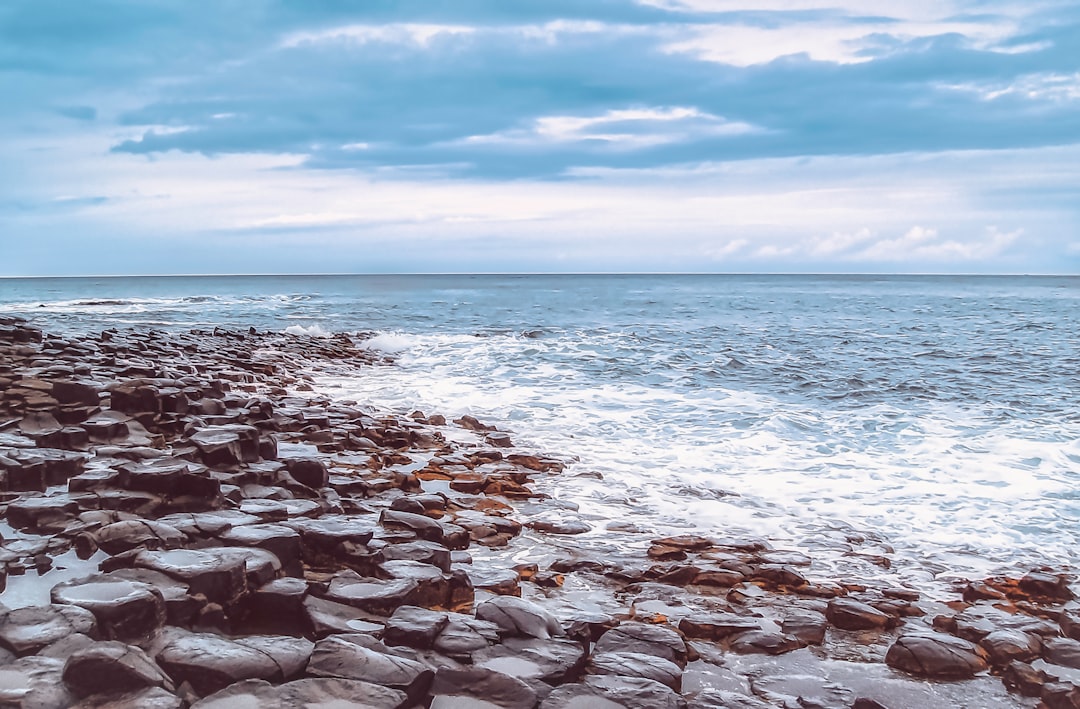
The North Sea, a body of water now synonymous with wind farms, oil rigs, and vital shipping lanes, holds within its depths a history far older and more profound than the modern industries that dominate its surface. For millennia, this dynamic region served as a cradle for human civilization, a highway for migration, and a stage for dramatic geological and climatic shifts. To uncover its ancient history is to delve into the very foundations of Northern European society, tracing the footprints of our ancestors through submerged landscapes and forgotten eras. This is a story of land that became sea, of peoples who adapted and migrated, and of a world shaped by forces both terrestrial and oceanic.
The genesis of the North Sea as we know it is inextricably linked to the last great ice age, the Pleistocene epoch. For tens of thousands of years, vast ice sheets, known as the Scandinavian and British Ice Sheets, covered much of Northern Europe. These colossal frozen expanses sculpted the landscape, carving out valleys, grinding down mountains, and depositing immense quantities of sediment. The landmass that would eventually become the North Sea basin was, for the most part, a terrestrial plain, a continuation of the European continent.
The Land Before the Sea: Doggerland and its Neighbors
During the glacial maximum, sea levels were approximately 120 meters lower than they are today. This dramatic drop in sea level exposed vast swathes of land, creating a substantial landmass known today as Doggerland. This was not simply a barren tundra; evidence suggests it was a rich and habitable environment. Rivers like the Rhine, Thames, and Elbe, which now flow into the English Channel or the North Sea separately, would have converged and flowed across this vast Plain.
Rivers of the Ancient Continent
The great rivers of Northern Europe, swollen by glacial meltwater, would have carved intricate drainage systems across Doggerland. These waterways would have been vital arteries for life, supporting diverse flora and fauna. Archaeological and geological evidence, such as preserved tree stumps and ancient riverbeds, allows scientists to reconstruct the likely course of these forgotten rivers, painting a picture of a verdant and dynamic landscape. The confluence of these major rivers likely created a vast, freshwater delta system, a rich feeding ground for both animals and the early humans who inhabited the region.
Flora and Fauna of a Lost World
The lower sea levels and the retreat of the ice sheets allowed for a flourishing ecosystem. Forests, rich in oak, pine, and birch, would have covered much of the land, providing habitat for a variety of game animals such as mammoths, woolly rhinoceros, reindeer, and aurochs. Evidence from amber deposits, often found washed ashore from submerged prehistoric forests, offers glimpses into the types of trees that once thrived. The marine and freshwater life would have been equally abundant, supporting coastal communities and providing a diverse food source.
The Ice’s Slow Retreat and the Rising Tides
As the Earth began to warm, the immense ice sheets started to melt. This glacial meltwater, a torrent of liquid ice, began to pour into the oceans, causing a slow but inexorably steady rise in global sea levels. This gradual inundation was the primary force that transformed the exposed continental shelf into the North Sea. The process was not uniform; some areas would have been inundated more rapidly than others, leading to a constantly changing coastline and the eventual isolation of Doggerland.
The Pace of Change: Millennia of Inundation
The transformation from a terrestrial plain to a sea took thousands of years. The rate of sea-level rise fluctuated, influenced by factors such as the speed of ice melt and isostatic rebound (the slow upward movement of land that was pressed down by the weight of ice). These changes had a profound impact on the human populations of the time, forcing them to adapt, migrate, or perish. Coastal erosion and flooding would have become increasingly common, gradually pushing communities inland and altering their way of life.
The ancient history of the North Sea is a fascinating topic that sheds light on the region’s past civilizations and their interactions with the environment. For those interested in understanding how ancient peoples managed their surroundings, a related article titled “Mastering Ancient Climate Control: Sophisticated Techniques for Environmental Regulation” provides valuable insights. You can read it here: Mastering Ancient Climate Control. This article explores the innovative methods used by ancient societies to adapt to climatic changes, which is particularly relevant to the study of the North Sea’s historical context.
Early Human Migrations: Colonizing a Changing Landscape
The land that would become the North Sea played a crucial role in the early peopling of Northern Europe. As the ice retreated, it opened up new territories for migration, and the North Sea region was a critical corridor for these movements. The exposed landmass of Doggerland provided a bridge between continental Europe and the British Isles, allowing early hunter-gatherer groups to venture northwards.
The Mesolithic Voyagers: Masters of the Coastal Fringe
The Mesolithic period (roughly 10,000 to 5,000 BCE) is particularly significant for the North Sea region. As Doggerland was slowly being submerged, its inhabitants became increasingly reliant on coastal resources. These Mesolithic peoples were skilled hunters, fishers, and gatherers, adept at exploiting the bounty of both land and sea. Archaeological finds, such as flint tools, bone harpoons, and remnants of fishing traps, attest to their sophisticated understanding of their environment.
Adapting to the Inundation
The rising waters may have presented challenges, but they also created new opportunities. The Mesolithic communities likely developed advanced seafaring skills, using small boats to navigate rivers, shallow seas, and to fish further offshore. The abundant fish and shellfish of the evolving North Sea ecosystem would have been a vital food source. Evidence of submerged settlements and activity sites discovered beneath the waves provides tangible proof of human presence on Doggerland as it was being reclaimed by the sea.
Evidence from the Deep: Submerged Landscapes and Artifacts
The submerged landscapes of the North Sea, particularly Doggerland, are a treasure trove for archaeologists. Sonar mapping, sediment cores, and even accidental finds by fishermen have revealed astonishing discoveries. These include hearths, tool scatters, campsites, and even preserved human footprints, offering intimate glimpses into the lives of people who lived and died on land that now lies fathoms below. The preservation conditions of the anaerobic seabed have, in some cases, been exceptional, protecting organic materials that would have long since decayed on land.
The Neolithic Revolution and the Sea: New Lifestyles Take Hold
The Neolithic period (roughly 5,000 to 2,500 BCE) brought about profound societal changes, including the development of agriculture. While the focus of early farming was often inland, the North Sea region continued to be inhabited and utilized. New populations, possibly with different cultural traditions, arrived, bringing with them new technologies and subsistence strategies.
Farming on the Shifting Shores
While the classic image of Neolithic farming might be one of settled agriculture in fertile river valleys, evidence suggests that coastal communities also adapted to these new practices. They may have practiced forms of mixed farming, combining small-scale agriculture with continued reliance on marine resources. The introduction of domesticated animals, such as sheep and cattle, would have further diversified their food production.
The Emergence of Trade and Exchange
The interconnectedness of the North Sea region, even in its ancient past, is underscored by evidence of trade and exchange. Shell deposits found far inland, and amber found far from its sources, suggest that goods and ideas travelled across significant distances. The North Sea, as it developed, would have become an increasingly important conduit for this exchange, linking communities across its shores.
The Bronze Age Seas: Navigation, Trade, and Cultural Diffusion
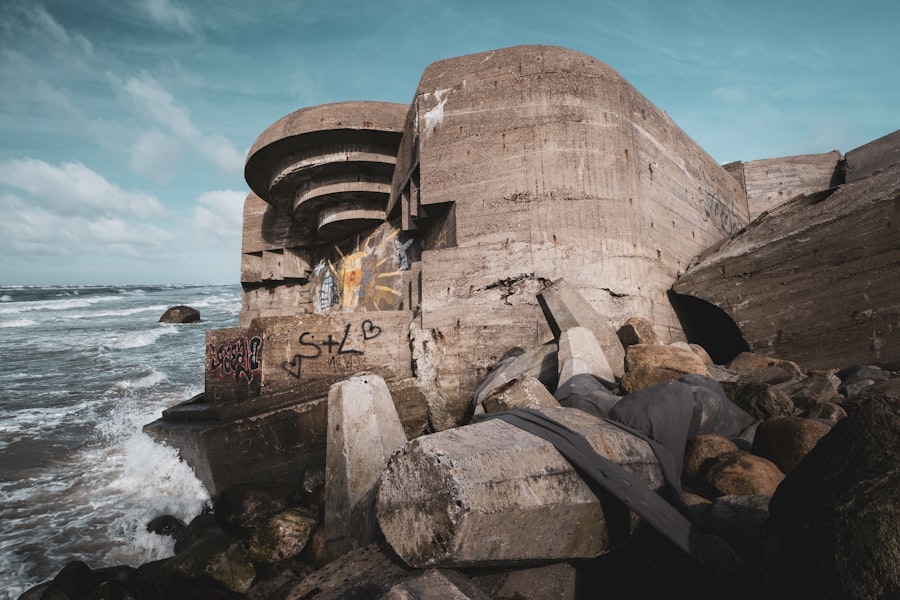
The Bronze Age (roughly 2,500 to 800 BCE) witnessed a significant increase in seafaring capabilities and the establishment of more robust trade networks. The North Sea, now a well-defined body of water, became a vital highway for the movement of goods, people, and ideas across Northern Europe.
Early Mariners: Building and Sailing Vessels
The development of more sophisticated boat-building technologies in the Bronze Age was a game-changer. Larger, more seaworthy vessels, capable of carrying greater loads and venturing further offshore, began to ply the waters of the North Sea. These early ships, likely constructed from wood and possibly incorporating elements of hide, allowed for more extensive trade and communication between different regions.
Archaeological Discoveries of Bronze Age Ships
Wrecks of Bronze Age vessels, though rare, provide invaluable insights into their construction and capabilities. The discovery of preserved ship timbers and even remarkably intact vessels offers a window into the maritime technology of the time. These findings help archaeologists understand how these ancient mariners navigated and managed their craft on the often-turbulent North Sea.
Trade Routes and Exotic Goods: Connecting the Continent
The Bronze Age North Sea was a bustling hub of trade. Metals, particularly tin and copper, were crucial for the production of bronze, and these commodities were transported across the sea. Amber, a prized commodity for jewelry and ornamentation, also travelled along these routes, often originating from the Baltic region and reaching communities as far west as Britain.
The Amber Road and the Tin Route
Specific trade routes, sometimes referred to as the “Amber Road” and the “Tin Route,” highlight the importance of the North Sea in facilitating the movement of these valuable resources. These routes were not necessarily fixed paths but rather a network of established passages that would have been known and utilized by experienced mariners. The demand for these materials spurred innovation in shipbuilding and navigation.
Cultural Exchange and the Spread of Ideas
Beyond the tangible goods, the Bronze Age North Sea also facilitated the exchange of cultural ideas. Religious beliefs, artistic styles, and technological innovations could travel with the merchants and the ships. This diffusion of culture helped to shape the development of distinct but related societies around the North Sea rim.
The Iron Age and Roman Influence: Romanization and Coastal Adaptation

The Iron Age (roughly 800 BCE to the Roman conquest) saw the continued development of maritime technology and increasing interaction between different cultures. The arrival of the Romans in Britain and their subsequent expansion into Germania brought a new layer of influence to the North Sea region, fundamentally altering its trajectory.
Pre-Roman Iron Age Societies: Developing Distinct Identities
Before the Roman intervention, the regions bordering the North Sea were home to a variety of independent Iron Age cultures. These societies, often characterized by their sophisticated metalworking and organized settlements, developed unique traditions and identities. The North Sea acted as a unifying element, facilitating interaction and, at times, conflict, between these groups.
Fortifications and Coastal Settlements
Archaeological evidence from the Iron Age, such as hill forts and fortified settlements, reveals the nature of these societies and their defensive strategies. Along the coast, settlements would have been adapted to the maritime environment, with a focus on fishing, shipbuilding, and trade. The presence of shipwrecks from this period further supports the importance of sea-based activities.
The Roman Shadow: Conquest and Commercial Integration
The Roman Empire’s expansion brought the North Sea directly under its influence. While the Romans primarily focused on conquering Britain and securing their northern frontier, their presence had a ripple effect across the entire region. They established ports, facilitated trade, and introduced new administrative structures.
Roman Ports and Naval Presence
The Romans recognized the strategic importance of the North Sea. They established naval bases and ports such as Rutupiae (Richborough) in Britain and, further afield, influenced the development of coastal infrastructure. This Roman naval presence not only served military purposes but also protected and promoted maritime trade, integrating the North Sea further into the wider Roman economic system.
The Impact of Roman Trade on Coastal Communities
The Roman demand for goods, including agricultural produce and raw materials, stimulated trade along the North Sea coast. Coastal communities, whether within Roman territories or on the periphery, would have benefited from this increased commercial activity. This integration, however, also meant increased vulnerability to Roman policies and fluctuations in the Roman economy.
The North Sea has long been a subject of fascination for historians and archaeologists, particularly regarding its ancient history and the civilizations that once thrived in its waters. Recent discoveries have shed light on the potential connections between various cultures, leading to intriguing theories about lost civilizations. For those interested in exploring this topic further, a compelling article discusses the enigmatic Piri Reis map and its implications for understanding ancient maritime navigation and geography. You can read more about it in this insightful piece on uncovering the lost civilization.
The Legacy Beneath the Waves: Preserving a Submerged Past
| Time Period | Event |
|---|---|
| 10,000 BC | First evidence of human presence in the North Sea region |
| 3,000 BC | Development of advanced maritime technology by the people of the North Sea |
| 800 BC | Establishment of trade routes and cultural exchange in the North Sea region |
| 43 AD | Roman conquest of parts of the North Sea coast |
| 5th-7th century | Migration period and the arrival of Germanic tribes in the North Sea region |
The North Sea continues to yield its ancient secrets, offering an unparalleled opportunity to reconstruct prehistory and early history. The dynamic nature of the seabed, coupled with human activities like dredging and offshore construction, constantly uncovers new archaeological sites and artifacts.
The Challenge of Underwater Archaeology
Excavating and preserving artifacts from the submerged North Sea presents unique challenges. The marine environment is harsh, and the cost and technical expertise required for underwater archaeology are substantial. Despite these difficulties, advancements in technology have made previously inaccessible sites more explorable.
Technologies for Exploration and Excavation
Modern underwater archaeology utilizes a range of sophisticated tools. Sonar, multibeam echo sounders, and remotely operated vehicles (ROVs) allow for detailed mapping of the seabed and the identification of potential archaeological features. Divers equipped with specialized tools can then carefully excavate and document sites, ensuring the preservation of fragile artifacts for further study on land.
Modern Discoveries and Ongoing Research
Each year brings new and exciting discoveries from the North Sea. These findings continue to refine our understanding of ancient human behavior, migration patterns, and the environmental history of the region. The ongoing research is a testament to the enduring importance of this watery expanse in shaping the history of Northern Europe.
The Doggerland Project and Beyond
Dedicated research projects, such as the ongoing studies of Doggerland, are bringing together archaeologists, geologists, and palaeoecologists to create a comprehensive picture of this lost world. The interdisciplinary approach is crucial for understanding not only the human story but also the dramatic environmental changes that occurred.
The Future of North Sea Archaeology
As our technologies advance and our understanding of the marine environment deepens, the North Sea promises to reveal even more of its ancient history. The submerged landscapes and the artifacts they contain hold the keys to unlocking a deeper appreciation of our shared past, reminding us that beneath the modern seas lies a rich tapestry of human experience. The ongoing exploration of this underwater realm is not just about recovering lost objects; it is about understanding the deep roots of human presence in Northern Europe and the powerful forces that have shaped our world.

The Forgotten World Beneath the North Sea
FAQs
1. What is the North Sea’s ancient history?
The North Sea has a rich ancient history dating back to the Stone Age, with evidence of human settlements and trade routes dating back thousands of years.
2. What ancient civilizations were present around the North Sea?
Ancient civilizations such as the Celts, Romans, and Vikings had a significant presence around the North Sea, leaving behind artifacts and evidence of their influence in the region.
3. What archaeological discoveries have been made in the North Sea?
Archaeologists have uncovered ancient shipwrecks, submerged settlements, and artifacts such as tools, weapons, and pottery, shedding light on the ancient history of the North Sea region.
4. How did ancient people interact with the North Sea?
Ancient people relied on the North Sea for fishing, trade, and transportation, using its waterways to connect with neighboring regions and cultures.
5. What impact did the North Sea’s ancient history have on modern society?
The ancient history of the North Sea has contributed to our understanding of early human migration, trade networks, and cultural exchange, shaping the development of modern societies in the region.