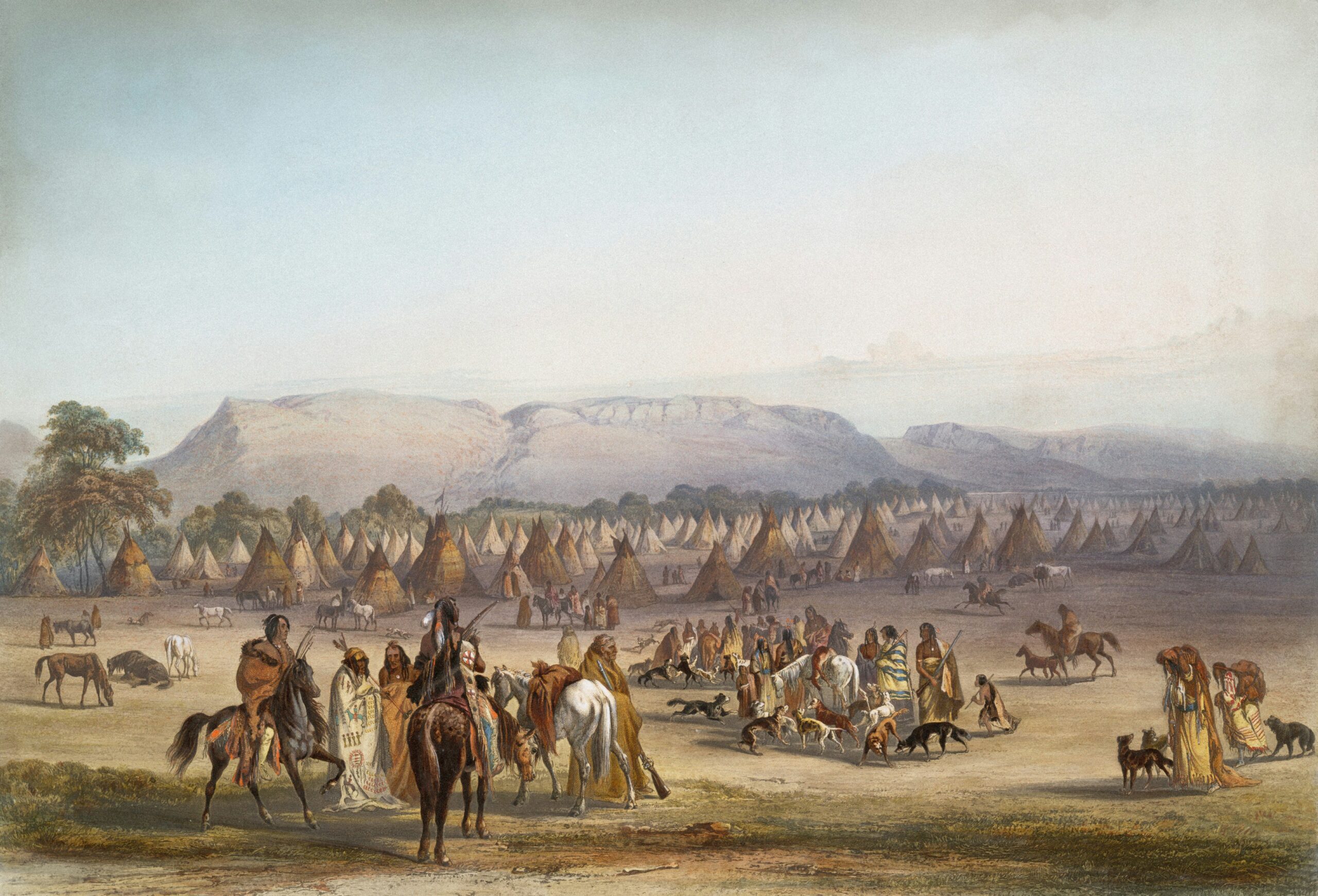
The whispers of the past, often carried on the winds that sweep across vast plains and through ancient forests, have for centuries alluded to a figure of immense power and wisdom, a being known only as “The Ancient One.” This enigmatic entity, a cornerstone of numerous indigenous mythologies across North America, has been the subject of countless stories, rituals, and spiritual explorations. While the exact nature and form of The Ancient One remain steeped in the sacred mysteries of oral traditions, the persistent thread woven through these narratives points towards a profound connection to the very land and its original inhabitants – the Native American peoples. This article delves into the rich tapestry of indigenous beliefs, seeking to uncover the deep-rooted Native American heritage that forms the very essence of The Ancient One.
The Cosmic Weaver and the Origin Stories
The concept of an “Ancient One” or a primordial creator deity is not unique to any single tribe but rather a recurring motif across a vast spectrum of Native American cosmologies. These origin stories, passed down through generations via oral tradition, serve as the foundational narratives of how the world, humanity, and all life came to be. Within these intricate tales, the figure often embodies a primal force, a singular consciousness that existed before the separation of sky and earth, before the formation of mountains and rivers, and before the dawn of humanity.
The Great Spirit: A Universal Archetype
In many Plains tribes, this primordial force is often referred to as the Great Spirit or Wakan Tanka. This term is not a singular, anthropomorphic god in the Western sense, but rather a complex spiritual reality encompassing all that is, was, and will be. The Great Spirit is the ultimate source of all life, the creator of the universe, and the sustainer of all existence. The Ancient One, in this context, can be seen as an embodiment or a manifestation of this ultimate power, a more specific representation of the creative and ordering force that shaped the world. The concept of the Great Spirit underscores the interconnectedness of all things, a central tenet of many indigenous philosophies, and the Ancient One, as an aspect of this Spirit, inherits this profound connection.
The Sky Woman and the World’s Beginning
Among the Iroquois Confederacy, the origin story often centers around Sky Woman. Falling from a celestial realm, she lands on a primordial turtle’s back, which eventually becomes the Earth. With the assistance of various animals, she cultivates the land and brings forth life. While Sky Woman is a distinct figure, the guiding force or ultimate intent behind her journey and the subsequent creation of the world can be attributed to a similar, overarching ancient power – an Ancient One that facilitated this fundamental act of creation. This narrative highlights the matriarchal aspects present in some indigenous creation myths, with the feminine principle playing a crucial role in the genesis of life.
The Creator and the Emergence of Humanity
Many Southwestern tribes, such as the Navajo, have intricate Emergence Narratives. These stories describe humanity’s journey through successive underworlds to reach the current world. Within these narratives, a powerful creator figure, often referred to as Hashchésh, the Holy People, or a singular Creator, orchestrates this emergence. The Ancient One, in these traditions, represents the primeval intelligence that initiated and guided this long and arduous process, ensuring the survival and eventual flourishing of humanity and other beings. These emergence stories emphasize resilience, transformation, and the cyclical nature of existence, all qualities that could be ascribed to an Ancient One.
The Ancient One, also known as Kennewick Man, has sparked significant interest regarding Native American ancestry and the complexities of cultural heritage. For those looking to explore related themes of historical narratives and their implications in modern contexts, an insightful article can be found at Understanding Bank Bail-Ins and Dodd-Frank. While the article primarily discusses financial regulations, it also touches on how historical events shape contemporary societal structures, paralleling the discussions surrounding the Ancient One’s legacy and its impact on Native American identity.
The Guardians of the Sacred and the Keepers of Balance
Beyond the initial act of creation, The Ancient One is frequently depicted as a guardian of the sacred, a steward of the natural world, and a keeper of cosmic balance. This role underscores the deep reverence Native American cultures hold for the environment and their understanding of the intricate web of life. The Ancient One’s presence is felt in the rustling leaves, the flowing rivers, the soaring eagles, and the silent mountains, embodying the inherent sacredness of the Earth.
The Spirit of the Land: A Living Entity
Many indigenous traditions view the land not as a passive resource but as a living, breathing entity, imbued with spirit. The Ancient One is often intrinsically linked to this Spirit of the Land. This connection is not merely symbolic; it is a tangible recognition of the Earth’s power, its ability to sustain life, and its capacity to both nurture and challenge. The Ancient One, in this capacity, represents the collective consciousness of the land, its ancient wisdom, and its enduring strength. This perspective fosters a profound sense of responsibility towards the environment, a responsibility that is both spiritual and practical.
The Balance of Opposites: Harmony in Nature
Native American philosophies often emphasize the Balance of Opposites: day and night, male and female, light and dark. The Ancient One is seen as a force that maintains this delicate equilibrium, ensuring that no single force dominates and that all elements exist in harmony. This principle extends to the human relationship with the natural world, where balance is crucial for survival and well-being. When this balance is disrupted, it is believed that disharmony and misfortune can follow. The Ancient One acts as a constant reminder and a force that strives to restore this essential equilibrium.
The Protector of Sacred Sites: Places of Power
Certain geographical locations – mountains, springs, caves, ancient groves – are considered sacred by Native American tribes, places where the veil between the physical and spiritual worlds is thin. The Ancient One is often believed to reside in or protect these Sacred Sites. These are places of pilgrimage, reflection, and spiritual communion. The reverence shown to these sites and the stories associated with them further solidify the Ancient One’s connection to the very fabric of the land and its spiritual energy. These sites are not merely beautiful landscapes; they are potent loci of spiritual power and connection.
The Wisdom Giver and the Teacher of Life
The Ancient One is not only a creator and guardian but also a profound source of wisdom and a teacher of life’s fundamental lessons. Through stories, visions, and spiritual guidance, the Ancient One imparts knowledge essential for living a good and fulfilling life, both for individuals and for the community. This wisdom often revolves around respect, responsibility, and the interconnectedness of all beings.
The Great Teacher: Lessons in Survival and Spirituality
In many traditions, the Ancient One is the Great Teacher, imparting vital knowledge that enabled indigenous peoples to thrive in diverse environments. This includes understanding plant and animal behavior, weather patterns, and the principles of sustainable living. However, the teachings extend far beyond the practical. The Ancient One teaches about morality, ethics, the importance of community, and the nature of the spiritual realm. These lessons are not delivered through formal schooling but through observing nature, listening to elders, and engaging in spiritual practices.
The Vision Quest: Seeking Guidance from the Ancient
The Vision Quest is a transformative spiritual practice undertaken by many young men (and sometimes women) in various Native American cultures to seek guidance, strength, and a personal connection with the spiritual world. During these solitary journeys, often in remote wilderness areas, individuals may have profound visions and encounters with spiritual beings, including manifestations of the Ancient One. These visions are believed to provide direction for their lives, revealing their purpose, responsibilities, and spiritual path. The Ancient One, through these visions, becomes a personal guide and mentor.
The Storyteller: Preserving Ancestral Knowledge
The Storyteller is a revered figure in indigenous societies, responsible for preserving and transmitting the collective knowledge and history of their people. The stories of the Ancient One are central to this oral tradition, carrying within them layers of meaning, wisdom, and spiritual insight. By recounting these narratives, storytellers ensure that the lessons of the Ancient One are passed down, keeping the ancestral wisdom alive and relevant for future generations. These stories are not mere entertainment; they are living embodiments of cultural memory and spiritual guidance.
The Shaper of Destinies and the Bringer of Change
While often depicted as a stable and enduring presence, the Ancient One also plays a role in shaping destinies and facilitating change. This can manifest in the cycles of life and death, the coming of seasons, and the broader unfolding of events within the universe. The Ancient One’s influence is subtle yet pervasive, guiding the natural progression of existence.
The Cycles of Life and Death: A Cosmic Rhythm
The Cycles of Life and Death are fundamental to the understanding of the universe in many indigenous cultures. The Ancient One is intricately linked to these cycles, representing the eternal flow of existence. Death is not an end but a transition, a return to the spiritual realm from which all life originates. The Ancient One ensures that this cosmic rhythm is maintained, a perpetual process of renewal and transformation. This perspective offers a profound sense of peace and acceptance regarding mortality.
The Winds of Change: Adaptation and Resilience
The Winds of Change are a metaphor for the inevitable shifts and transformations that occur in life. The Ancient One, as a force of creation and continuity, also embodies the capacity for adaptation and resilience. Indigenous peoples have faced immense challenges throughout history, and their ability to persevere and maintain their cultural identities is a testament to the strength and wisdom that the Ancient One represents. This aspect highlights the dynamic nature of existence and the importance of flexibility and strength in the face of adversity.
The Prophecy and the Future: Guiding the Path Forward
In some traditions, the Ancient One is associated with Prophecy and the Future. These prophecies are not deterministic predictions but rather insights into potential pathways and spiritual guidance for navigating the challenges ahead. The Ancient One, through visions or the interpretations of signs in nature, can offer glimpses into what may come, encouraging wise choices and a continued adherence to spiritual principles. This aspect underscores the belief that the past, present, and future are interconnected and that spiritual guidance can illuminate the path forward.
The Ancient One, also known as Kennewick Man, has sparked significant interest in the study of Native American ancestry and the broader implications of ancient human migrations. Recent discussions around this topic can be further explored in an article that examines the economic impacts of globalization, particularly how nearshoring affects inflation. For a deeper understanding of these interconnected themes, you can read more about it in this insightful piece on the subject. Check it out here: the impact of nearshoring on inflation.
The Enduring Legacy and the Modern Relevance
The concept of The Ancient One, deeply embedded within the rich tapestry of Native American heritage, continues to hold profound significance today. Far from being a relic of the past, these ancient beliefs offer valuable insights and guidance for navigating the complexities of the modern world. The rediscovery and appreciation of these indigenous spiritual traditions are increasingly recognized as vital for fostering a deeper connection to the Earth and for promoting a more balanced and sustainable way of life.
The Call to Respect the Earth: An Environmental Imperative
In an era of environmental crisis, the teachings of the Ancient One, as embodied in Native American traditions, offer an urgent Call to Respect the Earth. The inherent understanding of the land as a sacred, living entity, rather than a mere resource, provides a powerful antidote to the destructive practices that have led to ecological degradation. Embracing the wisdom of indigenous stewardship is not only an act of cultural appreciation but also an environmental imperative for the survival of all life.
Spiritual Resilience and Cultural Preservation: Keeping the Flame Alive
The enduring presence of The Ancient One in indigenous narratives speaks to the remarkable Spiritual Resilience and Cultural Preservation of Native American peoples. Despite centuries of oppression and attempts at assimilation, their core spiritual beliefs and traditions have persevered. The ongoing efforts to revitalize these traditions, to share their wisdom, and to honor their ancestral heritage are crucial for maintaining cultural identity and for fostering a sense of pride and continuity. The Ancient One remains a potent symbol of this enduring spirit.
Interconnectedness and Collective Well-being: A Universal Message
Ultimately, the legacy of The Ancient One transcends tribal boundaries and offers a Universal Message of Interconnectedness and Collective Well-being. The emphasis on the interconnectedness of all life, the importance of balance, and the profound respect for the natural world are lessons that resonate deeply in today’s globalized and often fractured society. By understanding and appreciating the Native American heritage that forms the essence of The Ancient One, humanity can gain valuable insights for fostering harmony, sustainability, and a deeper sense of purpose in the world. The whispers from the ancestral lands continue to offer guidance, if only we are willing to listen.
Kennewick Man’s Skull Said One Thing. DNA Said Another.
FAQs

What is the significance of The Ancient One in Native American ancestry?
The Ancient One, also known as Kennewick Man, is a 9,000-year-old skeleton discovered in Washington state. The remains have provided valuable insights into the ancestry and history of Native American populations.
How did The Ancient One impact the understanding of Native American history?
The study of The Ancient One’s remains challenged previous theories about the peopling of the Americas and highlighted the complexity of Native American ancestry. DNA analysis revealed genetic connections to modern Native American tribes.
What controversies surrounded the study of The Ancient One?
The study of The Ancient One sparked controversy due to concerns from Native American tribes about the handling and analysis of the remains. Legal battles ensued over the repatriation and reburial of the skeleton.
What are some key findings from the research on The Ancient One?
Research on The Ancient One revealed information about ancient migration patterns, diet, and lifestyle of early Native American populations. The findings have contributed to a better understanding of the prehistoric past in North America.
How has the study of The Ancient One influenced modern Native American communities?
The study of The Ancient One has prompted discussions about the importance of respecting Native American cultural beliefs and traditions regarding ancestral remains. It has also highlighted the need for collaboration and consultation with tribes in archaeological research.