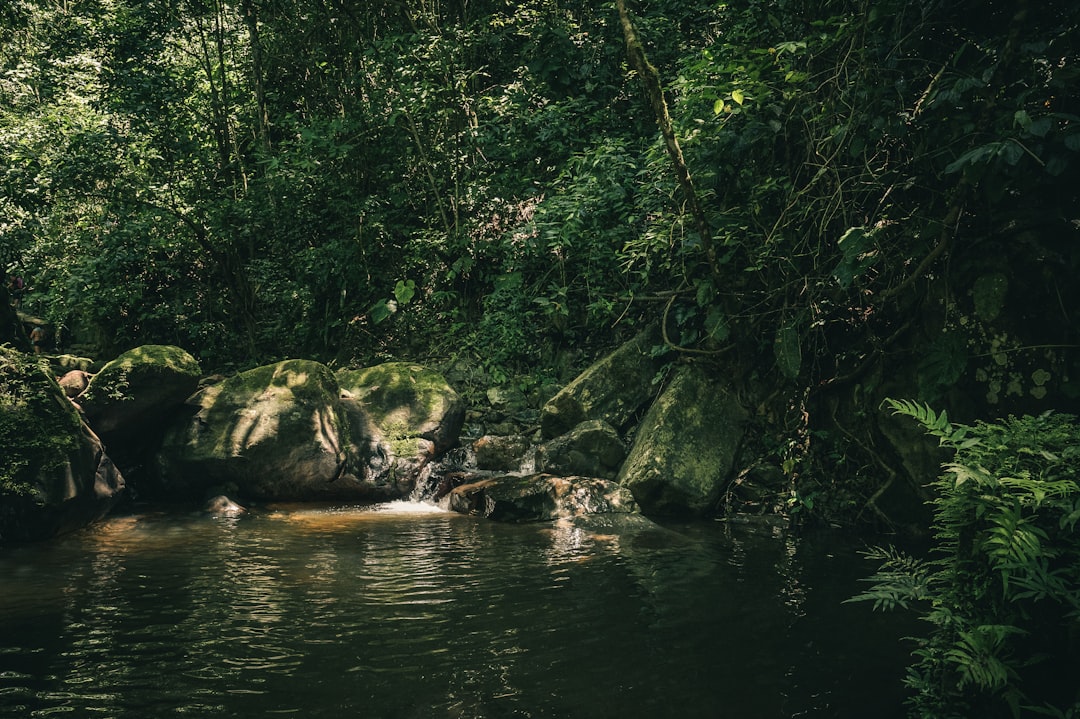
For centuries, the Amazon rainforest stood as a verdant enigma, a seemingly impenetrable wilderness that whispered tales of a pristine, untouched past. Its immense biodiversity and the sheer scale of its arboreal canopy led many to believe it was a land devoid of significant ancient human presence, a natural sanctuary preserved by its formidable environment. However, a revolution in archaeological thought, fueled by innovative technologies and meticulous fieldwork, is steadily dismantling this long-held notion. The dense foliage, once a barrier to discovery, is now yielding its secrets, revealing a complex and dynamic human history that predates European arrival by millennia. The ancient people of the Amazon, once relegated to the fringes of historical narrative, are now emerging from the shadows, their sophisticated societies and profound impact on the very landscape they inhabited finally being recognized.
The traditional view of the Amazon as an ecological tabula rasa, an untouched natural world before Columbus, was largely a product of early colonial accounts and the limitations of archaeological methods. European explorers, encountering relatively small and dispersed indigenous groups upon their arrival, often projected this image onto the past. Furthermore, the acidic soils and dense vegetation of the rainforest proved exceptionally challenging for conventional excavation techniques, burying evidence of human activity beneath layers of humus and tangled roots. For a long time, the prevailing paradigm was that large-scale, sedentary societies simply could not thrive in the perceived ecological limitations of the Amazon basin, particularly in comparison to the more fertile and accessible Andean civilizations.
The Limitations of Traditional Methods
Early archaeological endeavors in the Amazon often relied on surface finds and the excavation of mounds or earthworks that managed to breach the forest canopy. These methods, while valuable, were inherently biased towards sites with visible monumental architecture or those located in areas less densely forested. The vast majority of the rainforest, with its rich soil and deep forest floor, remained largely unexplored by these techniques. The sheer scale of the Amazon, encompassing millions of square kilometers, further compounded these limitations. Simply put, traditional archaeology was like trying to find a needle in a haystack, with the haystack being one of the largest forests on Earth.
The Technological Revolution
The advent of new technologies has dramatically altered the landscape of Amazonian archaeology. Remote sensing, particularly LiDAR (Light Detection and Ranging), has been a game-changer. LiDAR, mounted on aircraft, can penetrate the dense forest canopy, creating detailed topographical maps that reveal subtle earthworks, settlements, agricultural features, and even ancient roads that were previously invisible. These digital maps allow archaeologists to identify potential sites with unprecedented accuracy, guiding ground-based investigations to the most promising locations.
LiDAR: Peering Through the Green Veil
LiDAR works by emitting laser pulses towards the ground and measuring the time it takes for these pulses to return. By analyzing millions of these pulses, a three-dimensional model of the terrain is generated, stripping away the obscuring vegetation. This has allowed researchers to uncover evidence of complex societal organization, including planned settlements, defensive structures, and extensive agricultural landscapes that were previously only speculated about. The ability to see the “bones” of the ancient landscape beneath the forest has revolutionized our understanding of human habitation in the region.
Interdisciplinary Collaboration
Modern Amazonian archaeology is also characterized by a growing interdisciplinary approach. Botanists, geologists, soil scientists, and anthropologists work alongside archaeologists to interpret the evidence. Soil analysis can reveal the presence of enriched soils indicative of long-term agriculture and habitation. Palynology (the study of pollen) can reconstruct past vegetation patterns and agricultural practices. Ethnographic studies of contemporary indigenous communities provide invaluable insights into traditional land management techniques and cultural practices that may have persisted for millennia, offering a living bridge to the past.
The ancient people of the Amazon rainforest have long been a subject of fascination for researchers studying the intricate relationship between human societies and their environment. Their advanced agricultural practices and sustainable living methods offer valuable lessons for contemporary society, especially in the context of climate change. For a deeper understanding of how historical perspectives can inform our current environmental challenges, you can read the article “Lessons from Ancient Climate Crisis: A Historical Perspective” at this link.
Beyond the “Garden of Eden”: Evidence of Complex Societies
The most profound shift in our understanding of ancient Amazonian peoples lies in the recognition that they were not merely transient hunter-gatherers but architects of complex, sedentary societies. The evidence points towards sophisticated agricultural systems, planned settlements, and large populations that significantly shaped the Amazonian environment. These were not simple villages but thriving centers of culture, commerce, and political organization.
Monumental Earthworks and Planned Settlements
LiDAR has revealed an astonishing array of earthworks, from massive geometric patterns and raised causeways to elaborate defensive ditches and enclosures. These structures suggest a level of planning and labor organization that challenges earlier assumptions about Amazonian societies. Sites like the “geoglyphs” of the Llanos de Mojos in Bolivia, vast geometric earth formations visible from the air, demonstrate deliberate landscape modification on a grand scale, likely serving ceremonial or social purposes. In other areas, evidence of carefully planned villages, often with central plazas and surrounding residential areas, indicates organized urbanism.
The Llanos de Mojos: A Water-Wise Civilization
The Llanos de Mojos region in Bolivia is a prime example of a civilization that mastered its environment. Here, researchers have identified an intricate network of canals, raised fields, and reservoirs, suggesting a highly developed system of water management and agriculture. These ancient engineers managed to transform seasonally flooded savannas into productive agricultural landscapes, supporting substantial populations for over a thousand years. The scale of these hydraulic projects rivals those of other ancient civilizations worldwide.
Sophisticated Agricultural Practices
The notion that the rainforest could not support intensive agriculture has been dispelled by discoveries of extensive raised fields, mounds, and sophisticated irrigation systems. These techniques allowed ancient Amazonians to cultivate crops like maize, manioc, and beans in areas that would otherwise be too wet or prone to flooding. Evidence of terra preta (Amazonian dark earth), a highly fertile anthropogenic soil created by centuries of human activity, further underscores their agricultural ingenuity. These enriched soils are a testament to their long-term sustainable practices.
Terra Preta: The Black Gold of the Amazon
Terra preta soils are not naturally occurring; they are the result of intentional human practices. Created by the slow burning of organic waste and the addition of charcoal, pottery shards, and other organic matter, these soils are exceptionally rich in nutrients and have a remarkable capacity to retain water. The presence of terra preta over vast areas indicates widespread and long-term human occupation and intensive agricultural management. Its fertility continues to support vegetation today, a living legacy of ancient innovation.
Rethinking the Amazonian Landscape: Human Ecology and Environmental Impact
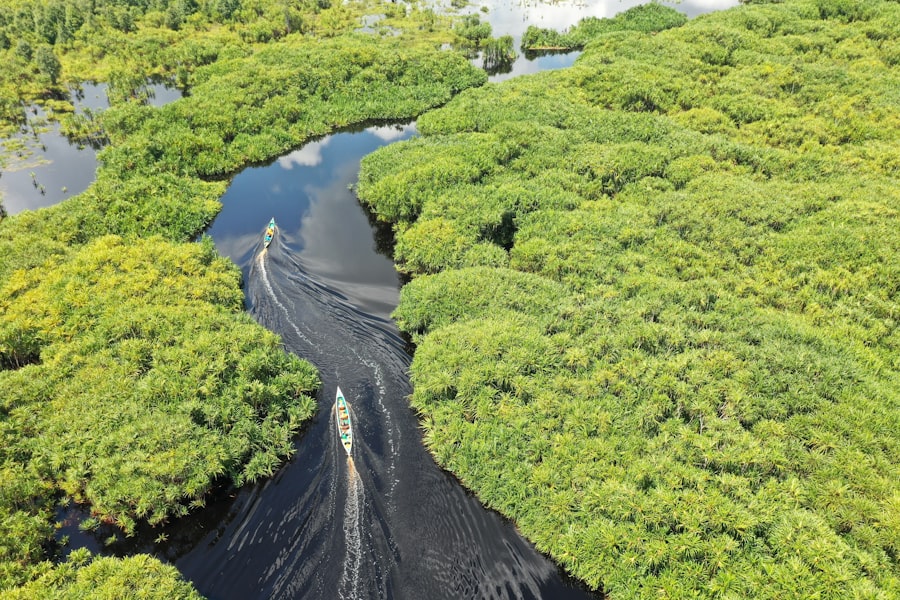
The ancient people of the Amazon were not passive inhabitants of their environment; they were active agents in shaping it. Their presence left an indelible mark on the rainforest’s ecology, a testament to their deep understanding of and ability to manipulate natural systems. The idea of a pristine, untouched Amazon is increasingly being replaced by the understanding of a “cultural landscape” that has been continuously modified and managed for millennia.
Landscape Management and Forest Gardens
Beyond large-scale agricultural fields, evidence suggests that ancient Amazonians practiced more nuanced forms of landscape management, including the creation of “forest gardens.” These were areas where useful trees and plants were intentionally cultivated within the existing forest structure, creating biodiverse ecosystems that provided food, medicine, and materials. This approach fostered a symbiotic relationship with the forest, enhancing its productivity without clear-cutting or monoculture.
The Concept of “Wild” vs. “Cultivated” Blurring
The distinction between “wild” and “cultivated” becomes blurred in the context of Amazonian forest gardens. Many species that were once considered purely wild may have actually been maintained and encouraged by indigenous populations for their beneficial properties. This intricate knowledge of plant life and its propagation created a landscape that was both natural and culturally managed.
The Role of Fire in Shaping the Ecosystem
The controlled use of fire was another significant tool employed by ancient Amazonians. While often associated with destructive forest fires, evidence suggests that indigenous populations used fire strategically for land clearing, promoting the growth of specific edible plants, and creating open park-like savannas in certain areas. This deliberate use of fire contributed to the biodiversity and structure of the Amazonian ecosystem.
Controlled Burns: A Tool for Enhancement
Understanding the historical use of fire is crucial to comprehending the Amazon’s present-day mosaic of vegetation. Controlled burns, rather than being destructive, could have maintained grassland ecosystems, reduced fuel loads, and even encouraged the regeneration of certain economically important plant species. This contrasts sharply with the destructive wildfires that plague the region today, which are often linked to modern land-use practices.
Unveiling Social Structures and Belief Systems

The physical remains of ancient Amazonian settlements provide clues to their social organization, political structures, and spiritual beliefs. The scale of their construction projects, the distribution of resources, and the presence of ceremonial centers all speak to complex societal hierarchies and shared cultural understandings.
Hierarchy and Specialization in Ancient Amazonia
The existence of large, planned settlements and monumental earthworks suggests the presence of social stratification and specialized labor. The ability to mobilize and organize large workforces for construction projects implies a leadership structure capable of coordinating such efforts. Furthermore, the presence of distinct residential areas and potential elite burial sites hint at social hierarchies and differentiated roles within society.
Evidence from Burial Sites
Analysis of burial sites can reveal significant information about social status, health, and diet. The presence of grave goods, the quality of interments, and the physical condition of skeletal remains can all provide insights into the lives of individuals and the social distinctions that existed within ancient Amazonian communities.
Ceremonial Centers and Ritual Practices
Many of the large earthworks discovered are believed to have served as ceremonial centers. These sites, often characterized by their geometric precision and impressive scale, likely played a crucial role in social cohesion, religious rituals, and political gatherings. The absence of fortified settlements in many areas suggests that these societies may have relied on social integration and shared ceremonial practices rather than constant warfare for their stability.
The Power of Shared Ritual
The construction and maintenance of monumental ceremonial sites required significant communal effort and likely fostered a strong sense of shared identity and purpose among different groups. These gatherings would have been opportunities for exchange, alliance building, and the reinforcement of cultural norms and beliefs.
The ancient people of the Amazon rainforest have long fascinated researchers due to their intricate societies and deep connection to the environment. Recent studies have revealed that these civilizations were far more advanced than previously thought, utilizing sophisticated agricultural techniques and complex social structures. For those interested in exploring the mysteries of ancient cultures, a related article discusses the enigmatic history of other ancient civilizations, including those in Antarctica, which can be found here. This connection highlights the diverse ways in which human societies have adapted to their surroundings throughout history.
The Enduring Legacy and Future of Amazonian Archaeology
| Tribe | Population | Language | Traditions |
|---|---|---|---|
| Asháninka | Approximately 25,000 | Asháninka language | Shamanism, weaving, and pottery |
| Yanomami | Approximately 35,000 | Yanomami language | Subsistence farming, hunting, and gathering |
| Kawahiva | Estimated to be less than 100 individuals | Kawahiva language | Isolation from outside world, hunting, and gathering |
The ongoing discoveries in the Amazon are not just filling in the gaps of prehistory; they are fundamentally rewriting our understanding of human history and our relationship with the environment. The ancient peoples of the Amazon offer invaluable lessons about sustainable living, sophisticated land management, and the capacity for human ingenuity in even the most challenging environments.
The “Lost Worlds” Rediscovered
The narrative of the Amazon as an empty wilderness is being replaced by the story of vibrant, complex societies that thrived for millennia. These are not “lost worlds” in the sense of being entirely vanished, but rather “rediscovered worlds,” their remnants hidden beneath the forest canopy, waiting for modern eyes to perceive them. The implications for our understanding of human potential and environmental interaction are profound.
Implications for Current Environmental Challenges
The sophisticated agricultural and landscape management techniques employed by ancient Amazonians offer potential solutions and inspiration for addressing contemporary environmental challenges. Their long-term sustainable practices, in contrast to the destructive patterns of modern development, highlight the importance of understanding and respecting ecological limits.
Preserving the Past for the Future
As research continues, the ethical imperative to work closely with contemporary indigenous communities becomes increasingly vital. Their knowledge, passed down through generations, is an invaluable resource for interpreting the archaeological record and for understanding the enduring cultural connections to these ancient sites. Protecting these archaeological landscapes from deforestation and development is crucial for both scientific understanding and the preservation of cultural heritage.
Collaborative Research with Indigenous Communities
The most successful and respectful archaeological research in the Amazon today involves close collaboration with indigenous communities. Their ancestral knowledge of the land, its history, and its resources is essential for accurate interpretation and ensures that the discoveries benefit them directly. This partnership acknowledges their ongoing connection to these ancient peoples and places.
The Amazon rainforest, once perceived as a silent, unchanging entity, is now echoing with the voices and achievements of its ancient inhabitants. The ongoing work of archaeologists, armed with new technologies and a willingness to challenge old assumptions, is steadily revealing the depth and complexity of human history in this extraordinary region. The ancient people of the Amazon, far from being primitive relics, were ingenious innovators whose legacy continues to shape the forest and offer profound lessons for the future.

Millions Once Lived in the Amazon. LiDAR Found the Evidence
FAQs
1. Who were the ancient people of the Amazon rainforest?
The ancient people of the Amazon rainforest were diverse indigenous groups who inhabited the region for thousands of years before the arrival of European colonizers.
2. What were the main characteristics of the ancient Amazonian civilizations?
The ancient Amazonian civilizations were known for their complex social structures, advanced agricultural practices, and intricate knowledge of the rainforest environment.
3. What evidence do we have of the ancient Amazonian civilizations?
Evidence of the ancient Amazonian civilizations includes archaeological sites, such as earthworks, pottery, and tools, as well as oral histories and traditions passed down through generations.
4. How did the ancient people of the Amazon rainforest interact with their environment?
The ancient people of the Amazon rainforest had a deep understanding of their environment and developed sustainable agricultural practices, such as agroforestry and terra preta, to cultivate the land while preserving the rainforest.
5. What led to the decline of the ancient Amazonian civilizations?
The decline of the ancient Amazonian civilizations was influenced by factors such as European colonization, introduced diseases, and the disruption of traditional ways of life.