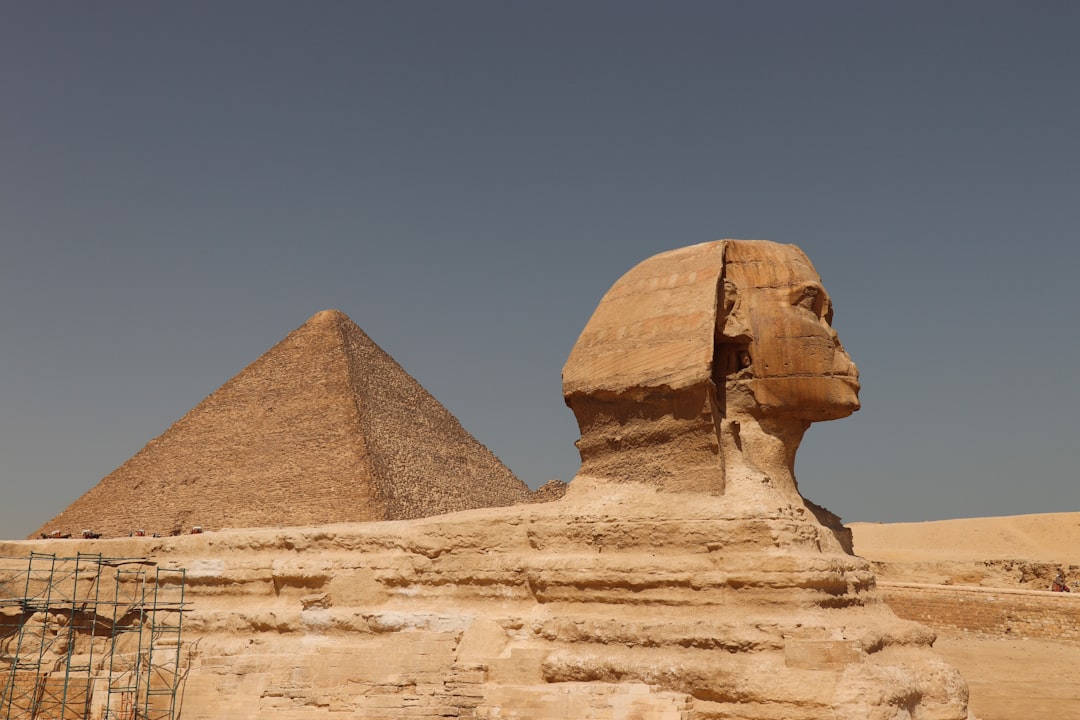
The Sahara Desert, a vast and seemingly desolate expanse, whispers tales of a forgotten past. For millennia, this immense region, stretching across North Africa, has served as far more than just a landscape of sand and sun. It was once a cradle of life, a nexus of trade, and a canvas for human ingenuity, a vibrant world that existed long before the sands encroached. Uncovering this ancient Sahara is a monumental undertaking, a detective story written in stone, bone, and the faint echoes of lost civilizations, a testament to the resilience and adaptability of humanity.
The Sahara of today, a symbol of aridity and extreme conditions, is a stark contrast to its prehistoric iterations. Geological and archaeological evidence paints a picture of a vastly different environment, one that harbored abundant life and sustained human populations for thousands of years. Understanding this transformation is key to appreciating the Sahara’s ancient world.
The African Humid Period: A Time of Lakes and Rivers
The most significant factor in the Sahara’s ancient vitality was the recurring phenomenon known as the African Humid Period, or the “Green Sahara.” These periods, driven by shifts in Earth’s orbital parameters and the resulting precession of the equinoxes, led to increased monsoon activity over North Africa. This influx of moisture transformed the landscape. Vast inland lakes, such as Mega-Chad and the paleo-lakes of the Fezzan Basin, formed and thrived. Extensive river systems crisscrossed the region, supporting diverse ecosystems. Imagine a Sahara dotted with lush vegetation, teeming with wildlife, and supporting human settlements. This was not a fantasy, but a reality for extended periods throughout the Holocene and even into the Pleistocene. These periods were not mere respites; they were transformative cycles that shaped the very trajectory of human presence in the region.
Flora and Fauna of the Ancient Sahara
The abundance of water facilitated a rich and varied ecosystem. The ancient Sahara was home to a plethora of flora and fauna, many of which are now extinct or confined to much smaller ranges. Archaeological digs and fossil discoveries reveal evidence of grasslands, savannas, and even forests. These environments supported large herbivores like elephants, giraffes, rhinoceroses, and hippopotamuses. Predators such as lions, leopards, and hyenas roamed the plains. Abundant birdlife and diverse fish populations populated the lakes and rivers. For early humans, this was a land of plenty, a bountiful larder providing sustenance and resources for survival and development. The rock art found in scattered nomadic camps and sacred sites often depicts these animals, providing invaluable insights into the biodiversity of the time and the deep connection early Saharan peoples had with their environment.
Early Human Habitation and Hunter-Gatherer Societies
The favorable conditions of the Green Sahara attracted early human populations. Archaeological sites, characterized by lithic tool assemblages and evidence of hearths, reveal the presence of hunter-gatherer groups. These early inhabitants adapted to their environment, exploiting its resources expertly. They hunted the abundant game, fished in the lakes and rivers, and gathered edible plants and fruits. Their nomadic lifestyles were dictated by the availability of resources and the seasonal patterns of the Green Sahara. The discovery of stone tools, grinding stones, and spear points at these sites helps archaeologists reconstruct their daily lives, their hunting techniques, and their understanding of the natural world. Evidence of early ritualistic practices, often associated with rock art sites, suggests a complex social and spiritual life, even in these seemingly rudimentary societies.
The exploration of ancient civilizations often reveals remarkable engineering feats that have shaped our understanding of history. A related article, which delves into the intricate hydraulic engineering marvels of ancient societies, can be found at Uncovering Ancient Hydraulic Engineering Marvels. This piece complements the insights presented in “The Ancient World Buried Beneath the Sahara,” as it highlights how advanced technologies were utilized by ancient cultures to adapt to their environments, showcasing the ingenuity that has often been overlooked in the sands of time.
The Rise of Agriculture and Sedentary Lifestyles
As the African Humid Periods began to wane and the desert started to reclaim its territory, Saharan populations faced new challenges. However, instead of succumbing to the environmental pressures, some groups demonstrated remarkable adaptability, leading to the development of early agricultural practices and more sedentary ways of life.
The Domestication of Cattle: A Saharan Revolution
One of the most significant developments in the history of the ancient Sahara was the domestication of cattle. Contrary to previous beliefs that centered domestication in the Fertile Crescent, evidence from sites like Nabta Playa in southern Egypt suggests that cattle were independently domesticated in the Sahara approximately 8,000 to 10,000 years ago. This domestication provided a stable source of food (milk and meat), hides for clothing and shelter, and labor. It fundamentally changed human societies, allowing for larger, more settled communities and the accumulation of wealth and resources. The symbolic importance of cattle is also evident in the widespread presence of bovine imagery in Saharan rock art.
Early Farming and Pastoralism
The transition to settled life was often intertwined with the adoption of farming and pastoralism. As water sources became more localized and seasonal, communities began to cultivate crops like sorghum and millet in areas with remaining water. Pastoralism, the herding of domesticated animals, became increasingly vital. These mobile communities followed grazing lands, adapting to the changing environmental conditions. The presence of grinding stones, storage pits, and remnants of cultivated grains at archaeological sites attests to these agrarian and pastoral activities. This shift marked a significant step towards more complex societal structures, with the potential for surplus production and specialization of labor.
The Development of Complex Social Structures
The stability offered by cattle herding and early agriculture allowed for the development of more complex social structures. Sedentary communities could support larger populations and develop hierarchies. Evidence of organized settlements, ceremonial sites, and communal storage facilities suggests a move beyond small, egalitarian bands. The need to manage herds, cultivate land, and share resources likely led to the emergence of leadership roles and social stratification. Burial practices also offer insights; elaborate burials with grave goods suggest social distinctions and a belief in an afterlife, reflecting a growing complexity in their worldview.
The Sahara as a Crossroads: Trade and Cultural Exchange
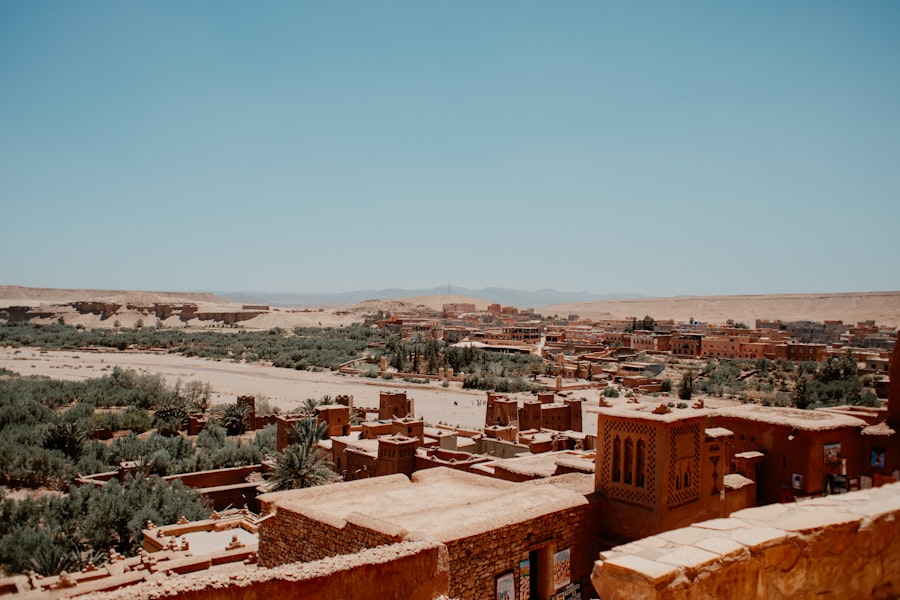
As the Sahara continued to transition into its arid state, it did not become a barrier but rather a dynamic intermediary. The ancient Sahara became a pivotal region for trade and cultural exchange, connecting diverse civilizations and facilitating the movement of goods, ideas, and people across vast distances.
The Garamantes: Masters of the Subterranean World
Perhaps the most enigmatic and impressive civilization of the ancient Sahara were the Garamantes. Flourishing in the Fezzan Basin of modern-day Libya from roughly 500 BCE to 700 CE, they were masters of desert survival and irrigation. Facing the increasing aridity, they developed an ingenious system of subterranean irrigation channels, known as foggaras or qanats, to tap into underground aquifers. These elaborate underground aqueducts, stretching for miles, brought precious water to their fortified settlements and agricultural lands. The Garamantes were not only skilled engineers but also influential traders, controlling vital trans-Saharan routes. They traded in slaves, gold, ivory, and exotic animals, connecting the Mediterranean world with sub-Saharan Africa. Their city of Garama, with its advanced architecture and urban planning, stands as a testament to their ingenuity and prosperity.
Trans-Saharan Trade Routes: Arteries of Commerce
The ancient Sahara was crisscrossed by a network of well-established trade routes. These routes were not static but evolved over time, adapting to changing environmental conditions and political landscapes. The Garamantian routes through the Fezzan were particularly important, linking the North African coast with the Sahel region. Other routes connected the Nile Valley with the Atlantic coast and the central Sahara. These routes facilitated the movement of a wide array of goods. From the north came manufactured goods, textiles, glass beads, and grains. From the south, caravans brought gold, ivory, slaves, spices, and exotic animal skins. The Sahara, therefore, acted not as a barrier, but as a vital conduit for economic and cultural exchange.
Influences and Cultural Diffusion
The constant movement of people and goods along these trade routes led to significant cultural diffusion. Ideas, technologies, religious beliefs, and artistic styles spread across vast distances. The influence of Mediterranean cultures can be seen in the architecture and art of some Saharan settlements, while Saharan products and customs found their way north. For example, the domestication and herding practices that developed in the Sahara likely had a profound impact on neighboring regions. Conversely, the introduction of new crops or farming techniques from beyond the desert could have reshaped Saharan agriculture. This interconnectedness highlights the dynamic nature of interaction in the ancient world.
Rock Art: The Silent Witnesses of Saharan History
The most visually striking and perhaps most informative remnants of the ancient Sahara are its extraordinary rock art sites. Scrawled across cave walls, rock shelters, and vast expanses of exposed rock faces, these ancient artworks offer a window into the lives, beliefs, and environments of the people who created them.
The Tassili n’Ajjer: A Gallery of Prehistoric Life
The Tassili n’Ajjer plateau in southeastern Algeria is arguably the most famous and extensive repository of Saharan rock art. This UNESCO World Heritage site boasts tens of thousands of rock paintings and engravings dating back over 10,000 years. The Tassili art is renowned for its diversity, depicting everything from vibrant scenes of daily life and abundant wildlife during the Green Sahara periods to representations of early herding practices and later nomadic groups. The evolving styles and subject matter chart the dramatic environmental and societal changes that swept across the Sahara over millennia.
Diverse Themes and Symbolism: From Animals to Abstract Forms
The themes captured in Saharan rock art are incredibly diverse. Early art often focuses on the abundant fauna of the Green Sahara, with detailed depictions of giraffes, elephants, cattle, and other animals. As the climate shifted, representations of domesticated animals like cattle became more prominent, reflecting the changing economy. Human figures are also abundant, shown engaged in hunting, herding, dancing, and ritual activities. Beyond the representational, there are also abstract forms and geometric patterns, the meanings of which remain largely enigmatic, hinting at complex spiritual beliefs and symbolic languages. These symbols offer a glimpse into the minds of people trying to make sense of their world.
Chronology and Interpretation: Challenges and Breakthroughs
Dating Saharan rock art is a complex and ongoing challenge. Archaeologists employ various techniques, including stylistic analysis, stratigraphy where applicable, and radiocarbon dating of organic materials found in association with the art. The vast timescale covered by the art, stretching from the late Pleistocene through the Neolithic and beyond, means that interpretations must be nuanced and take into account thousands of years of cultural and environmental change. While some depictions are straightforward, many are open to multiple interpretations, fueling ongoing debate among scholars. Nevertheless, these silent witnesses provide invaluable clues about prehistoric lifeways, environmental history, and the evolution of human culture in this remarkable region.
The exploration of ancient civilizations often reveals surprising connections to contemporary issues, as highlighted in the article about Antarctica’s resource exploitation. This piece delves into the challenges of balancing conservation and development in a region that, like the Sahara, holds secrets of the past while facing modern pressures. For those interested in how ancient worlds can inform our understanding of current environmental dilemmas, the article provides valuable insights. You can read more about this topic in the article on Antarctica’s resource exploitation.
Reconstructing the Ancient Sahara: Ongoing Discoveries and Future Potential
| Location | Discovery | Artifacts | Excavation |
|---|---|---|---|
| Libya | 2000 BC | Pottery, jewelry | Ongoing |
| Algeria | 1000 BC | Tools, weapons | Completed |
| Niger | 1500 BC | Ceramics, carvings | Ongoing |
The journey to uncover the ancient Sahara world is far from over. New archaeological discoveries are continuously being made, pushing back the boundaries of our knowledge and challenging existing theories. The vastness of the desert, coupled with its often-harsh conditions, means that much of its history remains buried beneath the sands, awaiting future exploration.
Technological Advancements in Exploration
Modern technology is revolutionizing the way archaeologists explore the ancient Sahara. Satellite imagery and remote sensing techniques allow researchers to identify subtle landscape features that may indicate ancient settlements, water sources, or trade routes without the need for extensive ground surveys. Ground-penetrating radar and drone technology can offer non-invasive ways to survey sites and map their extent. Advancements in dating techniques, such as more precise radiocarbon dating and optically stimulated luminescence (OSL) dating, are providing more accurate chronologies for archaeological finds. These tools are essential for navigating the immense scale and challenging terrain of the Sahara.
Emerging Research Areas and Unanswered Questions
Several key research areas are currently driving our understanding of the ancient Sahara. The investigation into the origins of cattle domestication continues to yield fascinating insights. The precise timing and causes of the transition from the Green Sahara to the hyperarid desert are still being debated, with research focusing on climate modeling and paleoclimatic data. The extent and nature of long-distance trade networks beyond the Garamantes are also areas of active investigation. Furthermore, the linguistic and genetic connections between ancient Saharan populations and later African groups are subjects of ongoing study. The decipherment of any potential proto-Saharan writing systems, if they existed, remains a tantalizing prospect.
The Sahara’s Enduring Legacy: Lessons for the Present
The story of the ancient Sahara is more than just a historical narrative; it offers profound lessons for the present and future. It demonstrates the remarkable adaptability of human societies in the face of environmental change. The ingenuity of the Garamantes in managing water resources in an arid environment is a powerful example of sustainable innovation. The Sahara’s history also highlights the interconnectedness of human cultures and the importance of trade and exchange in shaping civilizations. As the world grapples with modern challenges like climate change and resource management, the ancient Sahara provides a compelling case study of human resilience, innovation, and the enduring power of the natural world. The desert, once a symbol of barrenness, is slowly revealing itself as a testament to a vibrant, dynamic, and surprisingly fertile past, a forgotten world waiting to be fully understood.

The Ancient World Buried Beneath the Sahara
FAQs
What is the Sahara Desert?
The Sahara Desert is the largest hot desert in the world, covering an area of approximately 3.6 million square miles across North Africa. It is known for its extreme arid climate and vast sand dunes.
What is the ancient world buried beneath the Sahara?
The ancient world buried beneath the Sahara refers to the archaeological remains and artifacts of ancient civilizations that once thrived in the region. These include ancient cities, trade routes, and evidence of early human settlements.
What are some of the notable discoveries in the Sahara Desert?
Notable discoveries in the Sahara Desert include the ancient city of Timbuktu, the rock art of Tassili n’Ajjer, and the Garamantes civilization. These discoveries have provided valuable insights into the history and culture of the ancient Sahara.
Why is the Sahara Desert an important area for archaeological research?
The Sahara Desert is an important area for archaeological research because it has preserved a wealth of ancient artifacts and structures due to its dry and arid climate. These discoveries have helped researchers understand the history of human civilization in the region.
What challenges do archaeologists face in studying the ancient world buried beneath the Sahara?
Archaeologists studying the ancient world buried beneath the Sahara face challenges such as extreme heat, sandstorms, and the vastness of the desert. Additionally, political instability in some areas can also pose challenges to conducting research.