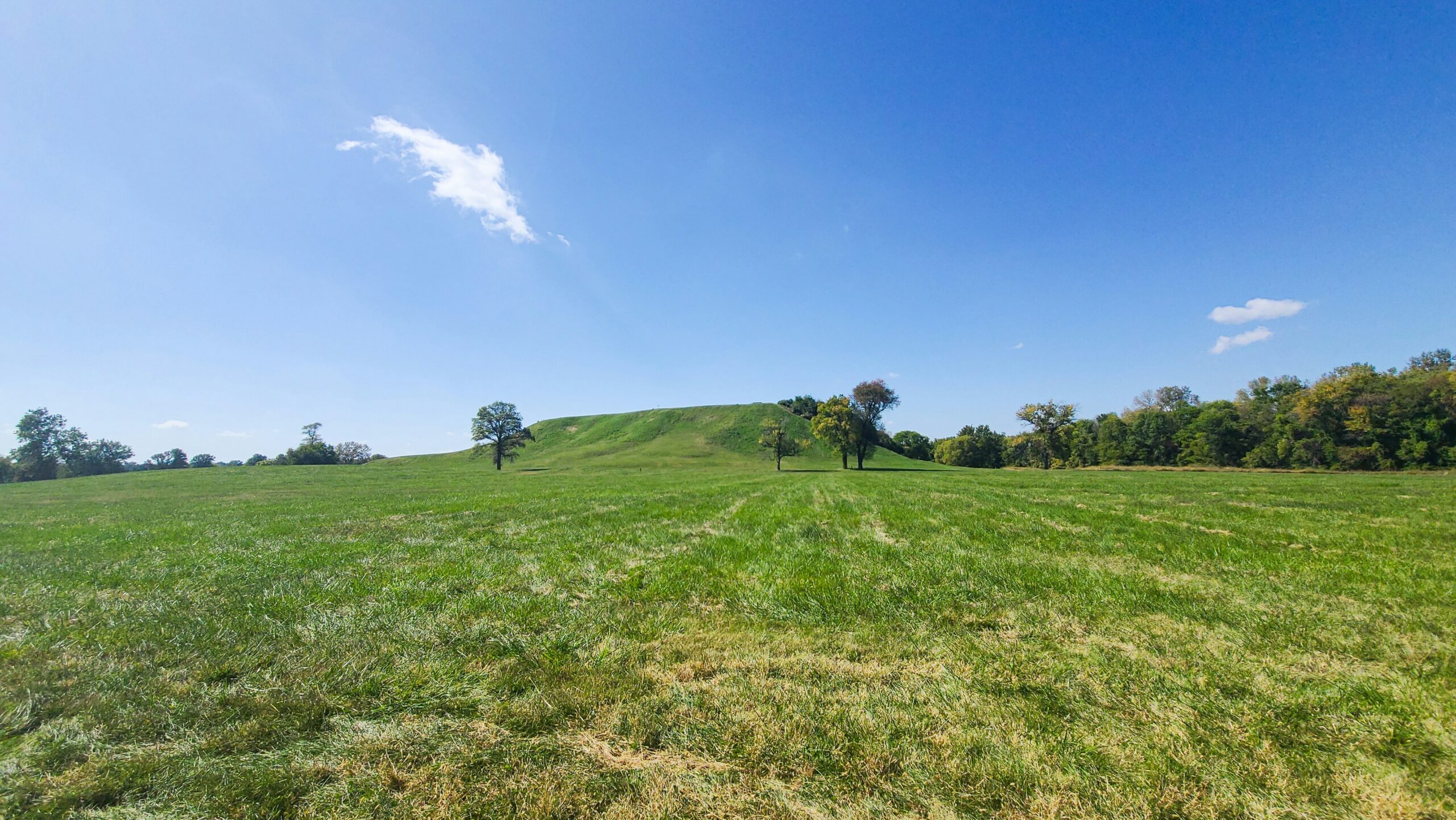
The vast, emerald plains of the Mississippi River valley hold whispers of a civilization long vanished, a testament to human ingenuity and a profound mystery that continues to captivate archaeologists and historians alike. Among these ancient echoes, the monumental earthworks of Cahokia stand as the most compelling enigma, a sprawling urban center that once rivaled contemporary European cities in size and sophistication. To uncover the ancient secrets of Cahokia is to embark on a journey through time, exploring the rise and fall of a remarkable society that shaped the pre-Columbian landscape of North America.
Cahokia, located near present-day St. Louis, Missouri, was not merely a collection of mounds; it was a vibrant, complex city that flourished for centuries, reaching its zenith between 1050 and 1350 CE. Its sheer scale is awe-inspiring. At its heart lay Monks Mound, a colossal earthen structure that is larger at its base than the Great Pyramid of Giza, a testament to the immense labor and organizational prowess of its builders. This urban center was the epicenter of the Mississippian culture, a widespread Indigenous civilization that dominated the river valleys of the eastern United States.
The Genesis of Cahokia: Early Settlements and Agricultural Foundations
The origins of Cahokia can be traced back to much earlier settlements. While the peak of its power was in the later periods, the groundwork for its eventual emergence as a major hub was laid by centuries of smaller, agricultural communities. These early peoples, deeply connected to the fertile riverlands, developed sophisticated agricultural techniques, primarily focusing on maize cultivation. This reliable food source was crucial, allowing for population growth and the development of settled communities. The abundance of arable land, coupled with a favorable climate, provided the essential resources for a burgeoning society. The mastery of horticulture, particularly the cultivation of the “three sisters” – maize, beans, and squash – provided a nutritionally rich and sustainable food supply, freeing up a significant portion of the population from subsistence farming to engage in other specialized activities. This agricultural surplus was the bedrock upon which Cahokia’s complex social structure and monumental construction would later be built.
Mississippian Culture: A Shared Legacy of Mound Building and Social Complexity
Cahokia was not an isolated phenomenon. It was the largest and most influential city within the broader Mississippian culture, a network of interconnected societies that shared distinct cultural traits. The hallmark of this culture was the construction of large, artificial earthen mounds, used for various purposes, including burial, ceremonial platforms, and residences for elites. While mounds are found across the Mississippian world, Cahokia’s scale and density of these structures were unparalleled. This shared tradition of mound building suggests a common understanding of cosmology, social hierarchy, and ritual practices that bound these disparate groups together. The diffusion of Mississippian traits across a vast geographic area, from the Great Lakes to the Gulf Coast, speaks to a dynamic network of trade, communication, and cultural exchange that facilitated the spread of ideas and technologies.
The archaeology of ancient Cahokia, a pre-Columbian Native American city located near present-day St. Louis, Missouri, has revealed fascinating insights into the social and political structures of its inhabitants. For those interested in exploring the broader implications of ancient civilizations and their legacies, a related article discusses the intriguing connections between lost knowledge and historical maps, particularly focusing on the Library of Alexandria. You can read more about this captivating topic in the article titled “Uncovering Lost Maps: Library of Alexandria’s Legacy” available at this link.
The Architects of the Earth: Monumental Construction and Engineering Prowess
The most striking feature of Cahokia is its monumental architecture. The sheer volume of earth moved to construct these mounds is staggering, requiring meticulous planning, coordination, and a vast labor force. These structures were not merely piles of dirt; they were carefully engineered edifices, reflecting a deep understanding of engineering principles and a profound spiritual connection to the land.
Monks Mound: The Heart of the City
Dominating the Cahokia landscape is Monks Mound, a four-terraced behemoth that stands as a testament to the organizational capacity of its creators. Its construction, spanning over 200 years and involving millions of cubic feet of earth, likely served as the primary residence for the ruling elite and a central ceremonial locus. The sheer effort involved in its creation suggests a highly stratified society with a powerful leadership capable of mobilizing and sustaining a large workforce. The precise methods of earth moving, involving baskets, rawhide containers, and possibly wooden levers, are still debated, but the result is an enduring symbol of human endeavor. Archaeological investigations have revealed layers of construction, indicating ongoing modification and expansion over generations, each phase potentially marking significant historical events or shifts in power.
The Variety of Mounds: Burial, Platform, and Ridge-Top Structures
Beyond Monks Mound, Cahokia boasts a complex of over 100 mounds, each with its own unique purpose and design. Large platform mounds, like Mound 72, were sites of elite burials and elaborate mortuary rituals, providing invaluable insights into Cahokian social stratification and belief systems. These burials often contained rich grave goods, including finely crafted pottery, shell beads, and copper ornaments, suggesting a complex trade network and a high degree of craftsmanship. Ridge-top mounds, often arranged in precise geometric patterns, may have served astronomical or calendrical functions, hinting at a sophisticated understanding of celestial cycles and their integration into religious and social life. The diversity of mound types – conical, platform, ridge-top, and even effigy mounds (though less common at Cahokia itself) – demonstrates a flexible approach to earth construction, adapted to specific functional and symbolic requirements.
Engineering and Environmental Considerations
The construction of these massive earthworks was not undertaken lightly. Archaeologists have uncovered evidence of sophisticated planning, including the selection of specific soil types for different parts of the mounds and the creation of drainage systems to prevent erosion. The positioning of mounds, their alignment with cardinal directions, and their relationship to astronomical events suggest a deep understanding of their environment and the cosmos. The sheer scale of construction also raises questions about the tools and techniques employed. While direct evidence is scarce, the use of controlled burning to loosen compacted soil and the sophisticated organization of labor are highly probable. The careful selection of borrow pits, often strategically located to minimize environmental impact, also speaks to a thoughtful, if not entirely sustainable, approach to resource management.
The Social Fabric of Cahokia: Hierarchy, Governance, and Daily Life
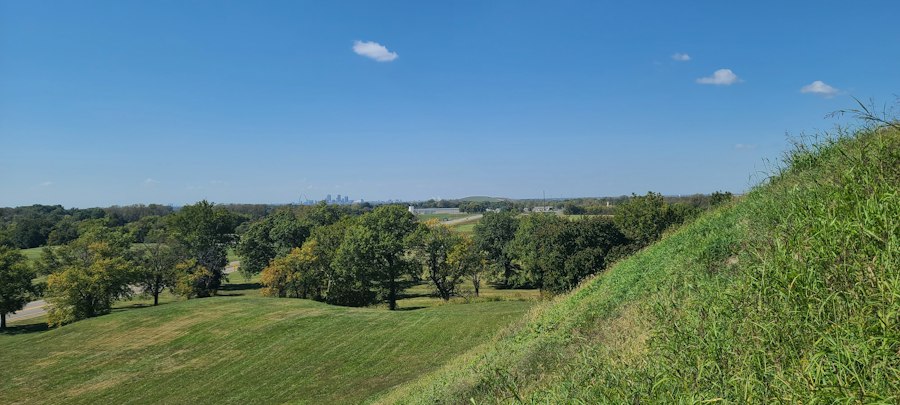
Unraveling the social structure of Cahokia is akin to piecing together a vast, intricate mosaic. While direct textual evidence is absent, the archaeological record, particularly the distribution of wealth and power in burials and settlements, provides crucial clues about its inhabitants and their way of life.
Social Stratification: Elites and Commoners
The evidence from burials, particularly those in Mound 72, strongly suggests a highly stratified society. The presence of elaborate burials with abundant grave goods for a select few, contrasted with simpler burials for the majority, points to a distinct elite class that held significant power and privilege. This elite likely controlled resources, dictated labor, and held religious authority. The existence of distinct residential areas, with larger and more elaborate dwellings for the elite and smaller, more utilitarian homes for the commoners, further supports this interpretation. The careful differentiation in burial practices, from the types of grave goods to the orientation of the body, served as a powerful visual representation of social status and the afterlife.
Governance and Leadership: Chiefs and Councils?
The precise form of governance in Cahokia remains a subject of debate. Some scholars suggest a hierarchical chiefdom, with a single, powerful leader at the apex. Others propose a more complex system involving councils of elders or lineage leaders. The immense communal labor required for mound construction and city maintenance would necessitate some form of organized leadership, capable of mobilizing and directing large populations. The presence of a large public plaza, capable of accommodating significant gatherings, might have served as a venue for political discourse, ceremonies, and the dissemination of important information. The concept of “Big Man” leadership, where influence is earned through charisma and generosity, might also have played a role, particularly in the formative stages of the city’s development.
Trade and Economy: A Hub of Exchange
Cahokia was a bustling center of trade, connecting distant regions through intricate networks. Its strategic location on the Mississippi River facilitated the movement of goods. Excavations have revealed exotic materials like copper from the Great Lakes, mica from the Appalachian Mountains, and marine shells from the Gulf Coast, all of which were transformed into ornaments, tools, and ceremonial objects. The control and distribution of these valuable resources likely contributed to the power and wealth of Cahokia’s elite. The economic engine of Cahokia was undoubtedly fueled by its agricultural surplus, which allowed for specialization and the development of skilled artisans. The presence of specialized craft production areas, dedicated to pottery making, flintknapping, and shell bead manufacturing, indicates a thriving artisan class and a complex division of labor.
Daily Life: Ritual, Recreation, and Community
Beyond the monumental structures and elite burials, archaeologists are piecing together a picture of daily life for the commoners of Cahokia. Excavations of residential areas have revealed evidence of hearths, storage pits, and refuse middens, providing glimpses into their diet, domestic practices, and communal activities. The presence of ball courts and public plazas suggests opportunities for recreation and social interaction. Rituals likely played a central role in daily life, with many mounds and associated features serving as sites for ceremonies and public gatherings. The analysis of faunal remains and plant matter provides insights into their diet, revealing a reliance on maize, beans, squash, fish, and game. Evidence of communal ovens and shared hearths suggests a strong sense of community and shared responsibility in food preparation and consumption.
The Enigma of Decline: Why Did Cahokia Vanish?

The most profound mystery surrounding Cahokia is its eventual decline and abandonment. By the 14th century, the city had fallen into disrepair, its monumental structures left to the elements, and its population dispersed. The reasons for this dramatic collapse are complex and continue to be debated among scholars.
Environmental Stress and Resource Depletion
One prevailing theory suggests that environmental factors played a significant role. Overpopulation and intensive agriculture may have led to soil exhaustion, deforestation, and increased susceptibility to natural disasters like floods and droughts. The immense demands placed on the surrounding environment to sustain such a large urban population could have ultimately proven unsustainable. The impact of climate change, whether a gradual shift or a more acute event, could have further exacerbated these environmental pressures, leading to crop failures and food shortages. The intensive use of wood for construction, fuel, and perhaps even for ritual purposes could have led to significant deforestation, impacting local ecosystems and contributing to soil erosion.
Social and Political Instability
Internal strife, conflict, or a breakdown in social order could also have contributed to Cahokia’s demise. Evidence of defensive palisades and occasional signs of conflict suggest that tensions may have existed within or between communities. The decline of a centralized leadership or the rise of rival centers might have weakened Cahokia’s influence and led to the emigration of its population. The ability of the elite to maintain control over resources and labor may have diminished over time, leading to social unrest and the fragmentation of the society. The rise of new political or religious movements, challenging the existing order, could also have contributed to the eventual collapse.
Disease and Epidemics
The introduction of new diseases, particularly in a densely populated urban environment, could have had devastating consequences. While direct evidence of widespread epidemics is difficult to obtain, the possibility of such events cannot be discounted, especially in light of subsequent European encounters with Indigenous populations. The arrival of new pathogens, to which the local population had no prior immunity, could have decimated the population and contributed to social disintegration. The long-term effects of chronic malnutrition, resulting from environmental stress, could have also made the population more vulnerable to disease.
Migration and Adaptation
Ultimately, the abandonment of Cahokia may not have been a sudden collapse but rather a gradual dispersal of its population. The people of Cahokia may have migrated to other regions, establishing new settlements and adapting their cultural practices to different environments. The skills and knowledge acquired at Cahokia were likely carried with them, influencing the development of subsequent Indigenous societies. This dispersal would have allowed them to seek out new resources, escape pressures, and rebuild their communities in a more sustainable manner. Archaeological evidence of Mississippian-influenced sites in surrounding regions provides support for this migratory hypothesis, suggesting a diffusion of people and culture rather than a complete vanishing.
The archaeology of ancient Cahokia continues to reveal fascinating insights into the lives of its inhabitants, showcasing their complex societal structures and monumental earthworks. A recent article delves into the discovery of intriguing artifacts that challenge our understanding of ancient cultures, which can be explored further in this related piece. These findings not only enhance our knowledge of Cahokia but also raise questions about the interactions between different prehistoric communities across North America.
The Legacy of Cahokia: Enduring Questions and Modern Relevance
| Site | Excavation Date | Artifacts Found | Significance |
|---|---|---|---|
| Monks Mound | 1960s | Pottery, tools, human remains | Largest prehistoric earthwork in the Americas |
| Woodhenge | 1961 | Wooden posts, ceremonial objects | Used for tracking solstices and equinoxes |
| Mound 72 | 1967 | Elite burials, copper artifacts | Indicates social hierarchy and trade networks |
The enduring allure of Cahokia lies in its unanswered questions and its powerful reminders of human potential and vulnerability. While much has been learned, the secrets of this ancient metropolis continue to inspire ongoing research and spark the imagination.
Archaeological Discoveries and Ongoing Research
Archaeological excavations at Cahokia continue to yield new insights. Advances in technology, such as LiDAR (Light Detection and Ranging) and ground-penetrating radar, are revealing previously unknown features and helping to map the full extent of the ancient city. Ongoing research focuses on understanding the nuances of its social structure, economic systems, and religious beliefs. The careful analysis of artifacts, environmental data, and skeletal remains provides a rich tapestry of information for dedicated researchers. The multidisciplinary nature of current research, integrating fields like anthropology, geology, and environmental science, is crucial for a holistic understanding of Cahokia.
Lessons for the Present: Sustainability and Urban Planning
The story of Cahokia offers valuable lessons for contemporary society, particularly concerning sustainability and urban planning. The challenges faced by this ancient city – resource management, environmental impact, and social cohesion – resonate with issues we grapple with today. Understanding how a complex society managed its resources, organized its labor, and ultimately faced its limitations provides a crucial historical perspective on our own urban challenges. The environmental carrying capacity of a region, the potential for social unrest due to inequality, and the long-term consequences of unchecked resource exploitation are all themes that echo from Cahokia’s past into our present.
Preserving the Past for Future Generations
The preservation of the Cahokia Mounds State Historic Site is vital for ensuring that future generations can learn from and be inspired by this extraordinary legacy. Protecting these ancient structures from erosion, development, and vandalism is a critical responsibility. The ongoing efforts to interpret and present the story of Cahokia to the public, through museums, interpretive centers, and educational programs, play a crucial role in fostering an appreciation for this significant chapter of North American history. The continued engagement with Indigenous communities, whose ancestors were the builders and inhabitants of Cahokia, is essential for a more complete and respectful understanding of its past and its enduring significance.

A City Bigger Than London Once Stood in America. Then It Vanished.
FAQs
What is the significance of Cahokia in North American archaeology?
Cahokia was a major center of Mississippian culture and is considered one of the most important archaeological sites in North America. It was the largest pre-Columbian settlement north of Mexico and its complex society and monumental architecture have provided valuable insights into ancient Native American civilizations.
What are some of the key archaeological findings at Cahokia?
Archaeologists have uncovered numerous mounds, plazas, and residential areas at Cahokia. The most famous mound is Monk’s Mound, which is the largest prehistoric earthwork in the Americas. Artifacts such as pottery, tools, and jewelry have also been discovered, shedding light on the daily lives and cultural practices of the ancient inhabitants.
What was the purpose of the mounds at Cahokia?
The mounds at Cahokia served various purposes, including ceremonial, religious, and elite residential functions. Some mounds were used for burial, while others may have been platforms for important structures or symbols of social and political power. The precise meanings and uses of the mounds continue to be a subject of study and debate among archaeologists.
What led to the decline of Cahokia?
The decline of Cahokia is believed to have been influenced by a combination of environmental, social, and political factors. Deforestation, soil depletion, and changes in climate may have contributed to agricultural difficulties, while internal conflicts and external pressures from neighboring groups could have also played a role in the site’s abandonment around 1350 CE.
How has the study of Cahokia impacted our understanding of ancient Native American societies?
The study of Cahokia has provided valuable insights into the complexity and sophistication of ancient Native American societies. It has challenged previous stereotypes of pre-Columbian cultures as simple or primitive, and has highlighted the achievements of indigenous peoples in areas such as urban planning, agriculture, and social organization. Cahokia has also raised important questions about the interactions and connections between different Native American groups across the continent.