
The whispers of a cataclysmic past have long echoed in the scientific community, hinting at forces beyond mundane erosion and gradual geological shifts that shaped our planet. Among these whispers, the comet impact hypothesis stands as a particularly compelling, and at times controversial, contender for explaining profound planetary transformations. It posits that the collision of one or more comets with Earth, beginning roughly 12,800 years ago, triggered a cascade of devastating environmental changes, including rapid climate shifts, megafaunal extinctions, and potentially even the collapse of early human civilizations. Uncovering this hypothesis is not merely an academic exercise; it is an ongoing scientific detective story, piecing together fragmented evidence from the Earth’s crust, ice cores, and the very fabric of ancient human culture.
While the memory of the dinosaur-killing asteroid impact 66 million years ago is firmly embedded in public consciousness, the comet impact hypothesis focuses on a more recent, and arguably more complex, event. This theory didn’t emerge fully formed but rather evolved from a confluence of observations that seemed difficult to explain by conventional geological and climatological models.
Early Clues and Anomalies
The story begins with puzzling geological features. A layer of sediment, dated to the approximate time of the Younger Dryas cold period – a sudden and severe cooling event that punctuated the end of the last glacial epoch – exhibited several unusual characteristics.
The Younger Dryas: A Mysterious Cold Snap
The Younger Dryas, spanning roughly from 12,900 to 11,700 years ago, remains one of paleoclimatology’s most perplexing episodes. Following a period of warming after the last glacial maximum, Earth’s climate abruptly plunged back into near-glacial conditions. This dramatic reversal, lasting for over a thousand years, defied existing explanations that relied solely on gradual orbital variations or oceanic circulation shifts.
Anomalous Sedimentary Layers: A Puzzle in the Earth’s Crust
Scientists studying sediment cores from various locations around the globe began to notice consistent anomalies within the Younger Dryas boundary layer. These included concentrations of platinum-group metals (particularly platinum and iridium), high levels of nanodiamonds, microspherules (tiny glass-like beads formed from melted rock), and soot deposits. These elements and materials were not easily explained by terrestrial processes alone.
The Megafaunal Extinction: A Timely Catastrophe
Coinciding with the Younger Dryas and the mysterious sedimentary layer was the near-simultaneous extinction of a significant portion of Earth’s large mammals, or megafauna. Across North America, Europe, and Eurasia, iconic species like the woolly mammoth, mastodon, saber-toothed cat, and giant ground sloth vanished within a geologically short period. This mass extinction event, while attributed by some to climate change or human hunting, presented a synchronized and widespread pattern that suggested a more singular, overarching cause.
The Scale of Extinction: A Global Phenomenon
The sheer scale of the megafaunal extinction is staggering. In North America alone, over 35 species of large mammals went extinct around 12,800 years ago. This loss represented a significant shift in the planet’s biodiversity and ecological structure.
Competing Explanations: Hunting vs. Climate Change
For decades, the dominant explanations for this extinction revolved around either the “overkill hypothesis,” suggesting that newly arrived humans with advanced hunting techniques decimated large game populations, or climatic shifts associated with the end of the ice age. However, the timing and global synchronicity of the extinctions, particularly in the face of the abrupt Younger Dryas cooling, made these explanations less satisfactory for some researchers.
The Comet Impact Hypothesis suggests that a comet or asteroid impact may have played a significant role in shaping Earth’s climate and biological history, particularly during the late Pleistocene epoch. For those interested in understanding how external factors can influence not just the environment but also economic stability, a related article discusses the safety of retirement accounts in the face of governmental decisions. You can read more about this topic in the article found here: Is My Retirement Account Safe From Government?.
The Comet Impact Hypothesis Takes Shape: Connecting the Dots
It was the recognition of shared anomalies across multiple continents and the puzzle of the megafaunal extinction that led a group of scientists, led by Richard Firestone, Allen West, and Simon Warwick-Smith, to propose the comet impact hypothesis in the late 2000s. They synthesized existing data and presented a compelling, albeit initially controversial, narrative of a cosmic catastrophe.
The Younger Dryas Impact Hypothesis (YDIH)
The core of the hypothesis is the idea that a swarm of cometary fragments, or a larger comet that broke apart, struck Earth’s surface and atmosphere around 12,800 years ago, coinciding with the onset of the Younger Dryas. The impacts, they argued, were not necessarily monolithic craters like those from asteroid impacts, but rather a series of airbursts and ground impacts that released immense energy.
The Evidence of Multiple Impacts
The hypothesis posits that the evidence points to multiple impact sites and effects. This would explain the widespread distribution of the anomalous sediment layers and the synchronized nature of the extinctions across different continents.
The Mechanism of Catastrophe: Beyond the Blast Wave
The proponents of the YDIH argue that the catastrophic effects of such an impact event would extend far beyond the immediate shockwave. The immense heat generated by the impact and the subsequent atmospheric injection of debris would have ignited widespread wildfires, melted glacial ice sheets, and released vast amounts of water vapor and other gases into the atmosphere.
Key Evidence Supporting the YDIH
The theory is built upon several pillars of evidence, each contributing to the overall picture of a cataclysmic event.
Platinum and Iridium Anomalies: Extraterrestrial Signatures
The presence of significant concentrations of platinum and iridium in the Younger Dryas boundary layer is a cornerstone of the YDIH. These elements are rare in Earth’s crust but are much more abundant in comets and asteroids. Their widespread distribution in this specific geological layer strongly suggests an extraterrestrial origin.
The Rarity of Platinum and Iridium on Earth
Platinum and iridium are siderophile elements, meaning they have a strong affinity for iron. When Earth formed, these elements are believed to have largely sunk to the planet’s core. Their relatively low abundance in the crust makes their sudden appearance in a distinct geological layer highly anomalous.
Comets as the Source: A Cosmic Reservoir
Comets are known to contain a higher proportion of volatile materials, but also rocky and metallic components that can include platinum and iridium. The hypothesis proposes that impacts from these celestial bodies would have delivered these elements to Earth’s surface.
Nanodiamonds: Cosmic Forge
The discovery of nanodiamonds – diamond crystals less than 100 nanometers in size – within the Younger Dryas boundary layer is another critical piece of evidence. Nanodiamonds can be formed under extreme pressure and temperature conditions, and while terrestrial processes can create them, their abundance and specific characteristics in this layer are argued to be indicative of a hypervelocity impact event.
The Significance of Size and Distribution
The size and morphology of these nanodiamonds, along with their presence at multiple sites, are key to their interpretation as impact indicators.
Contrasting with Earth-Based Diamond Formation
While volcanic activity can produce diamonds, the geological context and the lack of other associated volcanic markers in the Younger Dryas boundary layer weaken this explanation for the observed nanodiamonds.
Microspherules: Vaporized Rock
The microspherules found in the Younger Dryas boundary layer are tiny, glass-like beads formed from the rapid melting and cooling of terrestrial rock during an impact. These spherules often contain high concentrations of elements like iron and titanium, consistent with vaporized rock.
The Unique Composition of Microspherules
Their chemical composition and physical form are unlike those found in typical sedimentary environments, pointing towards a high-energy thermal event.
Evidence of Widespread Melting
The discovery of these microspherules at numerous locations globally supports the idea of a widespread and energetic impact event.
Wildfire Evidence: The Black Mat
Another crucial piece of evidence is the presence of a distinctive charcoal-rich layer, often referred to as the “black mat,” found just above the YDB boundary in many North American sites. This layer contains high concentrations of soot and other combustion byproducts, indicating widespread and intense wildfires.
Unprecedented Wildfire Activity
The scale and intensity of the fires suggested by the black mat are difficult to explain by normal environmental cycles.
The Impact as an Ignition Source
The YDIH proposes that the heat from cometary airbursts and impacts would have easily ignited vast tracts of vegetation, leading to continent-spanning wildfires.
Challenges and Controversies: The Scientific Scrutiny
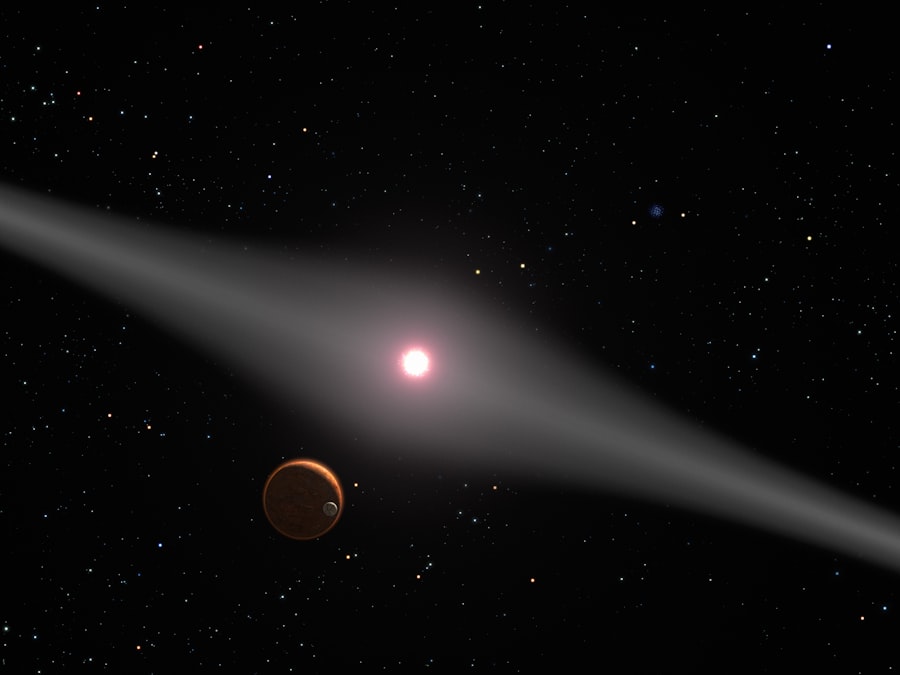
The comet impact hypothesis, like any groundbreaking scientific theory, has faced significant scrutiny and debate. While proponents point to a growing body of evidence, skeptics raise valid questions about the interpretation of data and the consistency of the evidence across all alleged impact sites.
The Difficulty of Direct Impact Evidence
One of the primary challenges for the YDIH is the lack of definitive, large-scale impact craters dated precisely to the Younger Dryas boundary. The geological record is complex, and evidence of ancient impacts can be eroded, buried, or obscured by subsequent geological activity.
The Absent Crater: A Lingering Question
The absence of a clear, single impact crater attributable to the YD event has been a significant point of contention. While the hypothesis allows for multiple airbursts and smaller impacts, the lack of a definitive crater site makes the event harder to pinpoint.
Potential Explanations for the Missing Crater
Proponents suggest that the cometary fragments may have been relatively small, leading to atmospheric explosions rather than large cratering events, or that the impacts occurred in oceans, where evidence is harder to find.
The Role of Erosional Processes
Over millennia, even large craters can be significantly degraded by erosion, sedimentation, and tectonic activity, making their identification challenging.
Reinterpreting the Evidence: Alternative Explanations
Critics of the YDIH often propose alternative, more conventional explanations for the observed anomalies.
Terrestrial Sources for Anomalies
Some scientists argue that the platinum and iridium, nanodiamonds, and microspherules found in the YDB layer could have terrestrial origins, perhaps linked to volcanic activity, meteorite showers, or even human activities.
Volcanic Plumes and their Contents
Certain volcanic eruptions can release platinum-group elements into the atmosphere and create localized melting and glass formation.
Micro-meteorite Showers
The Earth is constantly bombarded by microscopic meteorites, and a concentrated shower could potentially deposit similar materials.
Climate Change as the Primary Driver
Many geoscientists maintain that the Younger Dryas cooling and the megafaunal extinctions can be adequately explained by more gradual, though still significant, climatic shifts related to ocean current changes and meltwater pulses at the end of the last ice age.
The Meltwater Pulse Theory
This theory suggests that a massive release of meltwater into the North Atlantic could have disrupted major ocean currents, leading to rapid cooling.
Gradual Extinction vs. Sudden Catastrophe
Critics argue that the extinctions, while significant, could have occurred over a longer period than the YDIH proposes and were driven by the cumulative effects of climate change.
The Debate Over Human Civilization
The YDIH also controversially suggests a link between the comet impact and the disruption or collapse of early human settlements, particularly the Natufian culture in the Levant. Evidence like evidence of destruction layers and abandonment of settlements aligns with a sudden catastrophic event, but the direct causal link remains debated.
The Natufian Culture: A Flourishing Society
The Natufian culture, prevalent in the southern Levant at the time, was characterized by sophisticated hunter-gatherer settlements and the early stages of plant domestication.
Evidence of Disruption: A Smoking Gun?
Archaeological sites associated with the Natufians show evidence of destruction, abandonment, and a subsequent decline in population and cultural complexity, precisely aligning with the timing of the YD event.
The Debate: Impact or Human Conflict/Environmental Stress?
While the timing is suggestive, it’s debated whether these changes were directly caused by a comet impact or by a combination of climate stress, human conflict, or social pressures.
The Evolving Landscape of Research: New Discoveries and Technologies

Despite the controversies, the comet impact hypothesis has spurred a significant amount of new research. Advances in analytical techniques and the exploration of new sites continue to refine the evidence and present new avenues of investigation.
Expanding the Search: Global Sites and Data
Researchers have relentlessly expanded their search for the YDB anomaly to sites across the globe, from North America and Europe to the Middle East, Asia, and even Antarctica.
The Siberian Sediments: Further Evidence
Recent discoveries in Siberia have added to the growing body of evidence, with sediment layers exhibiting characteristics consistent with the YDIH.
Antarctic Ice Cores: A Unique Archive
Antarctic ice cores, preserving ancient atmospheric conditions, have been analyzed for trace elements and isotopes that might shed light on an impact event.
Advanced Analytical Techniques: Pinpointing the Source
Modern scientific instruments provide unprecedented precision in analyzing the composition and origin of materials found in the YDB layer.
Isotopic Analysis: Tracing Origins
Isotope ratios of elements like osmium and nitrogen can help differentiate between terrestrial and extraterrestrial sources.
Electron Microscopy and Spectroscopy: Revealing Microscopic Clues
High-resolution microscopy and spectroscopic analysis allow scientists to examine the structure and chemical makeup of nanodiamonds and microspherules in minute detail.
Computational Modeling: Simulating Cataclysms
Sophisticated computer simulations are used to model the effects of cometary impacts and airbursts, helping scientists understand the potential energy release and atmospheric consequences.
Airburst Dynamics: Understanding the Blast
These models can help determine the atmospheric pressure, temperature, and firestorm potential of different impact scenarios.
Climate Feedback Loops: Predicting Environmental Shifts
Simulations can also predict how the injection of dust and water vapor into the atmosphere could trigger long-term climate feedback loops, leading to events like the Younger Dryas.
The Comet impact hypothesis suggests that a significant comet collision may have played a crucial role in shaping Earth’s history, particularly during the late Pleistocene epoch. This theory has sparked interest in various scientific fields, including geology and archaeology, as researchers seek to understand the implications of such events on ancient civilizations. For instance, the study of ancient hydraulic engineering reveals how early societies adapted to their environments, which can be further explored in this insightful article on masterpieces of water management. Understanding these engineering marvels can provide context on how ancient peoples responded to environmental changes, possibly influenced by catastrophic events like comet impacts.
The Future of the Hypothesis: Ongoing Investigation and Potential Implications
| Metrics | Data |
|---|---|
| Comet impact hypothesis | Proposes that a comet impact caused a mass extinction event |
| Impact Date | Estimated to be around 66 million years ago |
| Location | Chicxulub crater in Mexico |
| Effects | Global wildfires, tsunamis, and climate change |
| Extinction | Believed to have led to the extinction of dinosaurs |
The comet impact hypothesis is not a settled theory but a dynamic area of scientific inquiry. As research continues, it promises to shed more light on our planet’s past and potentially influence our understanding of astronomical risks.
The Search for Smoking Guns: Definitive Proof
The ultimate goal for proponents of the YDIH is to find more conclusive and irrefutable evidence of a cometary impact around 12,800 years ago. This could involve the discovery of a definitive impact crater, distinct extraterrestrial ejecta, or a more direct link to specific geological or atmospheric events.
Unearthing Impact Structures: The Ultimate Proof
The discovery of a large, undisputed impact structure dating precisely to the Younger Dryas would be a watershed moment for the hypothesis.
Independent Verification: The Scientific Consensus
Achieving a scientific consensus will require independent verification of the evidence by a broad range of researchers and the resolution of existing interpretations.
Broader Implications: Understanding Earth’s History and Risks
If the comet impact hypothesis is substantiated, its implications would be far-reaching. It would necessitate a re-evaluation of the drivers of major extinction events, the course of human technological and cultural development, and our understanding of the dynamic and potentially hazardous nature of our solar system.
Rethinking Extinction Events: A Cosmic Influence
The hypothesis suggests that extraterrestrial impacts may have played a more significant role in Earth’s mass extinction events than previously understood.
The Cosmic Catastrophe Narrative: Shaping Human History
If confirmed, the YDIH would offer a dramatic new narrative for a pivotal period in human history, connecting our ancestors’ fate to cosmic forces.
Asteroid and Comet Defense: A Renewed Urgency
A validated understanding of past impact events underscores the importance of ongoing efforts in asteroid and comet detection and deflection strategies.
The journey to uncover the comet impact hypothesis is a testament to the scientific method’s power to explore the unknown. From the meticulous analysis of ancient sediments to the complex simulations of cosmic events, scientists are piecing together a story that could rewrite our understanding of Earth’s tumultuous past. The debate continues, but the evidence, though contested, points towards a profound and transformative event that may have shaped the very world we inhabit. The whispers of a celestial visitor, once dismissed as fringe speculation, are now becoming a central focus in the grand narrative of our planet’s history.

This Crater Was Supposed to Rewrite Human History… It Didn’t
FAQs
What is the comet impact hypothesis?
The comet impact hypothesis suggests that a comet collision with Earth may have caused a significant impact on the planet’s environment and potentially led to mass extinctions in the past.
What evidence supports the comet impact hypothesis?
Evidence supporting the comet impact hypothesis includes the discovery of impact craters, such as the Chicxulub crater in Mexico, and the presence of impact-related materials like shocked quartz and iridium in sediment layers corresponding to mass extinction events.
What are some examples of mass extinctions possibly caused by comet impacts?
The most well-known example is the Cretaceous-Paleogene extinction event, which occurred around 66 million years ago and is associated with the extinction of the dinosaurs. Another example is the Younger Dryas event, which occurred around 12,900 years ago and is associated with the extinction of several large mammal species.
How do scientists study the potential effects of comet impacts?
Scientists study the potential effects of comet impacts through computer simulations, laboratory experiments, and field studies of impact craters and associated geological formations. They also analyze the chemical and biological signatures left behind by impact events.
What are the implications of the comet impact hypothesis for understanding Earth’s history and future risks?
The comet impact hypothesis has significant implications for understanding Earth’s history, including the role of catastrophic events in shaping the planet’s evolution. It also highlights the potential risks of future comet impacts and the importance of monitoring and mitigating these risks.