
The silent behemoths of the earth, deep underground mines, represent humanity’s relentless drive to extract the planet’s buried treasures. These engineering marvels, pushing ever deeper into the crust, are testaments to human ingenuity and technological prowess. However, beneath the veneer of success lies a stark reality: the constant threat of costly engineering failures. These failures, often born from complex geological conditions, unforeseen stresses, and sometimes, human error, can lead to catastrophic consequences, both in terms of financial losses and, more importantly, human lives. Uncovering the nature, causes, and implications of these costly engineering failures is crucial for ensuring the safety and sustainability of deep underground mining operations worldwide.
Deep underground mines are not merely holes in the ground; they are intricate excavations within the earth’s crust, subjected to immense forces. The sheer weight of rock overhead, known as overburden pressure, is a primary concern. As excavations delve deeper, this pressure increases exponentially, creating a complex stress environment that can exceed the inherent strength of the rock mass.
The Intricacy of Rock Mechanics
Understanding rock mechanics is paramount. Rock is not a monolithic entity but a complex, fractured material whose behavior is influenced by its mineral composition, existing geological structures (faults, joints, bedding planes), and the presence of groundwater. In deep environments, these factors become amplified, leading to phenomena like rockbursts, squeezing ground, and large-scale deformations.
Rockbursts: The Sudden Release of Stored Energy
Rockbursts are perhaps the most dramatic and dangerous geotechnical failures. They occur when the elastic strain energy stored within the rock mass is suddenly released, causing violent fragmentation and ejection of rock into the mine openings. These events can range from localized spalling to large-scale cave-ins, posing an immediate and severe threat to personnel and equipment. The brittle nature of many rocks at depth, coupled with high stress concentrations around excavations, creates the conditions for such seismic-like events. Identifying zones of high stress and understanding the rock mass’s elastic properties are critical for predicting and mitigating rockbursts.
Squeezing Ground: The Gradual Deformation of Mine Openings
In contrast to the sudden violence of rockbursts, squeezing ground represents a more insidious threat. This phenomenon occurs when the surrounding rock mass deforms inward under the immense overburden pressure, gradually closing mine openings. While less immediately catastrophic, persistent squeezing can render entire sections of a mine inoperable, leading to significant production losses and the costly necessity of re-excavating or abandoning tunnels. The ductile behavior of certain rock types, coupled with high confining pressures, contributes to this gradual inward movement.
Groundwater and Hydrothermal Influences
Water, a ubiquitous presence in the earth, can also be a significant factor in geotechnical stability. In deep mines, groundwater can exert hydrostatic pressure, reducing the effective stress on the rock mass and potentially increasing its susceptibility to failure. Furthermore, hydrothermal fluids, common in geologically active deep environments, can alter the mineralogy of the rock, weakening its structural integrity and leading to dissolution or swelling of certain minerals, further compromising stability.
Engineering failures can have catastrophic consequences, especially when they occur in extreme environments, such as 12 kilometers underground. One notable incident that highlights the challenges faced by engineers in such conditions is detailed in an article that discusses the shift to manufacturing in the southern United States, which emphasizes the importance of robust engineering practices. For more insights into the complexities of engineering and manufacturing, you can read the article here: The Shift to Southern US Manufacturing.
The Engineering Response: Design, Support, and Monitoring
The engineering of deep underground mines is a delicate balancing act between maximizing resource extraction and ensuring the long-term stability of the excavations. This involves sophisticated design methodologies, robust ground support systems, and continuous monitoring.
Designing for the Abyss: Excavation Geometry and Layout
The initial design of mine openings plays a crucial role in their stability. The size, shape, and orientation of tunnels, shafts, and stopes are carefully considered to minimize stress concentrations. For example, circular or arched openings are generally more stable under pressure than rectangular ones. The layout of the mine, including the spacing of excavations and the preservation of natural support pillars, is also critical for preventing widespread collapse.
Stress Analysis and Numerical Modeling
Modern mine design relies heavily on advanced numerical modeling techniques. Finite element analysis (FEA) and distinct element method (DEM) are used to simulate the complex stress distributions around excavations and predict potential failure mechanisms. These models help engineers identify critical areas where ground support will be most needed and optimize the geometry of the excavations to minimize risks.
Pillar Design and Optimization
In many mining methods, large blocks of ore are left unminced as pillars to support the overlying rock mass. The design of these pillars is a critical aspect of ensuring mine stability. Overly large pillars can reduce resource recovery, while too-small pillars can lead to their failure and potentially trigger a wider collapse. Optimization involves a complex interplay between geomechanics, economics, and mining method.
The Crucial Role of Ground Support
Once an excavation is made, its stability is maintained through the application of ground support. This can range from simple timber sets to sophisticated steel arch supports, rock bolts, and shotcrete. The choice and design of ground support systems are dictated by the geological conditions and the expected stresses.
Rock Bolting: Anchoring the Rock Mass
Rock bolts are a common and effective form of ground support. They are installed by drilling holes into the rock and inserting steel bars, which are then anchored at the back of the hole. When tightened, these bolts create a compressive force that binds the rock mass together, effectively increasing its strength and preventing it from failing. Different types of bolts, including mechanical and grouted anchors, are used depending on the rock conditions.
Shotcrete and Sprayed Fibers: Creating a Protective Shell
Shotcrete, a high-strength concrete sprayed onto the rock surface, acts as a sealant and a binder. It helps to prevent the ingress of water, seals minor cracks, and provides a degree of surface support. The addition of steel or synthetic fibers to shotcrete significantly enhances its tensile strength, making it more effective in resisting rockbursts and deformations.
Steel Sets and Other Structural Supports
In areas of particularly weak or unstable ground, more robust structural supports may be required. Steel sets, typically in the form of arches or rings, are installed at regular intervals to provide significant structural resistance. Other specialized support systems, such as yieldable steel arches, are designed to deform gradually under increasing pressure, absorbing energy and preventing catastrophic failure.
The Vigilance of Monitoring and Instrumentation
Even with the most robust designs and support systems, continuous monitoring is essential. A network of instruments is deployed to measure stresses, displacements, and seismic activity within the mine. This data provides real-time insights into the behavior of the rock mass and allows engineers to take proactive measures if conditions deteriorate.
Inclinometers and Extensometers: Measuring Deformation
Inclinometers and extensometers are used to measure the slow, gradual deformations that can occur in mine openings. Inclinometers measure changes in the angle of a borehole, indicating lateral movement, while extensometers measure the distance between two points to detect convergence or divergence of the rock walls.
Stressmeters and Strain Gauges: Quantifying Forces
Stressmeters and strain gauges are installed directly into the rock to measure the stresses and strains experienced by the rock mass. This direct measurement provides critical data for validating numerical models and assessing the effectiveness of ground support.
Seismometers and Micro-seismic Monitoring: Detecting Rockburst Precursors
A network of seismometers and micro-seismic monitoring systems is used to detect and locate small seismic events within the mine. The analysis of these micro-seismic signals can help identify areas where stress is accumulating and potentially predict the likelihood of a larger rockburst.
The High Price of Failure: Financial and Human Costs
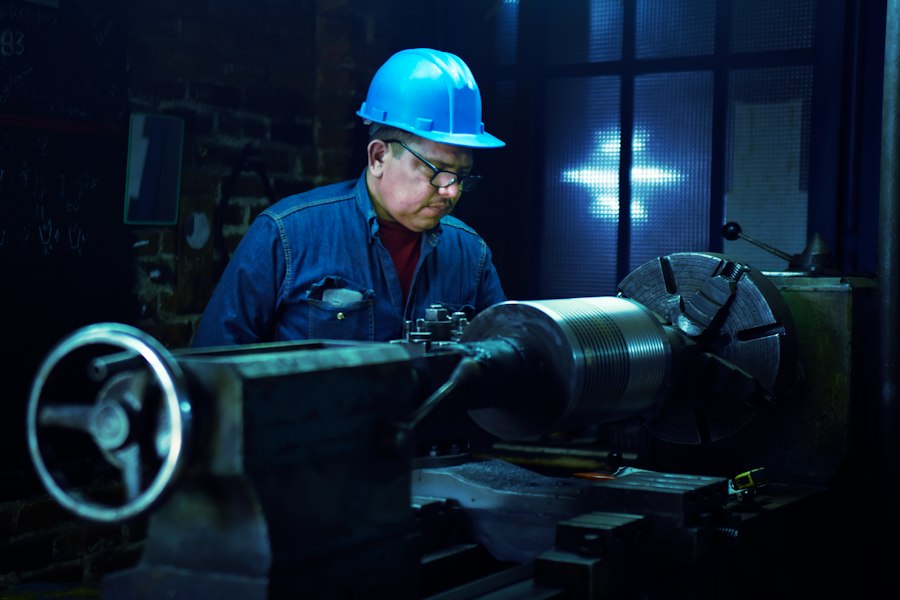
The consequences of engineering failures in deep underground mines are far-reaching and devastating. The financial implications are substantial, but they are dwartless compared to the immeasurable cost of human lives lost and the long-term impact on those affected.
Catastrophic Financial Losses
When a significant engineering failure occurs, the financial repercussions can be immense. This includes:
Production Shutdowns and Lost Revenue
A major collapse or prolonged instability can lead to the complete shutdown of production for extended periods. This directly translates into lost revenue, impacting the profitability of the mining operation and potentially leading to job losses.
Repair and Remediation Costs
Rectifying the damage caused by a failure can be incredibly expensive. This involves re-excavating collapsed tunnels, installing new and often more robust ground support, and potentially abandoning entire sections of the mine. These costs can run into millions, if not tens of millions, of dollars.
Legal and Insurance Liabilities
Failures often lead to investigations, legal challenges, and significant insurance claims. The mining company may be held liable for damages, further exacerbating the financial burden.
Reputational Damage and Investor Confidence
A series of failures can severely damage a mining company’s reputation, making it difficult to attract investors and secure future funding. This can have a long-term impact on the company’s ability to operate and expand.
The Irreplaceable Loss of Life and Injury
The most tragic and irreversible consequence of engineering failures is the loss of human life and the severe injuries sustained by miners.
Fatalities and Serious Injuries
Rockbursts, collapses, and flooding can result in immediate fatalities or leave miners with life-altering injuries. The confined and hazardous nature of underground environments amplifies the danger posed by these events.
Psychological Trauma and Post-Traumatic Stress Disorder (PTSD)
Survivors of catastrophic failures, as well as their colleagues and families, can suffer profound psychological trauma. PTSD, anxiety, and depression are common, requiring extensive and long-term support.
The Human Element: Fatigue, Stress, and Decision-Making
While engineering is a science, the human element cannot be overlooked. Fatigue, stress, and the pressure to meet production targets can influence decision-making and potentially lead to shortcuts or overlooked safety protocols, which can be precursors to failure.
Case Studies: Lessons Learned from Past Failures

Examining historical engineering failures in deep underground mines provides invaluable lessons and underscores the importance of robust engineering practices and a strong safety culture.
The Crushing Weight of Overburden: A South African Gold Mine Collapse
A well-documented case involves a major collapse in a South African gold mine. The failure was attributed to a combination of high in-situ stresses, inadequate pillar design, and the presence of weak geological structures. The collapse led to the loss of several lives and extensive damage to the mine. This incident highlighted the critical importance of accurate stress analysis and meticulous pillar design in deep hard-rock mining.
The Unforeseen Forces of Rockbursts: A Canadian Hard Rock Mine Incident
Another significant event occurred in a Canadian hard rock mine, where a violent rockburst resulted in fatalities and significant damage. The rockburst was believed to be triggered by the intersection of geological faults and the high stress environment around a newly developed excavation. This case emphasized the need for advanced micro-seismic monitoring and real-time stress assessment to identify and manage potential rockburst hazards.
The Infiltration of Water: A Chilean Copper Mine Flooding Event
While not strictly a geotechnical failure in the sense of rock mass collapse, a severe flooding event in a Chilean copper mine, exacerbated by the failure of underground sumps and drainage systems, underscores the importance of managing water in deep environments. The flooding not only caused significant damage but also posed a serious threat to the safety of miners. This event demonstrated the interconnectedness of different engineering systems and the need for comprehensive risk assessments that include hydrogeological considerations.
In the realm of engineering, the challenges of operating 12 kilometers underground can lead to significant failures, as highlighted in a recent article that discusses the complexities of subterranean construction. These challenges are not unlike those faced in space exploration, where the need for robust engineering solutions is paramount. For a deeper understanding of the strategic considerations involved in such high-stakes environments, you can read more about it in this insightful piece on the United States Space Force’s lunar strategy here.
Preventing Future Failures: A Proactive Approach to Safety and Innovation
| Metric | Value | Unit | Description |
|---|---|---|---|
| Depth of Failure | 12,000 | meters | Depth at which the engineering failure occurred |
| Temperature | 180 | °C | Estimated temperature at 12 km depth |
| Pressure | 300 | MPa | Approximate lithostatic pressure at failure depth |
| Rock Type | Granite | – | Dominant rock formation at failure site |
| Failure Mode | Shear Fracture | – | Type of mechanical failure observed |
| Time to Failure | 48 | hours | Duration from initial stress application to failure |
| Stress Magnitude | 120 | MPa | Applied stress causing failure |
| Displacement | 0.05 | meters | Amount of movement along the failure plane |
| Seismic Activity | Magnitude 3.2 | Richter | Seismic event associated with the failure |
The pursuit of safety and the prevention of costly engineering failures in deep underground mines requires a continuous commitment to improvement, embracing new technologies, and fostering a culture where safety is paramount.
Enhancing Geotechnical Understanding and Prediction
The ongoing advancement of geotechnical science is crucial for improving our understanding of rock behavior at depth.
Advanced In-Situ Testing and Characterization
Developing more sophisticated methods for characterizing the rock mass in-situ, including advanced geological mapping, geophysical surveys, and in-situ testing of rock properties, is essential for creating more accurate predictive models.
Predictive Modeling and Machine Learning
The application of machine learning and artificial intelligence to geotechnical data holds immense promise for developing more accurate predictive models for rockbursts, ground deformation, and other failure mechanisms. By analyzing vast datasets, these algorithms can identify subtle patterns and precursors that may be missed by traditional methods.
Embracing Technological Innovation in Design and Support
The mining industry must continue to embrace and invest in technological advancements that enhance safety and efficiency.
Automation and Robotics in Hazardous Environments
The use of automation and robotics in hazardous areas of deep mines can significantly reduce the risk to human personnel. Remotely operated vehicles (ROVs) for inspection, drilling, and even some support installation can operate in conditions that are too dangerous for humans.
Novel Ground Support Materials and Systems
Research and development into new and more effective ground support materials and systems are ongoing. This includes exploring advanced composites, self-healing materials, and adaptive support systems that can respond to changing stress conditions.
Fostering a Robust Safety Culture and Continuous Training
Beyond technological solutions, a strong safety culture is the bedrock of preventing failures.
Comprehensive Training and Competency Assurance
Ensuring that all personnel, from management to frontline workers, receive comprehensive and ongoing training on safety protocols, hazard identification, and emergency procedures is non-negotiable. Regular competency assessments are crucial to maintain a high standard of safety awareness.
Open Communication and Reporting Systems
Establishing transparent and accessible reporting systems for near misses, hazards, and safety concerns is vital. A culture where employees feel empowered to speak up without fear of reprétouris is essential for identifying and addressing potential issues before they escalate.
Learning from Incidents: Root Cause Analysis and Knowledge Sharing
When incidents do occur, a thorough and unbiased root cause analysis is imperative. The lessons learned from these analyses must be effectively disseminated throughout the industry to prevent similar failures from happening elsewhere. This knowledge sharing can occur through industry conferences, publications, and collaborative initiatives.
The deep underground mining industry is a frontier of human endeavor, pushing the boundaries of engineering and resource extraction. The inherent risks are substantial, and the potential for costly engineering failures, with their devastating financial and human consequences, is ever-present. By rigorously applying scientific principles, embracing technological innovation, and cultivating an unwavering commitment to safety, the industry can continue to unlock the earth’s treasures while striving to minimize the tragic toll of failure, ensuring a safer and more sustainable future for those who work beneath the surface. The ongoing pursuit of knowledge and the meticulous application of best practices are the cornerstones of uncovering and, more importantly, preventing the costly engineering failures that haunt the depths of our mines.

They Drilled 12 KM Into Earth — Then Everything Changed
FAQs
What was the engineering failure that occurred 12 kilometers underground?
The engineering failure that occurred 12 kilometers underground was a tunnel collapse in a mining operation.
What were the consequences of the engineering failure?
The consequences of the engineering failure included injuries to workers, damage to equipment, and a halt in mining operations.
What factors may have contributed to the engineering failure?
Factors that may have contributed to the engineering failure include poor structural design, inadequate support systems, geological instability, or human error.
How was the engineering failure addressed and resolved?
The engineering failure was addressed by conducting a thorough investigation to determine the root cause of the collapse. Measures were then taken to reinforce the tunnel structure and improve safety protocols.
What lessons can be learned from this engineering failure?
Lessons that can be learned from this engineering failure include the importance of proper planning, design, and maintenance in underground operations, as well as the need for effective risk management and emergency response protocols.