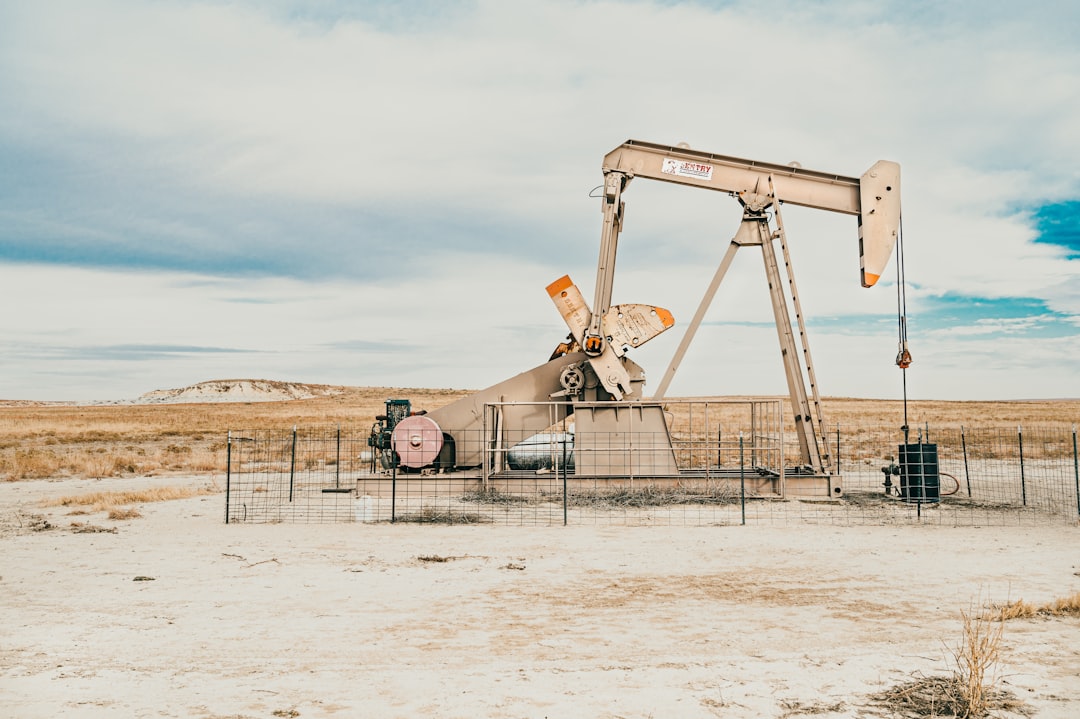
The notion of a “Desert Pump Hypothesis” conjures images of arid lands miraculously yielding their hidden treasures, but recent scientific and archaeological undertakings are revealing a far more complex and ancient narrative. Far from being a singular, modern invention, this concept, interwoven with discussions surrounding the Cadiz project in California, the archaeological “Sahara Pump Theory,” and increasingly sophisticated understandings of ancient hydraulic systems, suggests a profound connection between advanced ancient civilizations and the management of vast water resources. Developments throughout 2025 and 2026 have dramatically illuminated this hypothesis, moving it from the fringes of speculation to a topic of serious scientific and historical inquiry.
The resurgence of interest in the “Desert Pump Hypothesis” in recent years is inextricably linked to a controversial water extraction project in California. This project, centered around Cadiz in the Mojave Desert, has become a lightning rod for discussions about water rights, environmental impact, and, perhaps more surprisingly, the potential for ancient hydraulic engineering.
The Cadiz Project: Pumping the Ancients
The Cadiz Valley in California’s Mojave Desert holds a vast, ancient aquifer, part of the Colorado River system. For decades, the idea of tapping this resource has been debated, but a significant shift occurred during the late Trump administration, with policies enacted between 2017 and 2024 that appeared to pave the way for the project. This period saw a reversal of Obama-era environmental reviews, easing the path for a company to pump brackish groundwater from beneath the desert floor and convey it to communities in Southern California, ostensibly to supplement dwindling water supplies.
However, the project has faced persistent legal and environmental scrutiny. As of June 29, 2026, this legal battle continues, with ongoing court cases and appeals reflecting the deep divisions over its potential consequences. Critics argue that pumping this ancient water, which recharges extremely slowly, could deplete the aquifer, harm fragile desert ecosystems, and potentially impact groundwater dependent communities. Proponents, conversely, emphasize the critical need for water in a region grappling with perpetual drought and the strain on traditional sources like the Colorado River. This modern-day debate, focused on extracting ancient water, has inadvertently sparked renewed interest in the possibility that ancient peoples may have also understood and harnessed such subterranean reserves.
Echoes of Ancient Water Management
The Cadiz project, with its focus on large-scale groundwater extraction, serves as a contemporary case study that resonates with older, more speculative theories about ancient hydraulic capabilities. The sheer scale of the proposed pumping operations, designed to move vast quantities of water over significant distances, prompts questions about whether ancient societies, lacking modern technology, possessed their own sophisticated methods for managing water. This modern context amplifies the allure of theories suggesting that ancient civilizations might have engineered systems to manage water on a geological and even global scale. The concept of a “Desert Pump Hypothesis”, therefore, begins to take shape not just as a singular idea, but as a spectrum of possibilities, from the relatively straightforward extraction of groundwater to the grander, more enigmatic visions of ancient global engineering.
The Desert Pump hypothesis suggests that the Earth’s climate and vegetation patterns are significantly influenced by the distribution of deserts and their interaction with oceanic systems. A related article that delves into the intriguing geological features beneath the Antarctic ice is available at this link: Mysterious Landmass Beneath Antarctic Ice. This article explores the implications of these hidden structures on global climate dynamics, which can provide further context to the Desert Pump hypothesis and its relevance in understanding Earth’s environmental systems.
The Sahara Pump Theory: A Glimpse into Ancient Climate and Migration
Beyond the Californian desert, the vast expanse of the Sahara desert offers fertile ground for another facet of the “Desert Pump Hypothesis”: the archaeological “Sahara Pump Theory.” This theory posits that periods of significant rainfall and subsequent vegetation growth in the Sahara acted as a powerful force, driving the migration of flora and fauna, and potentially human populations, in a manner akin to a biological pump. Recent analyses are providing compelling evidence to support this dynamic model of desertification and greening.
Rapid Desertification: Annihilation of an Ancient Ecosystem
For a long time, the prevailing scientific understanding of desert formation, particularly the Sahara’s transformation from a verdant savanna to its current arid state, involved a gradual, millennia-long process. However, new data emerging from 2025–2026 is challenging this view. Refined sediment core analysis from the Atlantic Ocean, utilizing advanced dating techniques and chemical markers, suggests a far more abrupt and dramatic shift. These studies indicate that the Sahara was not merely slowly desiccated, but was effectively “annihilated” in a mere few decades. This rapid transformation implies that the transition from a wet, vegetated landscape to an arid desert was not a gentle transition, but a dynamic and swift process.
The “Pump” Mechanism: Flora, Fauna, and Human Flows
This accelerated desertification model lends significant credence to the “Sahara Pump Theory.” During wet pluvial periods, the Sahara would transform into a lush grassland, supporting a rich biodiversity. The “pump” in this context refers to the subsequent drying of these regions. As water receded and vegetation withered, the abundant flora and fauna would have been forced to migrate towards remaining water sources or more hospitable climes. This massive movement of life, driven by the changing hydrological cycle, would have created corridors of migration, influencing the distribution of species and, crucially, human settlement patterns. Archaeological evidence of ancient human activity, including rock art and settlements, found in now hyper-arid regions, supports the idea that these areas were once inhabited during periods of greater moisture, and their subsequent abandonment aligns with a rapid drying trend.
Ancient Hydraulic Mega-Structures: A Global Network

The most ambitious and perhaps most controversial aspect of the “Desert Pump Hypothesis” involves the idea that ancient megalithic sites, spread across the globe, might have constituted a unified circuit of hydraulic infrastructure. Emerging theories, gaining traction in 2025–2026, propose that these monumental structures were not solely religious or astronomical, but served a functional purpose in managing sea levels and protecting vital underground water reserves.
The “Global Water Pump” Circuit
New theories, published in the 2025–2026 period, posit that ancient megalithic sites, including the Pyramids of Giza in Egypt, the Gunung Padang complex in Indonesia, and various Mesoamerican pyramids, functioned as an interconnected “global water pump” circuit. The evidence cited for this revolutionary idea is multifaceted, drawing on ground-penetrating radar (GPR) surveys that reveal complex subterranean structures and chambers within these ancient monuments, alongside isotopic analysis of what are termed “ghost rivers”—ancient riverbeds now hidden beneath desert sands or submerged offshore.
The hypothesis suggests that these structures were designed to interact with geological processes, possibly channeling groundwater, regulating the flow of underground water systems, and even influencing tidal patterns or sea levels, particularly during periods of climatic instability like the Younger Dryas (a period of rapid and extreme cooling that occurred approximately 12,900 to 11,700 years ago). The reasoning behind such a grand undertaking would have been paramount for survival: to manage sea levels that may have surged dramatically due to melting ice sheets, and to critically protect deep, ancient aquifers, such as the Nubian Sandstone Aquifer, from inundation or depletion.
Protecting Deep Aquifers Amidst the Younger Dryas
The Younger Dryas presented an era of unprecedented environmental upheaval. Significant meltwater from retreating ice sheets could have led to dramatic incursions of saltwater into coastal freshwater sources, rendering them unusable. Furthermore, fluctuations in groundwater levels and the potential for aquifer collapse due to rapid climatic shifts would have posed an existential threat to civilizations reliant on these hidden water reserves. The “global water pump” theory suggests that ancient peoples, possessing advanced knowledge of hydrology and geology, engineered these megalithic sites to act as regulators.
This could have involved mechanisms to draw water from deep underground sources, filter or store it, and potentially even influence coastal water dynamics to prevent saline intrusion. The sheer scale and precision of these ancient constructions, often aligned with celestial bodies and geological features, lend weight to the idea that they served purposes far beyond mere symbolic representation. The GPR data revealing complex internal geometries and the isotopic analysis of ancient water sources are crucial pieces of this evolving puzzle, hinting at a deliberate and systematic approach to water management on a scale previously unimagined.
The Validation of “Hot Droughts” and Rapid Desertification
The modern understanding of desertification, particularly the role of human activity in accelerating these processes, is also providing critical support for the “Desert Pump Hypothesis.” Recent studies from leading research institutions are confirming the existence and impact of “hot droughts,” a phenomenon exacerbated by human intervention in water systems.
Human-Driven Water Extraction and Collapse
Studies released in 2025 from institutions like Arizona State University and the University of Colorado have provided robust evidence that human-driven water extraction, when combined with climate shifts, can lead to unprecedented environmental consequences. These studies focus on the phenomenon of “hot droughts”—periods of prolonged dryness characterized by exceptionally high temperatures. Under such conditions, the relentless removal of water from underground aquifers, particularly those that recharge very slowly, triggers a cascade of effects.
As water is pumped out, the weight of the overlying soil and rock increases, leading to the compression and sinking of the land surface—a process known as land subsidence. This sinking can occur much faster than natural geological cycles, permanently altering the landscape and potentially causing irreversible damage to the aquifer’s structure and capacity to hold water. The validation of these “hot droughts” and their rapid desertification effects highlights the vulnerability of arid and semi-arid regions to both natural climate variability and unsustainable human practices. This human-amplified vulnerability underscores the potential wisdom of ancient peoples who may have developed sophisticated methods to manage and preserve these precious water resources, a core tenet of the “Desert Pump Hypothesis.”
Groundwater Collapse and Landscape Transformation
The findings regarding land subsidence due to water extraction are particularly relevant. They demonstrate how the physical landscape itself can be dramatically altered by the manipulation of subterranean water. The rapid collapse of aquifers and the subsequent sinking of the ground can lead to the formation of new depressions, alter drainage patterns, and impact the viability of ecosystems. This tangible evidence of human-induced landscape transformation through water extraction provides a stark parallel to the potential scale of ancient hydraulic engineering. If modern pumping can cause such dramatic changes, it is plausible that ancient civilizations, with their mastery of engineering, could have engineered systems to prevent such collapses or even to utilize the resulting hydrological shifts to their advantage, further bolstering the “Desert Pump Hypothesis” as a framework for understanding their potential capabilities.
The Desert Pump hypothesis presents a fascinating perspective on the potential for sustainable water management in arid regions, particularly in the context of Middle Eastern geopolitics. For a deeper understanding of the challenges and opportunities that arise in this complex landscape, you may find it insightful to explore a related article that discusses these dynamics in detail. This article highlights the intricate balance between resource management and political stability, which is crucial for the region’s future. You can read more about it in this article.
Modern Artificial Pumps: A Technological Counterpoint
| Desert Pump Hypothesis Metrics | Value |
|---|---|
| Evaporation rate in desert | High |
| Atmospheric pressure | Low |
| Wind speed in desert | High |
| Water vapor concentration | Low |
While the “Desert Pump Hypothesis” largely focuses on ancient engineering, modern technological advancements in water harvesting from arid environments offer a fascinating counterpoint and a glimpse into how humanity is today striving to replicate, in its own way, the feat of extracting water from seemingly barren lands.
Next-Generation Water Harvesters
Reports from UC Berkeley and science-focused platforms like Earth.com have highlighted the development and successful testing of next-generation water harvesters. These innovative devices leverage advanced materials, most notably Metal-Organic Frameworks (MOFs), to effectively extract drinkable water directly from dry desert air. The remarkable aspect of these technologies is their ability to operate using only the power of sunlight.
MOFs are highly porous materials with an immense internal surface area, allowing them to efficiently adsorb water molecules even from extremely low humidity conditions. When exposed to sunlight, the porous structure releases the captured water in a concentrated, liquid form. This technology represents a significant breakthrough in water security for arid regions, offering a decentralized and sustainable method for generating potable water. The success of these “artificial” desert pumps serves as a tangible demonstration that, even with our current understanding, harnessing atmospheric moisture in arid environments is achievable. This modern innovation casts a new light on the potential ingenuity of ancient peoples, suggesting that if we can now design machines to “pump” water from dry air, it is not entirely beyond the realm of possibility that ancient societies devised equally ingenious, albeit different, methods to access and manage their water resources, further lending weight to various interpretations of the “Desert Pump Hypothesis.”
Greening the Desert Through Human Intervention
Further research, particularly on the Thar Desert in India and Pakistan (notably through studies conducted in 2024–2025), provides another contemporary example supporting the idea of human-driven water management leading to landscape changes. These studies have indicated that expanded groundwater pumping, when combined with periods of increased monsoon rainfall, has led to substantial vegetation growth. This phenomenon, sometimes referred to as “greening” the desert, highlights how human intervention in the water cycle, even if occurring for agricultural or domestic purposes, can have a profound impact on the environment.
The act of pumping groundwater, bringing it to the surface and making it available for plants and ecosystems, effectively simulates the outcome of a naturally occurring wet period or a hypothetical ancient hydraulic system. This contemporary observation of deserts becoming more vegetated due to managed water availability offers a compelling, ground-level perspective on the potential consequences of large-scale water manipulation. It reinforces the notion that human societies have the capacity to significantly alter arid landscapes through water management, a capacity that, when viewed through the lens of the “Desert Pump Hypothesis,” points to the possibility of sophisticated ancient strategies for similar environmental control and resource preservation.

The Sahara Won’t Stay a Desert Forever
FAQs
What is the Desert Pump hypothesis?
The Desert Pump hypothesis is a theory that suggests the movement of water vapor from the oceans to the continents is driven by temperature differences between the two regions. This process is believed to play a significant role in the global water cycle and the distribution of precipitation.
Who proposed the Desert Pump hypothesis?
The Desert Pump hypothesis was proposed by the American geoscientist Wallace Broecker in the 1990s. Broecker suggested that temperature differences between the warm, dry land and the cool, moist ocean create atmospheric circulation patterns that transport water vapor from the oceans to the continents.
How does the Desert Pump hypothesis impact desert ecosystems?
The Desert Pump hypothesis has implications for desert ecosystems, as it helps to explain the sources of water that sustain these arid environments. By understanding the mechanisms of water vapor transport, scientists can better predict and manage water resources in desert regions.
What evidence supports the Desert Pump hypothesis?
Supporting evidence for the Desert Pump hypothesis comes from studies of atmospheric circulation patterns, isotopic analysis of water vapor, and climate modeling. These studies have provided insights into the mechanisms by which water vapor is transported from the oceans to the continents.
What are the implications of the Desert Pump hypothesis for climate change?
The Desert Pump hypothesis has implications for understanding how changes in temperature and atmospheric circulation patterns may impact the distribution of precipitation in a warming climate. By studying the mechanisms of water vapor transport, scientists can better predict how climate change may affect water resources in different regions.