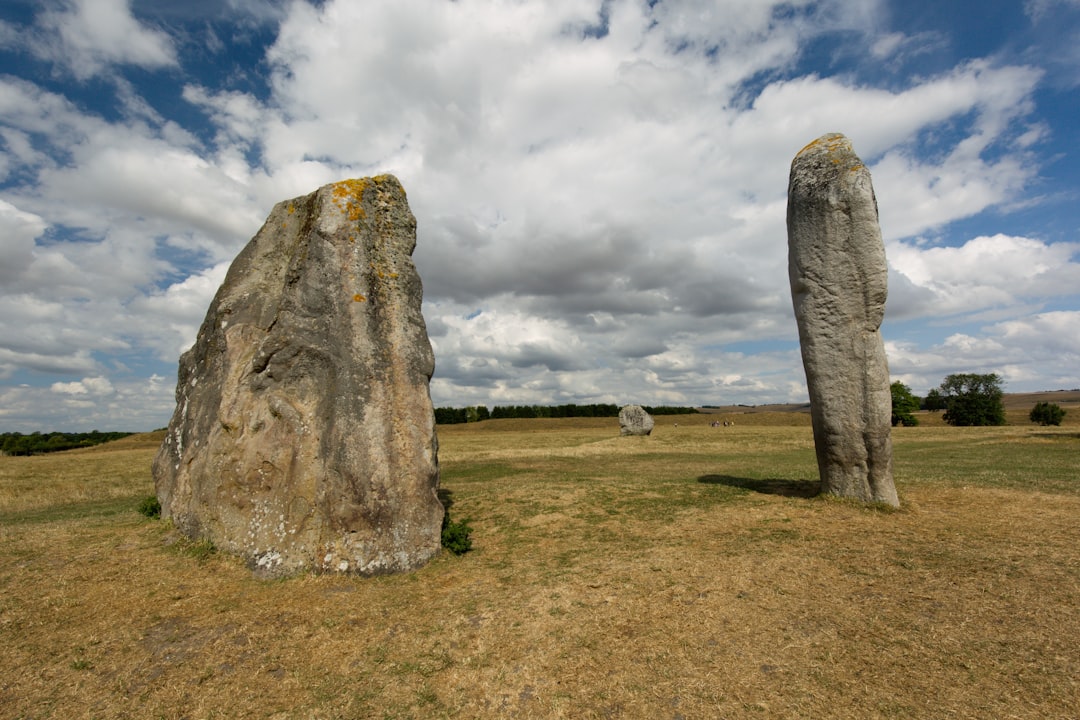
The stark beauty of the desert, a landscape often perceived as barren and unforgiving, holds within it secrets that have baffled archaeologists and historians for centuries. Among these enduring mysteries, the enigmatic desert stone circles stand as silent sentinels, their origins and purpose lost to the winds of time. These formations, scattered across vast arid regions of the globe, from the windswept plains of Africa to the stark expanses of the Middle East and even the remote corners of North America, present a compelling puzzle. Constructed from carefully selected and often massive stones, arranged in precise circular patterns, they invite speculation about the people who created them, their beliefs, and their place in the grand tapestry of human history. The sheer scale of effort required to move and position these stones, in environments where resources are scarce and survival is a daily struggle, speaks volumes about the importance these circles held for their builders. This article will delve into the multifaceted enigma of desert stone circles, exploring their geographical distribution, the theories surrounding their construction and purpose, the archaeological evidence that offers glimpses into their past, and the ongoing efforts to unravel their secrets.
The presence of stone circles is not confined to a single continent or culture; rather, they form a remarkable global phenomenon, suggesting a shared human inclination to mark and venerate sacred or significant spaces, even across vast geographical divides. The common thread is the use of stone, a durable and readily available material in many desert environments, to create enduring structures.
African Oases and Savannahs: The Saharan and Sahelian Circles
In North Africa, particularly within the Sahara Desert and the adjacent Sahel region, numerous stone circles have been documented. These formations, often found near ancient water sources or along historic trade routes, vary in size and complexity. Some consist of simple arrangements of a few stones, while others are elaborate constructions with central hearths or carefully positioned monoliths. The Tuareg people, a nomadic group with deep historical ties to the Sahara, have long been associated with some of these sites, though the ultimate origin of the earliest circles predates their documented presence. The climate of these regions, characterized by extreme temperatures and infrequent rainfall, makes the preservation of archaeological evidence challenging, yet the resilience of stone has allowed these structures to survive for millennia. The presence of these circles in proximity to ancient settlements or burial grounds further fuels speculation about their role in ritualistic practices and communal gatherings.
The Arabian Peninsula: Ancient Tombs and Astronomical Alignments
The Arabian Peninsula, with its vast deserts and a rich history of trade and early civilizations, also boasts a significant number of stone circles. Here, the circles are often found in association with burial sites, leading to the widespread interpretation of them as funerary monuments. The meticulously arranged stones, sometimes forming cairns or enclosing burial chambers, suggest a profound reverence for the deceased and a desire to commemorate their lives and ensure their passage to the afterlife. Beyond their funerary associations, there is growing evidence to suggest that some Arabian stone circles may have served astronomical purposes, aligning with celestial bodies such as the sun and moon. This intersection of the earthly and the celestial highlights the complex belief systems of these ancient societies. The sheer effort involved in transporting and positioning these stones in such a challenging environment underscores the paramount importance of these rituals and the respect afforded to both the living and the departed.
The Americas: Ancient Mysteries in Arid Landscapes
While perhaps less globally renowned than their African or Middle Eastern counterparts, stone circles and related megalithic structures also exist in the arid regions of the Americas. From the high deserts of the southwestern United States to the windswept plains of Patagonia, these formations offer tantalizing glimpses into the lives of ancient indigenous peoples. The purpose of these American stone circles is often debated, with theories ranging from ceremonial sites and astronomical observatories to territorial markers and defensive structures. The distinct cultural contexts of these regions mean that their stone circles often exhibit unique characteristics, reflecting the diverse cosmologies and practical needs of their builders. The challenge of preserving such sites in the face of natural erosion and human interference makes ongoing research and preservation efforts crucial.
The enigmatic stone circles found in the desert have sparked numerous theories regarding their origins and purpose, captivating the interest of archaeologists and enthusiasts alike. These ancient structures, often shrouded in mystery, are believed to have been used for ceremonial or astronomical purposes by early civilizations. For those intrigued by the intersection of history and mystery, a related article discussing the impact of Executive Order 6102 on gold confiscation can provide further insight into how historical events shape our understanding of valuable artifacts. You can read more about it here: The Impact of Executive Order 6102: Gold Confiscation.
The Architects of Eternity: Who Built the Stone Circles?
One of the most persistent questions surrounding desert stone circles is the identity of their creators. Without written records from the earliest periods, archaeologists are left to piece together clues from material culture, oral traditions, and comparative studies. The scale and sophistication of some of these constructions suggest organized societies with a degree of social stratification and specialized labor.
Nomadic Pastoralists and Sedentary Farmers: A Spectrum of Builders
The builders of these stone circles likely spanned a spectrum of societies, from nomadic pastoralists who utilized the desert’s resources seasonally to more settled agricultural communities who established permanent or semi-permanent settlements. For nomadic groups, the circles might have served as significant gathering places for important ceremonies, seasonal festivals, or tribal councils, leaving a lasting imprint on the landscape that could be recognized by future generations. For settled communities, the circles could have been integrated into the fabric of their daily lives, serving as communal spaces, religious centers, or even defensive perimeters. The presence of associated artifacts, such as pottery shards, tools, and animal bones, can offer insights into the daily lives and dietary habits of these builders, indirectly illuminating their societal structures.
Ritual and Religion: The Spiritual Imprint of Stone
The consistent circular form of these structures, often lacking obvious utilitarian purposes like habitation or defense, strongly suggests a significant ritualistic or religious function. The orientation of certain stones, their number, and the deliberate arrangement of the circle itself often point towards a connection with astronomical cycles or a desire to connect with the spiritual realm. The act of building such a monument would have been a communal undertaking, fostering social cohesion and reinforcing shared beliefs. The very act of moving and placing heavy stones could have been imbued with spiritual significance, a testament to the collective power and devotion of the community. This spiritual dimension is perhaps the most compelling, offering a window into the worldview of people who sought meaning and order in the vast and often unpredictable desert environment.
Astronomical Observatories and Calendrical Devices: Charting the Heavens
A growing body of evidence suggests that many desert stone circles were meticulously designed to serve as astronomical observatories and calendrical devices. The alignment of specific stones with the rising and setting of the sun at solstices and equinoxes, or with the cycles of the moon and prominent stars, has been observed at numerous sites. These alignments would have allowed ancient communities to track the passage of time, predict seasonal changes crucial for agriculture and migration, and perhaps even inform religious ceremonies and cosmologies. The precise knowledge of celestial movements required to construct such accurate alignments speaks to a sophisticated understanding of astronomy that challenges long-held assumptions about the capabilities of early human societies. The effort involved in these constructions, therefore, was not solely for earthly purposes but also for understanding and interacting with the cosmos.
Unearthing the Past: Archaeological Evidence and Ongoing Research

Archaeological excavations and modern scientific techniques are slowly chipping away at the mystery of the desert stone circles, revealing fragments of their history and shedding light on their creators. The challenges of working in arid environments, where preservation can be both a blessing and a curse, require specialized approaches.
Excavation Techniques: Digging into the Sands of Time
Archaeological excavations around stone circles involve careful removal of accumulated sand and debris to reveal the original construction and any associated artifacts. Techniques such as stratigraphy, the study of layers of soil and sediment, help to establish the chronological sequence of events at a site. The meticulous mapping of stone positions, their size, and their relationship to each other is crucial for understanding the overall design and potential purpose of the circle. The discovery of hearths, pits, and postholes can indicate areas of activity and settlement. The careful documentation of every artifact, from pottery fragments and bone tools to beads and ornaments, provides invaluable clues about the daily lives, diet, and cultural practices of the people who inhabited these sites.
Artifacts and Their Stories: Whispers from the Ancient Builders
The artifacts recovered from stone circle sites, though often fragmented, offer tangible links to the past. Pottery shards can reveal information about trade networks, technological advancements in ceramic production, and the types of vessels used for cooking and storage. Stone tools, such as arrowheads, scrapers, and grinding stones, indicate the hunting strategies, food processing techniques, and craftsmanship of the builders. Personal adornments like beads made from shells, bone, or semi-precious stones can shed light on social status, artistic expression, and belief systems. The presence of animal bones, particularly those of domesticated animals or specific game species, can reveal dietary habits and the importance of livestock or hunting in their economy. Each artifact, however small, is a piece of a larger puzzle, contributing to a more comprehensive understanding of the people who built these enduring monuments.
Dating the Monuments: Radiocarbon and Luminescence Techniques
Accurately dating stone circles is a critical aspect of understanding their place in history. Radiocarbon dating, which measures the decay of carbon-14 in organic materials found within the archaeological context, provides a chronological framework for the construction and use of these sites. Luminescence dating techniques, such as thermoluminescence (TL) and optically stimulated luminescence (OSL), can be used to date materials like pottery and sediments that have been exposed to heat or sunlight, respectively, offering alternative or complementary dating methods. These scientific tools allow archaeologists to place the stone circles within broader historical timelines, comparing them to other known settlements and cultural periods, and understanding their evolution over time. The ability to assign dates, even approximate ones, transforms speculation into a more grounded scientific inquiry.
Theories and Interpretations: Decoding the Purpose
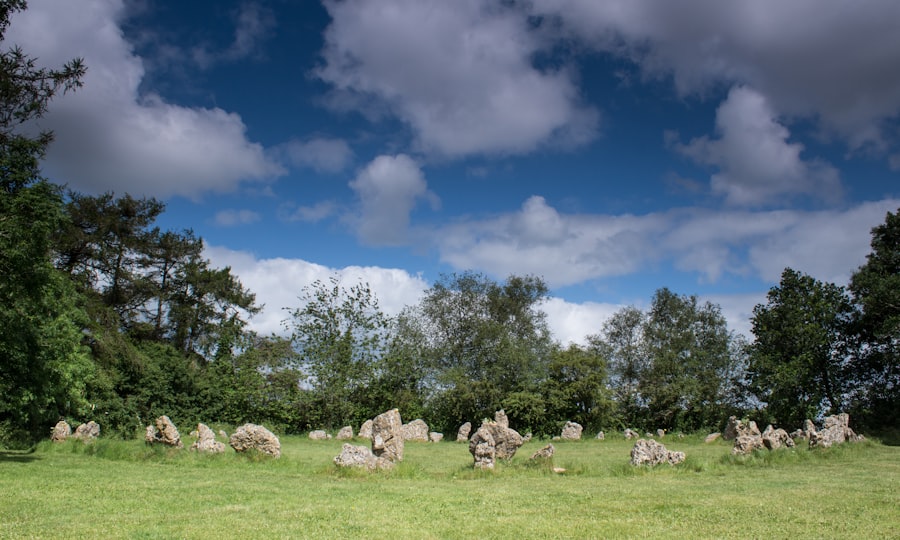
The enduring mystery of desert stone circles has given rise to a diverse array of theories, each attempting to explain their multifaceted purpose. Without definitive written accounts from their builders, interpretations often draw upon archaeological evidence, ethnographic parallels, and logical deduction.
Communal Gathering Places and Social Hubs
One of the most straightforward interpretations is that these stone circles served as central gathering places for ancient communities. The circular layout, with a clear central area, would have been ideal for communal activities, such as storytelling, decision-making, religious ceremonies, and social interactions. For nomadic or semi-nomadic populations, these circles would have provided a fixed point of reference and a place for social cohesion during seasonal movements. The sheer effort required to construct them suggests that these gatherings held significant importance for the social fabric of these ancient societies, reinforcing bonds and shared identity. The accessibility of the circles from surrounding areas, often indicated by ancient pathways, further supports this idea of them as focal points for wider communities.
Sacred Sites and Ritualistic Landscapes
The recurring presence of stone circles in what appear to be significant locations – near water sources, on hilltops, or in areas with unusual geological features – points towards a sacred or ritualistic function. The meticulous arrangement of stones, and in some cases, the presence of symbolic carvings or specific orientations, reinforces this interpretation. These sites may have been dedicated to deities, ancestral spirits, or the forces of nature. The act of building and maintaining these circles could have been a form of worship or appeasement, a way of imbuing the landscape with spiritual meaning and connecting the earthly realm with the divine. The deliberate selection of stones, sometimes of particular colors or textures, further suggests an intention to imbue these structures with symbolic power.
Territorial Markers and Boundary Stones
In some instances, stone circles may have served as territorial markers or boundary stones, delineating the lands of different tribes, clans, or family groups. The prominent nature of these structures would have made them easily recognizable landmarks, clearly defining areas of influence and resource access. This theory is particularly plausible in regions where resources were scarce and territorial disputes were more likely. The strategic placement of some circles on elevated positions or at key junctions further supports this idea. While not mutually exclusive with other functions, the role of stone circles as assertions of ownership and claims over territory cannot be entirely dismissed.
The recent discovery of mysterious stone circles in the desert has sparked intrigue among archaeologists and historians alike, prompting them to explore the potential connections between ancient civilizations and their understanding of climate change. This fascinating topic is further examined in an article that discusses how ancient wisdom can offer insights into surviving modern environmental challenges. To learn more about this intersection of history and sustainability, you can read the article here.
Preserving the Legacy: Challenges and Future Directions
| Location | Number of Circles | Size | Age |
|---|---|---|---|
| Desert A | 20 | 50 meters in diameter | Estimated to be 2000 years old |
| Desert B | 15 | 30 meters in diameter | Age unknown |
| Desert C | 25 | 40 meters in diameter | Estimated to be 1500 years old |
The desert stone circles are not only archaeological wonders but also fragile legacies that face numerous threats in the modern world. Protecting these ancient sites for future generations requires a concerted effort from researchers, local communities, and international organizations.
Threats to Preservation: Erosion, Development, and Neglect
The unforgiving desert environment itself poses a significant threat through natural erosion from wind and sandstorms, gradually wearing away the stones and obscuring the original structures. Human activities, however, present a more immediate and often devastating challenge. The expansion of infrastructure, such as roads and settlements, can lead to the destruction or disturbance of archaeological sites. Looting and unauthorized excavation for artifacts further degrade the integrity of these monuments and the invaluable information they hold. In some regions, a lack of awareness or appreciation for their historical significance can lead to neglect, allowing these sites to fall into disrepair.
The Role of Technology: Remote Sensing and Digital Archiving
Modern technologies are playing an increasingly vital role in the study and preservation of desert stone circles. Remote sensing techniques, such as satellite imagery and aerial photography, can help identify and map potential sites over vast and inaccessible areas. LiDAR (Light Detection and Ranging) technology can penetrate vegetation and create highly detailed 3D models of landscapes, revealing subtle archaeological features that might otherwise remain hidden. Digital archiving and 3D scanning of artifacts and structures create virtual replicas, safeguarding this information even if the physical sites are damaged or lost. This digital preservation is crucial for ongoing research and for sharing discoveries with a global audience.
Community Engagement and Sustainable Tourism
Engaging local communities in the preservation of their heritage is paramount. When local populations are empowered and involved in the protection and interpretation of stone circle sites, they become the most effective stewards of these ancient monuments. Sustainable tourism, when managed responsibly, can provide economic incentives for preservation and generate awareness about the importance of these sites. Educating visitors about the cultural significance and fragility of these landscapes ensures that tourism contributes positively to their long-term survival. Collaborative efforts between archaeologists, local governments, and communities are essential for ensuring that these silent sentinels continue to stand as testaments to human ingenuity and belief for centuries to come.
The desert stone circles, in their silent grandeur, continue to whisper tales of forgotten peoples and ancient wisdom. As we employ ever more sophisticated tools and delve deeper into the archaeological record, we move closer to understanding their purpose and the lives of those who meticulously crafted them. Yet, much remains enshrouded in the sands of time, inviting continued exploration and a profound respect for the enduring mysteries of our shared human past. The enigma of these desert stone circles serves as a powerful reminder of our connection to those who came before us, their enduring impact etched in stone across the vast and timeless landscapes of our planet.

260 Ancient Graves Were Hiding in This “Empty” Desert
FAQs
What are the mysterious stone circles in the desert?
The mysterious stone circles in the desert are large, ancient circular formations made of stones that are found in various deserts around the world. These formations are often of unknown origin and purpose, leading to speculation and mystery surrounding their existence.
Where are these mysterious stone circles found?
Mysterious stone circles can be found in deserts around the world, including the deserts of the American Southwest, the Middle East, Africa, and Australia. They are often located in remote and arid regions, adding to their enigmatic nature.
What is the purpose of these stone circles?
The purpose of these stone circles is unknown and subject to much speculation. Some theories suggest they may have been used for religious or ceremonial purposes, while others propose they could have served as markers for ancient trade routes or astronomical observatories.
How old are these mysterious stone circles?
The age of the mysterious stone circles varies depending on their location and the culture associated with them. Some stone circles are believed to be thousands of years old, dating back to ancient civilizations, while others may be more recent in origin.
What are some theories about the origin of these stone circles?
There are various theories about the origin of these stone circles, including cultural, religious, and astronomical significance. Some researchers also speculate that they may have been used for agricultural or water management purposes. However, due to the lack of concrete evidence, the true origin and purpose of these stone circles remain a mystery.