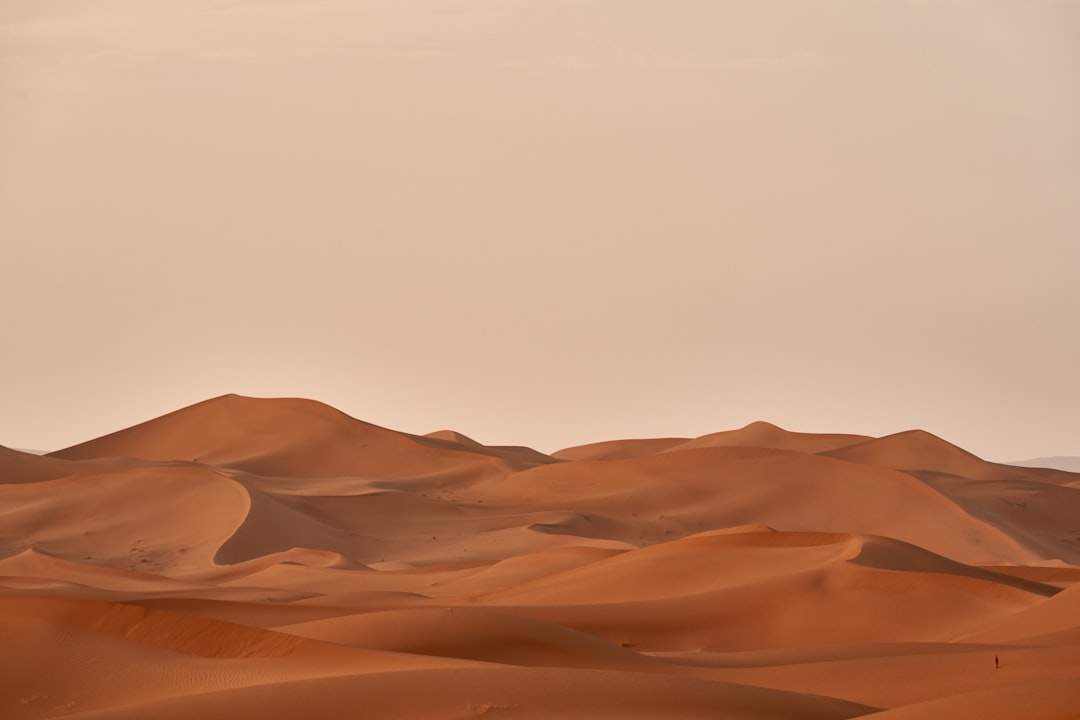
The Sahara Desert, a vast expanse of shifting sands and scorching sun, is often perceived as an empty and desolate wasteland. However, beneath its seemingly barren surface lies a rich and complex history, a testament to human resilience and adaptation. For millennia, this formidable landscape has been a crucible of civilizations, a crossroads of cultures, and a silent witness to profound environmental transformations. Uncovering the enigmatic history of the Sahara is an ongoing journey, piecing together fragments of evidence from archaeological sites, ancient texts, oral traditions, and scientific research. This endeavor reveals a narrative far removed from the stereotypical image of an uninhabited desert, showcasing a dynamic past that shaped the African continent and influenced the wider world.
The popular conception of the Sahara as an eternal desert is a relatively recent phenomenon. For extended periods in its geological and human past, the region experienced vastly different climatic conditions, often referred to as the “Sahara Greening” or the African Humid Period. This era, punctuated by recurring cycles, transformed the landscape into a savanna, dotted with lakes, rivers, and lush vegetation, supporting a diverse array of flora and fauna, and enabling human settlement.
The Holocene Humid Period: A Lush Oasis
The most significant and well-documented period of Saharan greening occurred roughly between 11,000 and 5,000 years ago, during the early to mid-Holocene epoch. Driven by shifts in Earth’s orbital parameters, particularly the tilt of its axis (obliquity) and the timing of its orbit around the sun (precession), the African monsoon system intensified, bringing significantly more rainfall to the Sahara. This influx of moisture transformed the region into a verdant landscape, capable of sustaining large populations of humans and animals.
Evidence from Paleo-environmental Studies
- Paleolakes and River Systems: Geological and sedimentological studies have unearthed evidence of numerous large, ephemeral lakes and extensive river systems that once crisscrossed the Sahara. The remains of ancient shorelines, fossilized fish, and water-worn pebbles speak to a wetter past. Prominent examples include the mega-lake that once existed in the Chad Basin and the ancient riverbeds that are now dry wadis.
- Pollen Analysis: The examination of fossilized pollen grains trapped in lakebed sediments and rock formations provides a direct glimpse into the vegetation of past eras. These analyses consistently reveal the presence of grasses, trees like acacia and savanna woodlands, and aquatic plants, indicating a far more vegetated environment than the present-day desert.
- Faunal Remains: Archaeological and paleontological excavations have unearthed the fossilized remains of animals that are incompatible with the current desert environment. These include hippopotamuses, crocodiles, elephants, giraffes, antelopes, and a wide variety of fish, all of which require significant water sources and vegetation to survive.
The Impact on Early Human Settlement
The availability of water and abundant resources during the Saharan Greening periods profoundly influenced the development and migration of early human populations. The region became a fertile ground for hunter-gatherer communities, who benefited from the diverse food sources provided by the savanna ecosystems.
Hunter-Gatherer Societies and Their Adaptations
- Nomadic Lifestyles: Early inhabitants likely adopted nomadic or semi-nomadic lifestyles, following the seasonal rains and the availability of game. Their diet would have been varied, comprising wild fruits, tubers, fish, and the meat of hunted animals.
- Rock Art as a Historical Record: Perhaps the most compelling evidence of this greener Sahara comes from its extraordinary rock art. Thousands of sites, particularly in the Tassili n’Ajjer and Acghar regions of Algeria, and in the Tibesti Mountains, depict scenes of daily life, fauna, and human activities. These vibrant murals showcase a Sahara teeming with life: cattle, giraffes, lions, and people engaged in hunting, herding, and perhaps even dancing. The artistic styles and themes evolved over millennia, providing a visual timeline of this changing environment and the cultures that inhabited it.
The hidden history of the Sahara Desert is a captivating subject that reveals the ancient civilizations and lost technologies that once thrived in this vast landscape. For those interested in exploring more about the intriguing connections between lost technologies and historical narratives, a related article can be found at this link. This article delves into the fascinating documentary that uncovers the mysteries of advanced technologies that may have existed in the past, shedding light on the rich and often overlooked history of the Sahara.
The Neolithic Revolution in the Sahara: From Hunter-Gatherers to Herders
As the climatic conditions gradually shifted and the Sahara began its inexorable transition towards aridity, human societies were forced to adapt. The Neolithic period witnessed a remarkable transformation, with the emergence of pastoralism and early forms of agriculture, marking a pivotal shift in human subsistence strategies and social organization.
The Rise of Pastoralism: Domesticating the Wild
The domestication of animals, particularly cattle, played a crucial role in the survival and prosperity of Saharan communities during the late Holocene. The iconic images of cattle in Saharan rock art are not merely artistic representations but reflect a profound economic and social shift.
Cattle Domestication and its Significance
- Economic Backbone: Cattle provided a reliable source of milk, meat, and hides, offering a stable food supply that was less dependent on the increasingly unpredictable wild game. Herding also allowed for mobility, enabling communities to follow grazing lands and water sources.
- Social Status and Ritual: Evidence suggests that cattle held significant social and cultural importance. Their depiction in elaborate rock engravings and paintings, often adorned with ornaments, indicates a status beyond mere economic utility. They likely featured prominently in rituals, ceremonies, and as symbols of wealth and prestige.
- Early Agriculture: While pastoralism was dominant, there is also evidence of early attempts at cultivating crops, particularly in areas with access to perennial water sources. The cultivation of sorghum and millet, indigenous grains, may have supplemented the pastoral economy.
Transition to Aridity: The Great Drying
The gradual desiccation of the Sahara, beginning around 5,000 years ago, was a slow but relentless process. As the monsoonal rains receded, lakes and rivers began to shrink and disappear, transforming the once lush savanna into the arid desert we know today. This environmental pressure forced significant societal changes.
Human Migration and Adaptation Strategies
- Southward and Northward Movements: As the desert expanded, human populations were compelled to migrate towards more hospitable regions. This led to increased interactions and cultural exchange between Saharan populations and those in the Sahel to the south, the Nile Valley to the east, and the Mediterranean coast to the north.
- Development of Water Management: Surviving in an increasingly arid environment necessitated the development of sophisticated water management techniques. Evidence suggests the construction of wells, cisterns, and other water-harvesting structures to conserve precious water resources.
- Increased Social Complexity: The challenges posed by a declining environment may have also contributed to the development of more complex social structures, leadership roles, and organized systems for resource management and conflict resolution.
Crossroads of Civilizations: The Sahara as a Trade Route
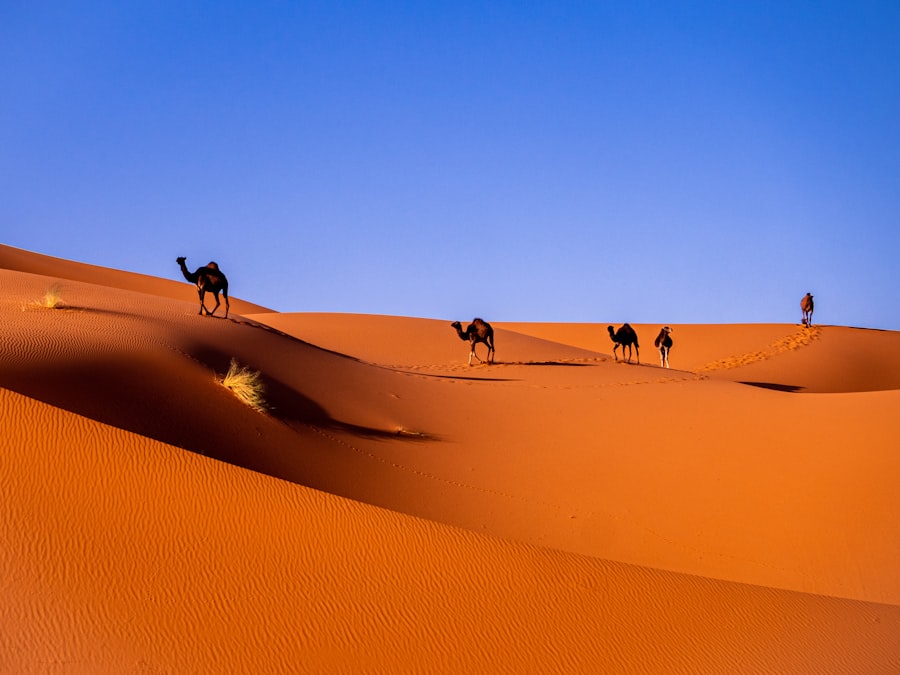
As the Sahara transformed into a formidable desert, it did not become a barrier to human interaction. Instead, it evolved into a vital artery for trans-Saharan trade, connecting the diverse cultures and economies of North Africa with sub-Saharan Africa and the wider Mediterranean world. This network of routes, arduous and dangerous, facilitated the exchange of goods, ideas, and people, leaving an indelible mark on the history of the continent.
The Camel and the Dawn of Trans-Saharan Trade
The introduction and widespread adoption of the camel, likely around the early centuries CE, revolutionized trans-Saharan travel. This hardy animal, uniquely adapted to desert conditions, could carry substantial loads over long distances with minimal water, making large-scale trade feasible.
The Rise of Trading Empires
- Salt and Gold: The Sahara was rich in salt, a vital commodity for preserving food and for human health. Caravans would transport salt from the desert fringes, such as Taghaza in Mali, to the south. Conversely, gold from West African kingdoms, particularly the Ghana, Mali, and Songhai empires, flowed northwards in exchange for salt, manufactured goods, and other commodities.
- Slaves and Other Commodities: The trans-Saharan trade also involved the exchange of enslaved people, a tragic but significant aspect of this historical network. Other traded goods included ivory, ostrich feathers, textiles, horses, and manufactured items from the Mediterranean.
- Development of Oasis Economies: The growth of trade led to the development of prosperous oasis towns and entrepôts along the caravan routes. These settlements, such as Timbuktu, Djenné, and Ghadamès, became centers of commerce, learning, and culture, fostering unique urban societies.
The Sahara as a Bridge, Not a Barrier
The trans-Saharan trade routes fostered an unprecedented level of interaction between diverse peoples. Arab and Berber merchants from North Africa encountered West African traders, leading to cultural diffusion and the adoption of new technologies and practices.
Cultural and Intellectual Exchange
- Spread of Islam: The trans-Saharan trade played a crucial role in the spread of Islam from North Africa into West Africa. Islamic scholars, traders, and Sufi mystics traveled along the routes, establishing mosques and madrasas, and influencing religious and legal practices.
- Linguistic and Artistic Influences: The constant movement of people led to linguistic borrowing and the fusion of artistic styles. Architectural innovations, musical traditions, and literary forms were exchanged and adapted across the desert.
- Transmission of Knowledge: Ideas and knowledge also traversed the Sahara. Scientific, philosophical, and religious texts were copied and disseminated, contributing to intellectual advancements in both regions.
Empires of the Sand: The Rise and Fall of Saharan Dynasties
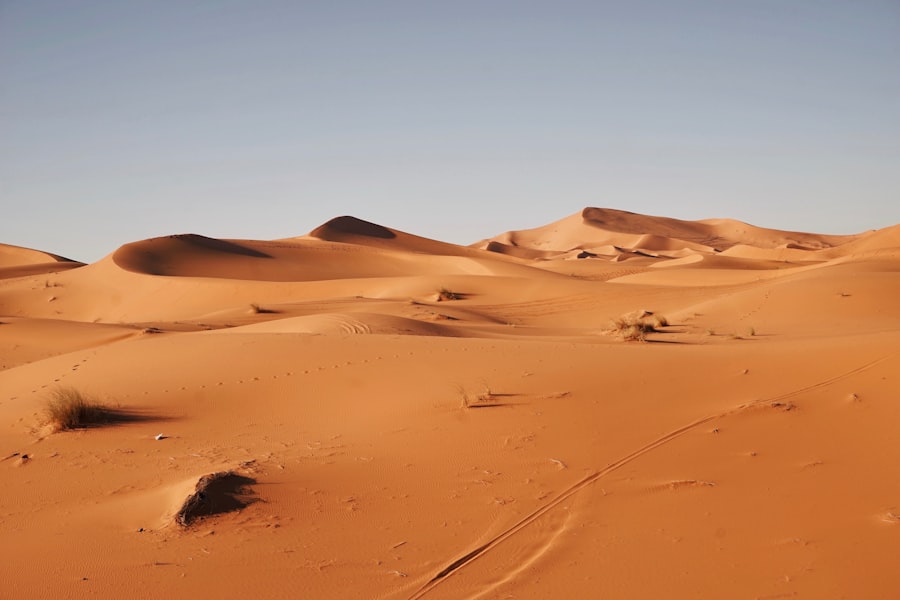
The Sahara, far from being a land of scattered nomads, was once the heartland of powerful empires. These formidable entities, built on the foundations of trade, military strength, and sophisticated administration, controlled vast swathes of territory and exerted significant influence over North and West Africa for centuries.
The Ghana Empire: The Land of Gold
One of the earliest and most influential Saharan empires was the Ghana Empire, which flourished between the 6th and 13th centuries CE. Situated in the Sahel region, it controlled crucial gold-producing areas and dominated the trans-Saharan trade routes.
Economic and Political Power
- Control of Gold Mines: The empire’s wealth was primarily derived from its control over the gold mines of Wangara. This strategic advantage allowed them to dictate the flow of gold into the wider economic system.
- Tribute and Taxation: The rulers of Ghana imposed tribute on conquered peoples and levied taxes on the goods passing through their territories, further bolstering their coffers.
- Military Prowess: A well-organized army, equipped with iron weapons, enabled the Ghana Empire to defend its borders and maintain its dominance over regional trade.
The Mali Empire: The Golden Age of Timbuktu
Emerging from the decline of Ghana, the Mali Empire, which peaked in the 14th century CE, was one of the largest and wealthiest empires in medieval Africa. Its legendary ruler, Mansa Musa, famously embarked on a pilgrimage to Mecca, showcasing the empire’s immense wealth.
Mansa Musa’s Legacy and the Empire’s Flourishing
- Vast Territorial Control: The Mali Empire extended over much of West Africa, encompassing the Gambia River, the upper Niger River, and vast stretches of the Sahara.
- Timbuktu as a Center of Learning: Under Mali rule, Timbuktu transformed into a renowned center of Islamic scholarship and commerce. Its universities and libraries attracted scholars from across the Muslim world, making it a vibrant hub of intellectual activity.
- Controlled Trade Routes: The empire maintained strict control over the gold and salt trades, ensuring the continued flow of wealth into its treasury.
The Songhai Empire: The Last Great Saharan Power
Following the decline of Mali, the Songhai Empire rose to prominence in the 15th and 16th centuries CE, becoming the last great Saharan power before the arrival of European colonial forces. Under rulers like Askia the Great, the empire reached its zenith.
Expansion and Administration
- Military Strength and Expansion: The Songhai army, particularly its cavalry, was instrumental in expanding the empire’s territory and consolidating its power.
- Efficient Administration: Askia the Great implemented a sophisticated administrative system, dividing the empire into provinces and appointing governors to ensure effective governance and tax collection.
- Economic Prosperity: The empire continued to benefit from the trans-Saharan trade, maintaining the flow of gold, salt, and other commodities.
The Sahara Desert, often perceived as a barren wasteland, holds a wealth of hidden history that reveals the complexities of ancient civilizations. Recent discoveries have shed light on the intricate societies that once thrived in this vast landscape, challenging our understanding of its past. For those interested in exploring the connections between ancient power dynamics and the environmental changes that shaped these societies, the article on elite corruption provides fascinating insights. You can read more about this intriguing topic in the related article.
The Sahara’s Enduring Mysteries: Echoes of the Past
| Aspect | Details |
|---|---|
| Age of the Sahara Desert | It is believed to have formed around 7 million years ago. |
| Climate Change | The Sahara has experienced multiple climate shifts, from lush and green to the arid desert it is today. |
| Prehistoric Life | Fossils of ancient human ancestors and extinct animals have been found in the Sahara, indicating a rich prehistoric history. |
| Trade Routes | The Sahara was a major trade route for goods such as gold, salt, and slaves in ancient times. |
| Rock Art | The Sahara is home to numerous rock art sites, depicting the lives of ancient inhabitants. |
Despite centuries of exploration and research, the Sahara continues to hold many enigmas. The vastness of the desert, coupled with the ephemeral nature of its past landscapes and the challenges of archaeological preservation, means that much remains undiscovered, inviting further inquiry and fueling our fascination.
Lost Cities and Ancient Civilizations
Tales of lost cities and forgotten civilizations abound in Saharan lore and historical accounts. The whispers of ancient settlements swallowed by the sands continue to intrigue explorers and archaeologists.
Unearthing Hidden Histories
- The Garamantes of Fezzan: The Garamantes, an ancient civilization that thrived in modern-day Libya between 500 BCE and 700 CE, are a prime example of a remarkable Saharan society. They developed sophisticated underground irrigation systems (foggara) to harness scarce water resources, enabling them to cultivate crops and establish a network of fortified towns. Their remains offer a glimpse into the ingenuity required to survive and prosper in an arid environment.
- Possible Roman and Phoenician Outposts: While the primary focus of Saharan history often lies within Africa, there is evidence and speculation about the extent of Roman and Phoenician influence and presence in the northern fringes of the desert, suggesting broader Mediterranean connections.
The Role of Environmental Change in Human History
The Sahara’s history is inextricably linked to its dramatic environmental shifts. Understanding these changes is key to understanding the trajectory of human migration, technological innovation, and societal development in North Africa.
Paleoclimatic Research and Future Projections
- Dating the Transitions: Ongoing paleoclimatic research, utilizing techniques like ice core analysis and sediment dating, aims to refine the timelines of Saharan greening and drying events, providing a more precise understanding of the environmental pressures faced by past populations.
- Predicting Future Scenarios: By studying past climate cycles, scientists can gain insights into potential future climate change scenarios for the Sahara and its surrounding regions, informing conservation efforts and adaptation strategies.
The Future of Saharan Research
The Sahara’s past continues to offer valuable lessons for the present and the future. As technology advances and our understanding of complex environmental and human systems grows, the enigmatic history of this vast desert promises to yield even more remarkable discoveries, revealing the enduring story of human resilience and adaptation in one of the world’s most iconic landscapes. The Sahara, once seen as a void, is increasingly recognized as a vibrant and dynamic stage upon which millennia of human endeavor have unfolded.

260 Ancient Graves Were Hiding in This “Empty” Desert
FAQs
What is the hidden history of the Sahara Desert?
The hidden history of the Sahara Desert refers to the lesser-known historical and archaeological findings that have been discovered in the region. These findings shed light on the ancient civilizations, cultures, and environmental changes that have occurred in the Sahara Desert over thousands of years.
What are some of the key discoveries in the hidden history of the Sahara Desert?
Some key discoveries in the hidden history of the Sahara Desert include ancient rock art, evidence of prehistoric human settlements, and remnants of ancient trade routes. These findings have provided insights into the early human occupation of the region and the development of ancient societies.
How has the hidden history of the Sahara Desert changed our understanding of the region?
The hidden history of the Sahara Desert has challenged previous assumptions about the region being an uninhabitable and inhospitable desert. It has revealed that the Sahara was once a much more fertile and habitable environment, and that it was home to thriving civilizations and cultures.
What are some of the challenges in uncovering the hidden history of the Sahara Desert?
Some of the challenges in uncovering the hidden history of the Sahara Desert include the harsh and remote nature of the desert, limited access to certain areas, and the preservation of archaeological sites. Additionally, political instability in some parts of the region can also pose challenges for researchers.
Why is it important to study the hidden history of the Sahara Desert?
Studying the hidden history of the Sahara Desert is important because it provides valuable insights into the early human history, environmental changes, and cultural developments in the region. It also contributes to a more comprehensive understanding of human civilization and the impact of climate change on ancient societies.