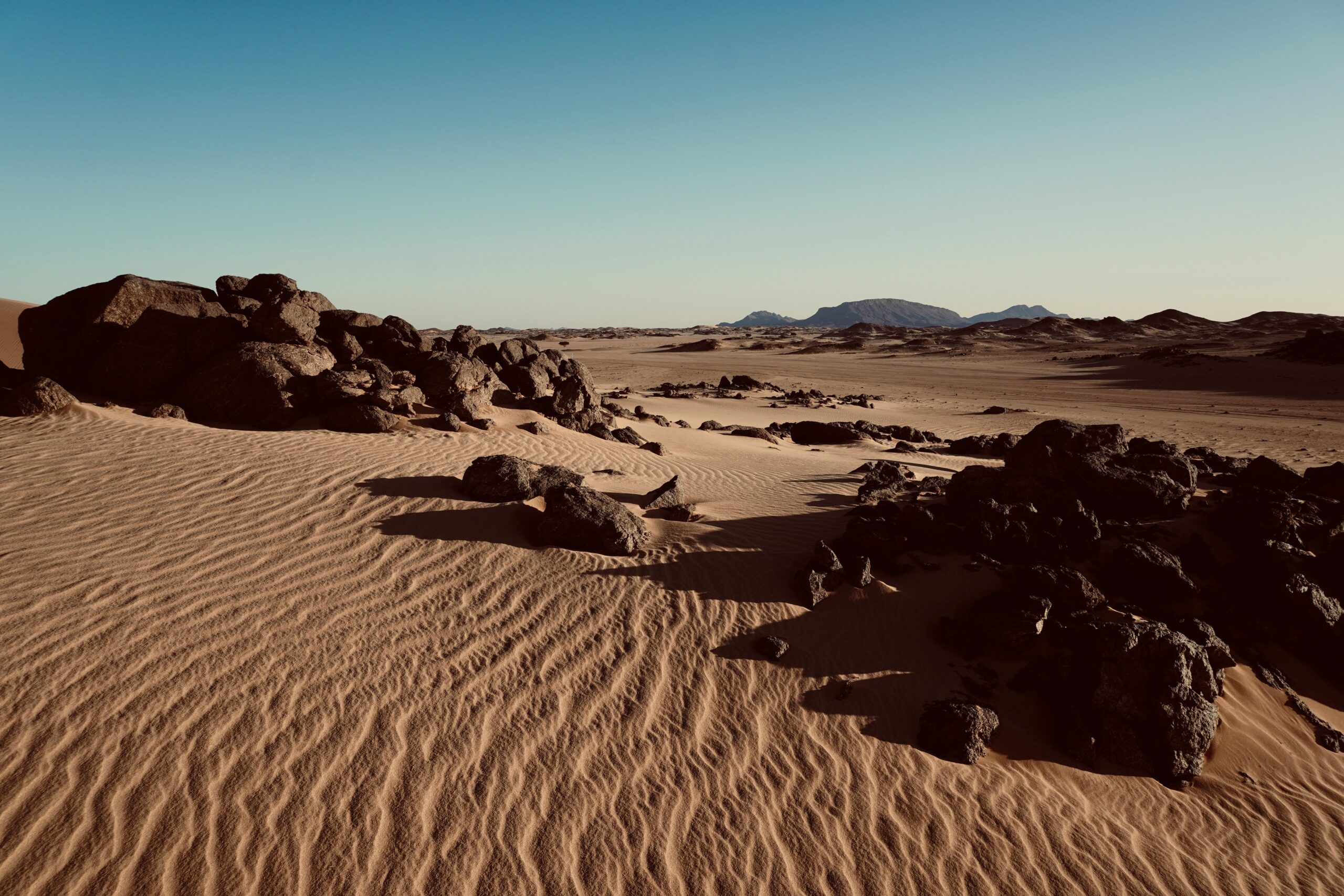
The Sahara Desert, a vast and seemingly immutable ocean of sand, harbors a profound and ancient history. Beneath its shimmering dunes and weathered rock formations lie echoes of civilizations long vanished, whispers of forgotten peoples, and enigmas that continue to perplex archaeologists and historians alike. Uncovering these secrets is a monumental undertaking, a testament to human curiosity and the enduring power of the past to intrigue and inform the present. The sheer scale of the Sahara, its harsh environment, and the ephemeral nature of its archaeological traces present unique challenges, yet the rewards of even partial understanding are immense, offering glimpses into a world vastly different from our own.
The Sahara as we know it today – a parched expanse – is a stark contrast to its past. Evidence points to a significantly wetter and more verdant Sahara, a period known as the African Humid Period, or the “Green Sahara.” This era, roughly from 11,000 to 5,000 years ago, saw a dramatically different landscape, teeming with life and supporting human populations. The discovery and study of this prehistoric Sahara are crucial for understanding the very origins of human civilization in North Africa.
The Vanishing Waterways: Evidence of Ancient Rivers and Lakes
The most compelling evidence for a Green Sahara comes from the geological record. Satellite imagery and ground surveys have revealed the remnants of ancient riverbeds, dry lake basins, and extensive drainage systems that once crisscrossed the desert. These features, often buried beneath centuries of sand, are testament to a climate that allowed for substantial rainfall and the presence of large bodies of water.
Tracing the Nile’s Forgotten Tributaries
While the Nile River remains a dominant force in North Africa, evidence suggests that during wetter periods, it was fed by numerous tributaries that originated deep within the Sahara. The discovery of ancient floodplains and sedimentary deposits in areas now utterly arid points to these lost waterways, which would have sustained a rich ecosystem and facilitated human migration and settlement.
The Grand Lakes of the Sahara
Beyond rivers, the Sahara once hosted immense lakes. The Mega-Chad, a prehistoric lake that once covered an area larger than the Caspian Sea, is a prime example. Its ancient shorelines are still visible, offering a tangible connection to a time when vast freshwater resources were readily available, supporting a diverse array of flora and fauna. The study of these paleolakes provides critical insights into past climate change and its impact on human societies.
Early Human Habitation: Nomadic Lives and Rock Art
The Green Sahara was not merely a landscape; it was a home. Archaeological sites reveal the presence of early human populations who adapted to these wetter conditions, leading nomadic lifestyles and leaving behind a rich legacy of rock art.
The Hunters and the Herds: Subsistence Strategies
The inhabitants of the Green Sahara were primarily hunter-gatherers, their lives intimately tied to the ebb and flow of the environment. Archaeological excavations have unearthed tools made from stone, bone, and wood, indicative of their hunting prowess and their ability to exploit the abundant natural resources. Evidence of animal remains suggests a diverse diet, including large game that no longer roams the desert.
The Dawn of Art: Tassili n’Ajjer’s Painted Walls
Perhaps the most iconic legacy of the Green Sahara is its spectacular rock art. The Tassili n’Ajjer plateau in Algeria, a UNESCO World Heritage site, is home to tens of thousands of rock engravings and paintings that depict a vibrant world. These artworks offer an unparalleled window into the daily lives, beliefs, and social structures of prehistoric Saharan peoples.
From Wildlife to Domestic Animals: A Shift in Depiction
The progression of rock art styles often mirrors environmental and societal changes. Early engravings tend to focus on wild animals, reflecting a purely hunter-gatherer existence. Later paintings, however, begin to show domesticated animals like cattle and sheep, signaling a shift towards pastoralism and a more settled way of life.
Human Figures and Ritualistic Practices
Beyond animal depictions, the rock art frequently features human figures engaged in various activities, from hunting and dancing to what appear to be ritualistic ceremonies. The detailed portrayal of clothing, adornments, and weaponry provides invaluable information about Saharan societies.
The archaeological mysteries of the Sahara continue to captivate researchers and enthusiasts alike, as they uncover remnants of ancient civilizations that once thrived in this vast desert. One intriguing aspect of these discoveries is how they relate to global resource competition, similar to the ongoing geopolitical race for Antarctic resources. For a deeper understanding of how the quest for valuable materials influences exploration and research in remote regions, you can read more in this related article: Geopolitical Race for Antarctic Resources.
The Rise and Fall of Empires: Navigating the Sands of History
As the Sahara began its inexorable desertification, human societies were forced to adapt or migrate. This period saw the emergence of more complex civilizations, trade networks, and powerful empires that harnessed the resources of the desert fringe and beyond. The archaeological evidence from these eras paints a picture of sophisticated societies that engaged in long-distance trade and developed unique cultural identities.
The Garamantes: Masters of Subterranean Engineering
One of the most remarkable civilizations to emerge from the Sahara was that of the Garamantes, who flourished in modern-day Libya from approximately 500 BCE to 700 CE. Their success was largely due to their ingenious mastery of water management in an increasingly arid environment.
The Foggara System: An Engineering Marvel
The Garamantes developed an extensive network of underground irrigation channels known as foggaras. These subterranean aqueducts, tapping into deep aquifers, allowed them to cultivate crops and sustain a substantial population in the heart of the desert. The construction and maintenance of these systems required immense labor, organization, and a sophisticated understanding of hydrology.
Preserving Water in the Heat
The foggaras were designed to minimize water loss due to evaporation, a critical factor in the Saharan climate. The shaded channels ensured that water reached the fields efficiently, enabling the Garamantes to achieve agricultural productivity in an otherwise inhospitable landscape.
Archaeological Excavations and Garamantian Cities
Archaeological excavations have uncovered the impressive remains of Garamantian cities, characterized by well-planned settlements, fortifications, and evidence of skilled craftsmanship. The discovery of pottery, metalwork, and glass artifacts points to their engagement in trade and their participation in wider regional networks.
The Trans-Saharan Trade Routes: The Golden Veins of the Desert
The Sahara, despite its challenges, became a vital conduit for trade between North Africa and Sub-Saharan Africa for millennia. These trans-Saharan trade routes were the arteries that connected diverse cultures and economies, fostering the exchange of goods, ideas, and technologies.
The Commodities of the Caravan
The primary commodities traded across the Sahara were gold, salt, and slaves. Gold from West Africa was highly sought after in the Mediterranean world, while salt, extracted from Saharan salt pans, was essential for food preservation and was traded south. The trade in slaves, a tragic aspect of Saharan history, also contributed to the movement of people and cultural diffusion.
The Silent Cities of the Trade Routes
Along these ancient routes, archaeological investigations have revealed the remains of settlements and caravanserai that served as resting places and trading posts for merchants. These “silent cities” offer tangible evidence of the scale and organization of trans-Saharan commerce.
The Influence of Islam: A New Era of Exchange
The spread of Islam across North Africa in the 7th and 8th centuries CE had a profound impact on the trans-Saharan trade. Islamic scholars and merchants played a significant role in facilitating and expanding these routes, leading to a further integration of the Saharan economies with the wider Islamic world.
Unearthing Ancient Wisdom: Written Records and Forgotten Scripts
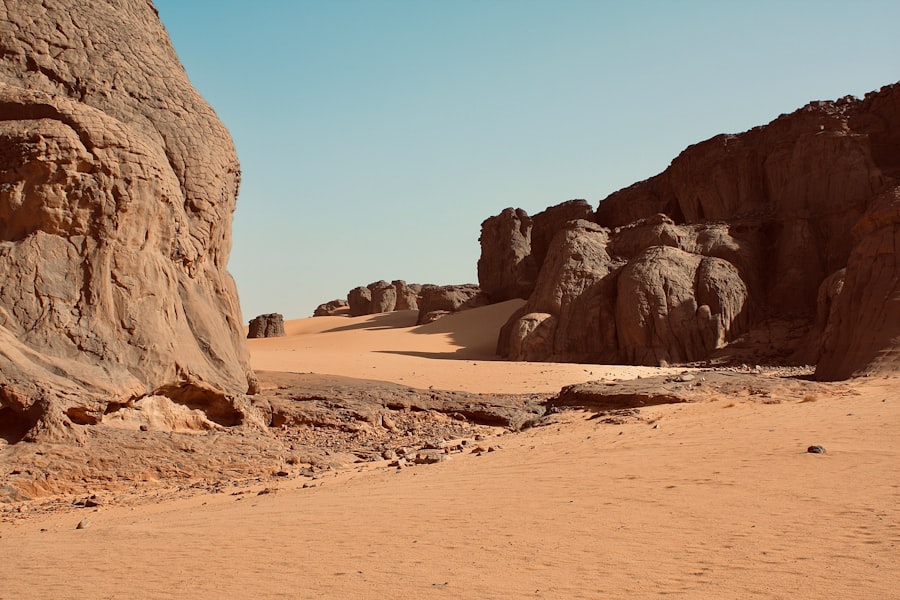
While rock art provides a visual narrative, the discovery of written records, however scarce, offers a more direct and detailed understanding of Saharan societies. The decipherment of forgotten scripts and the interpretation of ancient texts continue to unlock invaluable historical insights.
The Sahara Desert, often perceived as a barren wasteland, holds numerous archaeological mysteries that continue to intrigue researchers and historians alike. From ancient trade routes to hidden settlements, the secrets of this vast landscape are slowly being uncovered. For those interested in exploring more about how different regions, including the Sahara, have shaped human civilization, a fascinating read can be found in this article about economic developments in Mexico, which highlights the interconnectedness of cultures throughout history. You can check it out here.
The Berber Languages and Tifinagh Script
The indigenous Berber populations of North Africa have a rich linguistic heritage, with the Tifinagh script being one of their most enduring contributions. This script, still used today by some Berber communities, has a long and complex history, with early inscriptions found in various Saharan regions.
Early Epigraphy: Tracing the Roots of Tifinagh
Archaeological sites have yielded inscriptions in early forms of Tifinagh, providing crucial data for understanding its evolution and its use in ancient Saharan societies. These inscriptions often appear on rock faces, tombs, and artifacts, offering glimpses into religious beliefs, personal names, and territorial markers.
The Linguistic Bridge to the Past
The study of these epigraphic finds helps scholars reconstruct the historical development of Berber languages and their connections to other linguistic families, shedding light on the migrations and interactions of ancient peoples across the Sahara.
Lost Libraries and Encrypted Knowledge
Beyond indigenous scripts, the Sahara has yielded evidence of written traditions influenced by the wider Mediterranean and Islamic worlds. The discovery of fragments of manuscripts and the potential for lost libraries buried beneath the sands represent tantalizing possibilities for future archaeological endeavors.
The Transmission of Knowledge
The presence of Greek, Latin, and later Arabic texts in Saharan contexts indicates the flow of knowledge and ideas across vast distances. These fragments can reveal information about religious texts, scientific treatises, historical accounts, and literary works that may have once been more prevalent.
The Challenge of Preservation
The harsh desert environment poses a significant challenge to the preservation of written materials. Extreme temperatures, sandstorms, and humidity can rapidly degrade papyrus, parchment, and paper. Archaeologists employ specialized techniques to excavate, conserve, and analyze these fragile artifacts.
The Enigmas of the Sahara: Unanswered Questions and Future Frontiers
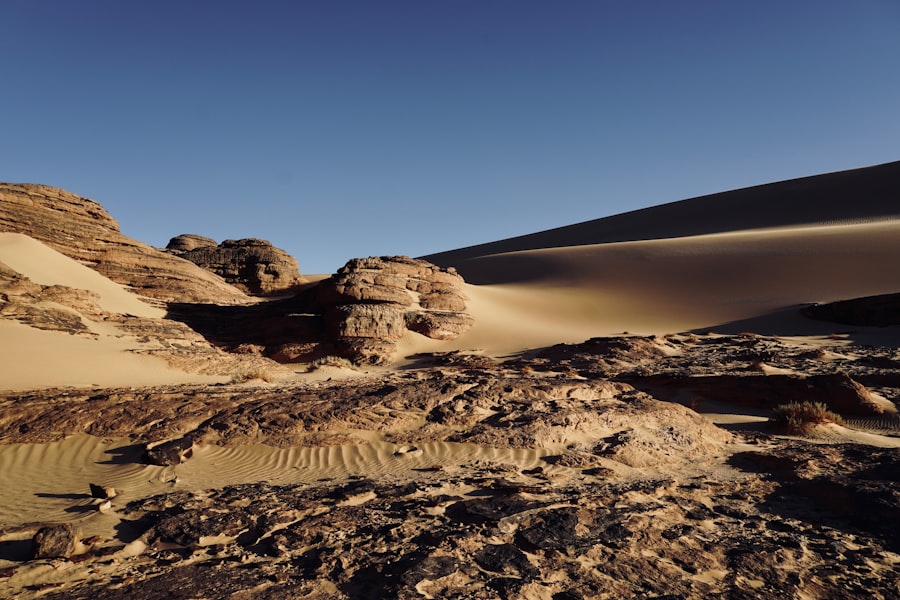
Despite significant advances in archaeological research, the Sahara continues to hold many unanswered questions. The sheer immensity of the desert and the limitations of current technologies mean that much of its past remains hidden, waiting to be discovered.
The Origin of Saharan Cultures: Deep Roots and Migratory Flows
The precise origins of many Saharan cultures and their connections to other ancient civilizations remain a subject of ongoing debate. Tracing the migratory patterns of early human populations and understanding the influences that shaped their development is a complex puzzle.
Genetic Studies and Ancient DNA
The advent of ancient DNA analysis offers a powerful new tool for understanding population movements and genetic relationships between ancient Saharan peoples and their contemporaries in surrounding regions. This research has the potential to revolutionize our understanding of Saharan prehistory.
The Saharan Diaspora
By analyzing genetic markers, researchers can begin to map out the “Saharan diaspora” – how populations moved out of and into the Sahara over millennia, contributing to the peopling of North Africa and beyond.
The Nature of Saharan Spirituality and Belief Systems
While rock art offers symbolic representations, the deeper understanding of the spiritual beliefs, rituals, and cosmologies of Saharan peoples remains elusive. Reconstructing these intangible aspects of ancient life is a significant challenge.
Interpreting Symbolic Landscapes
The interpretation of sacred sites, burial practices, and the symbolic elements within rock art can offer clues to the spiritual frameworks of past Saharan societies. The connection between humans and the natural world, particularly the celestial bodies and the life-giving water, likely played a central role.
The Legacy of Oral Traditions
While not strictly archaeological, the study of contemporary and historical oral traditions among Saharan communities can sometimes provide valuable insights into the echoes of ancient belief systems that have been passed down through generations.
The Sahara’s Role in Global History: Beyond Regional Narratives
The historical significance of the Sahara often extends beyond regional narratives. Its role as a bridge between continents, a source of vital resources, and a crucible of cultural exchange meant that its influence reverberated across the ancient world.
Connecting Civilizations: The Sahara as a Nexus
The trans-Saharan trade routes, for instance, were not just conduits for goods but also for the transmission of technologies, ideas, and even diseases. Understanding these connections is crucial for a holistic view of global history.
The Unseen Empires
The study of the Sahara has revealed the existence of sophisticated societies and empires that were once powerful forces in their own right but whose histories have been largely overshadowed by the more prominent civilizations of the Mediterranean and the Nile Valley.
The Sahara Desert, far from being an empty void, is a repository of human history and a testament to the resilience and ingenuity of humankind. Each unearthed artifact, each deciphered inscription, and each meticulously studied rock painting chips away at the veil of mystery that shrouds this enigmatic landscape. As archaeological techniques advance and our understanding deepens, the Sahara will undoubtedly continue to reveal its secrets, offering invaluable lessons about our shared past and the enduring capacity of human civilization to adapt and thrive even in the face of the most formidable challenges. The ongoing exploration of the Sahara is not merely an academic pursuit; it is a journey into the very origins of human civilization, a vital endeavor to understand where we came from and, in doing so, to better understand who we are.

260 Ancient Graves Were Hiding in This “Empty” Desert
FAQs
What are some of the archaeological mysteries of the Sahara?
Some of the archaeological mysteries of the Sahara include the ancient rock art found in the region, the mysterious stone circles and megaliths, and the enigmatic burial sites and tombs.
What is the significance of the ancient rock art found in the Sahara?
The ancient rock art found in the Sahara provides valuable insights into the prehistoric cultures and societies that once inhabited the region. The art often depicts scenes of daily life, as well as animals, rituals, and symbols that hold cultural and religious significance.
What are the mysterious stone circles and megaliths found in the Sahara?
The Sahara is home to numerous mysterious stone circles and megaliths, some of which date back thousands of years. These structures are believed to have served various purposes, including ceremonial and religious functions, but their exact significance and the cultures that built them remain a mystery.
What do we know about the enigmatic burial sites and tombs in the Sahara?
The Sahara is scattered with enigmatic burial sites and tombs, some of which have been found to contain elaborate grave goods and evidence of complex burial rituals. These sites offer valuable clues about the funerary practices and beliefs of ancient Saharan societies.
What are some of the theories about the ancient civilizations that once thrived in the Sahara?
Some theories suggest that the Sahara was once home to advanced civilizations that were able to thrive in the region’s now-desert environment. These civilizations are thought to have developed sophisticated agricultural and water management systems, but much about them remains speculative and the subject of ongoing research and debate.